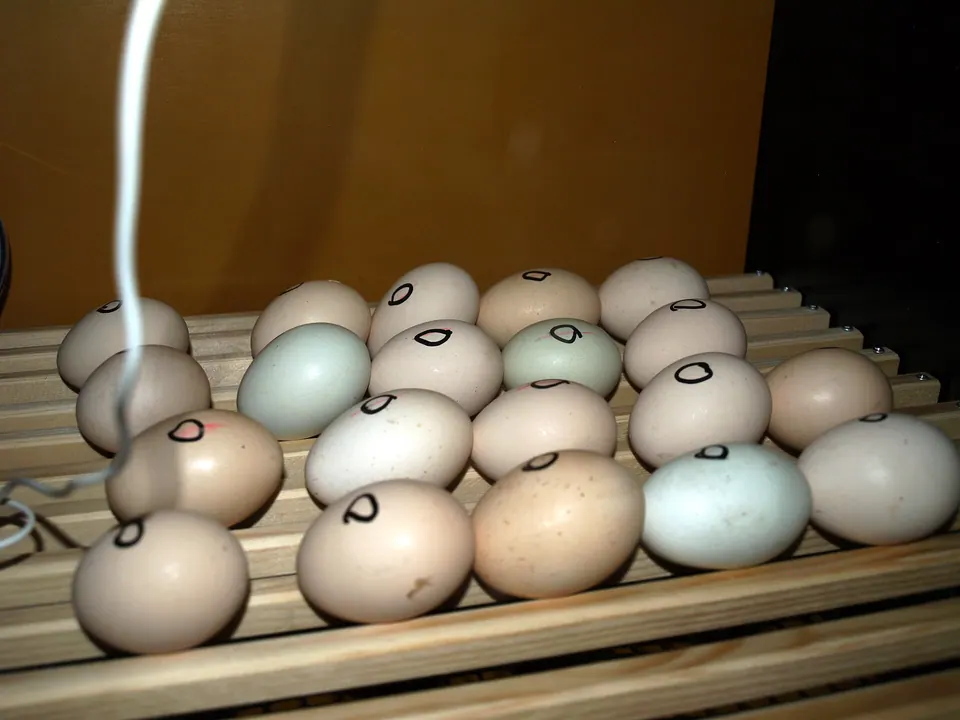
- For a first or family hatch, the Nurture Right 360 pairs a 22-egg tray with forced air, auto turning with auto-stop and a humidity display.
- If you want the incubator to manage humidity for you, the Brinsea Maxi 24 EX lists automatic humidity plus quadrant inserts for mixed egg sizes.
- Small batch or classroom: the Brinsea Mini II Advance holds 7 chicken eggs and lists room-temperature and high/low alarms.
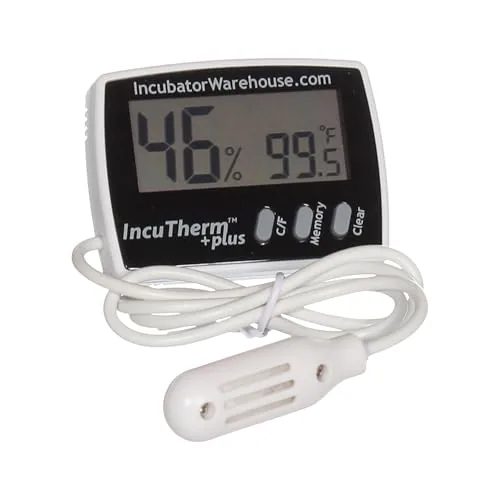
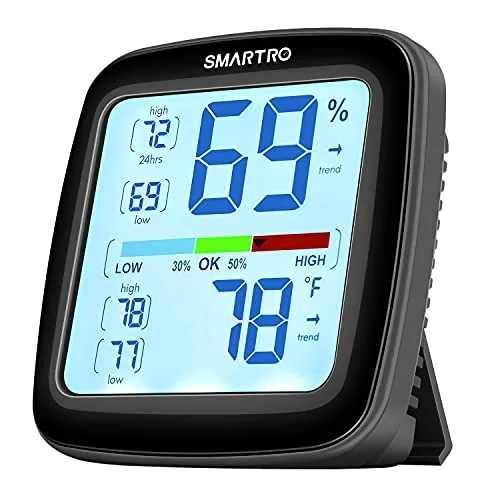
- Whatever you buy, check temperature and humidity with a separate calibrated thermometer-hygrometer and follow the incubator manual first.
The best egg incubator is the one that holds a steady temperature, turns eggs on schedule, lets you manage humidity without opening the lid, and fits the number and size of eggs you actually plan to set. This list compares eight models from seven brands using the makers' listed specs, not marketing words like "high hatch rate".
No incubator guarantees chicks. Fertility, egg storage, room temperature and how you handle lockdown matter as much as the machine. Use the species settings from Mississippi State University Extension and Brinsea below as a starting point, then follow your own incubator's manual, which always comes first.
Our picks
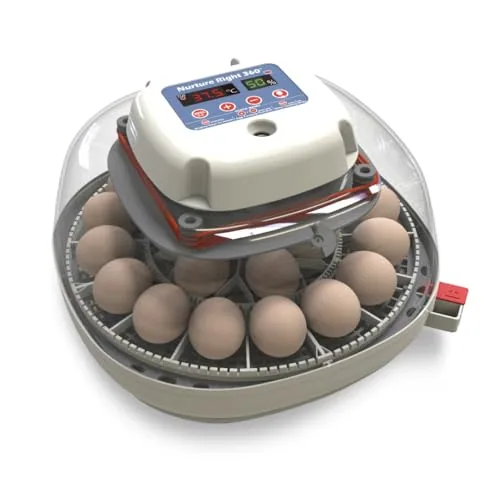
Nurture Right 360 Incubator, 22 Eggs, Auto Turner
- Egg capacity
- 22 chicken, 12–18 duck or 22–24 pheasant eggs
- Turning
- Automatic with auto-stop
- Humidity
- Display and control knob
- Fan
- Forced-air (360° induced airflow)
The Nurture Right 360 lists room for 22 chicken eggs, 12–18 duck eggs or 22–24 pheasant eggs, forced air from a 360° induced airflow design, an automatic turner that stops on its own, and a digital temperature and humidity display with a control knob. That covers the jobs most first hatches get wrong: turning, stopping the turn at lockdown and watching humidity.
Best for: Families and first-time hatchers setting one tray of chicken or duck eggs
Skip if: You want the machine to add water by itself; humidity here still comes from the water you add
- Auto turning with auto-stop
- Forced-air circulation
- Digital temperature and humidity readout
- 360° view lid
- Humidity is not automatic
- Quail need a separate 48-egg tray
- Older and newer units use different parts, so check fit before buying spares
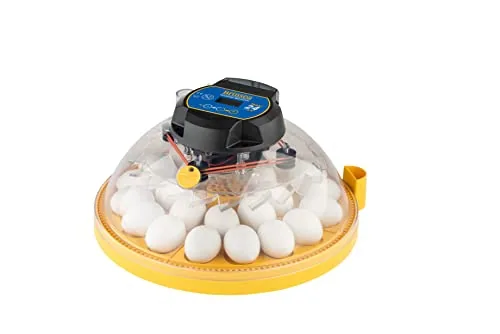
Brinsea Maxi 24 EX Incubator, Auto Humidity
- Egg capacity
- 24 chicken, 12 large, 8 jumbo or 40 small eggs
- Turning
- Automatic
- Humidity
- Automatic
- Fan
- Forced-air (fan-assisted)
Brinsea lists the Maxi 24 EX for 24 chicken, 12 large, 8 jumbo or 40 small eggs, with four quadrant inserts so you can mix sizes. It adds automatic humidity control, a %RH readout, turning status and high/low alarms on top of fan-assisted air, which removes most of the daily water guesswork.
Best for: Keepers who hatch more than once a year or set mixed species
Skip if: You only hatch a handful of eggs once; a smaller, simpler unit will do
- Automatic humidity control
- Four size-specific quadrant inserts
- Temp in °F/°C plus %RH display
- High/low alarms
- More settings to learn than a basic unit
- Mixed batches still need species-specific lockdown timing
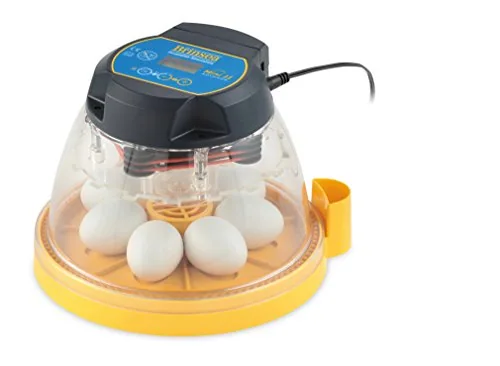
Brinsea Mini II Advance 7-Egg Incubator
- Egg capacity
- 7 chicken eggs; 12 small eggs with optional insert
- Turning
- Automatic with auto-stop
- Humidity
- Manual, external water top-up
- Fan
- Forced-air (fan-assisted)
The Mini II Advance is a clear dome for 7 chicken eggs, or 12 small eggs with an optional insert. Brinsea lists automatic turning with auto-stop, an external water top-up, fan-assisted air, a digital countdown and room-temperature plus high/low temperature alarms, which suits a classroom or a first try with a few eggs.
Best for: School projects, a first hatch or a few eggs from your own hens
Skip if: You plan to set a dozen or more eggs
- External water top-up
- Room-temp and high/low alarms
- Auto-stop turning
- Clear dome for watching
- Only 7 chicken eggs
- Small-egg insert is optional on this model
- Manual humidity
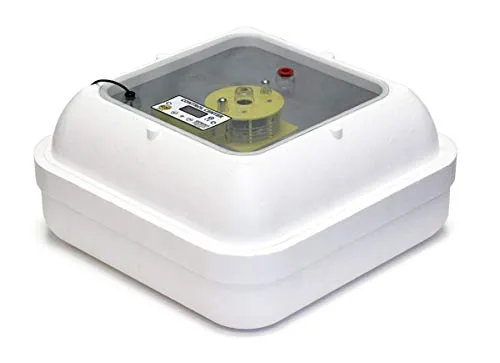
GQF 1588 Hova-Bator with 1611 Auto Turner
- Turning
- Automatic (1611 turner, 6 universal racks)
- Fan
- Forced-air (circulated air)
- Display
- Digital temperature and humidity
This listing pairs the GQF 1588 Genesis Hova-Bator, which has circulated air and a digital temperature and humidity display, with the 1611 automatic turner and six universal racks. The turner racks take partridge up to duck eggs, 41 eggs per turner per GQF, so one setup can handle chickens and ducks.
Best for: Hatching 3–4 dozen eggs per batch in a well-known cabinet design
Skip if: You want a clear lid or automatic humidity
- Turner and six universal racks bundled
- Circulated air
- Digital temperature and humidity display
- No auto-stop listed, so remove eggs from the turner at lockdown
- Humidity is managed with water by hand
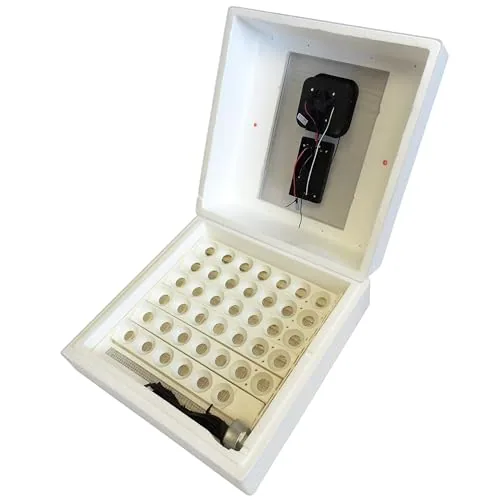
Farm Innovators 2450 Pro Digital Incubator, 41 Eggs
- Egg capacity
- 41 eggs
- Turning
- Automatic
- Humidity
- Manual, E-Z Fill water channels; built-in hygrometer
- Fan
- Forced-air
Farm Innovators lists the 2450 Pro for 41 eggs with an automatic turner, a forced-air fan, a digital temperature and humidity display, Hi/Lo alert lights, a days-to-hatch countdown and E-Z Fill water channels you top up without lifting the lid. The deep bottom tray takes duck and goose eggs.
Best for: Mid-size batches of chicken or duck eggs
Skip if: You need a visual alarm you can hear from another room; the listing describes alert lights
- 41-egg auto turner
- Water channels fill from outside
- Countdown timer
- Deep tray for larger eggs
- Humidity control is manual
- Foam body needs gentle cleaning
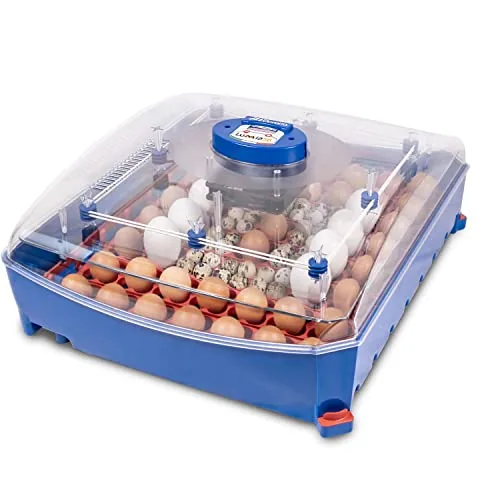
Borotto Lumia 56 Egg Incubator (Incubator Only)
- Egg capacity
- 56 large eggs or 224 small (quail, partridge)
- Turning
- Automatic, left-right, hourly cycle
- Humidity
- Manual water trays; optional humidity pump sold separately
- Display
- Automatic temperature control
The Borotto Lumia 56 lists 56 large eggs or 224 small eggs such as quail or partridge on a universal tray that holds eggs upright, with automatic left-right turning on an hourly cycle and automatic temperature control. Humidity comes from built-in water trays, or from an optional pump that draws from an external bottle.
Best for: Larger hatches or mixed quail, chicken and goose eggs
Skip if: You want a humidity readout and auto-refill in the box; the pump is sold separately
- 56 large or 224 small eggs
- Universal upright tray
- Optional external humidity pump
- Humidity pump costs extra
- Alarm details are not listed
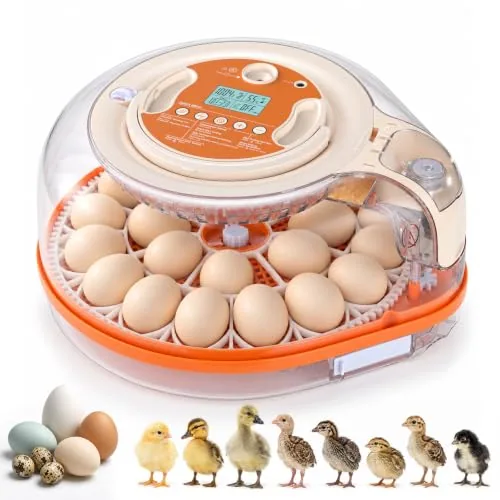
Onya 26 Pro Egg Incubator with LED Candler
- Egg capacity
- 26 chicken or 59 quail eggs
- Turning
- Automatic
- Humidity
- 500 mL auto-refill reservoir
- Display
- Temperature and humidity alerts; LED candler
Onya lists the 26 Pro for 26 chicken or 59 quail eggs, with automatic turning, a 500 mL auto-refill reservoir for the humidity base, temperature and humidity alerts, a built-in LED candler and presets for chicken, duck, goose, quail and turkey.
Best for: Beginners who want presets and fewer water top-ups
Skip if: You prefer a long-established brand with published manuals and parts
- 500 mL auto-refill reservoir
- Five species presets
- Swap trays for quail
- Built-in candler
- Presets still need checking with a separate thermometer
- Listing does not state fan type
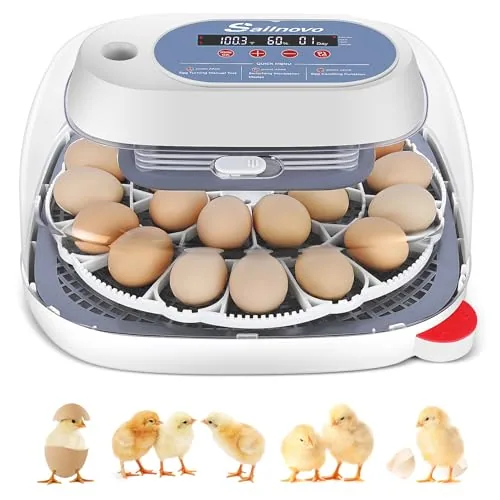
Sailnovo 24-Egg Incubator, 4 Modes
- Egg capacity
- 24 eggs
- Turning
- Automatic every 2 hours; stops 3 days before hatch
- Humidity
- Manual, external A/B ports and air vent
- Fan
- Forced-air
The Sailnovo 24 lists forced air, automatic turning every 2 hours that stops 3 days before hatch, external A/B water ports and a vent, a humidity alarm, a built-in candler and memory backup that resumes after a power cut.
Best for: Budget-minded first hatches of up to two dozen eggs
Skip if: You want automatic humidity or a long track record
- Auto-stop 3 days before hatch
- Memory backup after power cuts
- External water ports
- Manual humidity
- Verify the built-in sensors with your own hygrometer
Egg incubators compared side by side
The table pulls each incubator's listed specs. A dash means the listing does not give that detail, so check the maker's manual before you buy.
| Product | Egg capacity | Turning | Humidity | Fan | Display |
|---|---|---|---|---|---|
| Nurture Right 360 Incubator, 22 Eggs, Auto Turner | 22 chicken, 12–18 duck or 22–24 pheasant eggs | Automatic with auto-stop | Display and control knob | Forced-air (360° induced airflow) | Digital temperature and humidity |
| Brinsea Maxi 24 EX Incubator, Auto Humidity | 24 chicken, 12 large, 8 jumbo or 40 small eggs | Automatic | Automatic | Forced-air (fan-assisted) | Temp °F/°C, %RH, turning status; high/low alarms |
| Brinsea Mini II Advance 7-Egg Incubator | 7 chicken eggs; 12 small eggs with optional insert | Automatic with auto-stop | Manual, external water top-up | Forced-air (fan-assisted) | Digital countdown; room-temp and high/low temp alarms |
| GQF 1588 Hova-Bator with 1611 Auto Turner | — | Automatic (1611 turner, 6 universal racks) | — | Forced-air (circulated air) | Digital temperature and humidity |
| Farm Innovators 2450 Pro Digital Incubator, 41 Eggs | 41 eggs | Automatic | Manual, E-Z Fill water channels; built-in hygrometer | Forced-air | Digital temp and humidity, Hi/Lo lights, countdown |
| Borotto Lumia 56 Egg Incubator (Incubator Only) | 56 large eggs or 224 small (quail, partridge) | Automatic, left-right, hourly cycle | Manual water trays; optional humidity pump sold separately | — | Automatic temperature control |
| Onya 26 Pro Egg Incubator with LED Candler | 26 chicken or 59 quail eggs | Automatic | 500 mL auto-refill reservoir | — | Temperature and humidity alerts; LED candler |
| Sailnovo 24-Egg Incubator, 4 Modes | 24 eggs | Automatic every 2 hours; stops 3 days before hatch | Manual, external A/B ports and air vent | Forced-air | Humidity alarm; memory backup after power cuts; candler |
Specs as listed by the maker or seller; check the listing before you buy.
Listed chicken-egg capacity
Standard chicken eggs per batch as stated in each listing (GQF figure is per 1611 turner)
What temperature and humidity does an egg incubator need?
Chicken eggs take 21 days. Mississippi State University (MSU) Extension gives about 100°F for forced-air incubators and adds 2–3°F for still-air units, measured at the top of the eggs. Brinsea gives 45–50% relative humidity for chickens, then 65% or more for the last three days. Ducks and quail differ, so use the full table:
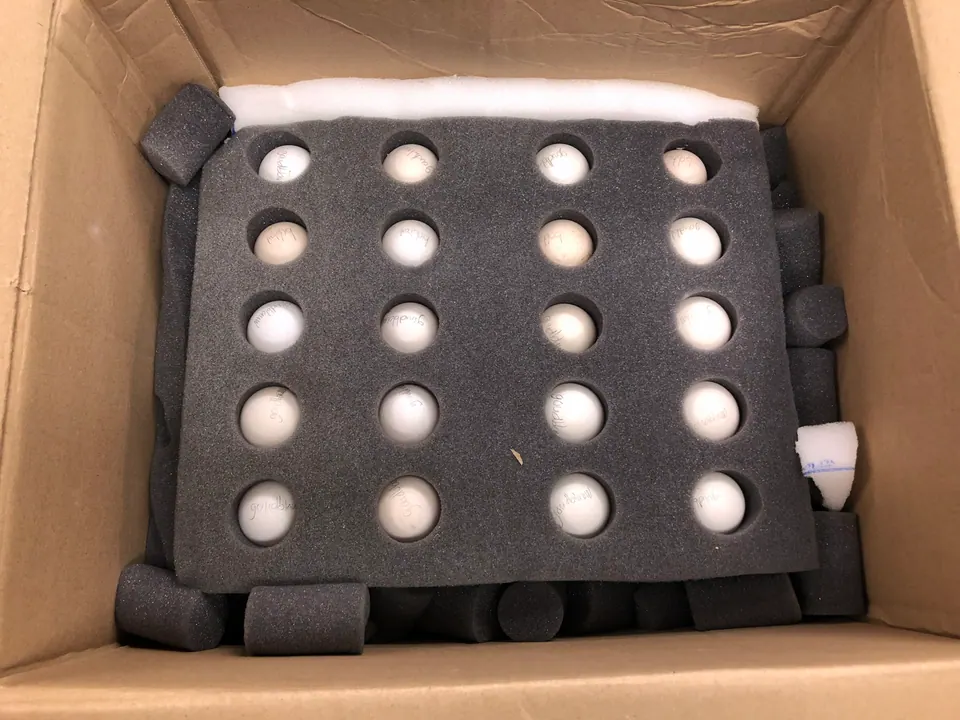
Incubation by species: forced-air settings, with the still-air offset
| Species | Days to hatch | Forced-air temp | Still-air temp | Wet-bulb, days 1 to lockdown → last 3 days | Relative humidity | Stop turning (day) |
|---|---|---|---|---|---|---|
| Chicken | 21 | 100°F (37.8°C) | 102–103°F | 85–87°F → 90°F | 45–50% → 65% or more | 18 |
| Duck (most breeds) | 28 | 100°F (37.8°C) | 102–103°F | 85–86°F → 90°F | 55–60% → 70% or more | 25 |
| Muscovy duck | 35–37 | 100°F (37.8°C) | 102–103°F | 85–86°F → 90°F | 58–60% → 65% or more | 31 |
| Coturnix quail | 17 | 100°F (37.8°C) | 102–103°F | 85–86°F → 90°F | 40–50% → 65% or more | 15 |
| Bobwhite quail | 23–24 | 100°F (37.8°C) | 102–103°F | 84–87°F → 90°F | 40–50% → 65% or more | 20 |
| Turkey | 28 | 99°F (37.2°C) | 101–102°F | 84–86°F → 90°F | 58–60% → 65% or more | 25 |
| Goose | 28–34 | 99°F (37.2°C) | 101–102°F | 86–88°F → 90°F | 58–60% → 65% or more | 25 |
| Guinea fowl | 28 | 100°F (37.8°C) | 102–103°F | 85–87°F → 90°F | 58–60% → 65% or more | 25 |
| Pheasant | 23–28 | 100°F (37.8°C) | 102–103°F | 86–88°F → 92°F | 58–60% → 65% or more | 21 |
| Peafowl | 28–30 | 99°F (37.2°C) | 101–102°F | 84–86°F → 90°F | 58–60% → 65% or more | 25 |
| Chukar partridge | 23–24 | 100°F (37.8°C) | 102–103°F | 81–83°F → 90°F | 58–60% → 65% or more | 20 |
Days, temperatures, wet-bulb and stop-turning days: Mississippi State University Extension, Important Incubation Factors. Still-air: add 2–3°F, measured at the top of the eggs (MSU). Relative humidity: Brinsea, Humidity during incubation for chickens, ducks and quail; other species show MSU's general 58–60%. Follow your incubator's manual first.
The incubation calculator turns your set date into candling days, the stop-turning (lockdown) day and the expected hatch window for each species, and the incubation chart by species explains wet-bulb versus %RH.
How to choose an egg incubator in five steps
- Count eggs and sizes
Write down how many eggs you will set and which species. Listed capacity is for standard chicken eggs; duck, goose and turkey eggs take two to three times the space, and quail need small-egg inserts or rails.
- Pick forced air
A fan spreads heat evenly so every egg sees the same temperature. Still-air units run warmer at the top and need careful thermometer placement (MSU adds 2–3°F).
- Insist on automatic turning
MSU calls for turning at least 4–6 times a day and stopping for the last 3 days. An auto-stop or a countdown that reminds you is worth having; otherwise you must lift eggs off the turner at lockdown.
- Decide how you will add water
External fill ports or channels let you add water without opening the lid. Automatic humidity (Brinsea EX, Onya's reservoir) does more of the work, which helps if you are away during the day.
- Plan the room
Put the incubator in a room with a steady temperature, out of sun and drafts. Add a separate hygrometer, and print a hatch log to record readings.
Common incubator mistakes to avoid
- Trusting the display alone. A second thermometer at egg height catches sensor drift before it costs you the batch.
- Setting more eggs than the tray holds. Capacity numbers are for standard chicken eggs; large duck eggs do not fit the same cups.
- Forgetting lockdown. Stop turning on the species' stop-turning day (day 18 for chickens per MSU) and raise humidity, or the chicks may struggle to position for hatching.
- Opening the lid during hatch. Each opening drops humidity just when pipping chicks need it most.
- Skipping a test run. Run the empty incubator for 24–48 hours and confirm it holds temperature before setting eggs.
- Placing it by a window or heater. Room swings show up inside a small incubator within minutes.
Which incubator fits your situation?
Quick match by situation
| Your situation | Look at | Why |
|---|---|---|
| First hatch, up to two dozen chicken eggs | Nurture Right 360 | Auto-stop turning, forced air, humidity display |
| You are away all day | Brinsea Maxi 24 EX | Automatic humidity and alarms |
| Classroom or a handful of eggs | Brinsea Mini II Advance | 7 eggs, room-temp alarm, external top-up |
| 3–4 dozen eggs per batch | GQF 1588 with turner or Farm Innovators 2450 Pro | 41-egg turners |
| Quail plus larger eggs | Borotto Lumia 56 | 224 small or 56 large on one universal tray |
| Tight budget | Sailnovo 24 or Onya 26 Pro | Auto-stop or auto-refill water at a lower spec level |
If you mostly hatch one species, see the narrower lists for quail incubators, duck egg incubators and the best incubator for beginners. Planning chicks? Line up a brooder before hatch day with the heat plate picks.
Browse every incubator, candler and turner in the incubation and hatching category, or start from hatching at home or school.
For most home hatches, the Nurture Right 360 covers the essentials: forced air, auto turning that stops by itself, and a humidity display. Step up to the Brinsea Maxi 24 EX if you want automatic humidity and mixed egg sizes, or choose the Brinsea Mini II Advance for a small classroom hatch. Whatever you buy, verify it with your own thermometer-hygrometer and follow the manual.
We compared listed specs for each incubator: chicken-egg and small-egg capacity, forced or still air, turner type and whether it stops for lockdown, how humidity is added or controlled, displays and alarms. We checked incubation settings against Mississippi State University Extension, Brinsea's published humidity guidance and 4-H embryology materials. We did not hatch eggs in these incubators and we make no hatch-rate claims; results depend on egg fertility, handling and room conditions.