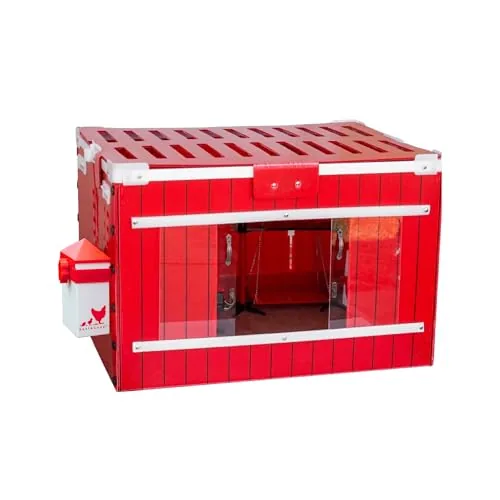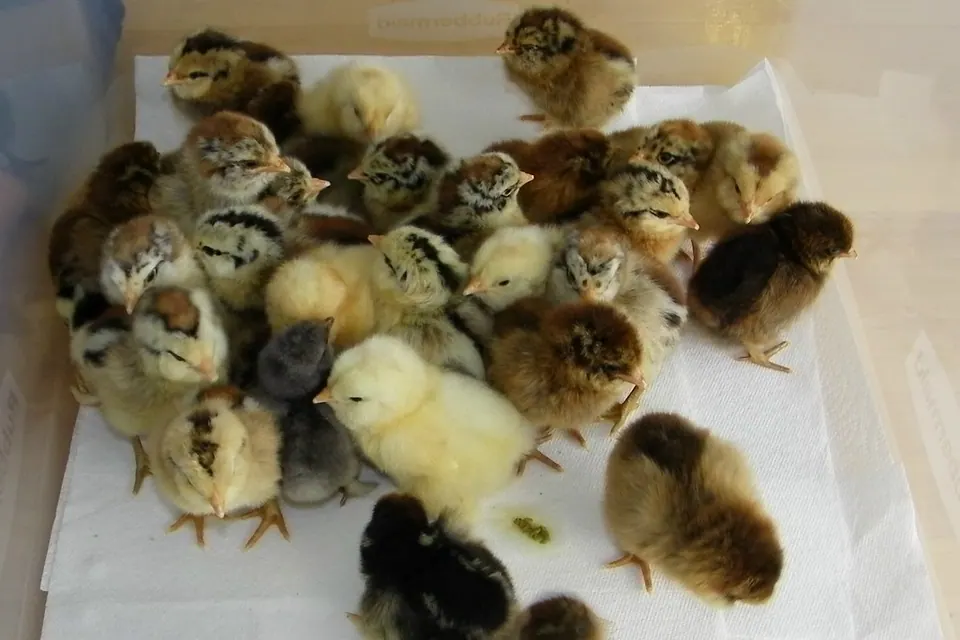
Brinsea
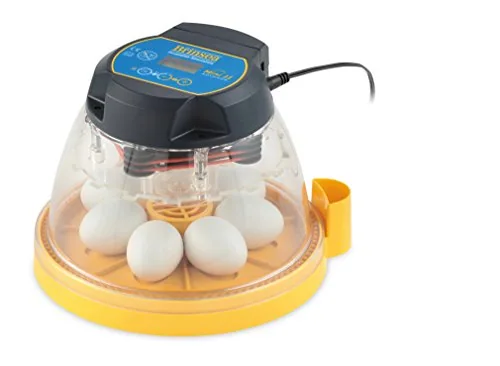
Brinsea Mini II Advance 7-Egg Incubator
- Egg capacity
- 7 chicken eggs; 12 small eggs with optional insert
- Turning
- Automatic with auto-stop
- Humidity
- Manual, external water top-up
Best for Small first hatches at home
A hatching project takes about four weeks for chickens: 21 days in the incubator, then a few days in a brooder before the chicks go to their new home. Plan the end before the start. Many 4-H embryology programs and hatcheries ask schools to arrange homes for the chicks in advance, because returning them is often not possible.
Best for Small first hatches at home
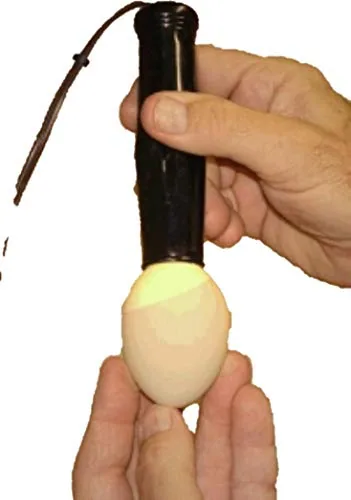
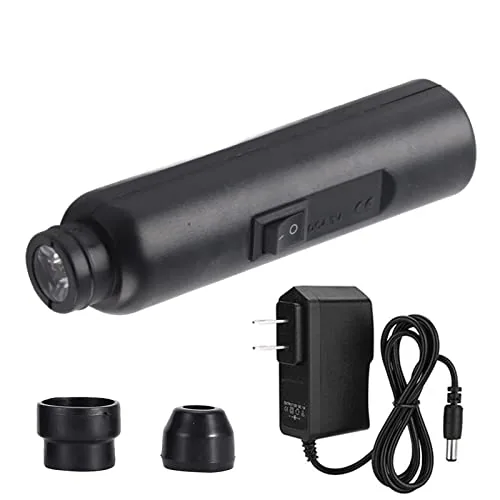
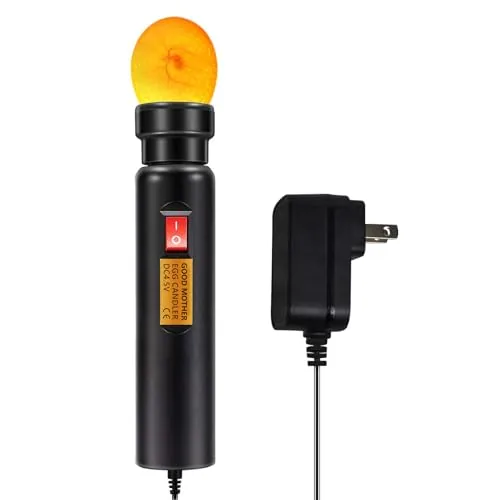
Best for Basic egg candling
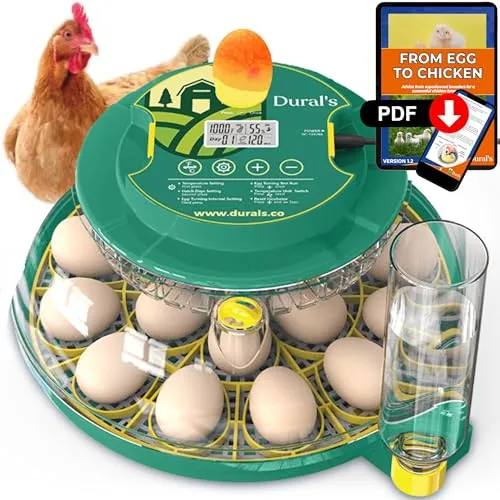
Best for Small mixed hatches
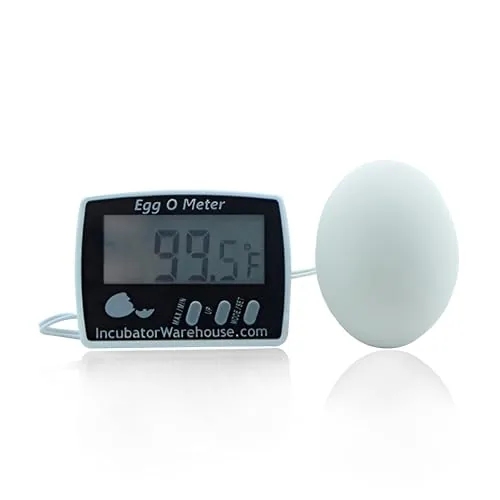
Best for Checking an incubator's real egg temperature
Best for Budget hatches with hands-on turning
Best for Candling several egg sizes
Best for Frequent candling at a bench
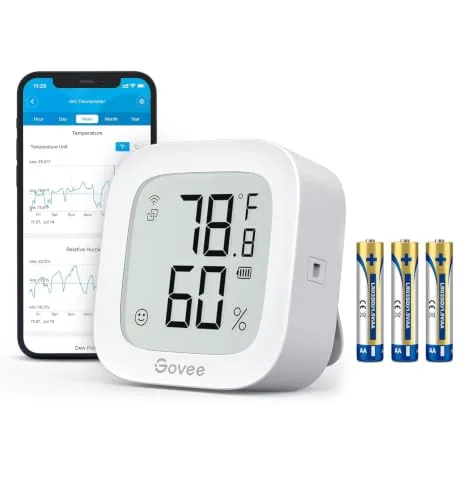
Best for General room monitoring
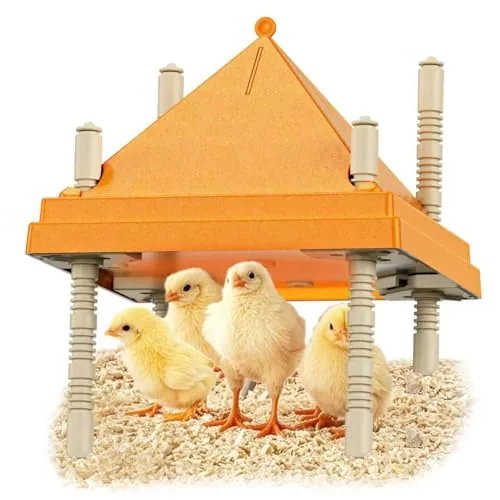
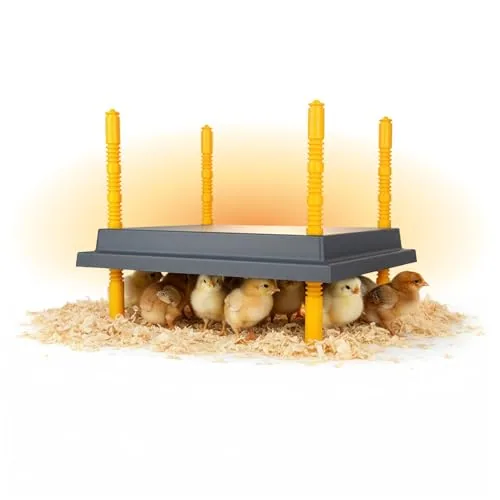
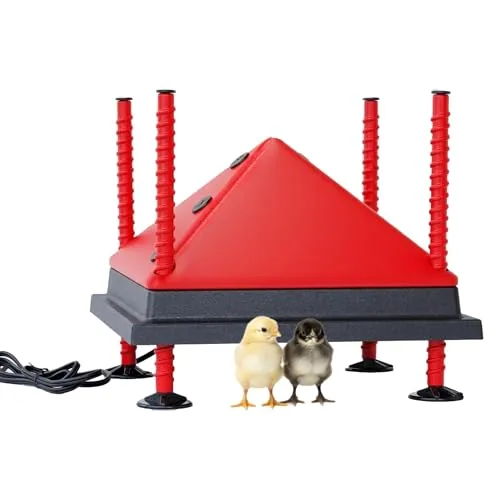
Best for Small batches of chicks
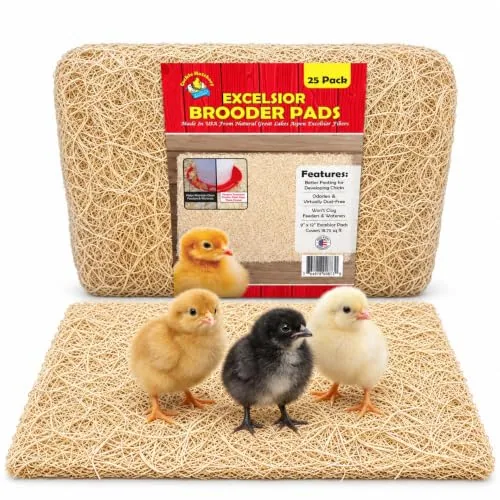
Best for Lining a brooder for week one
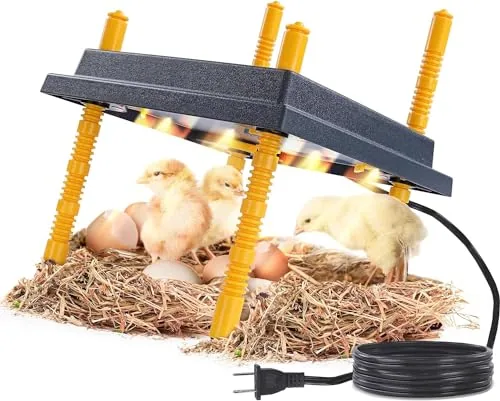
Best for Small backyard chick batches
Best for Home batches up to 20
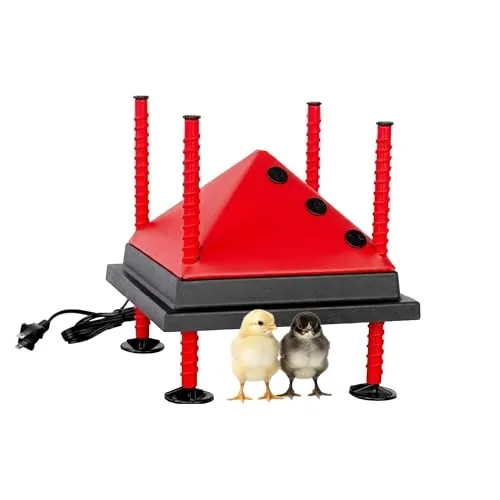
Best for Small batches of up to 15
Best for A ready-made first brooder
Best for Home batches up to 20
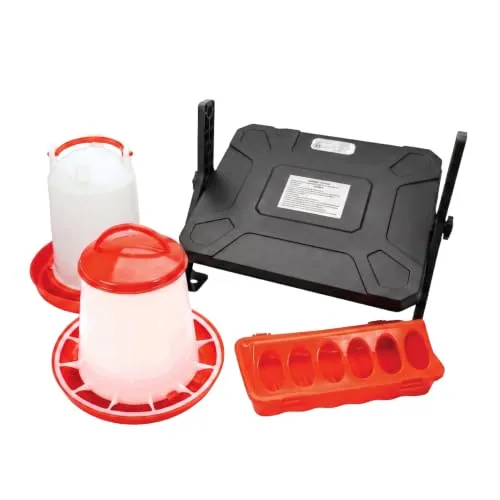
Best for First-time chick keepers
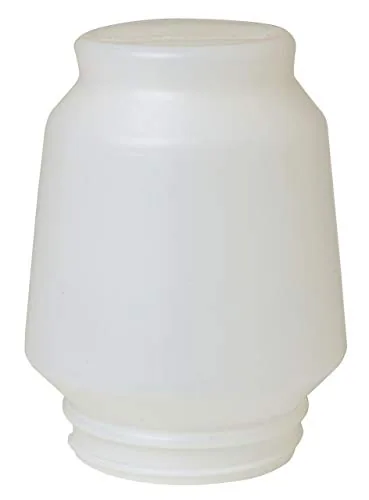
Best for Replacing a chick feeder or waterer jar
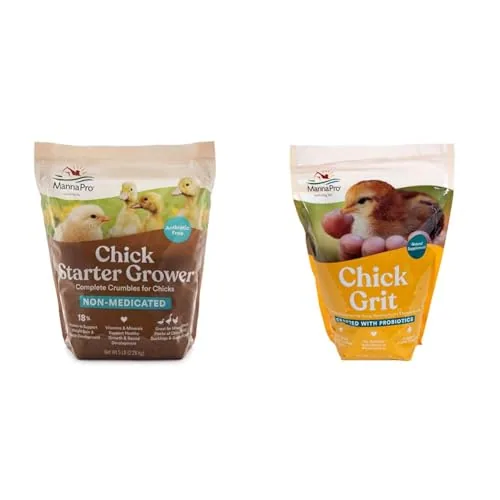
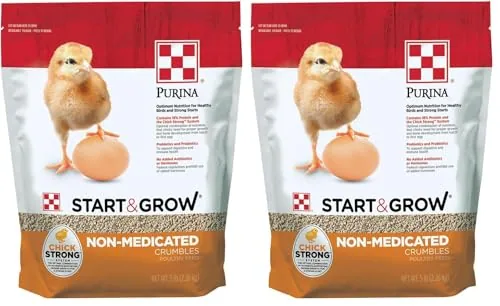
Best for Raising chicks into hens
Best for Chicks, quail and bantams
Best for Brooders and tiny flocks
Best for Newly hatched chicks
Best for Meat birds from day one
Best for New chicks and ducklings
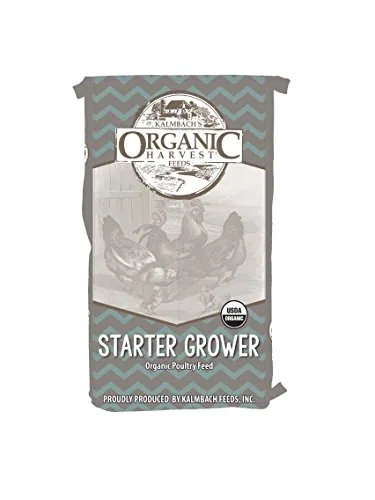
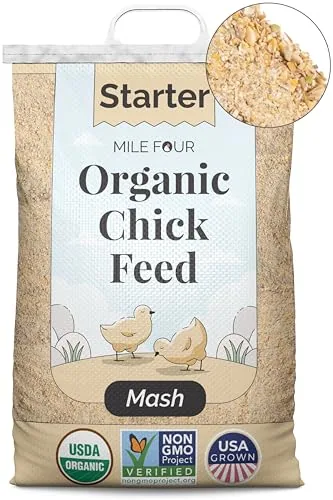
Best for Organic chick rearing
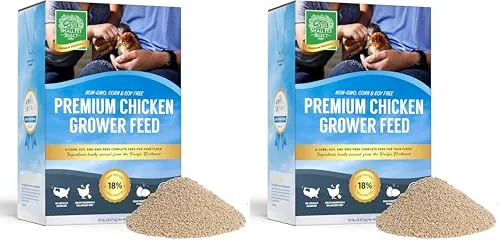
Best for First chicks
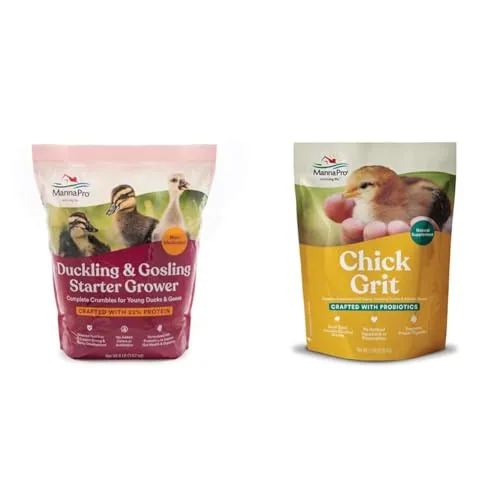
Best for Growing pullets and ducklings
Best for Growing pullets
Best for Raising ducklings
Best for Brooders and small coops
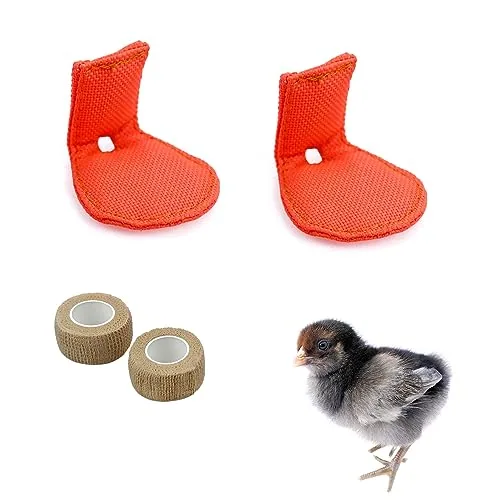
Best for Hatchers with a splay-legged chick
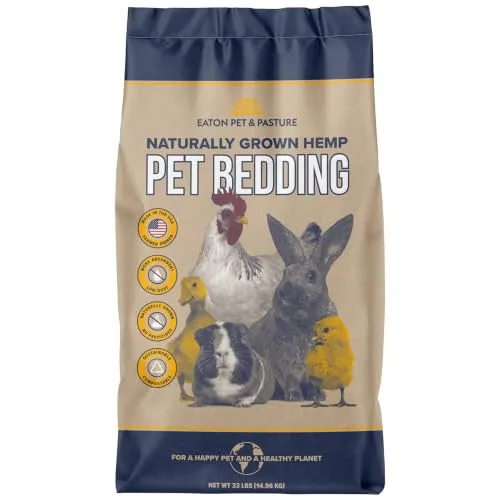
Best for Nest boxes and brooders
Best for Everyday coop bedding
Best for First hatching projects
Best for Families starting a flock
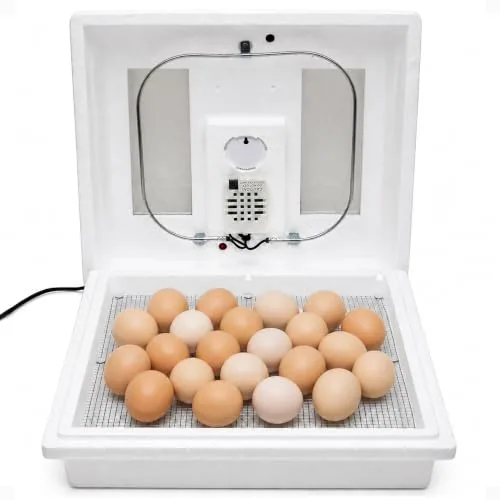
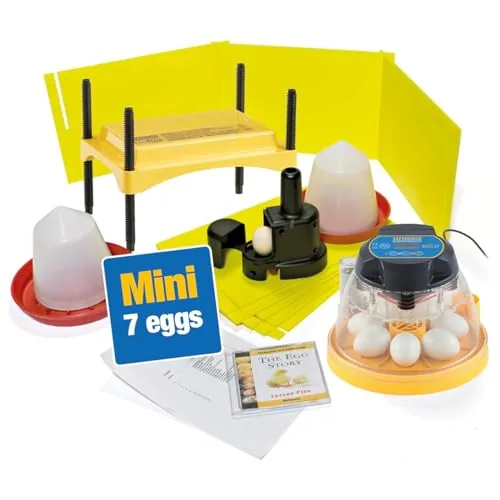
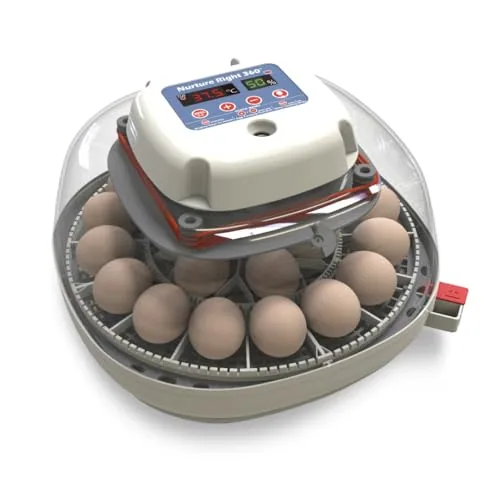
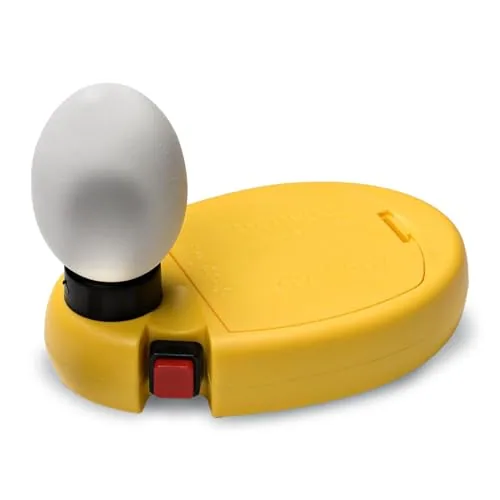
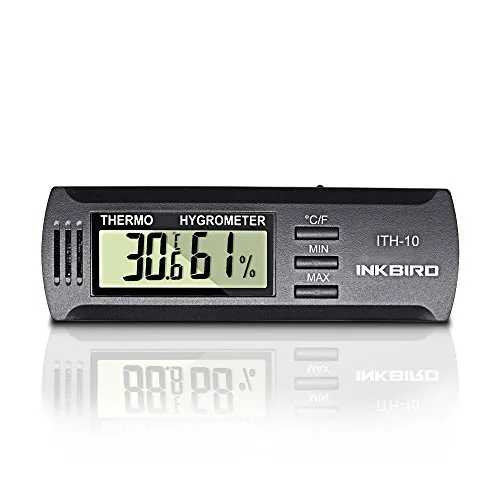
The Brinsea Mini II Advance Classroom Kit bundles a 7-egg incubator with an egg viewer and a brooder plate. The Nurture Right 360 holds 22 chicken eggs with a full view from above, which works well for a group watching. Add a bright candler and a second hygrometer.
Best for School and homeschool hatching projects
Best for Family first hatches
Best for Candling pale chicken and duck eggs
Best for General humidity checks
Best for Small batches of up to 15
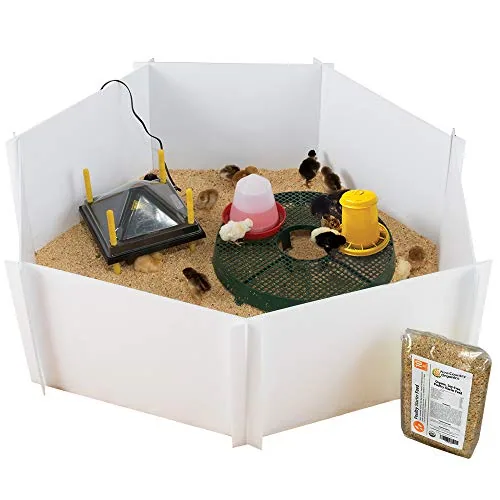
Best for A complete small first brooder
Best for First-time chick keepers
Keep the incubator and brooder away from lunch tables and sinks used for food. More in hatching projects at school and home and how to candle eggs.
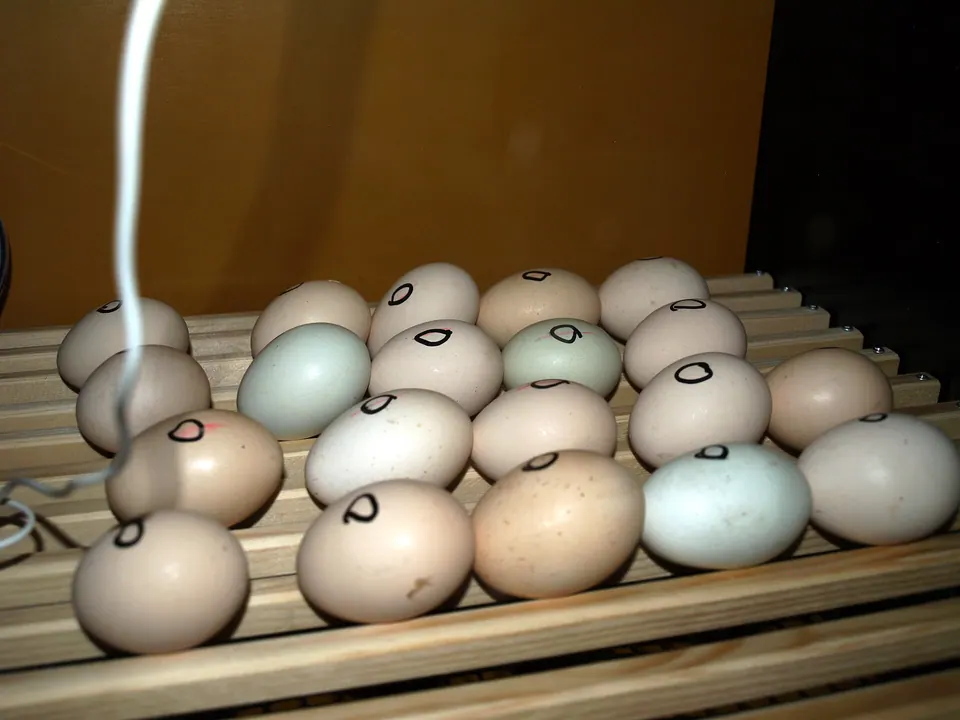 Best of
Best egg incubators compared by listed specs: egg capacity, forced air, auto turning with lockdown stop and humidity…
 Best of
Best incubator for beginners, picked by listed specs: automatic turning that stops for lockdown, forced air, outside…
 Best of
Best quail incubators compared by listed small-egg capacity, quail trays or rails, turning and humidity, for coturnix…
 Best of
Best incubators for duck eggs compared by listed large-egg capacity, tray fit, turning and humidity, with MSU and…
 Best of
Best egg candlers compared by listed light, power and egg fit: high-intensity LEDs for dark or speckled shells,…
 Best of
Best automatic egg turners compared by listed capacity, turning cycle and incubator fit, plus quail rails and trays…