Premier 1 Supplies
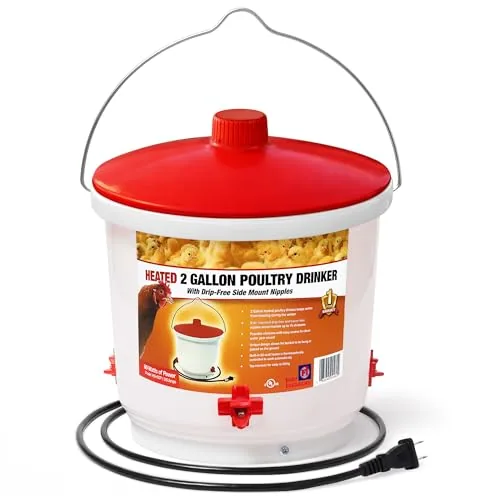
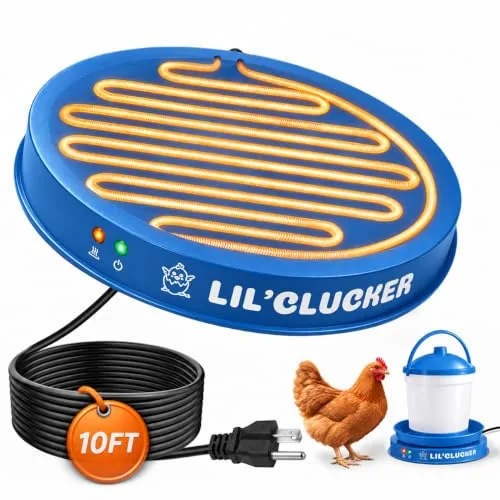
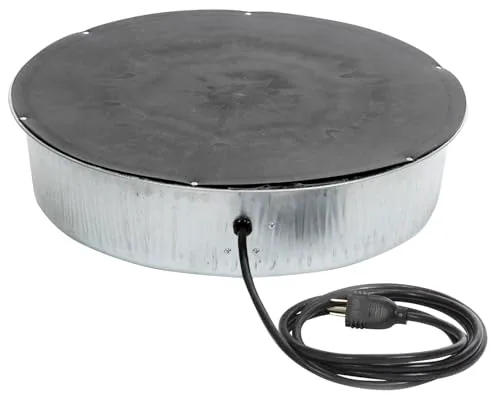
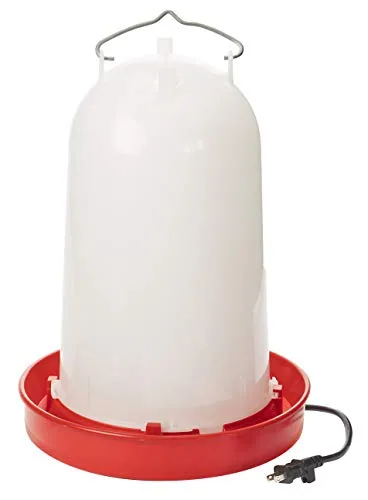
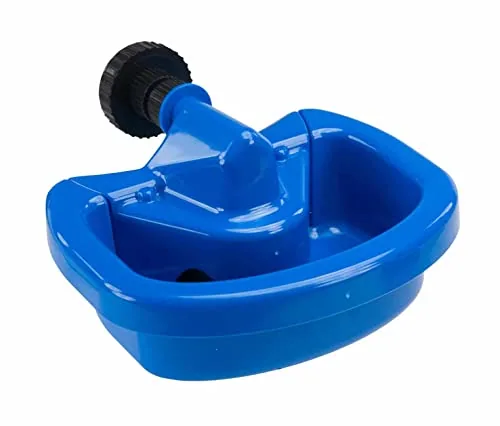
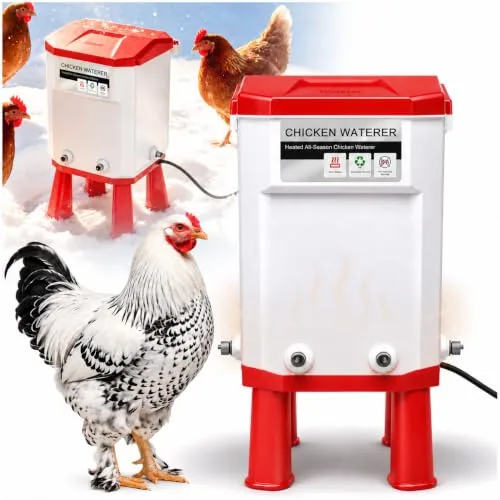
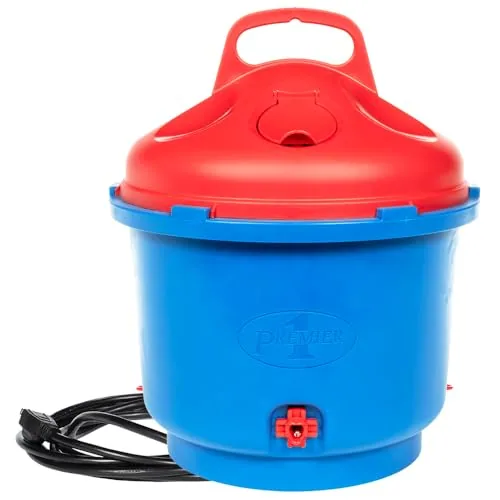
Premier 1 All-Season Heated Waterer, 3 Gal
- Type
- Nipple (3 recessed)
- Capacity
- 3 gal
- Heated
- 100 W
Best for Cold-winter flocks
Heated waterers and bases, draft-free ventilation, run covers, winter lighting and safer heat, with fire-safety rules from fire marshals and UMN Extension.
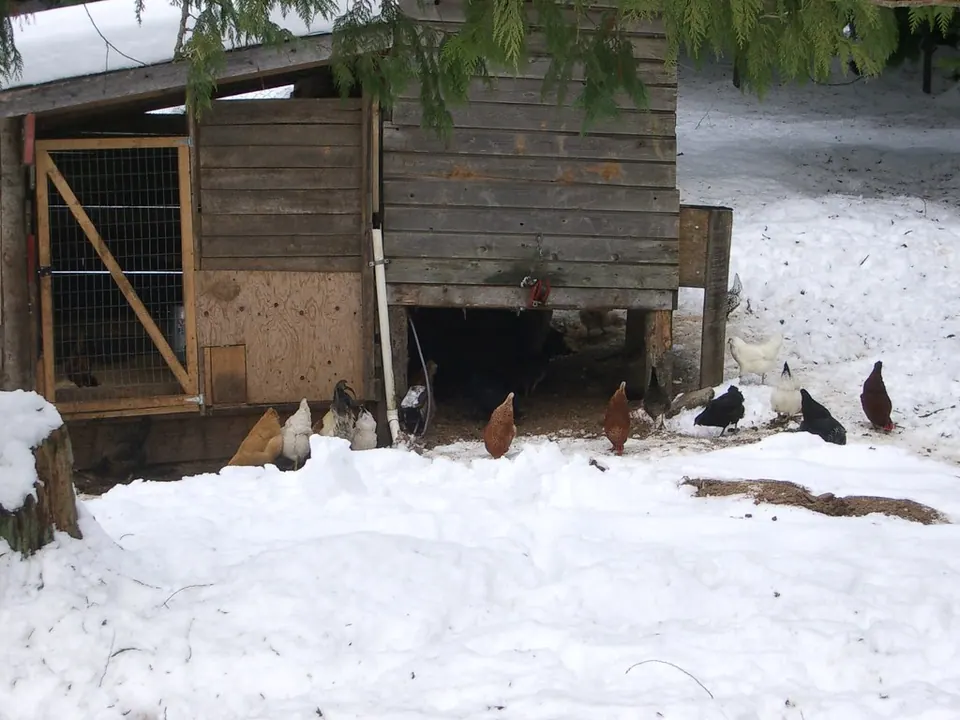
Winter chicken care is mostly about water, dryness and wind. University of Minnesota Extension notes that healthy, fully feathered hens handle cold well in a dry, draft-free coop. Moist air from breath and droppings is the bigger risk, because damp combs and wattles are the ones that get frostbite. So keep vents open high under the roof, block drafts at roost level, and keep water from freezing.
Best for Cold-winter flocks
Best for Small flocks in freezing weather
Best for Keeping one drinker ice-free
Best for Heating a DIY bucket waterer
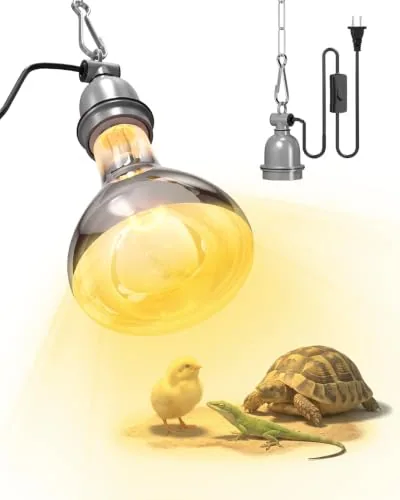
Best for Brooding, then winter coop backup heat
Best for Traditional lamp brooding with care
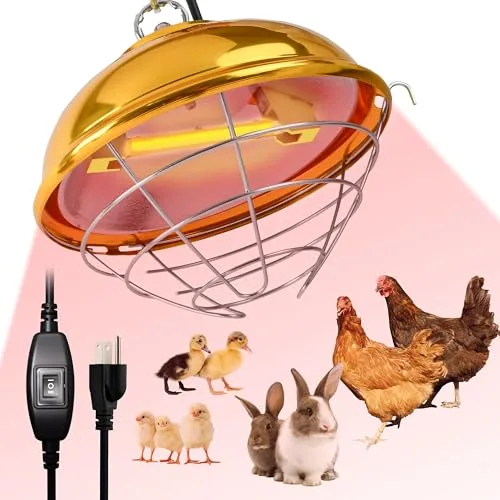
Best for Lamp brooding with a guard
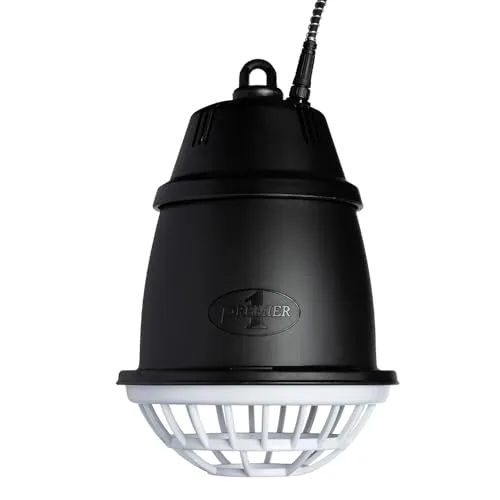
Best for Supplemental heat in damp barns
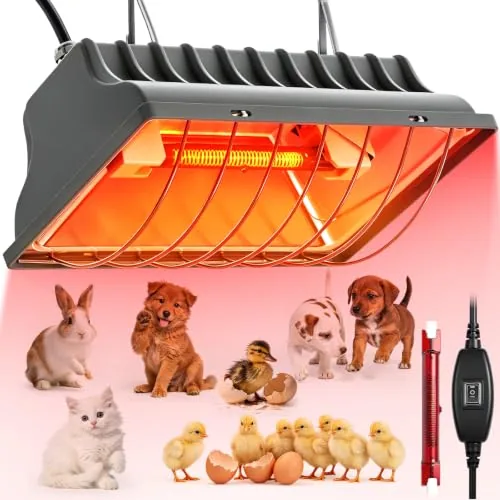
Best for Keepers who must use a lamp
Best for Spot heat in a small coop
Best for Cold-climate coops
Best for Small flocks wanting low upkeep
Best for Larger flocks wanting plastic
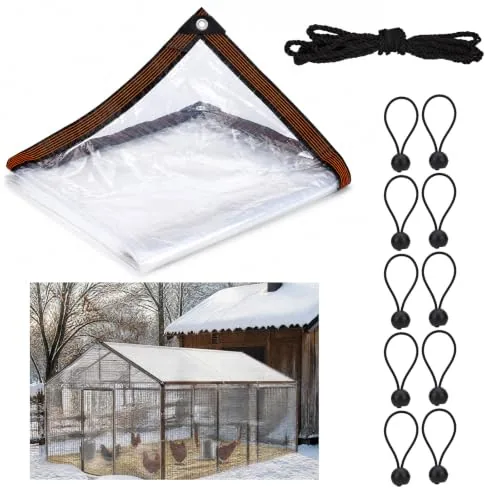
Best for Covering a small run in wet weather
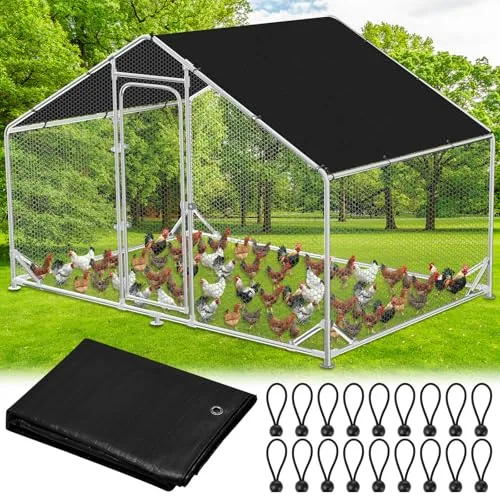
Best for Covering a walk-in run
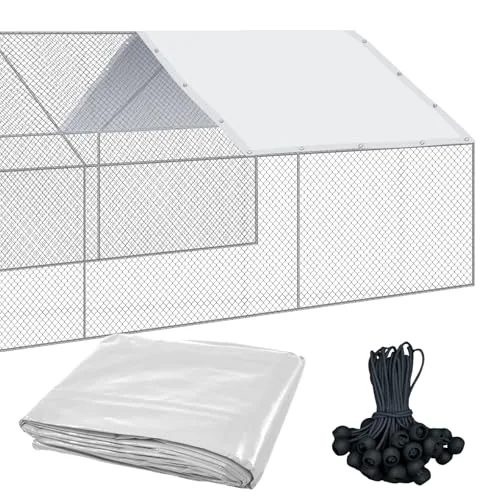
Best for Winterizing a walk-in run
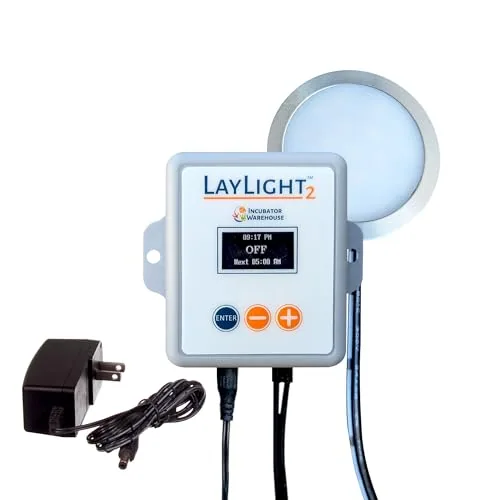
Best for Adding winter light to a small coop
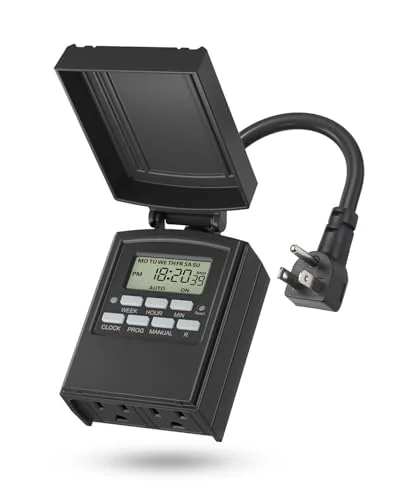
Best for Scheduling a plug-in coop light
Best for Off-grid coops with heavier doors
Best for Scheduling plug-in coop lighting
Best for Light-duty winter watering
Best for Keeping water open in winter
Best for Keeping one drinker ice-free
Best for Metal founts in cold climates
Best for One-piece winter watering
Best for DIY heated bucket waterers
Best for Freeze-free nipple watering
Best for Heating a DIY bucket waterer
Best for Winterizing two metal founts
Best for Cold-winter flocks
Best for Winter boredom busting
Best for Cold-climate coops
Best for Brooding, then winter coop backup heat
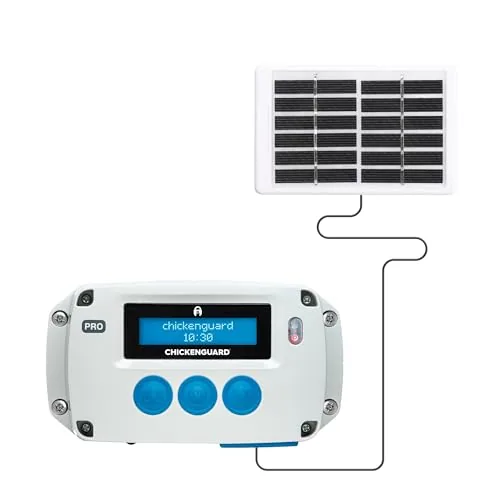
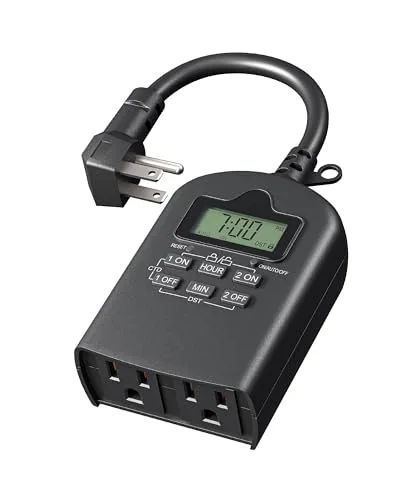
Hens lay less as days shorten. A coop light on a timer, such as the AutoCoop LayLight2, can add morning light if you choose to, but extra light is optional and many keepers let hens rest. A solar door rated for the cold, like the ChickenGuard PRO Solar (listed to -4°F), keeps the routine running on short days.
Best for Adding winter light to a small coop
Best for Scheduling a plug-in coop light
Best for Off-grid coops with heavier doors
A clear or tarp run cover keeps snow out of the run so hens go outside on cold, dry days. It also keeps wild birds from feed and water, which matters because bird flu spreads mainly from wild birds (USDA APHIS).
Best for Winterizing a walk-in run
Best for Covering a small run in wet weather
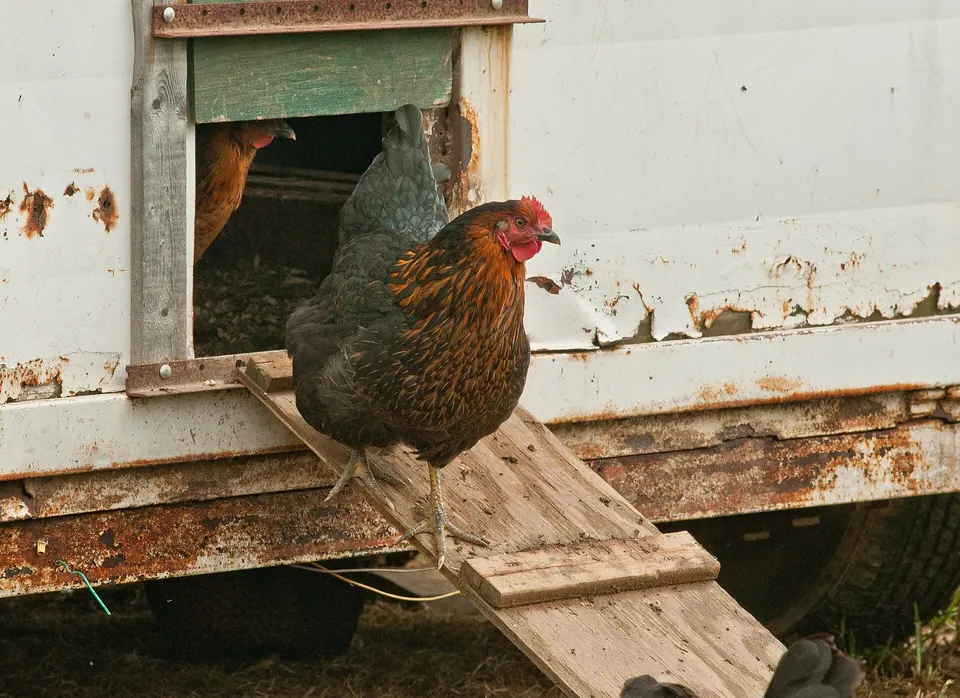 Best of
Best automatic chicken coop doors compared by listed trigger, power, lift capacity, door size, safety stop and cold…
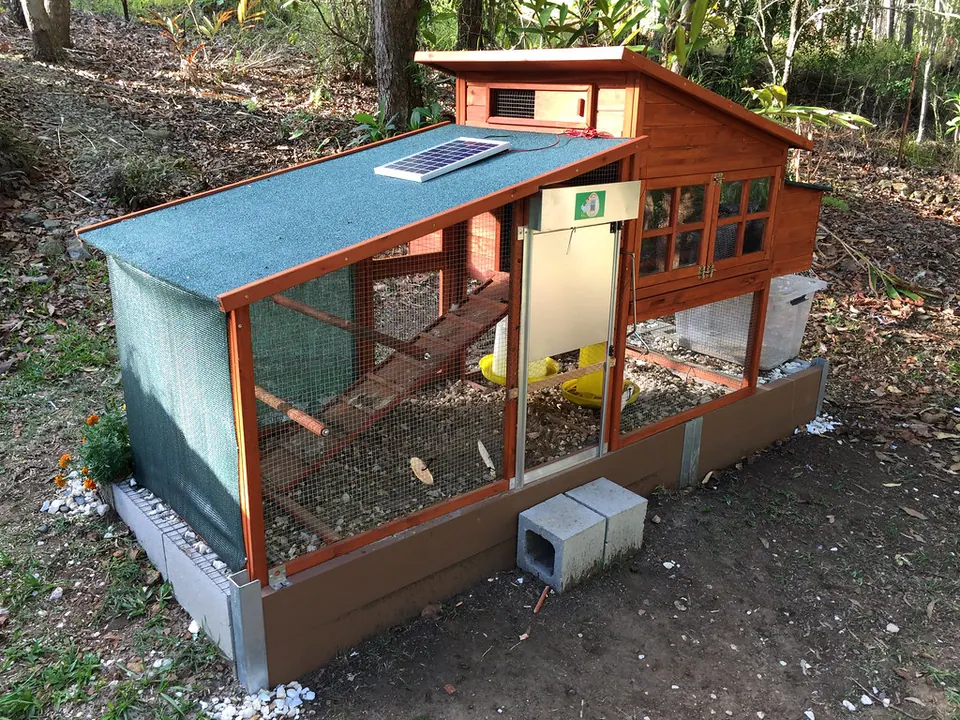 Best of
Best solar chicken coop doors compared by listed panel, battery, trigger, lift and cold rating, from ChickenGuard and…
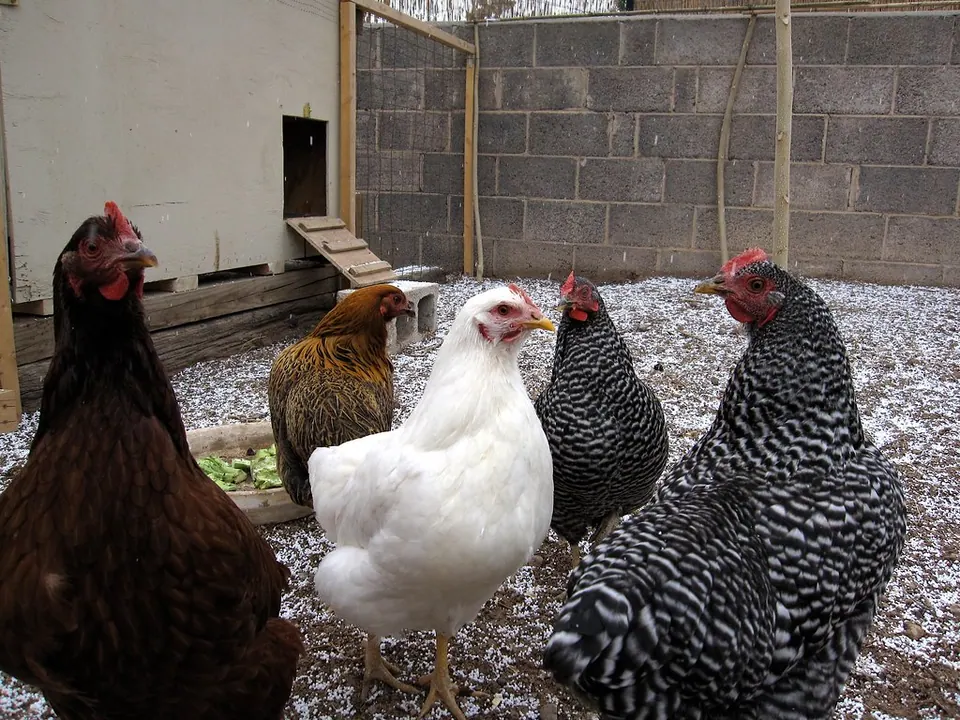 Best of
Best heated chicken waterers and bases compared by listed wattage and freeze rating, with electrical and coop fire…
VersusRun-Chicken vs ChickenGuard compared by listed specs: app vs LCD control, all-in-one door vs lift motor, battery and…
 Versus
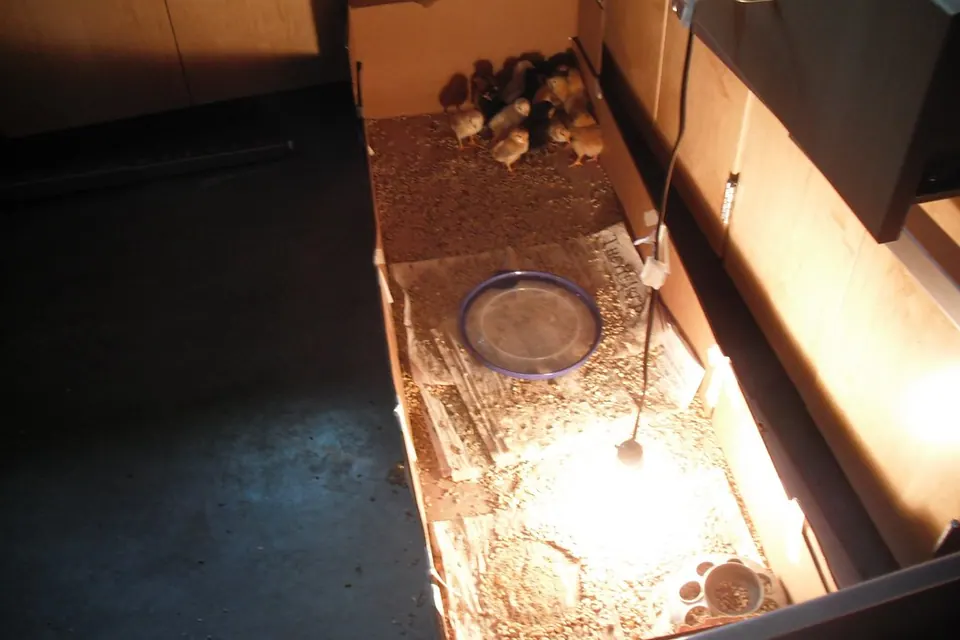
Heat plate vs heat lamp for chicks: fire safety per fire marshals and Penn State, listed wattage, chick capacity and…
 Versus
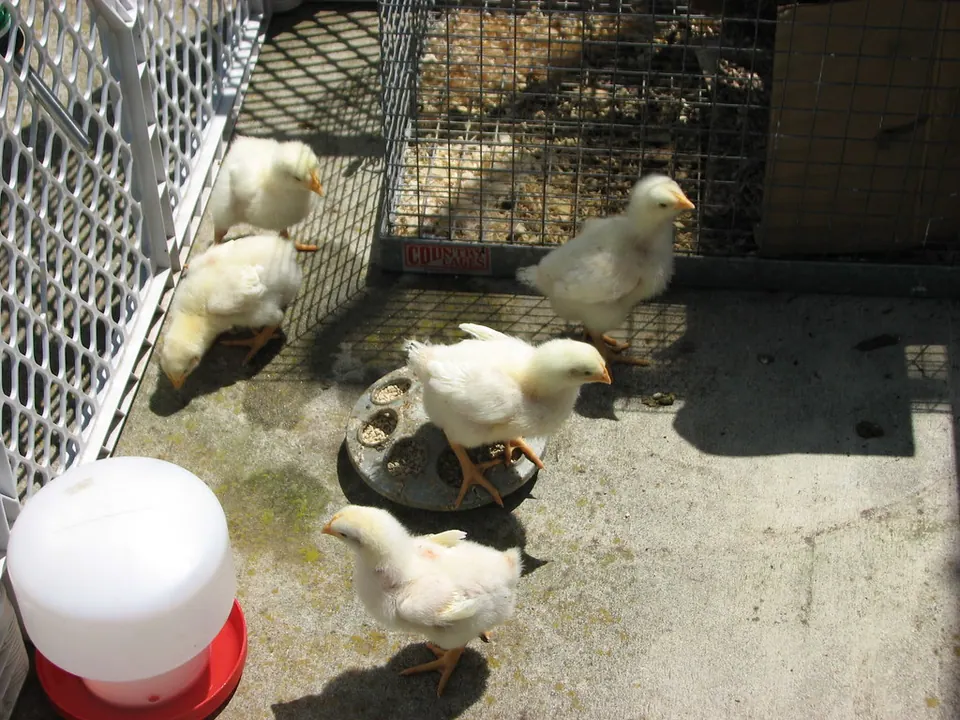
Nipple vs cup waterer for chickens: how each works, listed kits and heated drinkers, freezing, training, cleaning and…