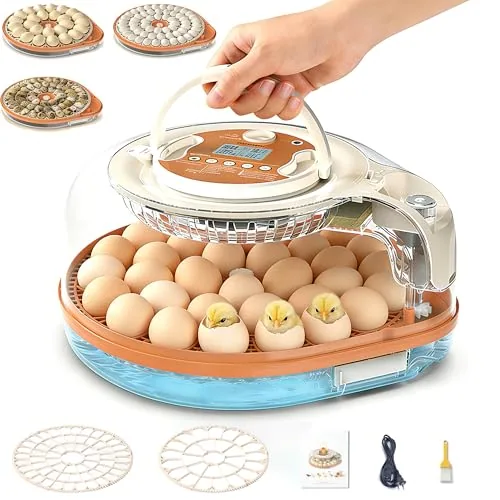
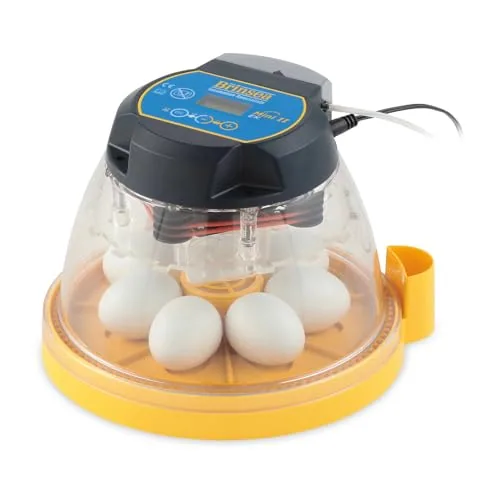
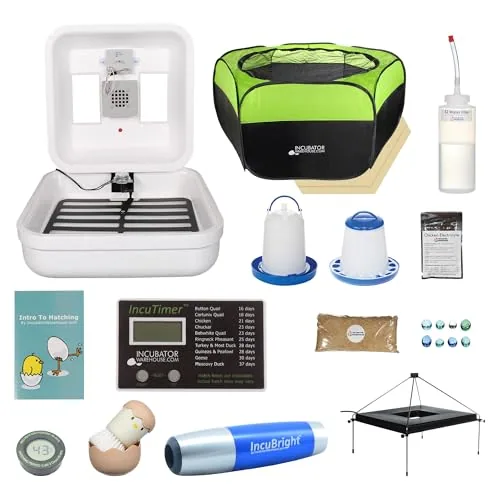
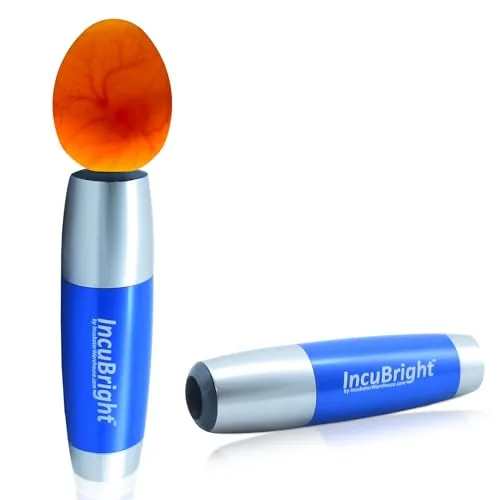
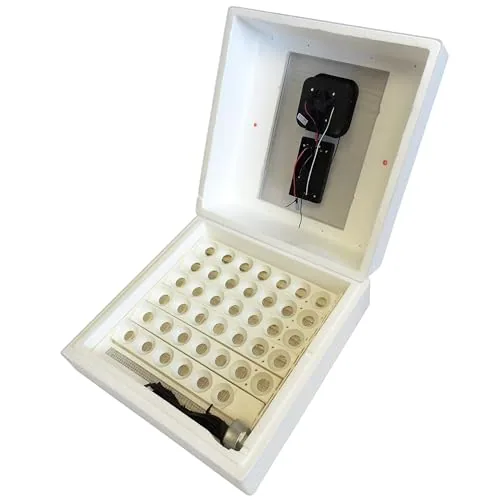
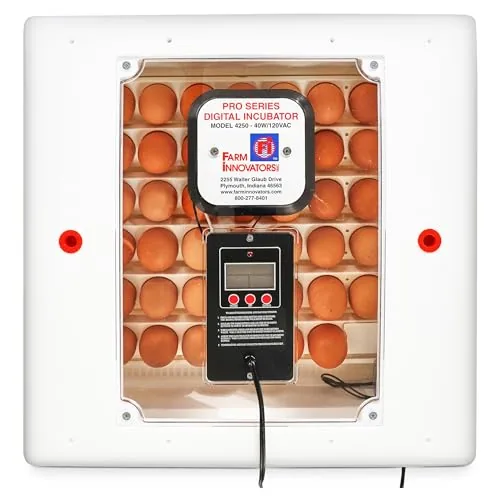
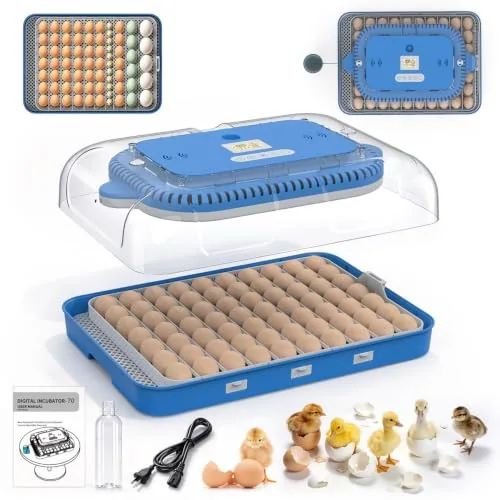
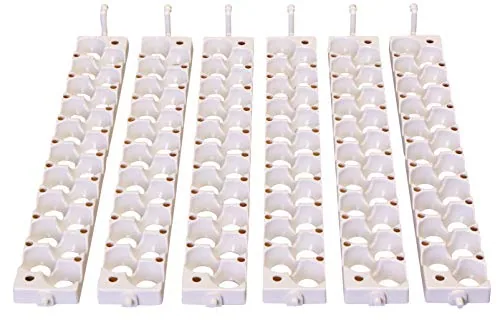
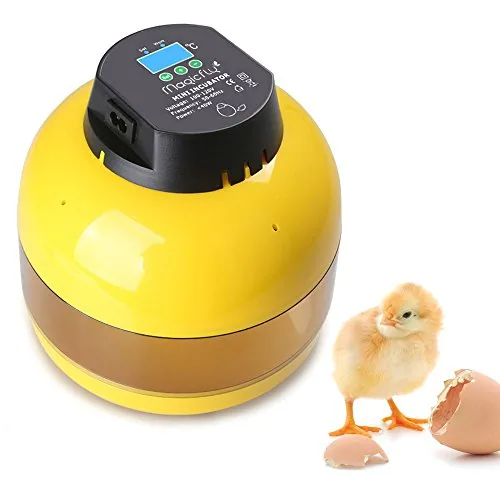
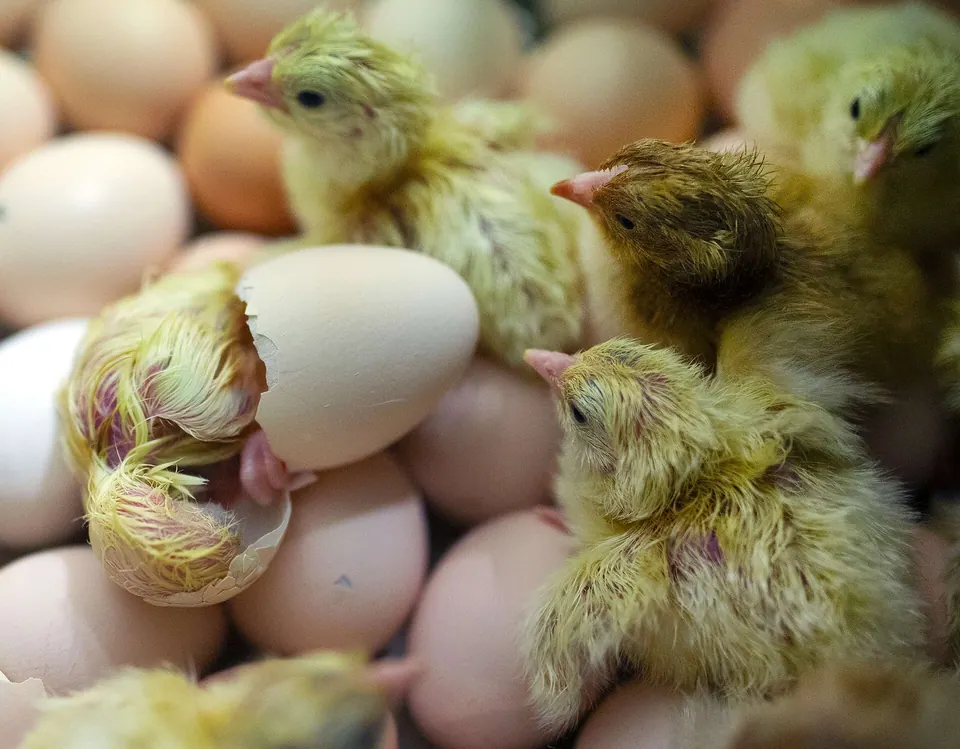
Egg incubators, turners, candlers and hygrometers for chickens, ducks and quail, compared by the specs the makers list: capacity, airflow, turning and humidity control.
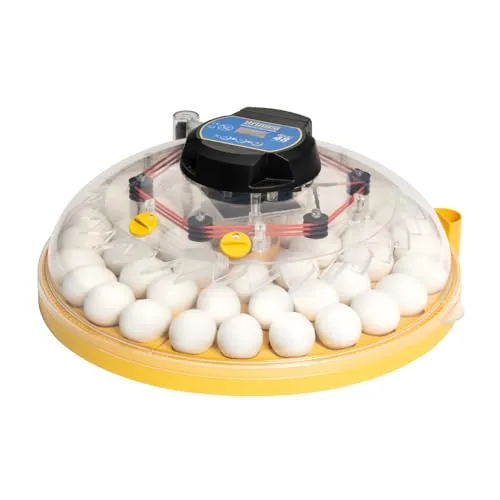
An egg incubator has one job: hold steady heat and humidity for 21 days for chicken eggs, 28 for most ducks and turkeys, and about 17 for coturnix quail (Mississippi State Extension). Four specs decide how much of that work you do yourself: airflow, turning, humidity control and capacity by egg size.
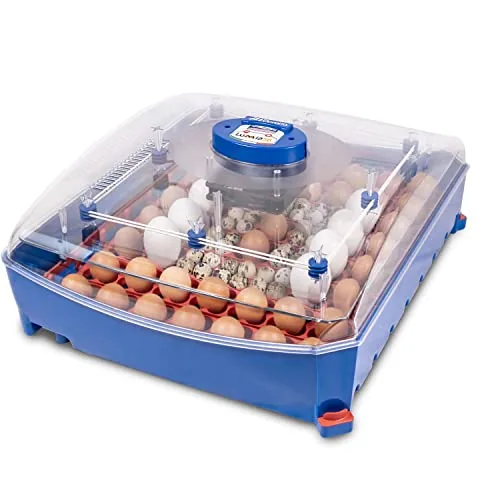
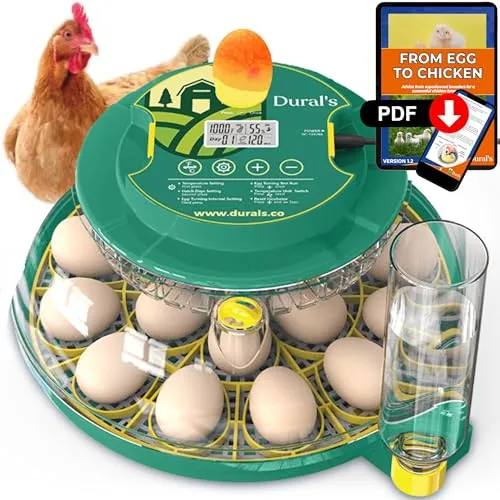
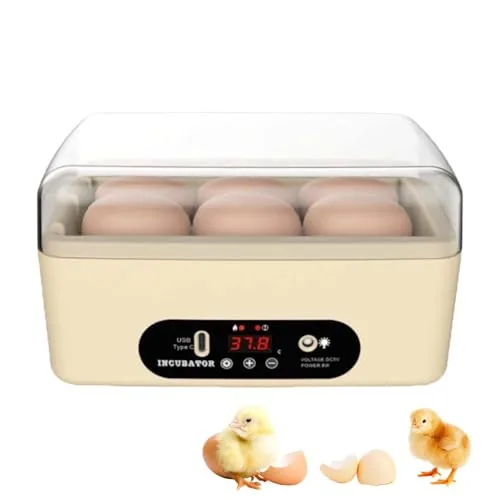
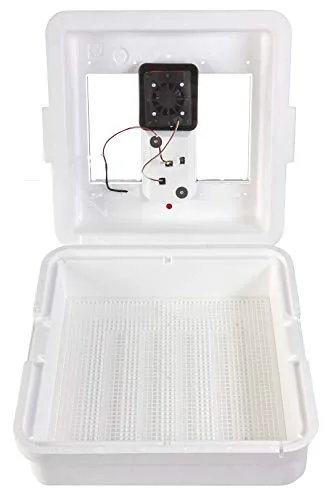
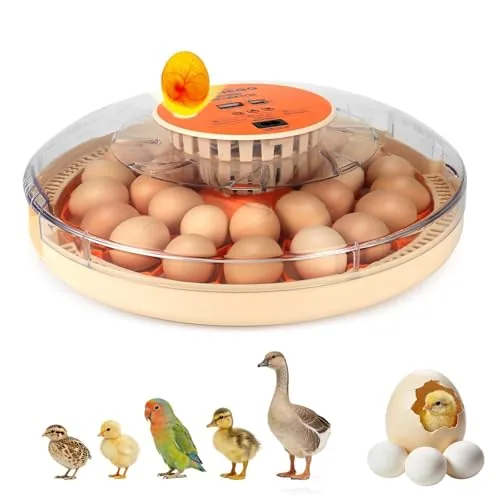
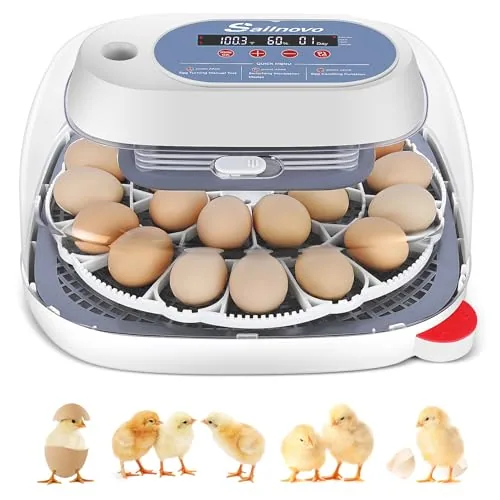
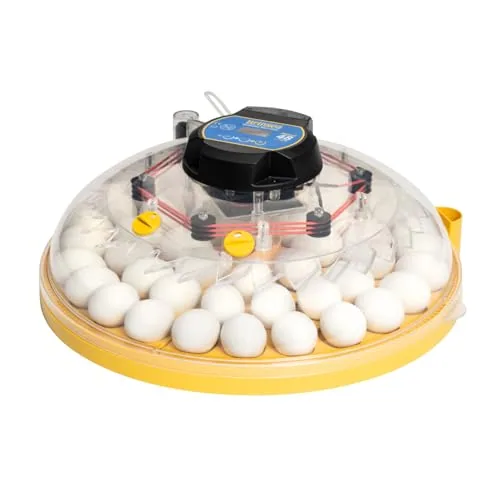
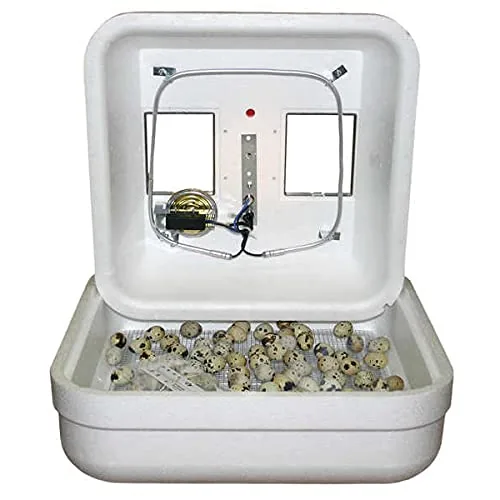
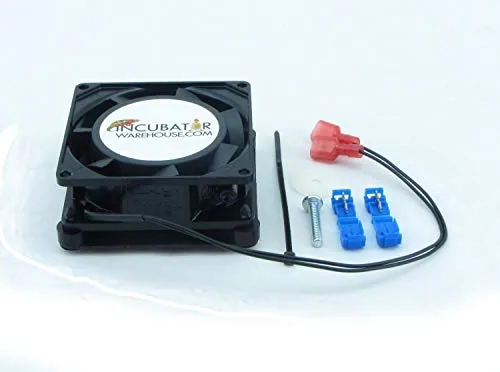
Forced air vs still air. A fan (forced or circulated air) keeps the temperature even across the tray. Still-air models run 2–3°F warmer, measured at the top of the eggs, so read the manual closely.
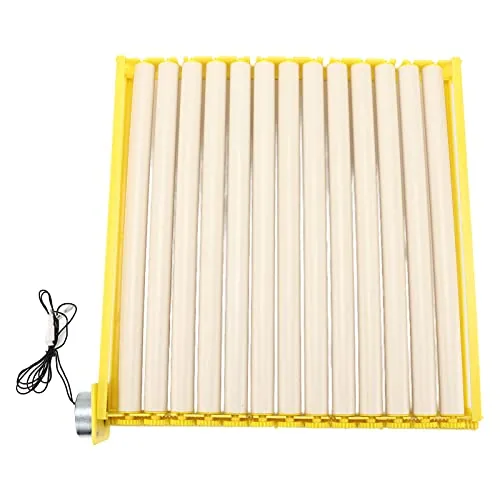
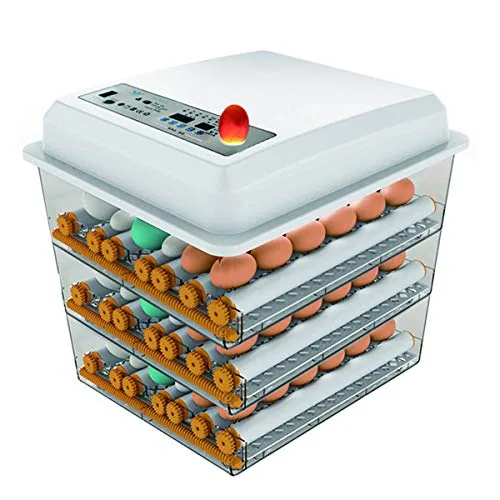
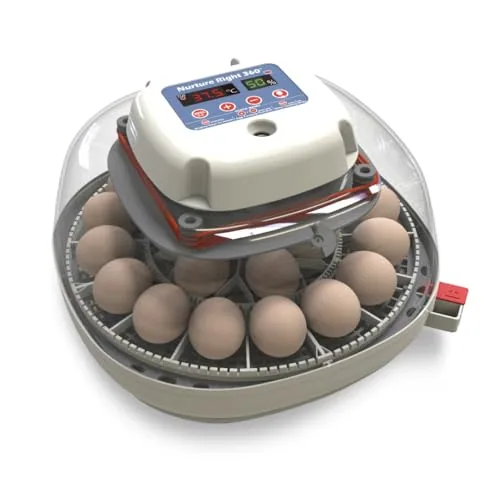
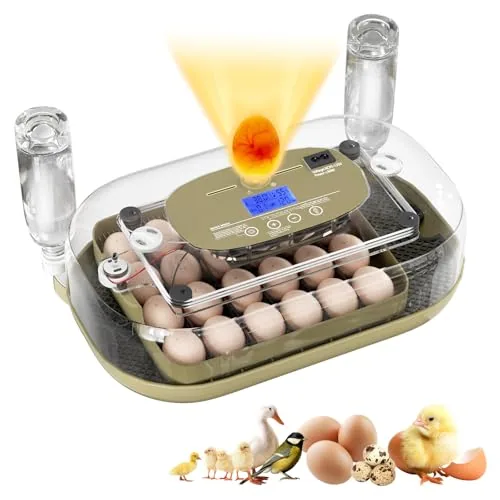
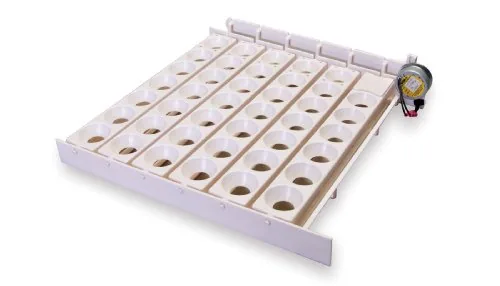
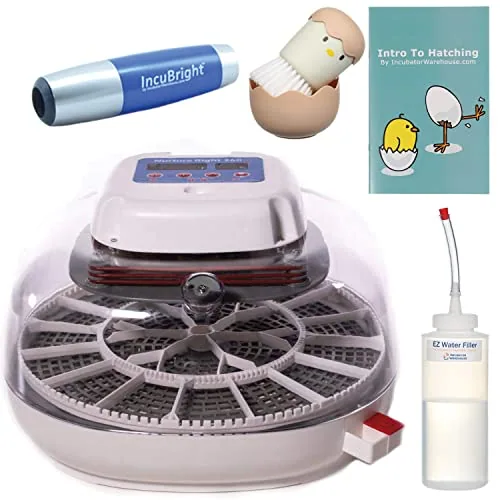
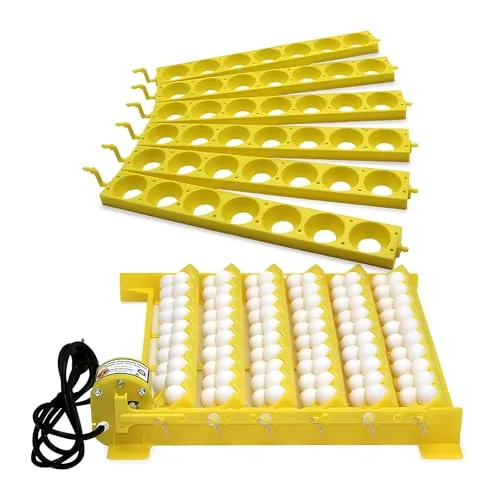
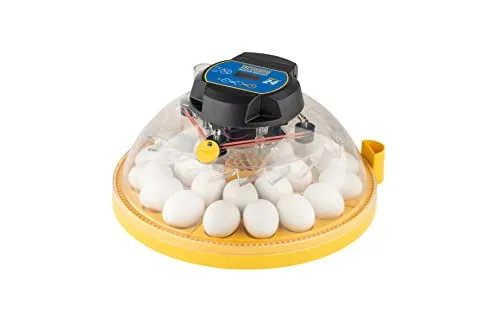
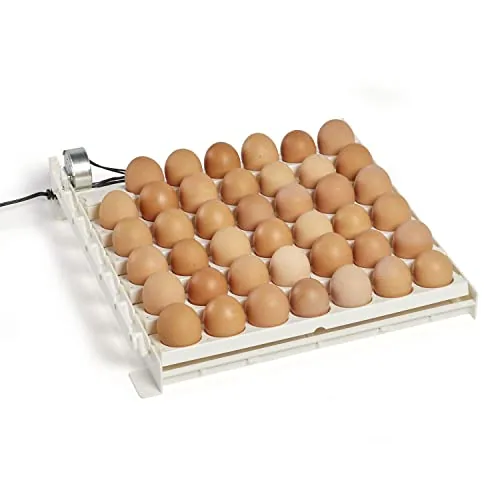
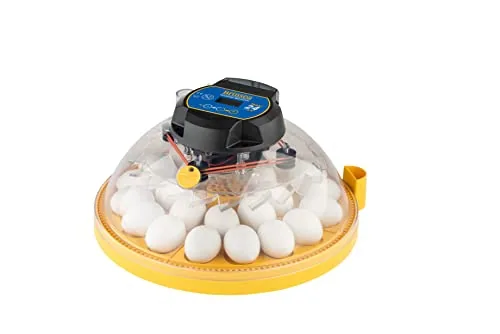
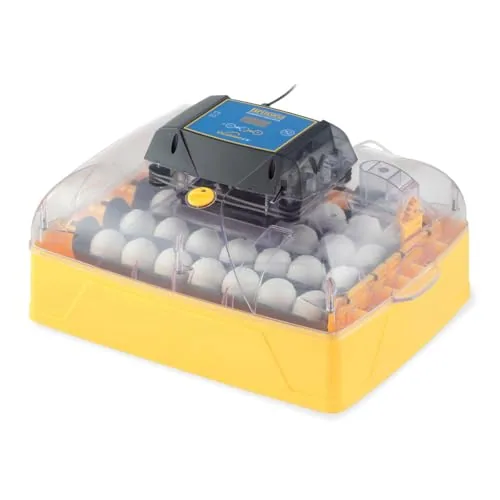
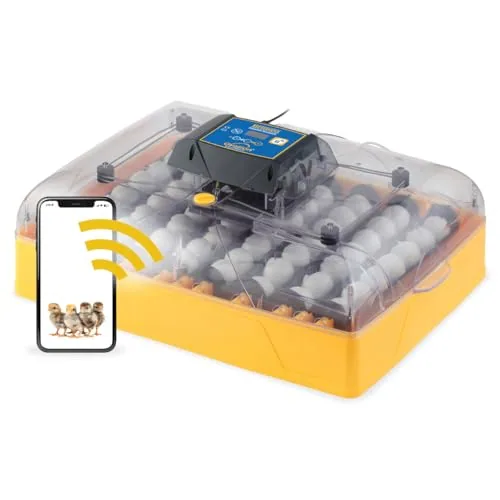
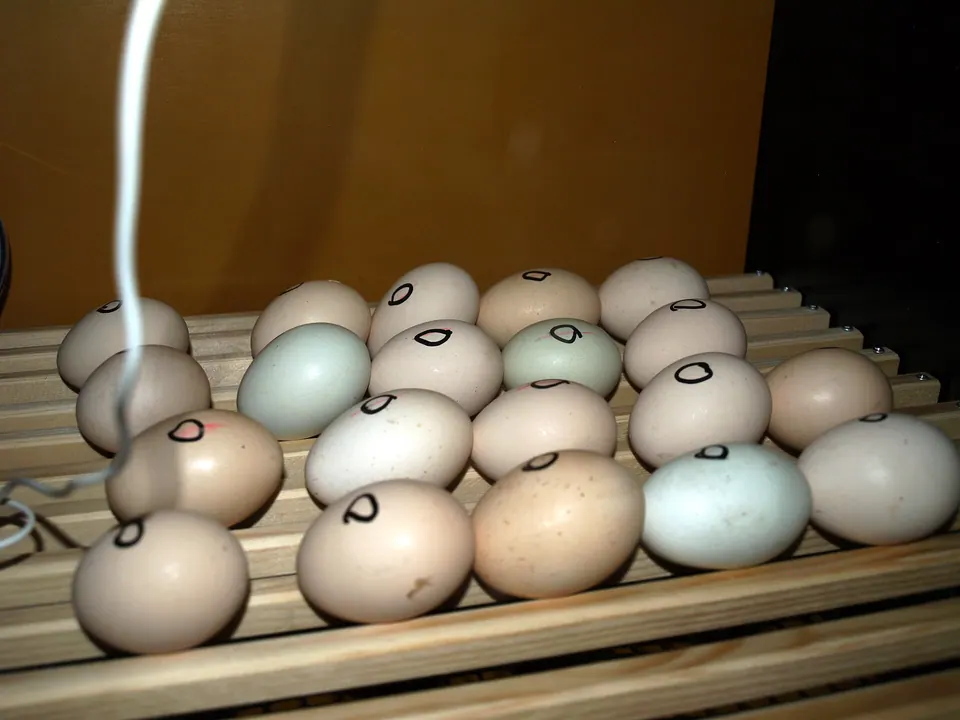
Turning. An automatic turner with auto-stop (Brinsea Advance, Nurture Right 360) quits on its own before lockdown. Without auto-stop, you remove eggs or switch it off around day 18 for chickens.
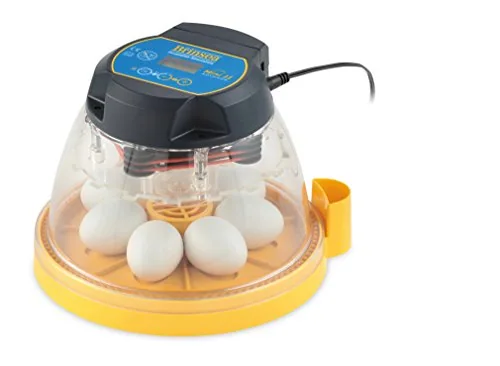
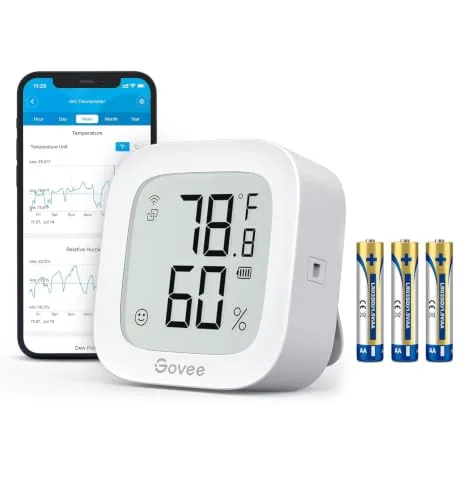
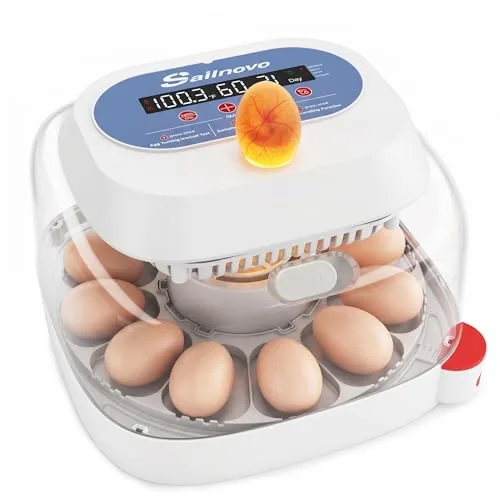
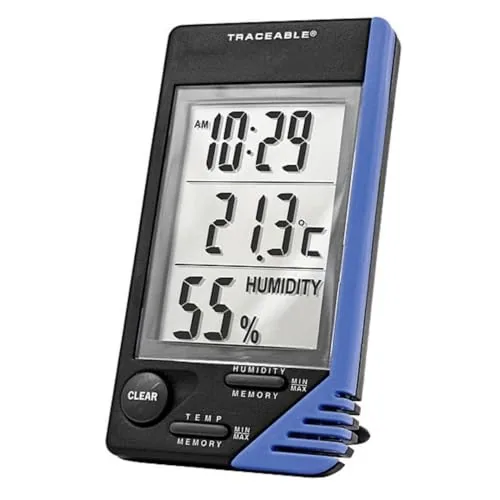
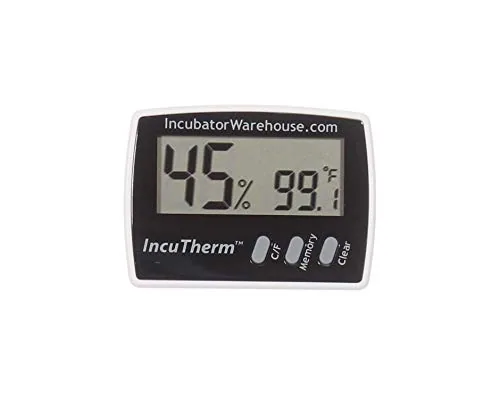
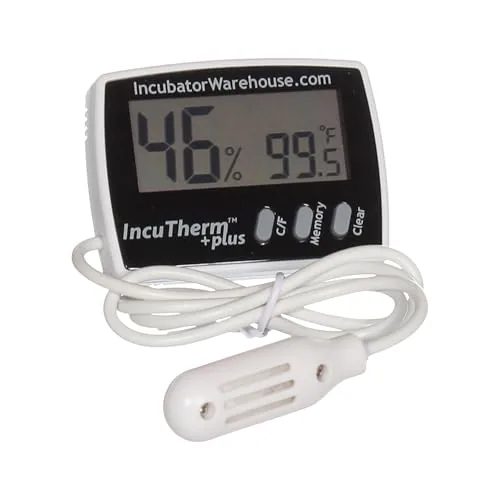
Humidity. Most incubators take a manual water top-up. EX models from Brinsea pump water to a set %RH. Either way, check with a separate hygrometer.
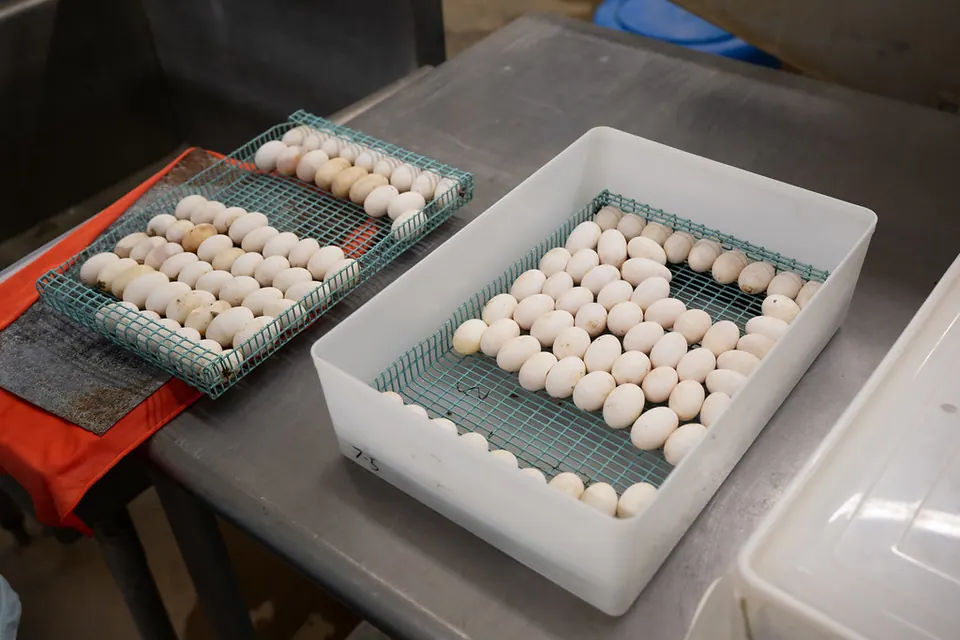
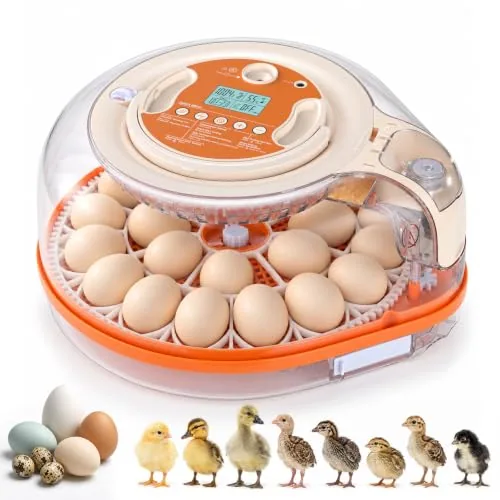
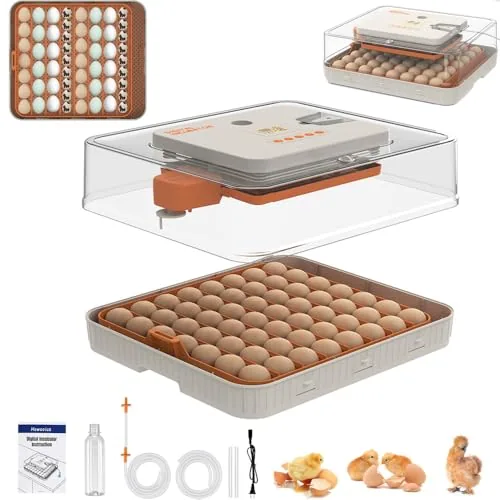
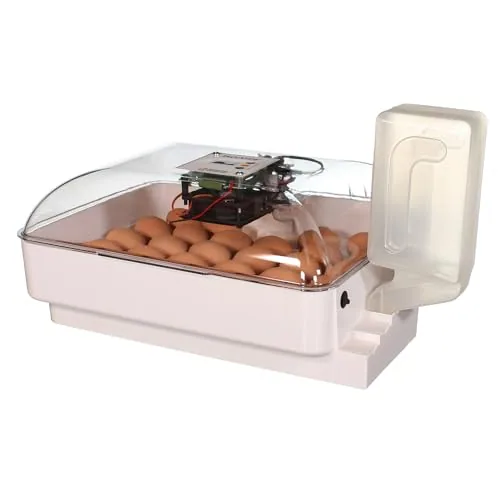
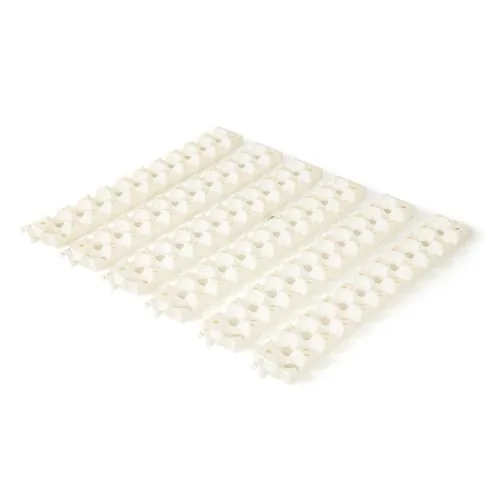
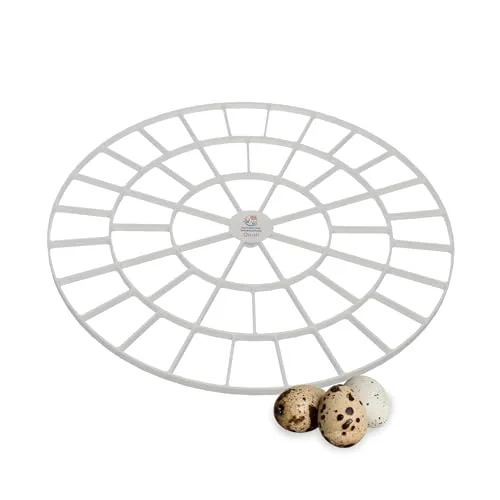
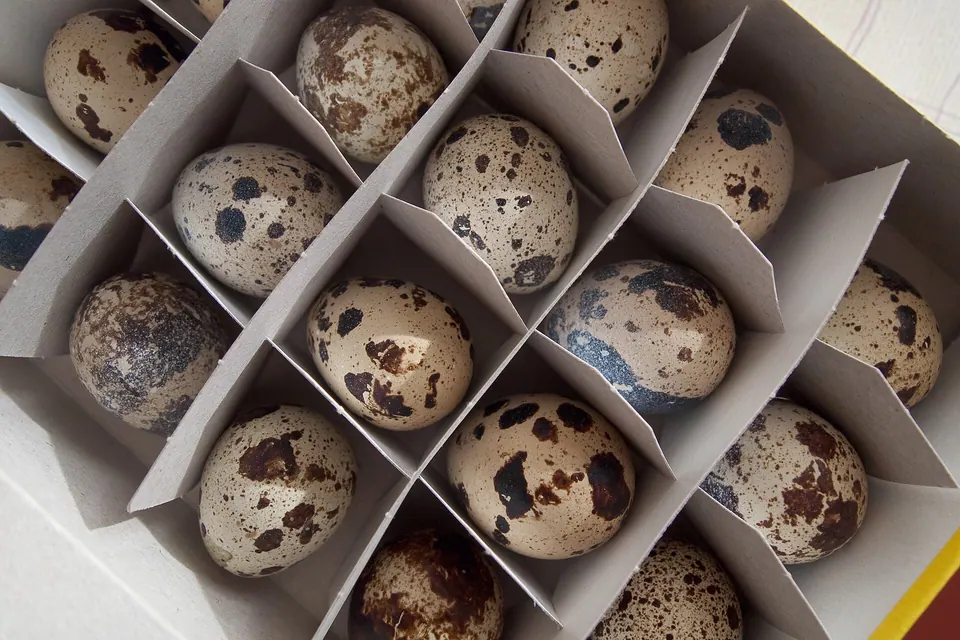
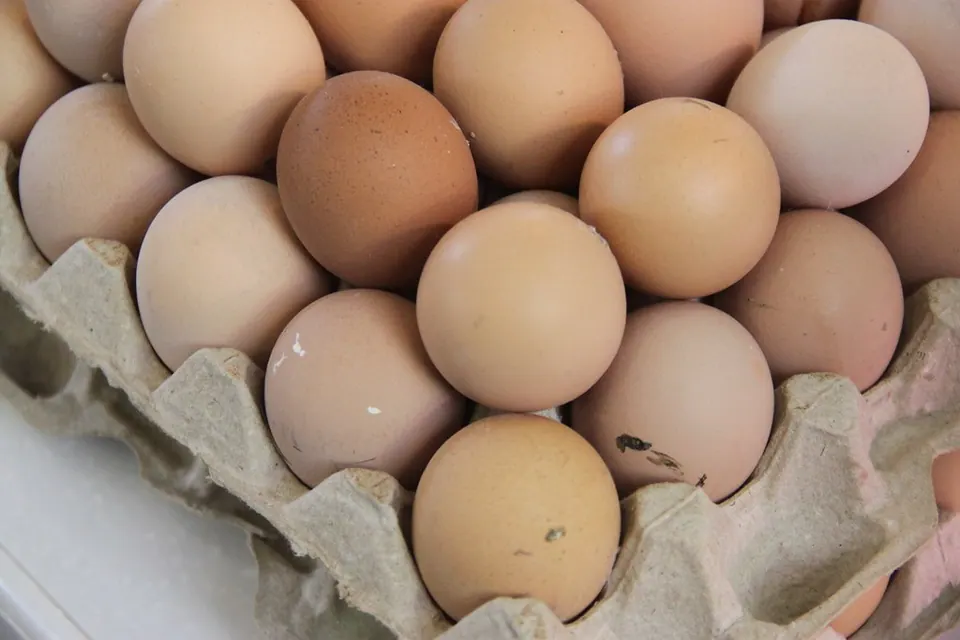
Capacity. Listings quote chicken eggs. Duck and goose eggs take more room, and quail need small-egg rails or inserts.
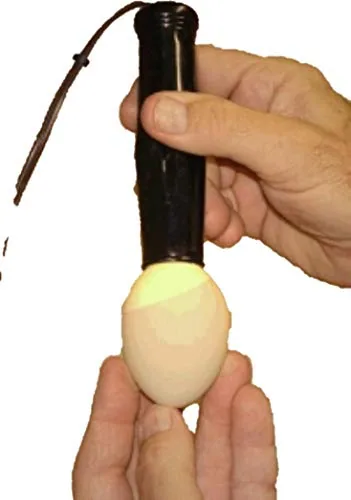
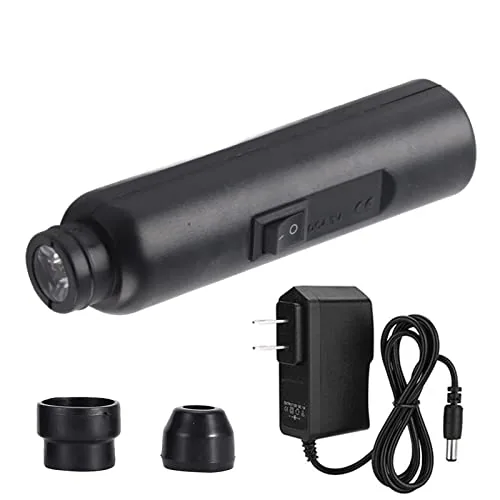
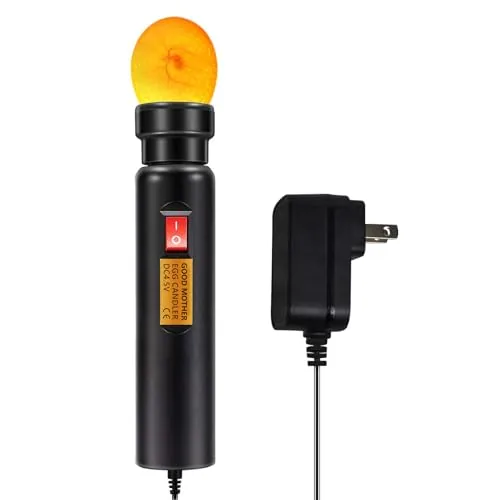
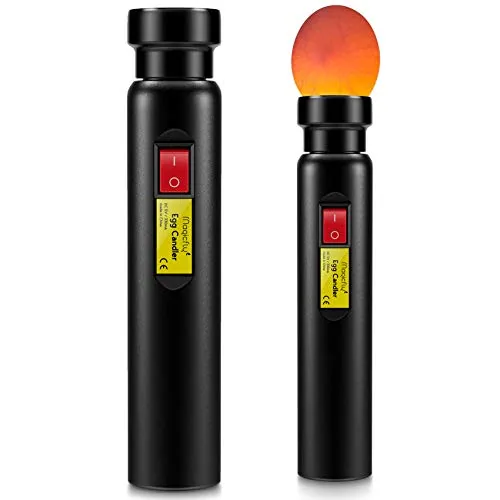
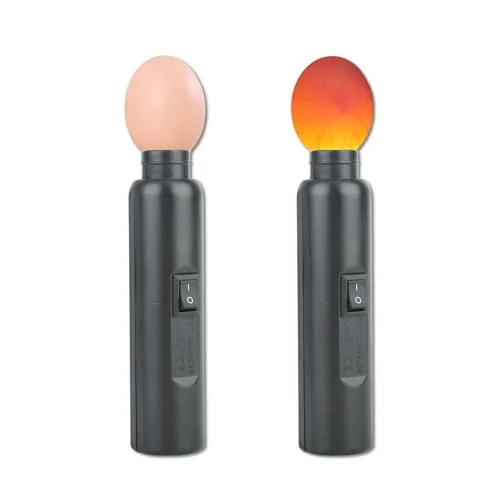
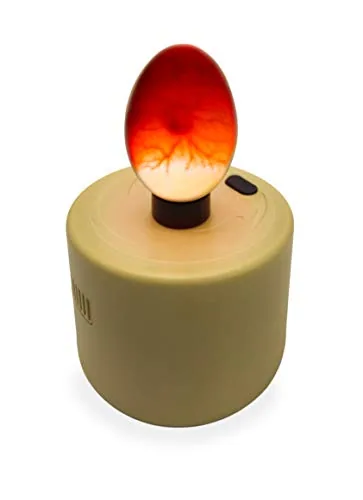
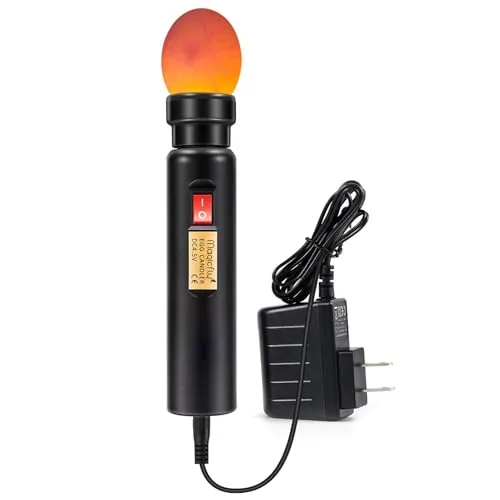
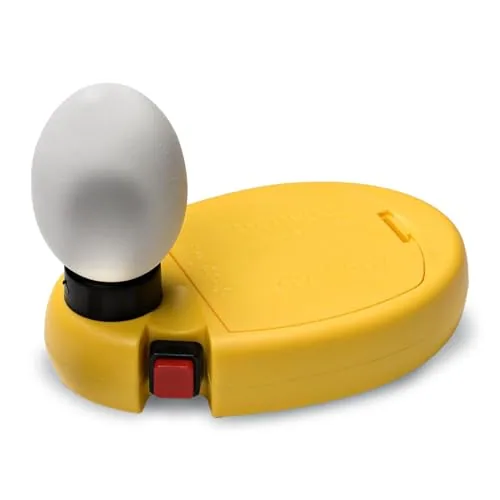
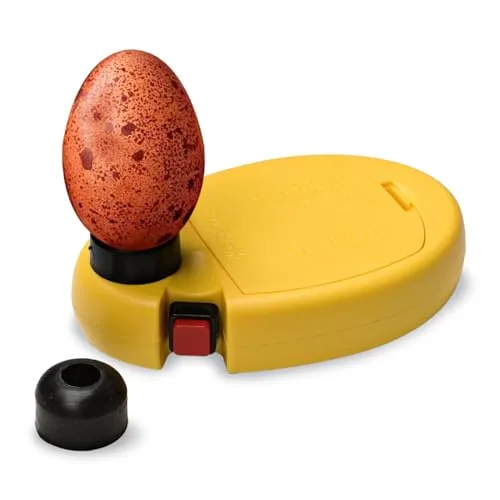
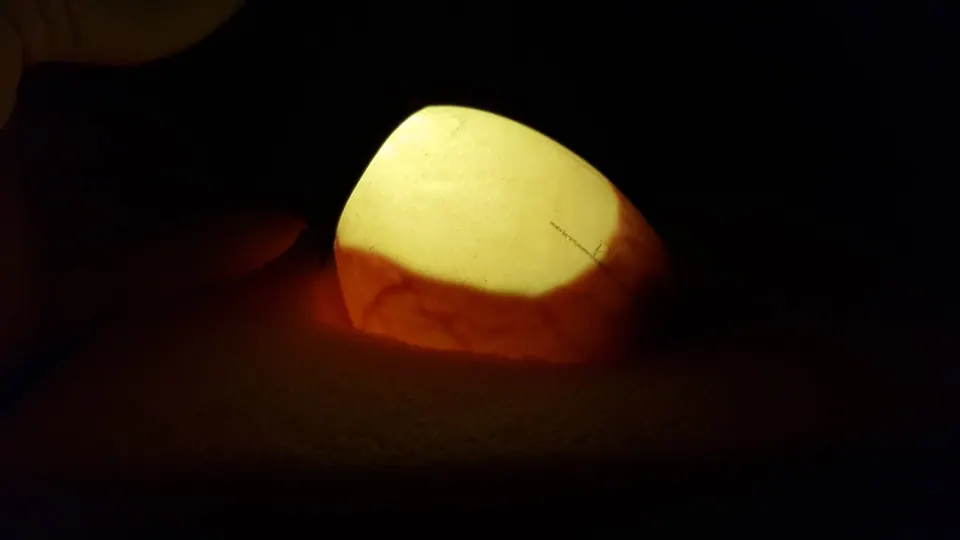
Candling at about day 7 and day 14 (4-H) shows which eggs are developing. A standard LED candler is fine for white and light brown shells; dark Marans or speckled quail eggs need a brighter light. Read the candling guide before your first check.
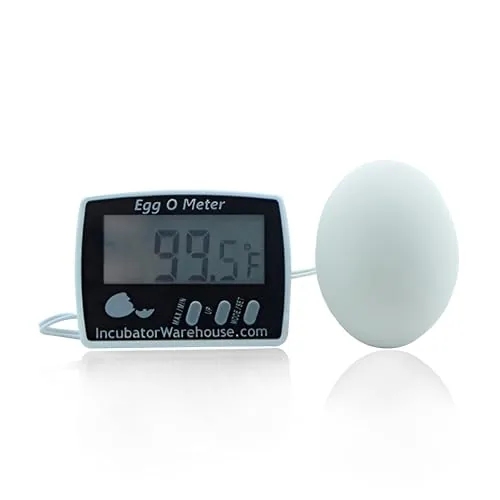
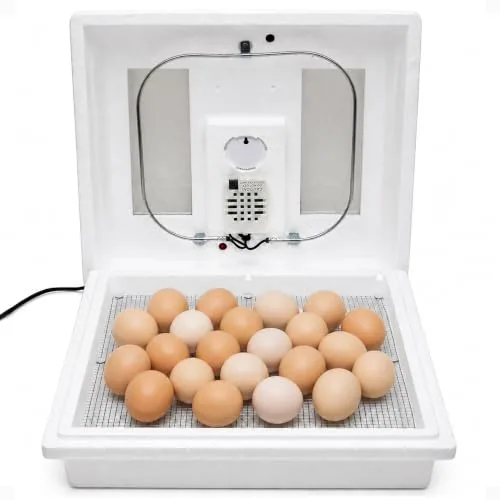
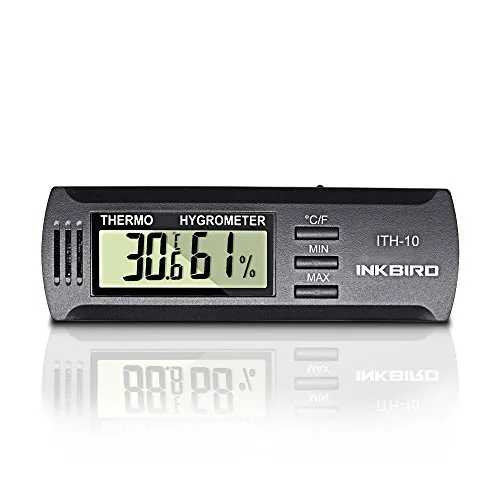
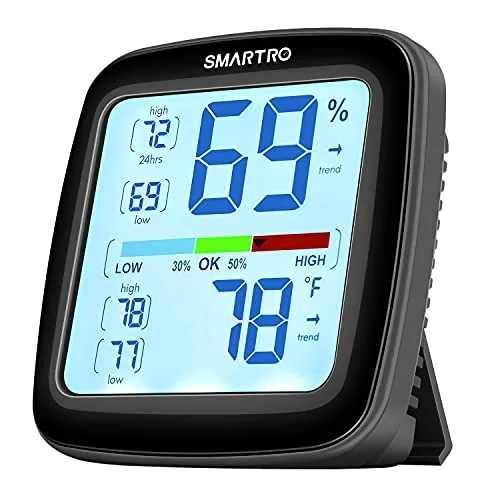
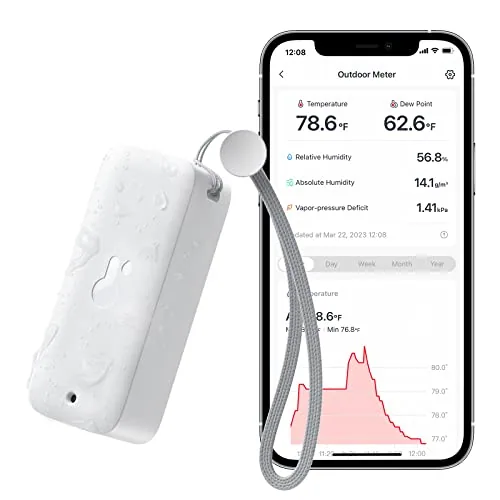
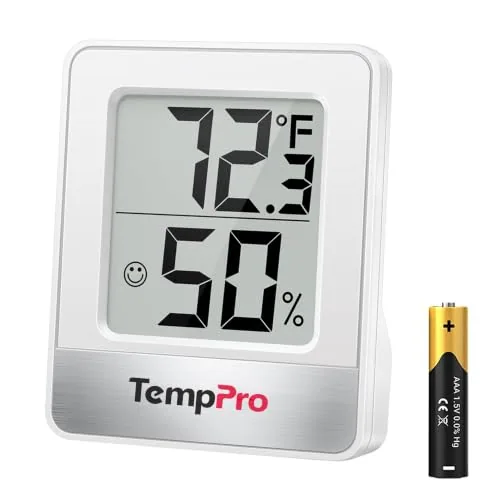
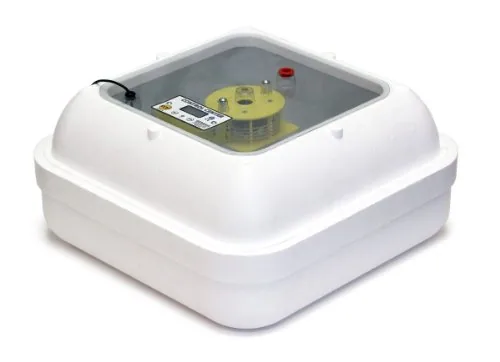
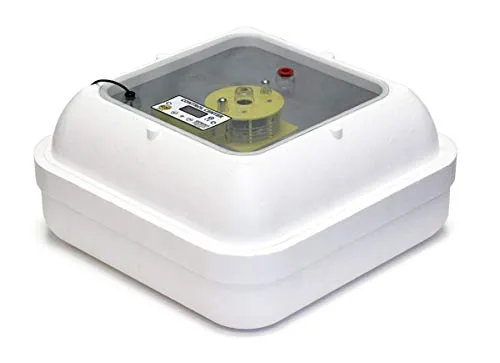
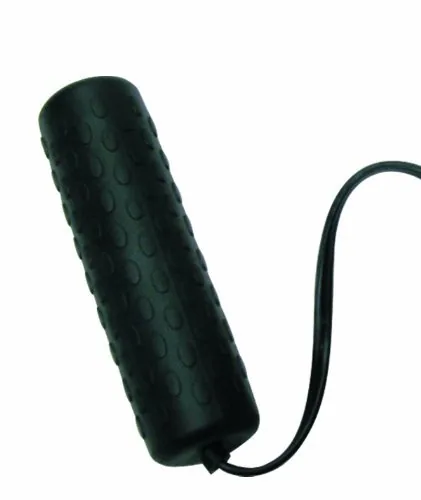
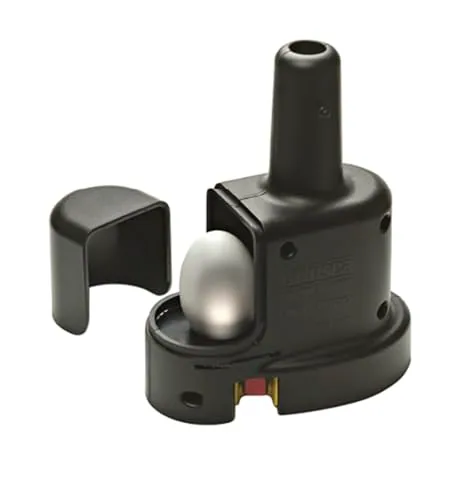
Foam incubators such as the Little Giant 9300, Farm Innovators 2100 and GQF 1602N can take an add-on turner. Match the turner to the model; the listing says which incubators each one fits. A calibrated hygrometer such as the Inkbird ITH-10 lets you double-check the built-in display, which can drift.
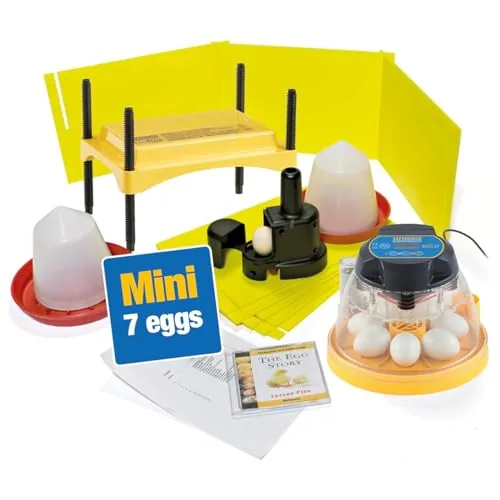
Run the incubator empty for 24 hours in a room away from windows and drafts, and follow the manual's settings first. Plan where the chicks will go on hatch day: a brooder with a heat plate should be ready before lockdown. See chicks and brooding and the printable hatch log.
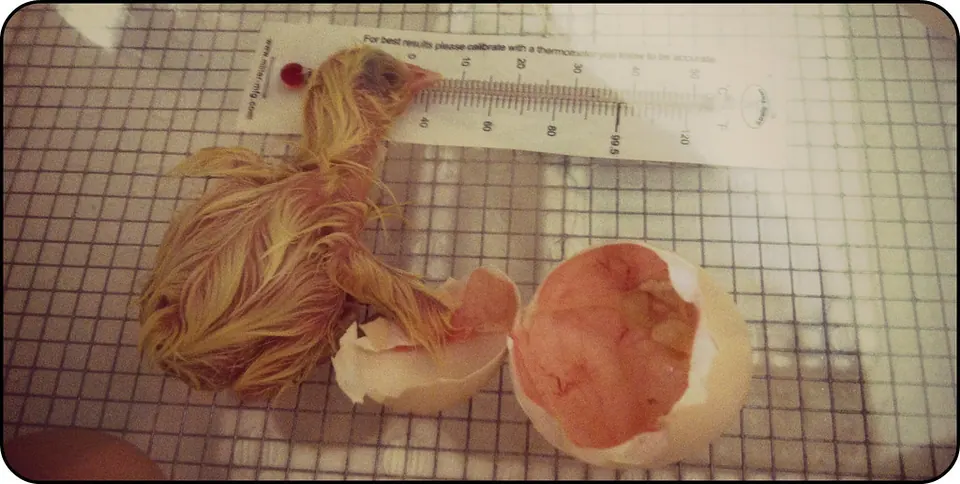
Hatching means handling chicksSalmonella can spread from eggs, chicks and incubator surfaces. Wash hands after touching them, keep the setup away from where food is made, and children under 5 should not handle chicks (CDC).Source: CDC Healthy Pets
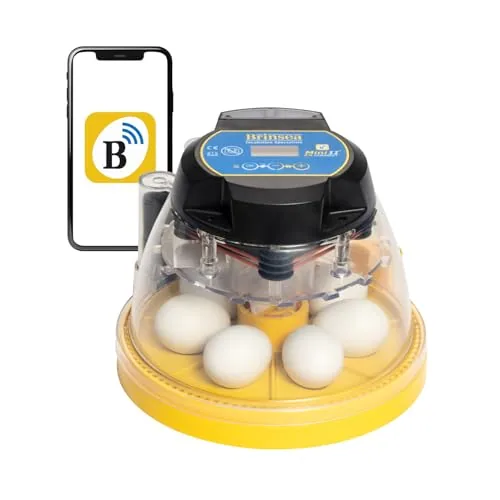
Look for forced air, an automatic turner that stops on its own, and a clear temperature display. The Nurture Right 360 and Brinsea Mini II Advance both list those features; see best incubators for beginners.
Forced air or still air: which is easier?
Forced air holds a more even temperature, so most first-timers find it easier. Still-air incubators work, but the temperature is measured at egg-top height and runs 2–3°F higher (Mississippi State Extension).
Do I need a separate hygrometer?
It helps. Built-in sensors can be off by a few percent, and a second reading tells you whether to add or remove water.
Can one incubator hatch chicken, duck and quail eggs?
Usually, with the right inserts or rails and the right settings for each species. Ducks need 28 days and more humidity, quail about 17. The incubation chart lists each species.
Where do I get hatching eggs?
From hatcheries, local breeders and feed stores. We never link hatching eggs or live birds.