- Incubation days (MSU): chicken 21, most ducks 28, Muscovy 35–37, turkey 28, goose 28–34, guinea 28, pheasant 23–28, coturnix quail 17, bobwhite 23–24.
- Forced-air temperature is 99–100°F for every species in MSU's table; add 2–3°F in still-air incubators, measured at egg-top height.
- Stop turning about 3 days before the hatch: day 18 for chickens, 25 for ducks and turkeys, 15 for coturnix quail.
- Waterfowl need more humidity: Brinsea gives 55–60% RH for duck eggs versus 45–50% for chicken eggs.
- Always follow your incubator's manual first and check it with a separate hygrometer.
This incubation chart by species puts the numbers you need for a hatch in one place: incubation length, temperature for forced-air and still-air machines, humidity as both wet-bulb and relative humidity, and the day to stop turning (lockdown). Most charts online repeat a single humidity figure. Extension tables give wet-bulb readings, egg-maker Brinsea gives %RH, and this chart shows both, with the source for each.
The core table is Mississippi State University's Important Incubation Factors. Relative humidity comes from Brinsea where it publishes a figure (chicken, duck, quail); other species use MSU's general 58–60%, then 65% or more for the hatch.
Incubation chart by species
Incubation by species: forced-air settings, with the still-air offset
| Species | Days to hatch | Forced-air temp | Still-air temp | Wet-bulb, days 1 to lockdown → last 3 days | Relative humidity | Stop turning (day) |
|---|---|---|---|---|---|---|
| Chicken | 21 | 100°F (37.8°C) | 102–103°F | 85–87°F → 90°F | 45–50% → 65% or more | 18 |
| Duck (most breeds) | 28 | 100°F (37.8°C) | 102–103°F | 85–86°F → 90°F | 55–60% → 70% or more | 25 |
| Muscovy duck | 35–37 | 100°F (37.8°C) | 102–103°F | 85–86°F → 90°F | 58–60% → 65% or more | 31 |
| Coturnix quail | 17 | 100°F (37.8°C) | 102–103°F | 85–86°F → 90°F | 40–50% → 65% or more | 15 |
| Bobwhite quail | 23–24 | 100°F (37.8°C) | 102–103°F | 84–87°F → 90°F | 40–50% → 65% or more | 20 |
| Turkey | 28 | 99°F (37.2°C) | 101–102°F | 84–86°F → 90°F | 58–60% → 65% or more | 25 |
| Goose | 28–34 | 99°F (37.2°C) | 101–102°F | 86–88°F → 90°F | 58–60% → 65% or more | 25 |
| Guinea fowl | 28 | 100°F (37.8°C) | 102–103°F | 85–87°F → 90°F | 58–60% → 65% or more | 25 |
| Pheasant | 23–28 | 100°F (37.8°C) | 102–103°F | 86–88°F → 92°F | 58–60% → 65% or more | 21 |
| Peafowl | 28–30 | 99°F (37.2°C) | 101–102°F | 84–86°F → 90°F | 58–60% → 65% or more | 25 |
| Chukar partridge | 23–24 | 100°F (37.8°C) | 102–103°F | 81–83°F → 90°F | 58–60% → 65% or more | 20 |
Days, temperatures, wet-bulb and stop-turning days: Mississippi State University Extension, Important Incubation Factors. Still-air: add 2–3°F, measured at the top of the eggs (MSU). Relative humidity: Brinsea, Humidity during incubation for chickens, ducks and quail; other species show MSU's general 58–60%. Follow your incubator's manual first.
Rows marked with a range (Muscovy, goose, pheasant, peafowl) vary by breed or strain. MSU's stop-turning day for geese is for the shorter end of the range, so check your breed and your incubator's manual. For a set date, the incubation calculator turns this table into candling, lockdown and hatch dates and exports them to your calendar.
Incubation length by species
Days to hatch, shorter end of each range (MSU)
Forced-air vs still-air: which temperature applies?
MSU's temperatures are for forced-air incubators, which use a fan to keep the whole cabinet even. In a still-air incubator, warm air rises and layers, so MSU says to add 2–3°F and to measure at the height of the top of the eggs: about 102°F for chicken eggs. MSU also says forced-air variation should stay within about 1 degree in total.
Small differences matter. The University of Missouri notes that a 0.5°F change in average temperature shifts hatch time by about 5.4 hours, and that 30 minutes at 105°F can seriously harm or kill embryos. Use a second thermometer at egg level rather than trusting the built-in display.
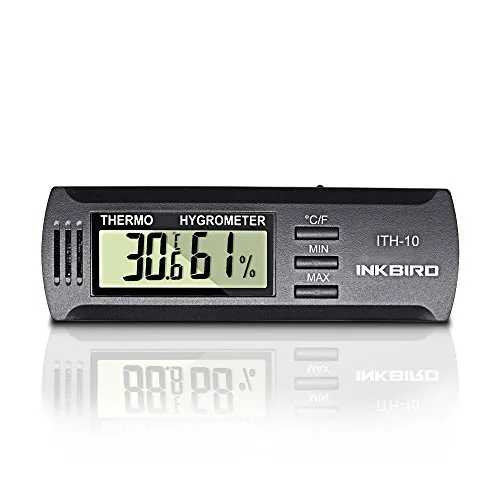
Inkbird ITH-10 Thermometer Hygrometer
- Accuracy
- ±3% RH, ±1.8°F
- Memory
- Min/max
Best for General humidity checks
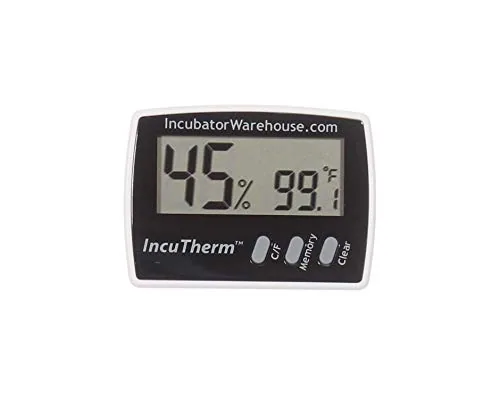
Incubator Warehouse IncuTherm Thermo-Hygrometer
- Measures
- Temperature and humidity
- Display
- Large digital, min/max memory
- Mount
- Magnetic back, pop-out stand
Best for Cross-checking an incubator's readout
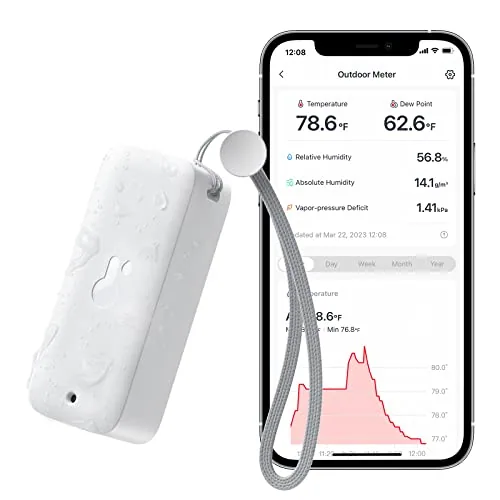
SwitchBot IP65 Indoor/Outdoor Hygrometer
- Accuracy
- ±1.8% RH, ±0.36°F
- Connectivity
- Bluetooth, 394 ft
Best for General monitoring
Wet-bulb or relative humidity: how do they compare?
Extension tables often give humidity as a wet-bulb temperature: a thermometer whose bulb sits in a wet wick. The drier the air, the more the wick evaporates and the lower the reading. Digital hygrometers show relative humidity (%RH) instead. MSU pairs 84–86°F wet-bulb with about 58–60% RH and says to convert other readings with a psychrometric table.
Humidity by species, two ways
| Species | Days 1 to lockdown: wet-bulb (MSU) | Days 1 to lockdown: %RH (Brinsea) | Hatch: wet-bulb (MSU) | Hatch: %RH (Brinsea) |
|---|---|---|---|---|
| Chicken | 85–87°F | 45–50% | 90°F | 65% or more |
| Duck (most breeds) | 85–86°F | 55–60% | 90°F | 70% or more |
| Coturnix quail | 85–86°F | 40–50% | 90°F | 65% or more |
| Bobwhite quail | 84–87°F | 40–50% (quail in general) | 90°F | 65% or more |
| Turkey, goose, guinea, others | See chart above | Not published; MSU general 58–60% | 90–92°F | 65% or more (MSU) |
Source: MSU Extension (wet-bulb); Brinsea, Humidity during incubation (%RH)
Why the two sources do not line up exactly: Brinsea's approach aims for a target egg weight loss, which is what humidity is really controlling. Missouri Extension says chicken eggs should lose about 11–14% of their weight by day 18. Weighing a few eggs weekly, or checking air-cell size when you candle, tells you whether to raise or lower humidity in your own room and machine.
When do you stop turning each species?
MSU recommends turning at least 4–6 times a day and stopping for the last 3 days of incubation. That stop day, often called lockdown, is also when you raise humidity and open the vents further.
Candling and lockdown days by species
| Species | Candle (days) | Stop turning | Open vents more | Hatch |
|---|---|---|---|---|
| Chicken | 7 and 14 (4-H) | Day 18 | Day 18 | Day 21 |
| Duck | About 9 and 18* | Day 25 | Day 25 | Day 28 |
| Muscovy | About 12 and 23* | Day 31 | Day 30 | Days 35–37 |
| Coturnix quail | About 6 and 11* | Day 15 | Day 14 | Day 17 |
| Bobwhite quail | About 8 and 15* | Day 20 | Day 20 | Days 23–24 |
| Turkey | About 9 and 18* | Day 25 | Day 25 | Day 28 |
| Goose | About 10 and 20* | Day 25 | Day 25 | Days 28–34 |
| Guinea | About 9 and 18* | Day 25 | Day 24 | Day 28 |
| Pheasant | About 8 and 15* | Day 21 | Day 20 | Days 23–28 |
How to read development at each check is covered in how to candle eggs. Duck, goose and quail shells are thicker or darker than chicken eggs, so a high-intensity candler helps.
How to use this chart for a hatch
- Find your species row and note the days, temperature, humidity and stop-turning day.
- Check your incubator type. Forced air: use the temperature as listed. Still air: add 2–3°F and measure at the top of the eggs (MSU).
- Pick one humidity target (Brinsea %RH or MSU wet-bulb) and stick with it, unless air cells or egg weights tell you otherwise.
- Mark the calendar: set day, candling days, lockdown and expected hatch. The calculator does this and exports an .ics file.
- Record readings morning and evening in the hatch log, so you can adjust the next hatch with real numbers.
- Have the brooder running a day before the expected hatch, at the temperatures in the brooder temperature chart.
A step-by-step chicken hatch with every day spelled out is in how to incubate chicken eggs.
Species notes: ducks, quail, turkeys and geese
Ducks
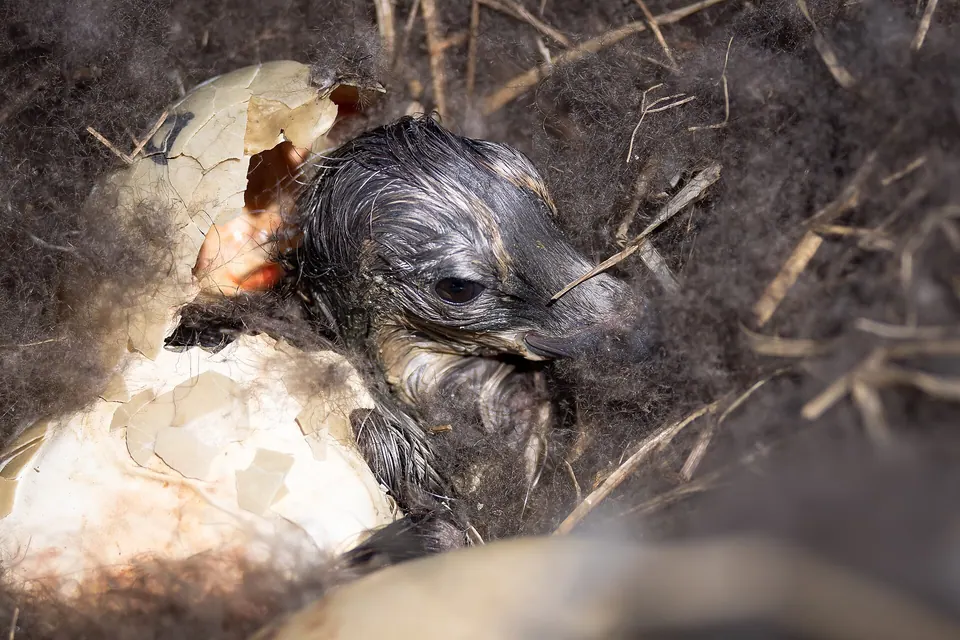
Duck eggs take 28 days for most breeds and 35–37 for Muscovies (MSU), and Brinsea gives them more humidity than chicken eggs. They are large, so check your incubator's egg capacity for duck-size eggs: makers list fewer duck eggs than chicken eggs per tray. After the hatch, Penn State warns not to let ducklings swim unsupervised until fully feathered, and says waterfowl should not get medicated feed. More in raising backyard ducks.
Quail
Coturnix quail hatch in just 17 days and stop turning on day 15. Their small eggs need quail rails or trays in most incubators. Brinsea's manuals warn that quail chicks can drown in open water channels, so cover or reduce water areas for the hatch, as your manual describes. See raising quail and best quail incubators.
Turkeys
MSU lists turkey eggs at 99°F forced-air (a degree lower than chickens) and 28 days, with turning stopped on day 25.
Geese
Goose eggs run 28–34 days depending on breed, at 99°F. They are the largest eggs here, so few small incubators take them; check the listed capacity for large or jumbo eggs.
| Product | Egg capacity | Turning | Humidity | Fan |
|---|---|---|---|---|
| Brinsea Maxi 24 EX Incubator, Auto Humidity | 24 chicken, 12 large, 8 jumbo or 40 small eggs | Automatic | Automatic | Forced-air (fan-assisted) |
| Nurture Right 360 Incubator, 22 Eggs, Auto Turner | 22 chicken, 12–18 duck or 22–24 pheasant eggs | Automatic with auto-stop | Display and control knob | Forced-air (360° induced airflow) |
| Borotto Lumia 56 Egg Incubator (Incubator Only) | 56 large eggs or 224 small (quail, partridge) | Automatic, left-right, hourly cycle | Manual water trays; optional humidity pump sold separately | — |
| Brinsea Mini II EX 7-Egg Incubator, Auto Humidity | 7 chicken eggs or 12 small eggs (inserts included) | Automatic, programmable intervals | Automatic, integrated humidity pump | Forced-air (fan-assisted) |
Specs as listed by the maker or seller; check the listing before you buy.
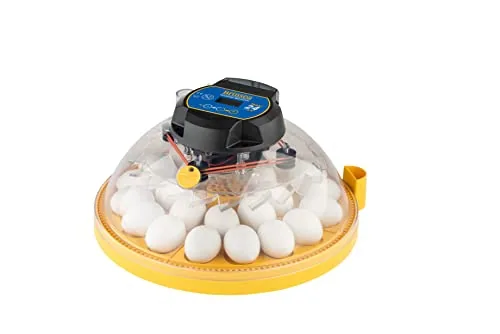
Brinsea Maxi 24 EX Incubator, Auto Humidity
- Egg capacity
- 24 chicken, 12 large, 8 jumbo or 40 small eggs
- Turning
- Automatic
- Humidity
- Automatic
Best for Keepers hatching several species
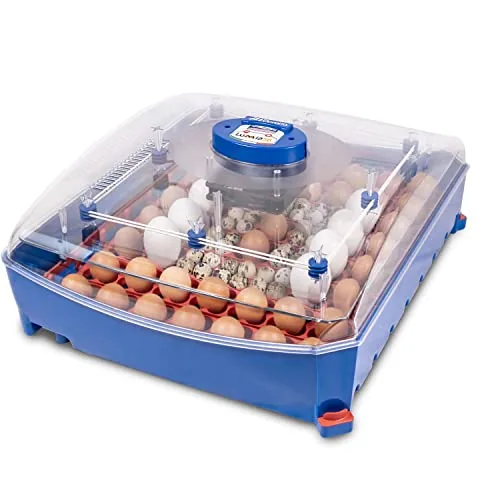
Borotto Lumia 56 Egg Incubator (Incubator Only)
- Egg capacity
- 56 large eggs or 224 small (quail, partridge)
- Turning
- Automatic, left-right, hourly cycle
- Humidity
- Manual water trays; optional humidity pump sold separately
Best for Mixed-species hatches of medium size
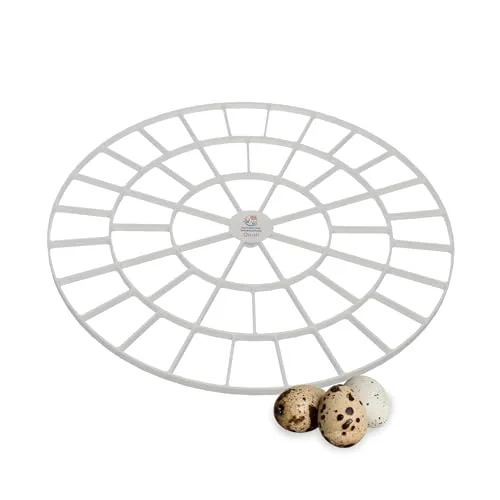
Incubator Warehouse Quail Tray for Nurture Right 360
- Capacity
- 48 quail or small bird eggs
- Fits
- Nurture Right 360
- Size
- 12.3 x 12.3 x 0.7 in
Best for Quail in a Nurture Right 360
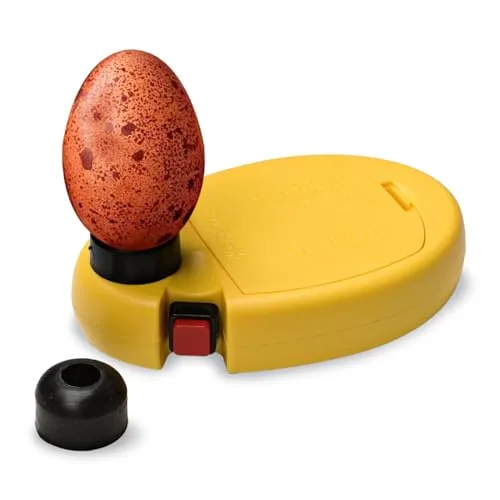
Brinsea OvaView High Intensity Egg Candler
- Light type
- Extra-bright high-efficiency LED
- Power
- 4 rechargeable AA batteries (not included)
- Best shells
- Dark or mottled (Marans, quail, pheasant)
Best for Candling dark and quail eggs
Mistakes to avoid when hatching other species
- Using chicken settings for everything. Days, stop-turning day and humidity differ; set each hatch by its row.
- Mixing species in one incubator. Lockdown days do not line up, so you end up opening the lid during another species' hatch.
- Forgetting the still-air offset. MSU's figures are for forced air; add 2–3°F at egg-top height in still air.
- Open water with quail. Follow the manual's quail setup to avoid drowning risk.
- Relying on one hygrometer. Check it against a second instrument or a salt test before the hatch.
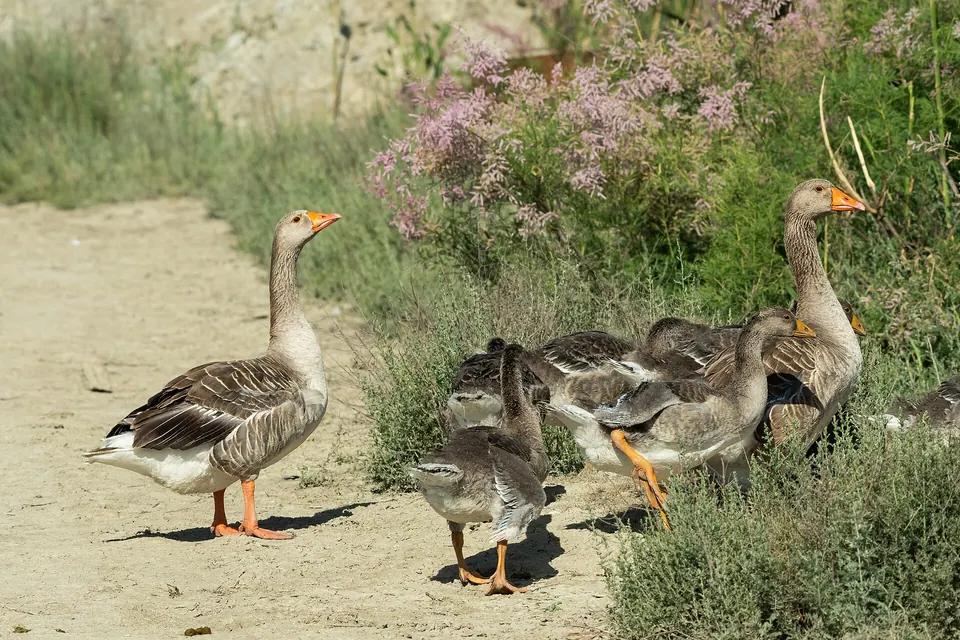
Fertile duck, quail, turkey and goose eggs come from hatcheries and breeders, not from the product links here. For gear, browse the incubation hub and the ducks, quail and turkeys hub, or compare the best incubators for duck eggs.
Set each hatch by its species row: days, 99–100°F in forced air (plus 2–3°F in still air), the right humidity and the right stop-turning day. Use Brinsea's %RH where it exists, MSU's wet-bulb figures as a cross-check, and your incubator's manual above both.
Questions
How long do duck eggs take to hatch?
How long do quail eggs take to hatch?
What temperature do you incubate turkey eggs at?
What humidity do duck eggs need?
What is the difference between wet-bulb and relative humidity?
Can I hatch different species together?
Sources
- Mississippi State University Extension, Important Incubation Factors
- Brinsea, Humidity during incubation
- Brinsea, Maxi II Eco manual (quail and water channels)
- University of Missouri Extension, Incubation of poultry (G8353)
- Virginia Cooperative Extension 4-H, Embryology record sheet
- Penn State Extension, Brooding of Domestic Fowl
- CDC Healthy Pets, Backyard Poultry