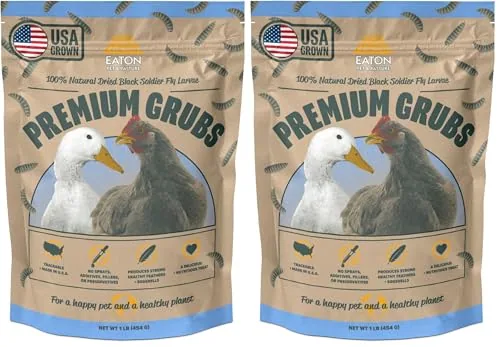
Eaton Pet & Pasture USA-Grown BSF Grubs, 1 lb x2
- Type
- Dried BSF larvae
- Size
- 1 lb, pack of 2
Best for US-sourced treats
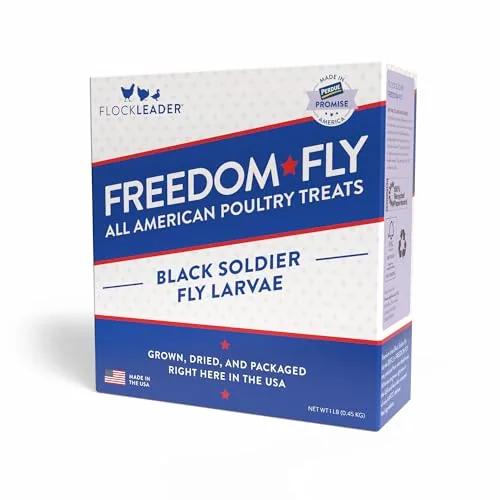
FLOCKLEADER Freedom Fly BSF Larvae Treat, 1 lb
- Type
- Dried BSF larvae
- Size
- 1 lb
Best for Coop-kept hens needing foraging
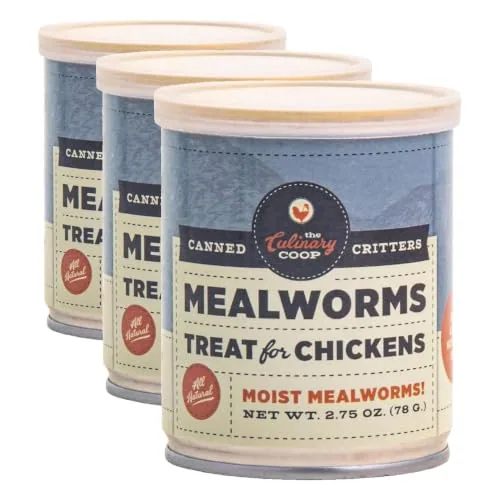
Fluker's Culinary Coop Canned Mealworms, 3-Pack
- Type
- Canned mealworms
- Size
- 2.75 oz, pack of 3
Best for Occasional treats
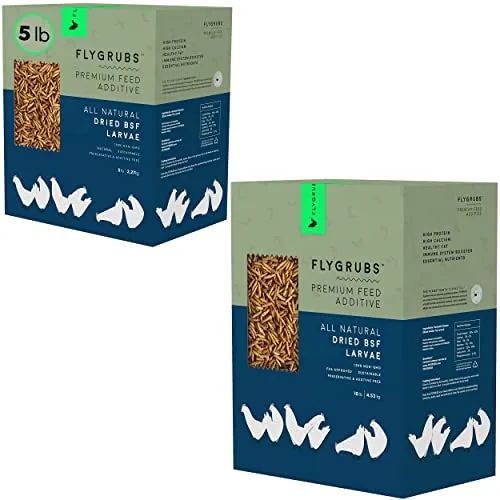
FLYGRUBS Dried BSF Larvae Chicken Treat
- Type
- Dried BSF larvae
- Size
- Multiple sizes (5 lb, 1 lb, 10 lb)
- Protein %
- 36-42%
Best for Scatter treats and molting season
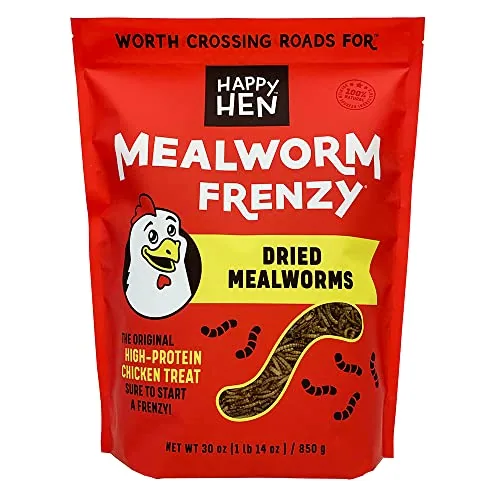
Happy Hen Treats Mealworm Frenzy, 30 oz
- Type
- Dried mealworms
- Size
- 30 oz tub
Best for Training and taming hens
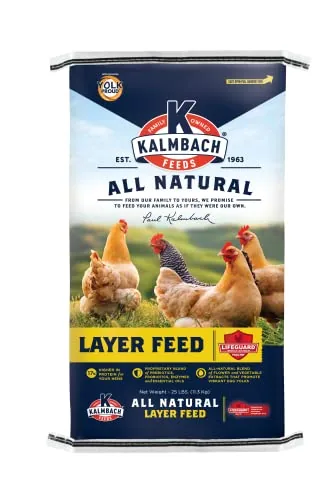
Kalmbach Feeds Layer Pellets, 25 lb
- Type
- Layer pellets
- Bag size
- 25 lb
- Medicated?
- Antibiotic free
Best for Everyday laying-hen feed
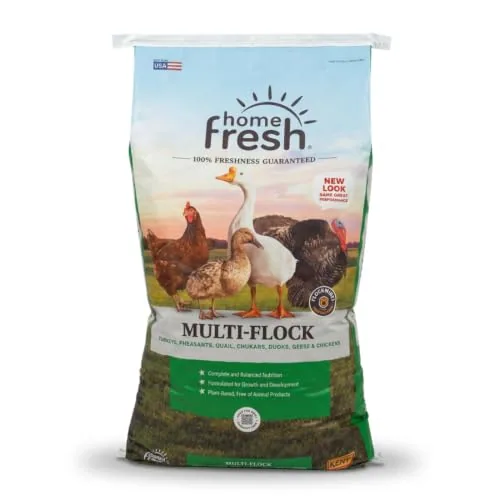
Kent Home Fresh Multi Flock Pellet, 22%
- Type
- Multi-flock pellets
- Bag size
- 50 lb
- Protein %
- 22%
Best for Mixed poultry flocks
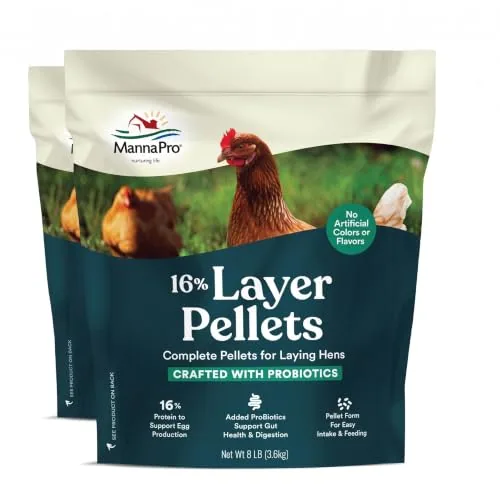
Manna Pro 16% Layer Pellets with Probiotics, 8 lb x2
- Type
- Layer pellets
- Bag size
- 8 lb, pack of 2
- Protein %
- 16%
Best for Small flocks buying feed in small bags
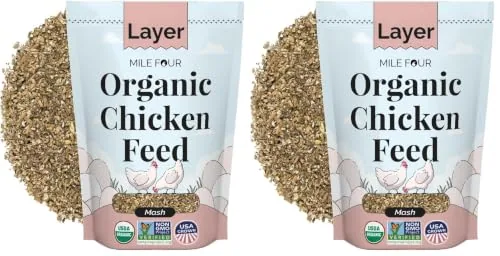
Mile Four Organic Layer Mash, 2 lb x2
- Type
- Layer mash (organic)
- Bag size
- 2 lb, pack of 2
- Protein %
- 16%
Best for Trying an organic soy-free feed
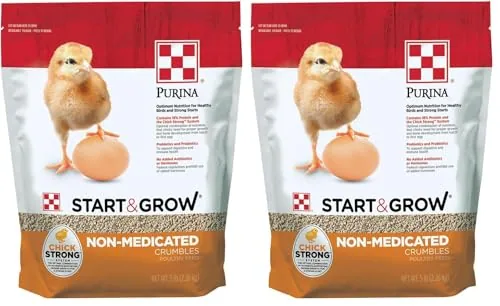
Purina Start and Grow Non-Medicated Crumbles, 5 lb x2
- Type
- Starter/grower crumbles
- Bag size
- 5 lb, pack of 2
- Medicated?
- Non-medicated
Best for First chicks
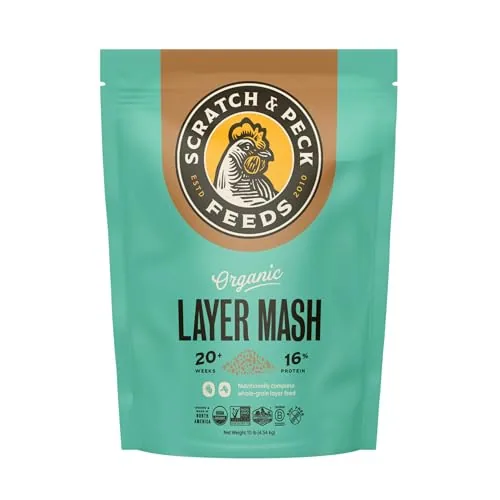
Scratch and Peck Organic Layer Mash, 10 lb
- Type
- Layer mash (organic, fermentable)
- Bag size
- 10 lb
- Protein %
- 16%
Best for Organic, soy-free layer diets
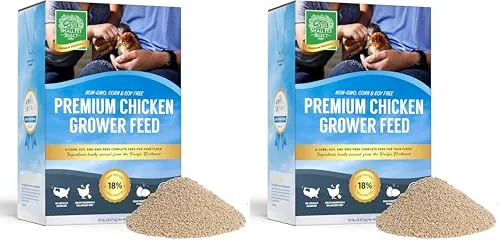
Small Pet Select Chicken Grower Feed, 20 lb x2
- Type
- Grower feed
- Bag size
- 20 lb, pack of 2
- Protein %
- 18%
Best for Growing pullets
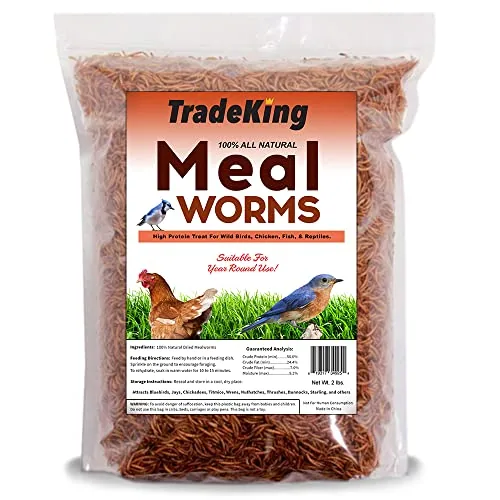
TradeKing Dried Mealworms, 2 lb
- Type
- Dried mealworms
- Size
- 2 lb
Best for Taming and treat feeding
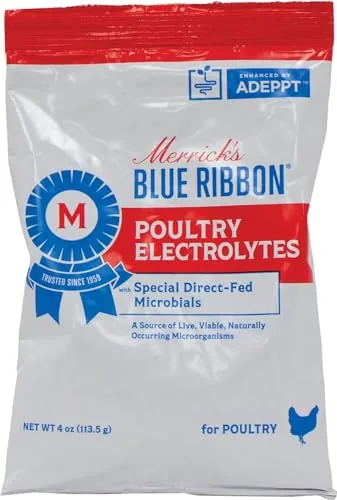
Vet's Plus Merricks Blue Ribbon Poultry Electrolytes
- Type
- Poultry electrolytes
- Size
- 4 oz
Best for Keeping on hand for hot weather
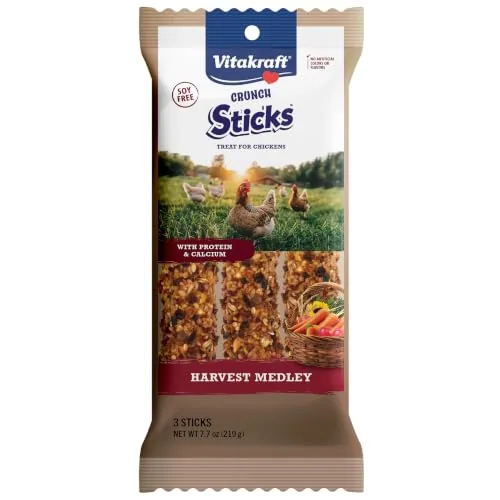
Vitakraft Crunch Sticks Chicken Treats, 3 Sticks
- Type
- Baked hanging treat sticks
- Size
- 3 sticks, 7.7 oz
Best for Enrichment in small runs
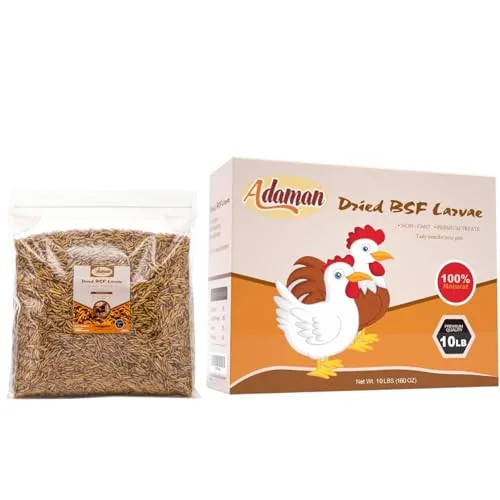
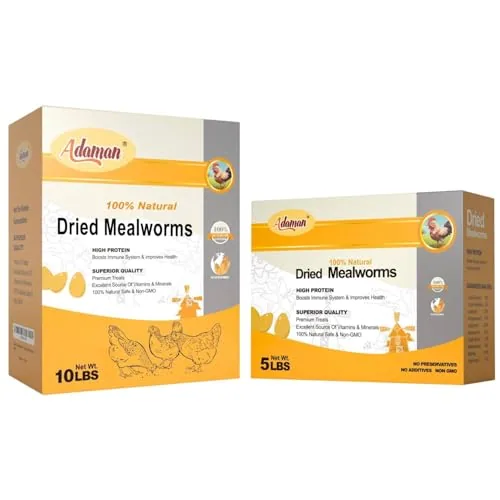
Adaman Dried Black Soldier Fly Larvae, 15 lb
- Type
- Dried BSF larvae
- Size
- 15 lb
- Protein %
- Up to 45% crude
Best for Bulk treats for laying hens
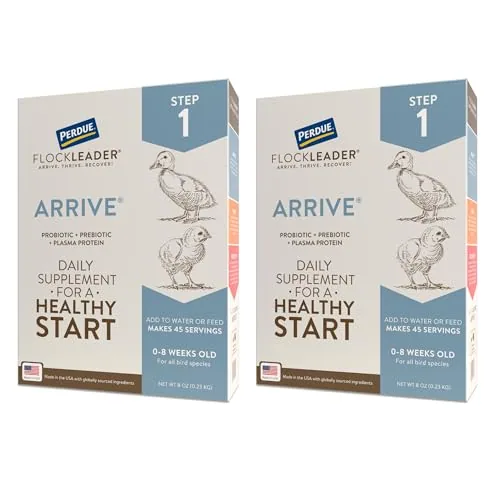
FlockLeader Arrive Chick Probiotic Water Supplement
- Type
- Probiotic/prebiotic water supplement
- Size
- 8 oz, pack of 2
- Use
- Young poultry 0-8 weeks
Best for Newly hatched chicks
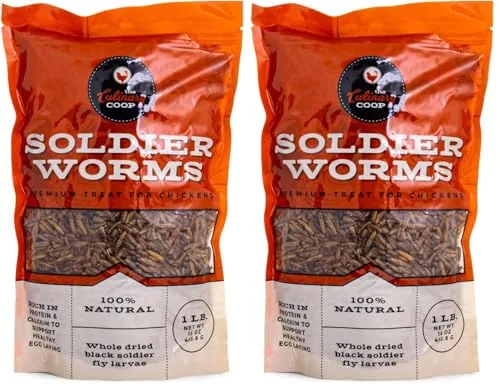
Fluker's Culinary Coop Dried Soldier Worms, 16 oz x2
- Type
- Dried BSF larvae
- Size
- 16 oz, pack of 2
Best for Laying-hen treats
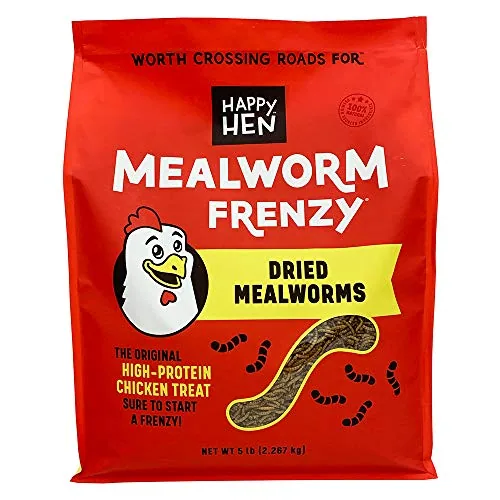
Happy Hen Treats Mealworm Frenzy, 5 lb
- Type
- Dried mealworms
- Size
- 5 lb pouch
Best for Regular treat feeders
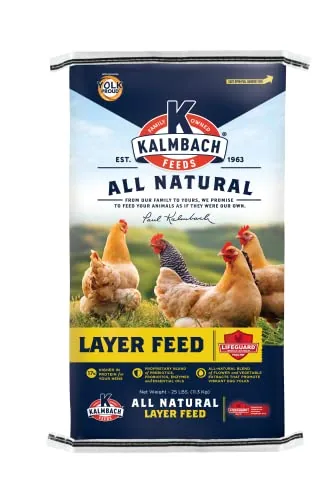
Kalmbach Feeds Layer Crumbles, 25 lb
- Type
- Layer crumbles
- Bag size
- 25 lb
- Medicated?
- Antibiotic free
Best for Hens that prefer crumbles
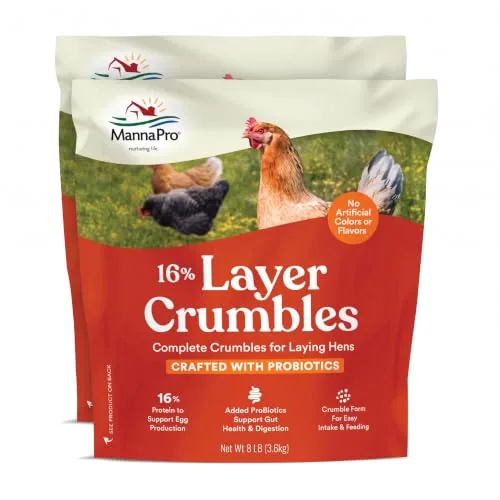
Manna Pro 16% Layer Crumbles with Probiotics, 8 lb x2
- Type
- Layer crumbles
- Bag size
- 8 lb, pack of 2
- Protein %
- 16%
Best for Small flocks preferring crumbles
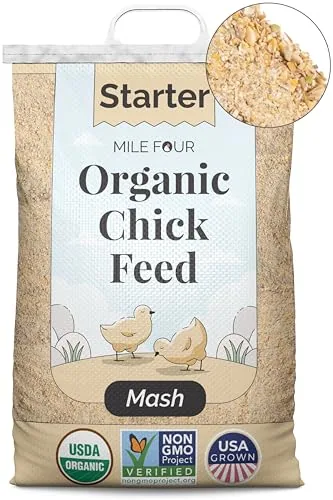
Mile Four Organic Chick Starter Mash, 23 lb
- Type
- Starter mash (organic)
- Bag size
- 23 lb
- Protein %
- 21%
Best for Organic chick rearing
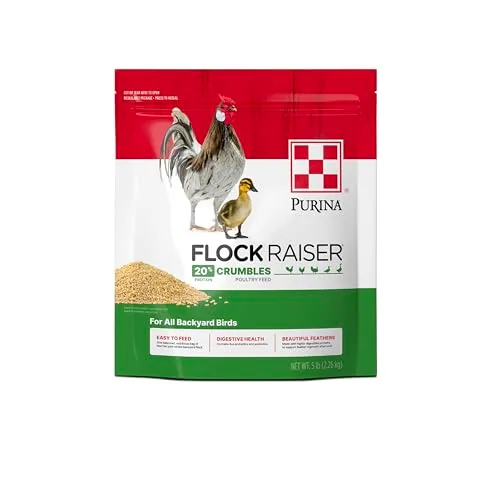
Purina Flock Raiser Crumbles, 5 lb x2
- Type
- Starter/grower crumbles (all-flock)
- Bag size
- 5 lb, pack of 2
Best for Mixed hatches of chicks and ducklings
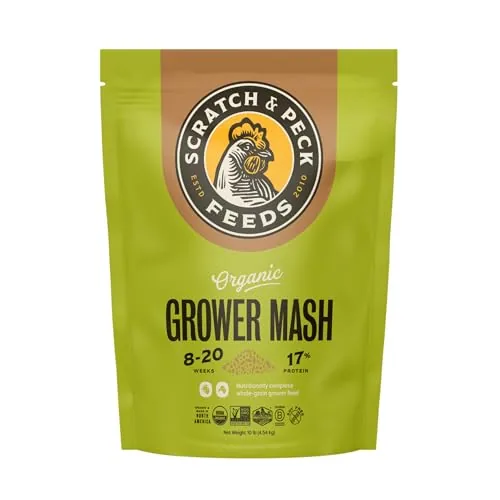
Scratch and Peck Organic Grower Mash, 10 lb
- Type
- Grower mash (organic, fermentable)
- Bag size
- 10 lb
- Protein %
- 17%
Best for Growing pullets and ducklings
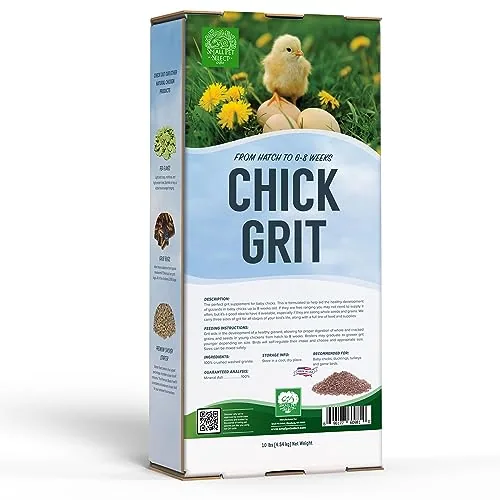
Small Pet Select Chick Grit, 10 lb
- Type
- Insoluble grit (chick size)
- Size
- 10 lb
Best for Chicks and ducklings
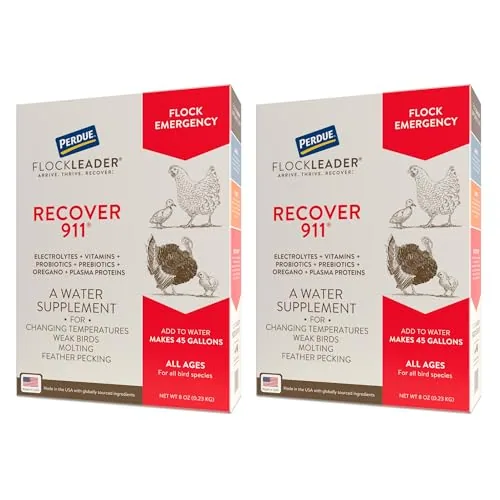
FlockLeader Recover 911 Stress Water Supplement
- Type
- Probiotic water supplement with electrolytes and oregano
- Size
- 8 oz, pack of 2
- Use
- Periods of stress (weather, molting)
Best for Supporting birds during stressful periods
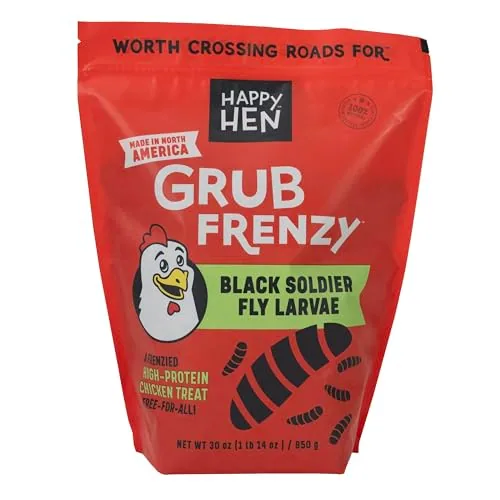
Happy Hen Treats Grub Frenzy, 30 oz
- Type
- Dried BSF larvae
- Size
- 30 oz
Best for Taming and training chickens
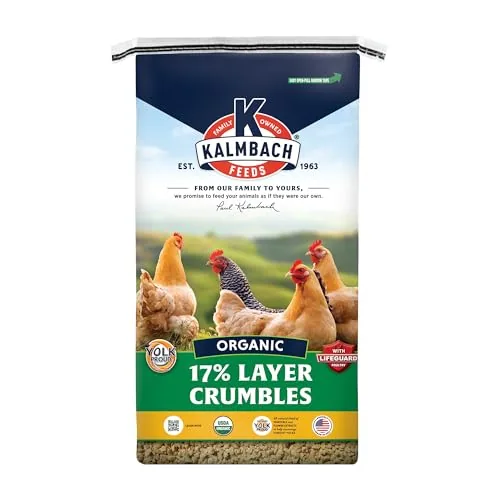
Kalmbach Organic 17% Layer Crumbles, 35 lb
- Type
- Layer crumbles (organic)
- Bag size
- 35 lb
- Protein %
- 17%
Best for Organic-fed laying flocks
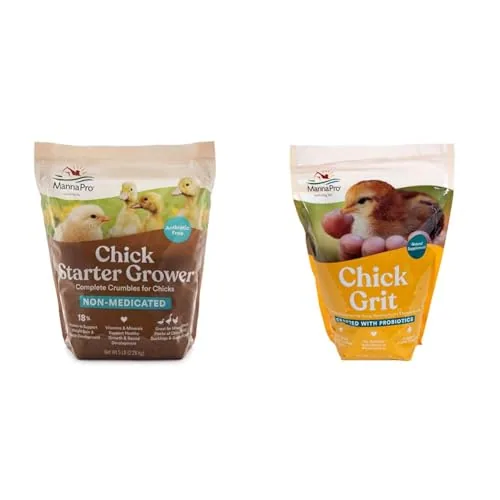
Manna Pro Chick Starter 5 lb + Chick Grit 5 lb Bundle
- Type
- Chick starter plus chick grit
- Bag size
- 5 lb + 5 lb
- Medicated?
- Without antibiotics or medications
Best for New chicks and ducklings
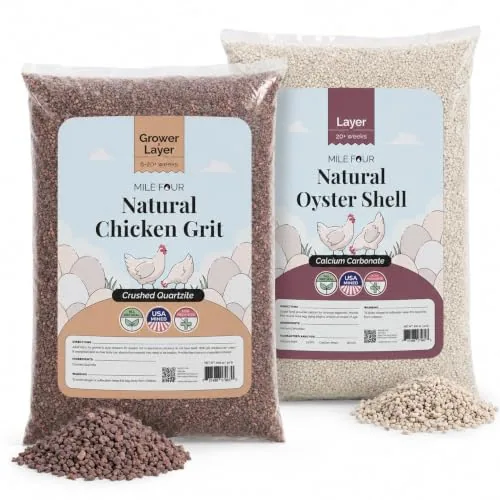
Mile Four Grit & Oyster Shell Bundle, 100 lb
- Type
- Mineral grit plus oyster shell
- Size
- 50 lb + 50 lb
Best for Large flocks and homesteads
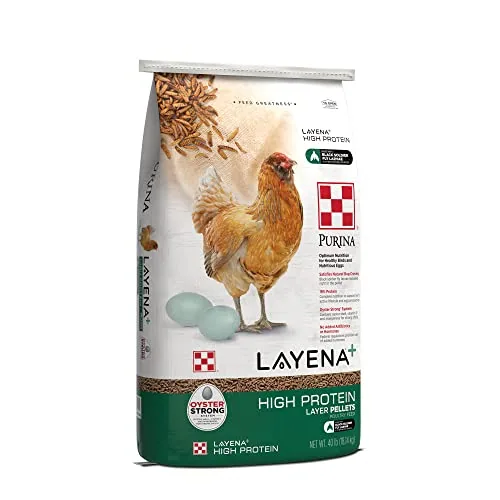
Purina Layena+ High Protein Layer Feed, 40 lb
- Type
- Layer feed (high protein)
- Bag size
- 40 lb
Best for Laying flocks needing extra protein
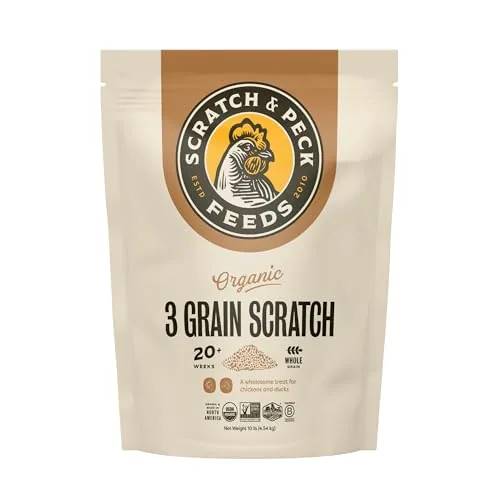
Scratch and Peck Organic 3-Grain Scratch, 10 lb
- Type
- Scratch grains (treat)
- Size
- 10 lb
- Protein %
- 10%
Best for Summer scratch treats
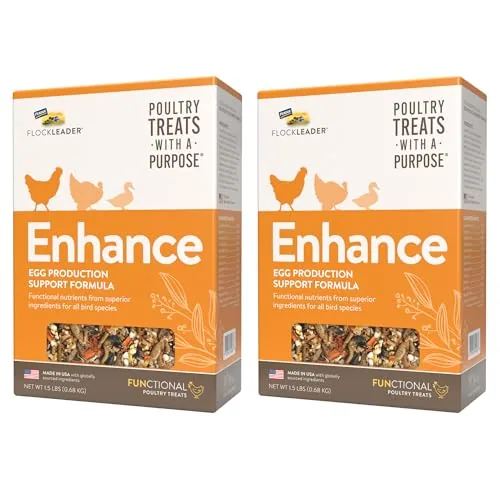
FLOCKLEADER Enhance Egg-Layer Functional Treat
- Type
- Functional treat with calcium
- Size
- 1.5 lb, pack of 2
- Use
- Poultry 8 weeks and older
Best for Laying hens
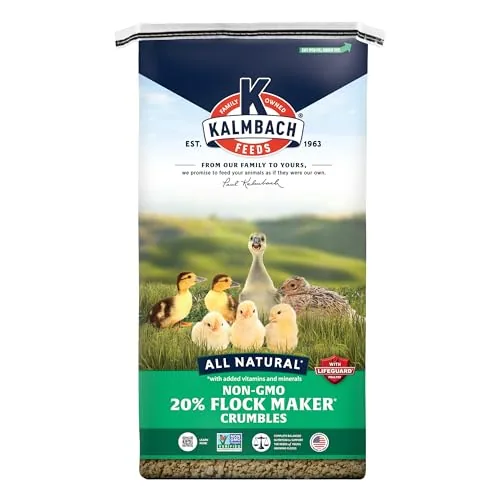
Kalmbach Non-GMO Flock Maker 20% Crumble, 50 lb
- Type
- All-flock crumbles
- Bag size
- 50 lb
- Protein %
- 20%
Best for Mixed flocks with ducks or geese
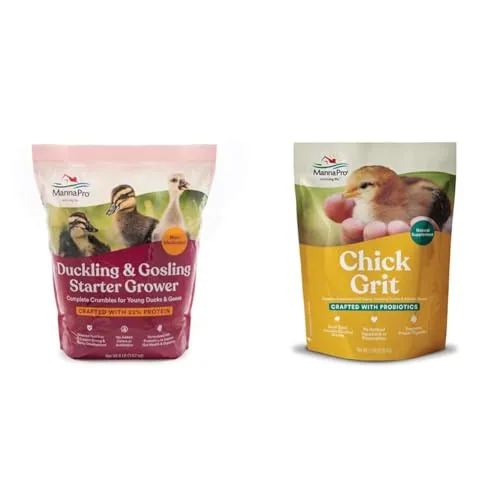
Manna Pro Duck Starter Grower 8 lb + Chick Grit Bundle
- Type
- Duck starter/grower
- Bag size
- 8 lb + 5 lb grit
- Protein %
- 22%
Best for Raising ducklings
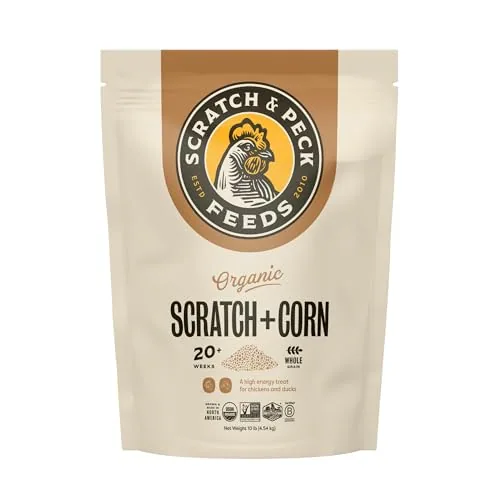
Scratch and Peck Organic Scratch + Corn, 10 lb
- Type
- Scratch grains with corn (treat)
- Size
- 10 lb
- Protein %
- 9%
Best for Winter boredom busting
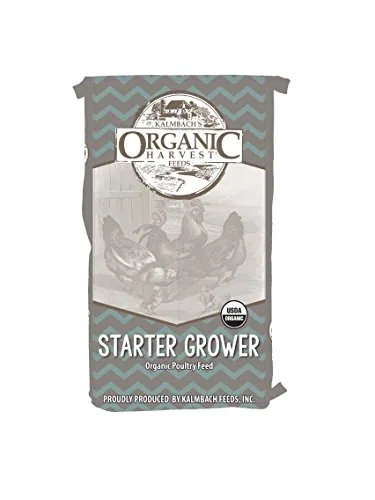
Kalmbach Organic Starter Grower Crumble, 25 lb
- Type
- Starter/grower crumbles (organic)
- Bag size
- 25 lb
Best for Meat birds from day one
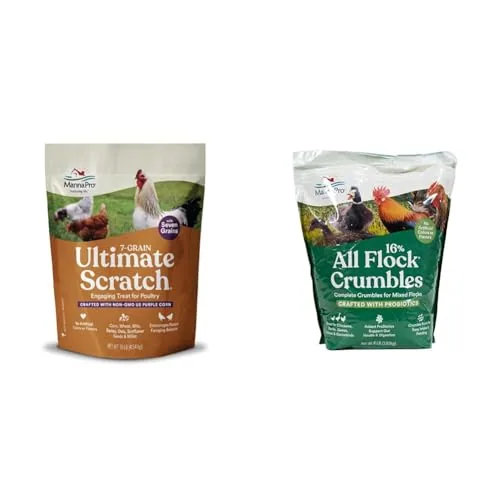
Manna Pro 7-Grain Scratch + All Flock Crumbles Bundle
- Type
- Scratch grains plus all-flock crumbles
- Bag size
- 10 lb scratch + 8 lb crumbles
Best for Mixed flocks trying both
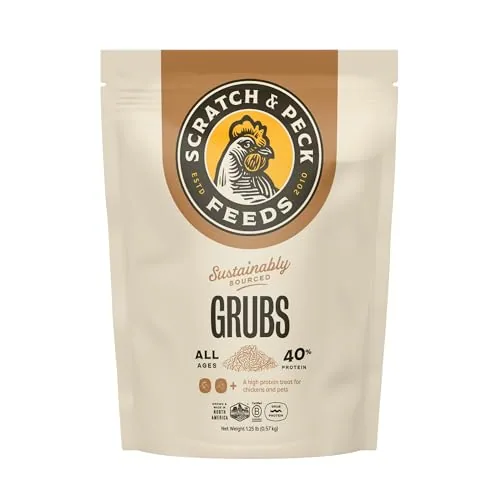
Scratch and Peck Grubs BSF Larvae, 20 oz
- Type
- Dried BSF larvae
- Size
- 20 oz
- Protein %
- 30% (title)
Best for Sustainably sourced treats
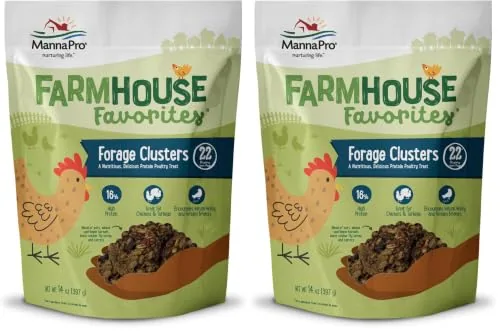
Manna Pro Forage Clusters BSF Treats, 14 oz x2
- Type
- BSF larvae and grain clusters
- Size
- 14 oz, pack of 2
Best for Boredom busters for confined hens
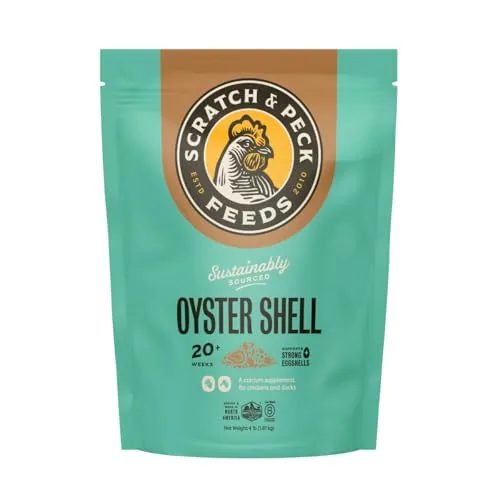
Scratch and Peck Oyster Shell, 4 lb
- Type
- Oyster shell calcium supplement
- Size
- 4 lb
Best for Free-choice calcium for layers
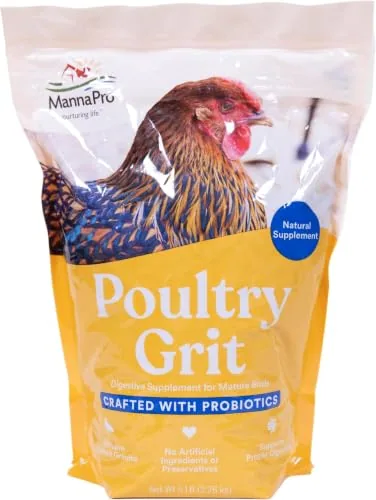
Manna Pro Chicken Grit with Probiotics, 5 lb x6
- Type
- Crushed granite grit with probiotics
- Size
- 5 lb, pack of 6
Best for Flocks fed scratch or forage
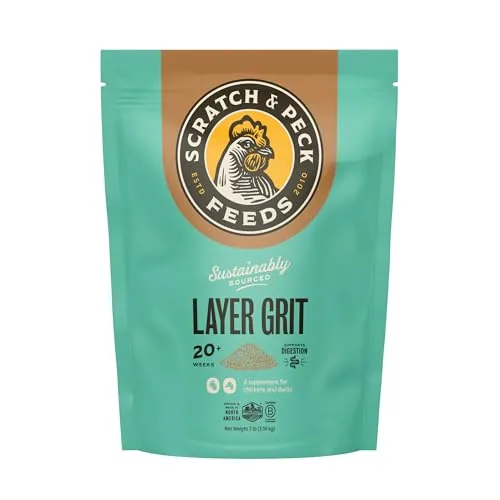
Scratch and Peck Layer Grit, 7 lb
- Type
- Insoluble grit (layer size)
- Size
- 7 lb
Best for Laying hens on whole grains
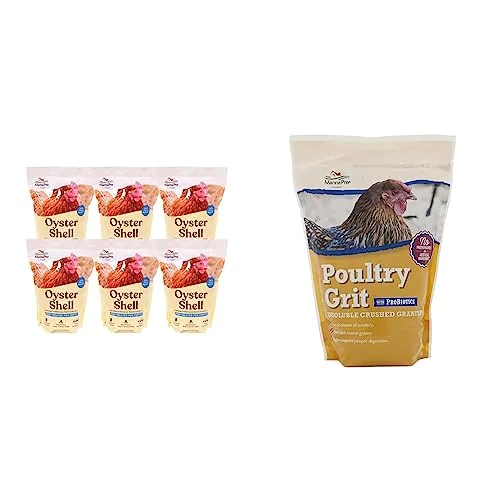
Manna Pro Oyster Shell & Poultry Grit Bundle
- Type
- Pullet-size oyster shell plus granite grit
- Size
- 5 lb packs (6-pack bundle)
- Calcium %
- Not listed
Best for Stocking up on layer supplements
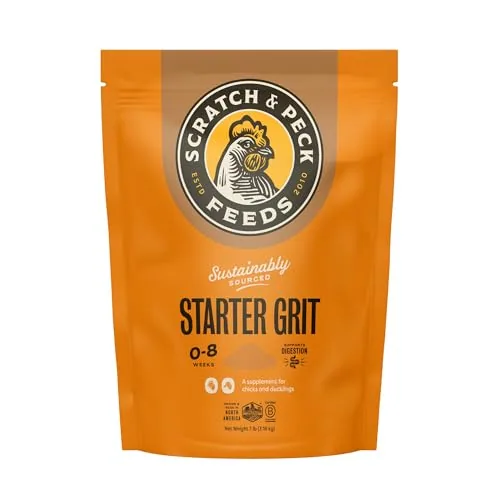
Scratch and Peck Starter Grit, 7 lb
- Type
- Insoluble grit (chick size)
- Size
- 7 lb
Best for Chicks given treats or forage
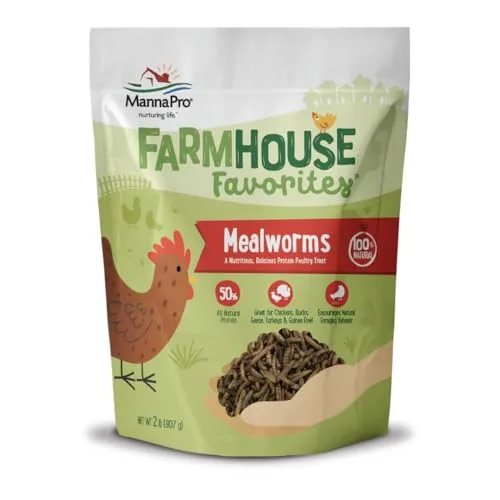
Manna Pro Farmhouse Favorites Dried Mealworms, 2 lb
- Type
- Dried mealworms
- Size
- 2 lb
- Protein %
- 50%
Best for Regular treat feeding
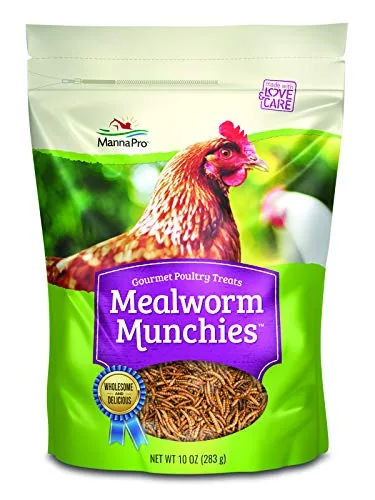
Manna Pro Mealworm Munchies, 10 oz
- Type
- Dried mealworms
- Size
- 10 oz
Best for Trying mealworm treats
No product matches every filter. Clear one to see more.
How to choose chicken feed
Chicken feed changes with age. Chicks eat a starter or starter/grower crumble from day one. Pullets move to grower, and laying hens switch to a layer feed, usually around 16–18% protein with added calcium, at about 18 weeks or when the first egg appears. Feed the complete ration as the main diet; everything else is extra.
- Pellets, crumbles or mash. Same nutrition in different shapes. Pellets waste the least; crumbles suit younger birds; mash can be fermented, as Scratch and Peck suggests for its organic mashes.
- Organic, non-GMO, soy-free. These are labels about ingredients, not about more eggs. Choose what fits your budget and values.
- Bag size. Feed goes stale. Buy what your flock eats in about a month and store it dry in a lidded metal bin.
Kalmbach Feeds Layer Pellets, 25 lb
- Type
- Layer pellets
- Bag size
- 25 lb
- Medicated?
- Antibiotic free
Best for Everyday laying-hen feed
Purina Layena+ High Protein Layer Feed, 40 lb
- Type
- Layer feed (high protein)
- Bag size
- 40 lb
Best for Laying flocks needing extra protein
Scratch and Peck Organic Layer Mash, 10 lb
- Type
- Layer mash (organic, fermentable)
- Bag size
- 10 lb
- Protein %
- 16%
Best for Organic, soy-free layer diets
Manna Pro 16% Layer Pellets with Probiotics, 8 lb x2
- Type
- Layer pellets
- Bag size
- 8 lb, pack of 2
- Protein %
- 16%
Best for Small flocks buying feed in small bags
Chick starter: medicated or not?
Medicated chick starter usually contains amprolium, a coccidiostat, not an antibiotic. Chicks vaccinated for coccidiosis at the hatchery usually get unmedicated starter; ask the hatchery. Read the bag label and use it per the label. Unmedicated options here include Purina Start and Grow, Manna Pro Chick Starter and Mile Four Organic Chick Starter.
Purina Start and Grow Non-Medicated Crumbles, 5 lb x2
- Type
- Starter/grower crumbles
- Bag size
- 5 lb, pack of 2
- Medicated?
- Non-medicated
Best for First chicks
Manna Pro Chick Starter 5 lb + Chick Grit 5 lb Bundle
- Type
- Chick starter plus chick grit
- Bag size
- 5 lb + 5 lb
- Medicated?
- Without antibiotics or medications
Best for New chicks and ducklings
Mile Four Organic Chick Starter Mash, 23 lb
- Type
- Starter mash (organic)
- Bag size
- 23 lb
- Protein %
- 21%
Best for Organic chick rearing
Treats, grit and oyster shell
Mealworms and black soldier fly larvae are protein-rich treats that hens chase eagerly. Keep treats and scratch to a small share of the diet so the layer feed stays balanced; around 10% is a widely used guideline. Offer oyster shell free-choice to laying hens for extra calcium and insoluble grit to any bird that eats more than complete feed.
Happy Hen Treats Mealworm Frenzy, 30 oz
- Type
- Dried mealworms
- Size
- 30 oz tub
Best for Training and taming hens
Scratch and Peck Grubs BSF Larvae, 20 oz
- Type
- Dried BSF larvae
- Size
- 20 oz
- Protein %
- 30% (title)
Best for Sustainably sourced treats
Manna Pro Farmhouse Favorites Dried Mealworms, 2 lb
- Type
- Dried mealworms
- Size
- 2 lb
- Protein %
- 50%
Best for Regular treat feeding
Scratch and Peck Oyster Shell, 4 lb
- Type
- Oyster shell calcium supplement
- Size
- 4 lb
Best for Free-choice calcium for layers
Scratch and Peck Layer Grit, 7 lb
- Type
- Insoluble grit (layer size)
- Size
- 7 lb
Best for Laying hens on whole grains
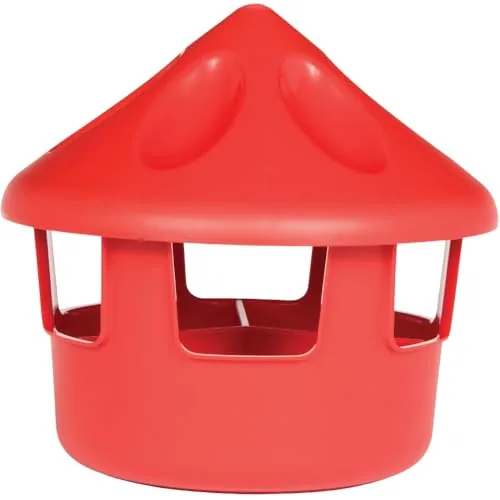
Premier 1 Grit & Oyster Shell Feeder, 6 lb
- Type
- Divided wall feeder
- Capacity
- 6 lb
- Material
- Heavy-duty plastic
Best for Offering grit and oyster shell free-choice
Ducks need more niacin than chicks, so use a waterfowl or all-flock feed for ducklings. See ducks, quail and turkeys and why your chickens are not laying.
Read before you buy
 Best of
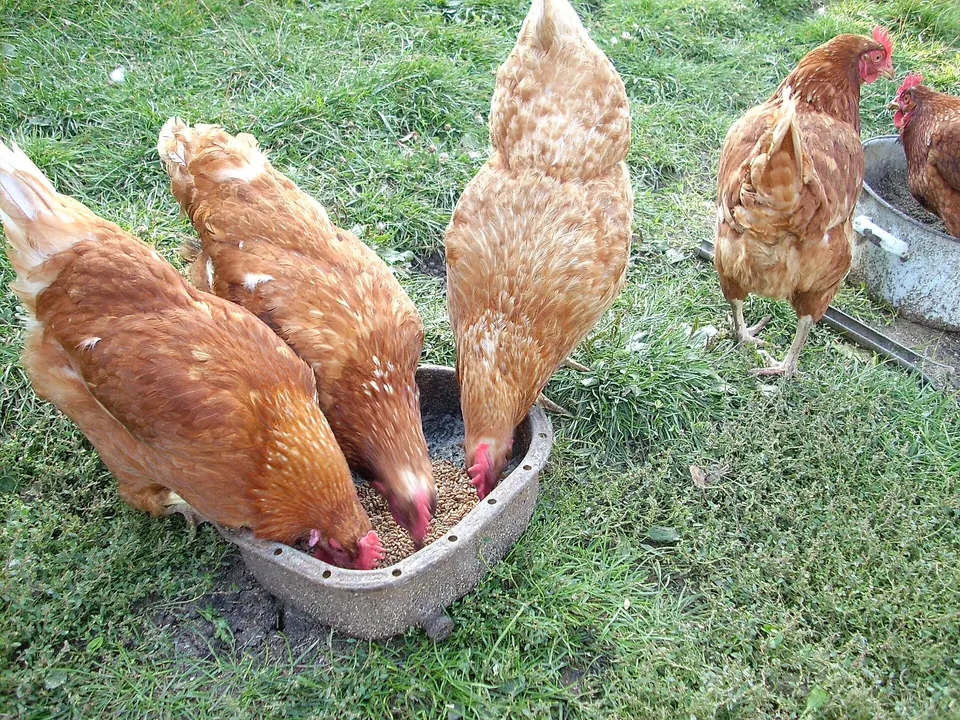
Best layer feed for backyard chickens: pellets, crumbles, mash
Best layer feed for backyard hens compared by listed protein, form and bag size: Purina, Kalmbach, Manna Pro, Scratch…
 Best of
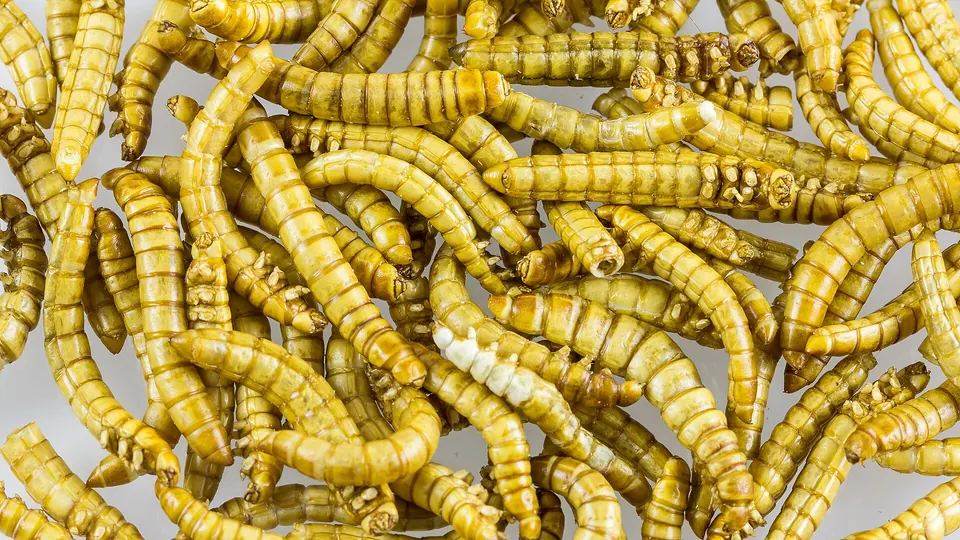
Best mealworms and grubs for chickens: dried treats compared
Best mealworms for chickens and black soldier fly grubs compared by listed protein and bag size: Happy Hen, Manna Pro,…
 Versus
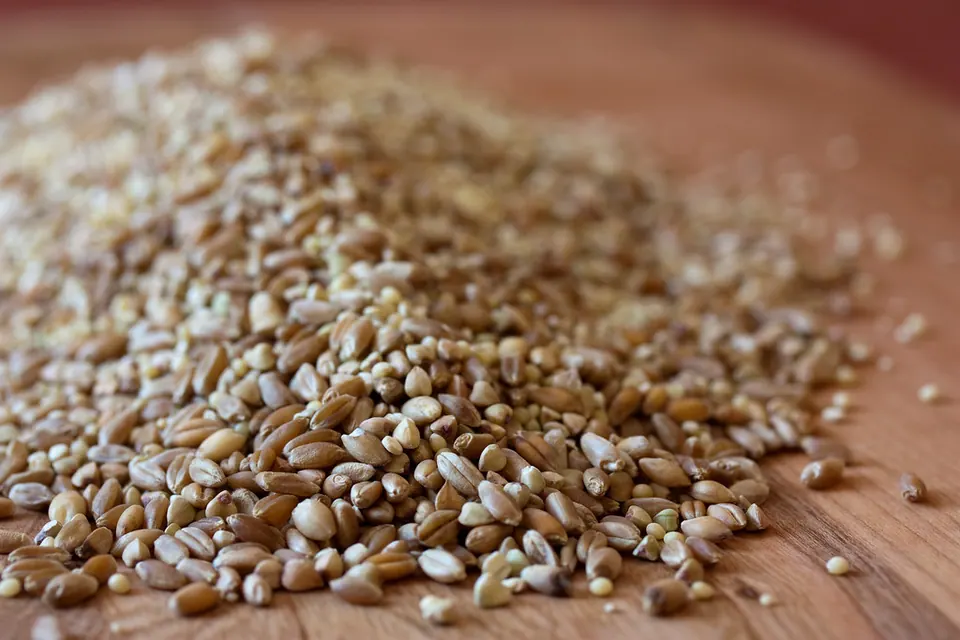
Manna Pro vs Kalmbach layer feed: protein, form and bag size
Manna Pro vs Kalmbach layer feed compared by what each listing states: protein, pellets or crumbles, additives,…
 Versus
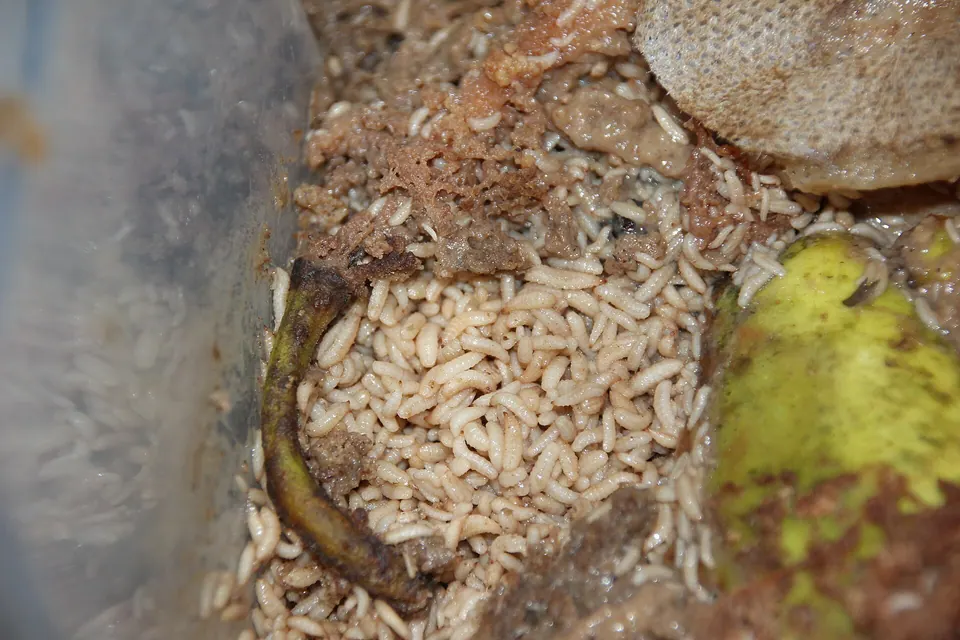
Mealworms vs black soldier fly larvae: chicken treats compared
Mealworms vs black soldier fly larvae for chickens: listed protein and fat, maker calcium claims, sourcing, bag sizes…
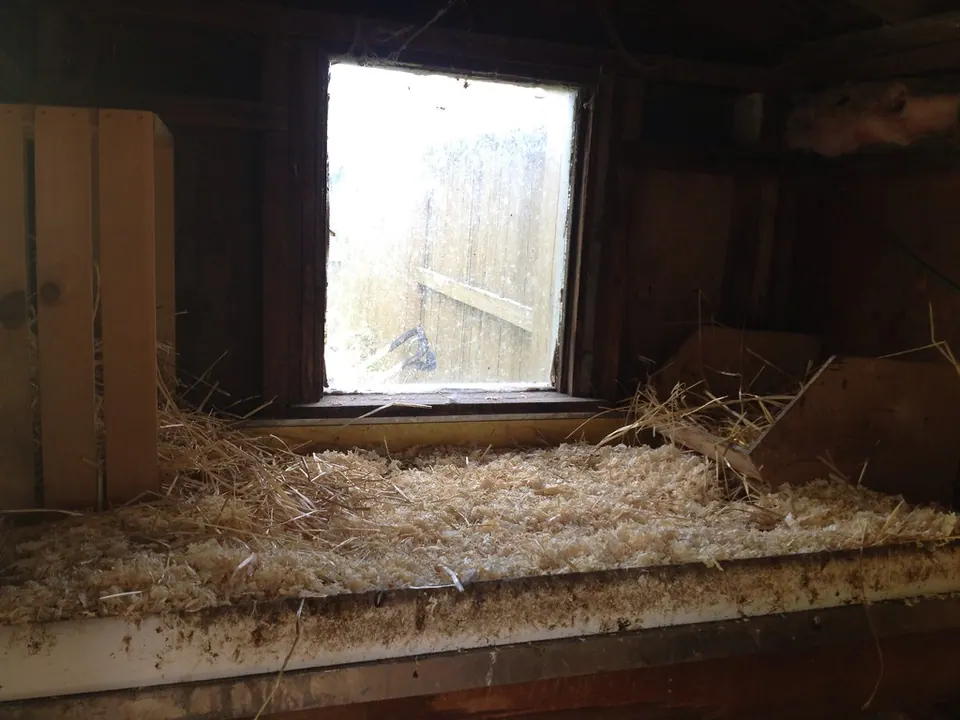 Guide
Why are my chickens not laying? 10 causes and what to check
Why are my chickens not laying? Check age, daylight, molt, broodiness, feed, heat, stress, hidden nests, egg eaters…
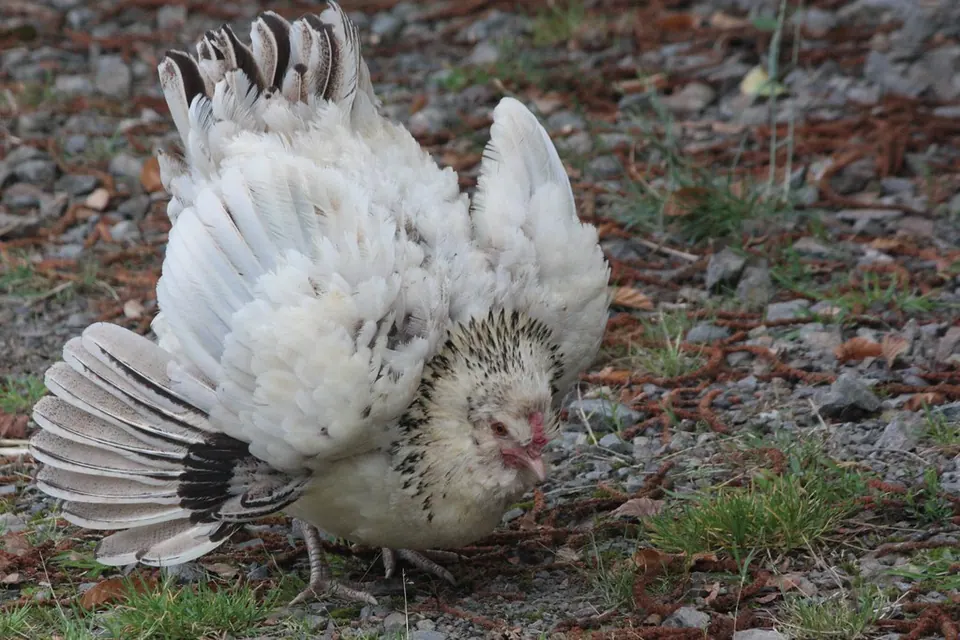 Guide
Molting and broody hens: what is normal and what to do
Molting and broody hens: why hens drop feathers and stop laying, how long a molt lasts, how to help, and how to break…