Bredasinx
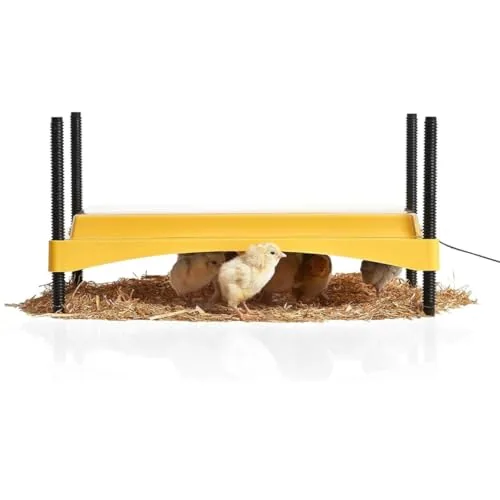
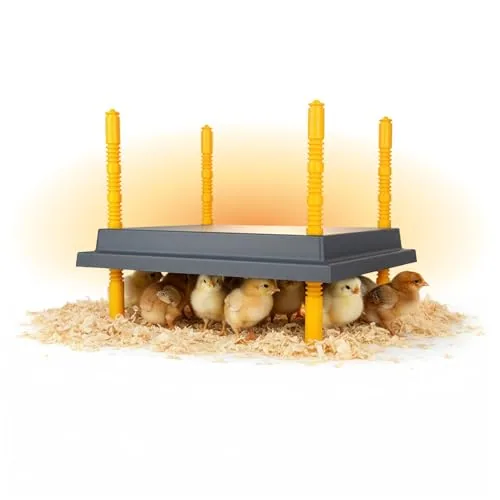
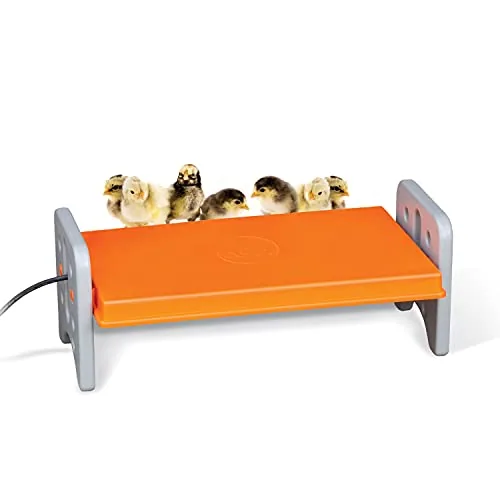
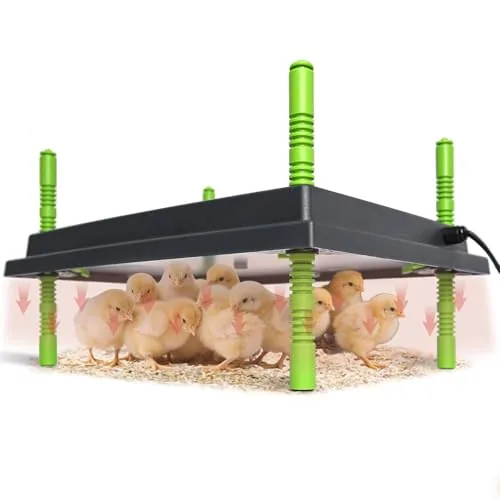
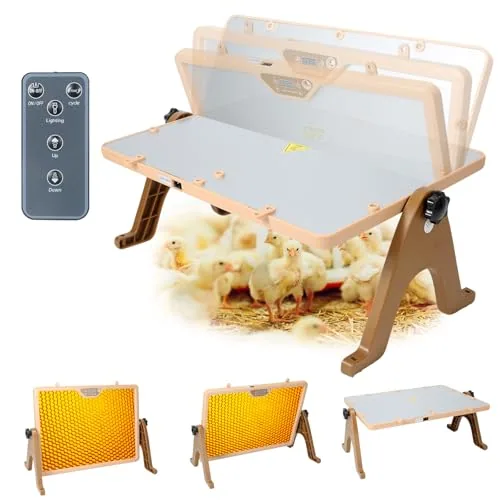
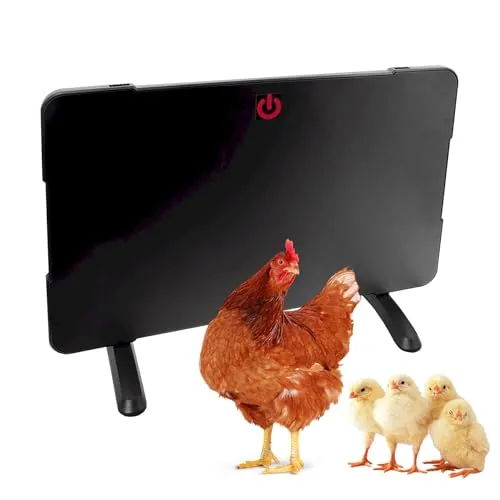
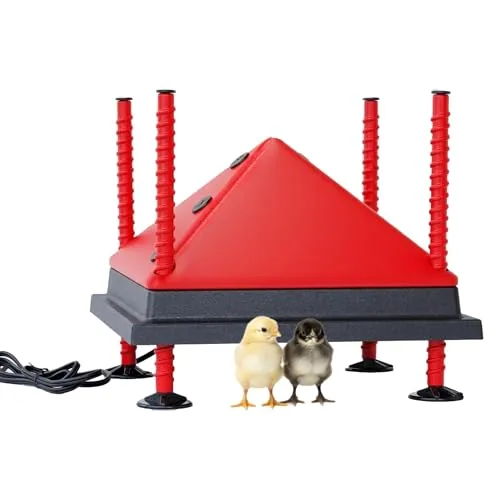
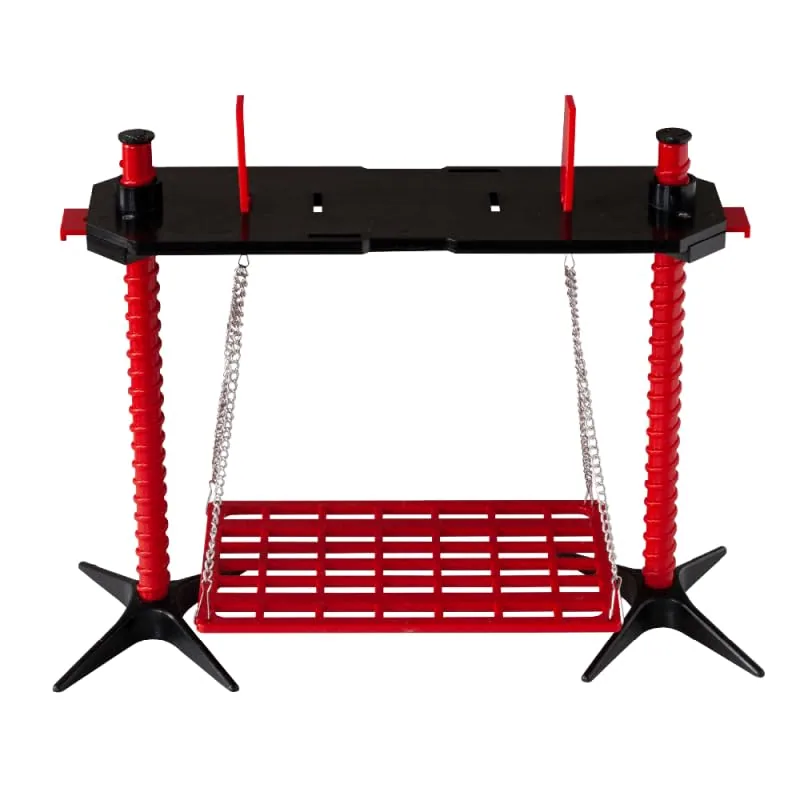
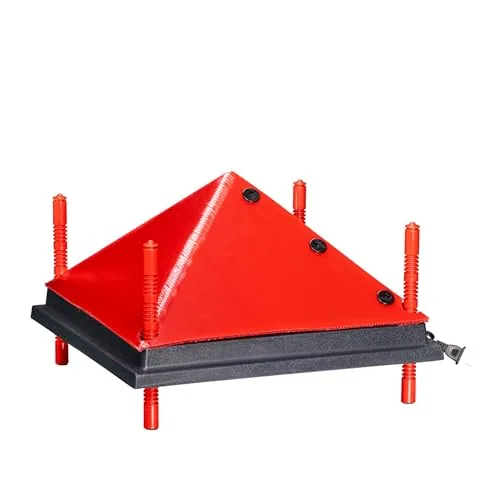
BREDASINX 10x10 Chick Brooder Plate, Digital Display
- Heated area
- 10 x 10 in
- Height adjustment
- Adjustable
- Temperature
- Adjustable 95–149°F with digital display
Best for Small batches of chicks
Brooder kits, heat plates, safer heat lamps, chick feeders and waterers, compared by plate size, wattage, height settings and the chick count each maker lists.
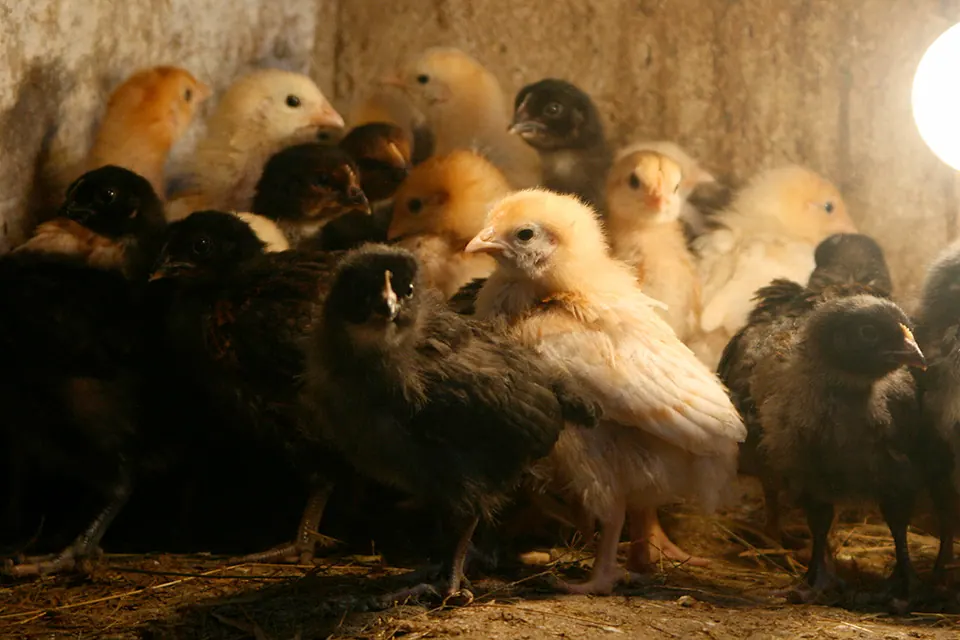
Best for Small batches of chicks
Best for Larger chick or duckling batches
Best for Lining a brooder for week one
Best for Quail and chick brooders
Best for First-time chick keepers
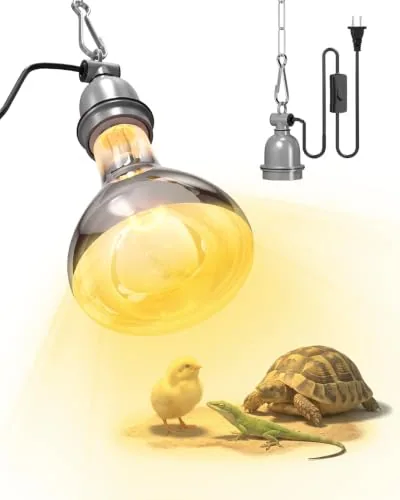
Best for Traditional lamp brooding with care
Best for Small backyard chick batches
Best for Growing chicks
Best for Indoor brooding in a garage or barn
Best for Medium chick batches
Best for Temporary chick pen indoors
Best for Small chick batches
Best for Simple chick watering
Best for An all-in-one first brooder
Best for Lamp brooding with a guard
Best for Supplemental heat in damp barns
Best for Kitting out a first brooder
Best for Keepers who must use a lamp
Best for Small batches of up to 15
Best for Medium batches
Best for First chick brooder
Best for Simple first brooders
Best for Spot heat in a small coop
Best for Small home or classroom batches
Best for DIY quail and chick waterers
Best for Brooding, then winter coop backup heat
Best for Cages and small brooders
Best for Quail and tiny chicks
Best for Home batches up to 20
Best for Home batches up to 20
Best for Simple chick feeding
Best for Larger mixed batches
Best for Indoor brooding of a small batch
Best for A ready-made first brooder
Best for A complete small first brooder
Best for Little Red Barn owners
Best for Chicks and quail
Best for Brooder enrichment
Best for Larger brooder batches
No product matches every filter. Clear one to see more.
A chick brooder is a draft-free box or pen with a heat source, a chick feeder, a shallow waterer and absorbent bedding. Penn State Extension starts chicks at 92–95°F at chick level and lowers the heat about 5°F a week until they are feathered, around weeks 5–8. Floor space grows from about ¼ to 1 square foot per chick.
Brooder temperature at chick level, under the heat source
| Chick age | °F | °C | Floor space per chick |
|---|---|---|---|
| Week 1 | 92–95°F | 33–35°C | ¼ sq ft |
| Weeks 2–3 | 85–90°F | 29–32°C | ½ sq ft |
| Weeks 3–5 | 80–85°F | 27–29°C | ¾ sq ft |
| Weeks 5–8 | 70–80°F | 21–27°C | 1 sq ft |
| Week 8 on | Room temperature | — | 1½ sq ft, more for large breeds |
Source: Penn State Extension, Brooding of Domestic Fowl. Watch the chicks too: huddled under the heat means cold, crowded at the edges means too hot.
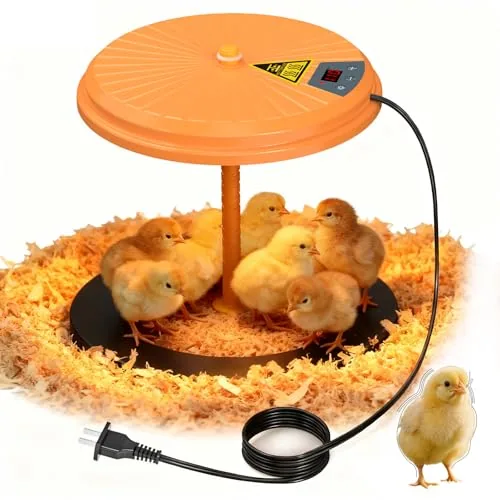
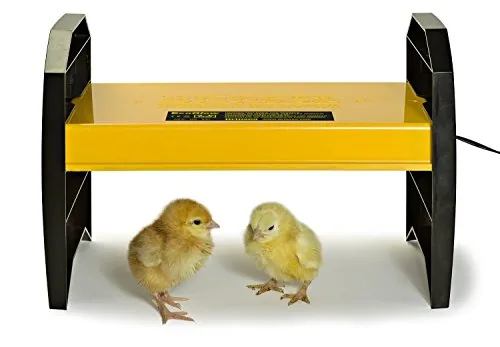
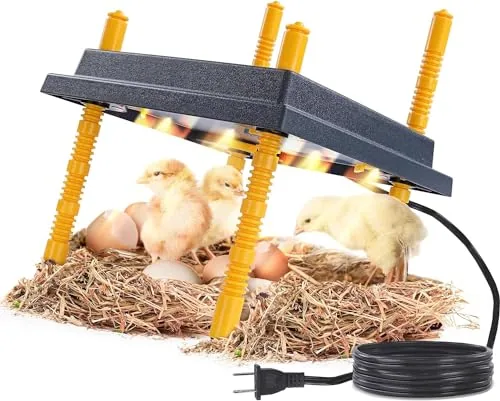
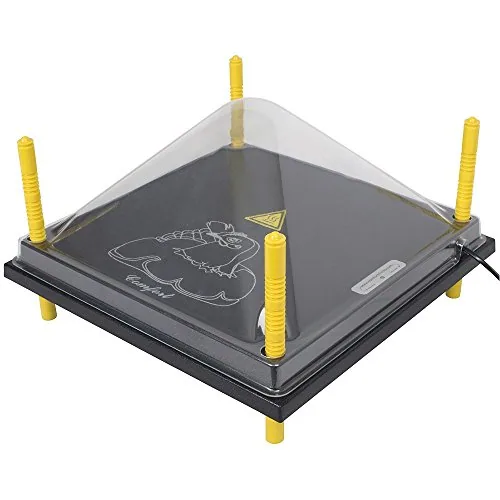
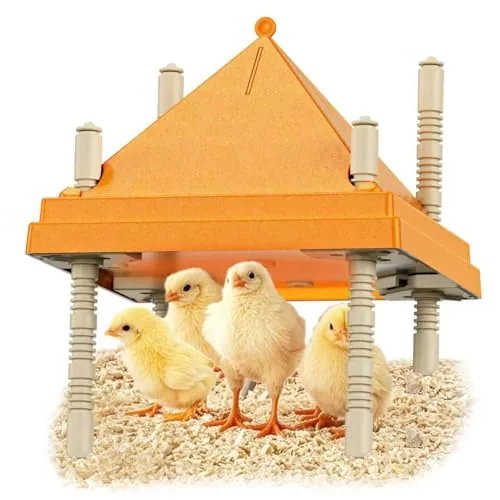
Heat plates let chicks warm up by touching the underside and walk away when they are warm, like a hen. Size the plate by the chick count the maker lists, and remember that count drops as chicks grow. Raise the legs each week as the birds get taller.
Best for Home batches up to 20
Best for Home batches up to 20
Best for Larger chick or duckling batches
Best for Medium chick batches
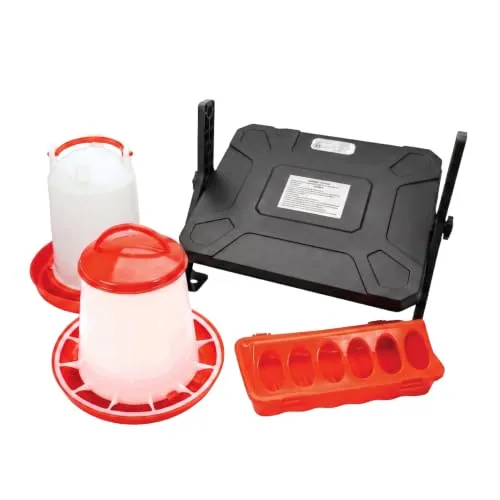
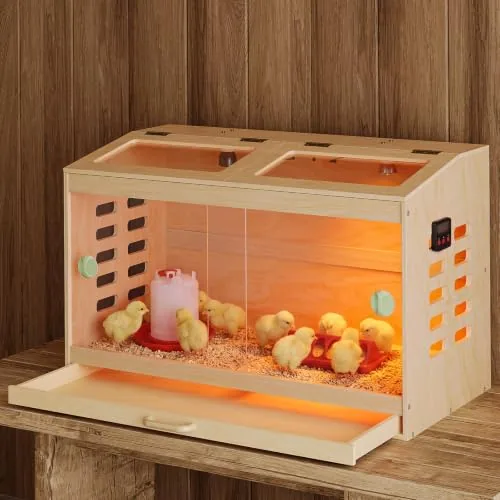
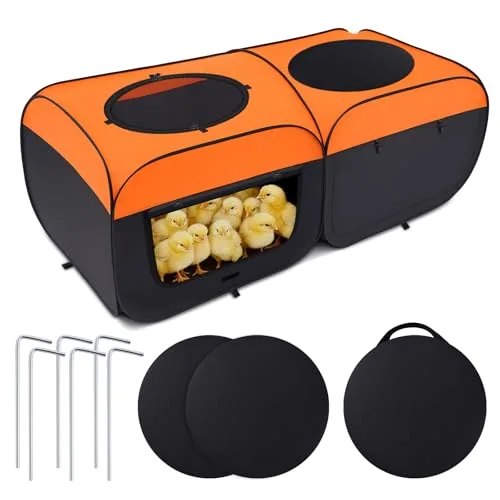
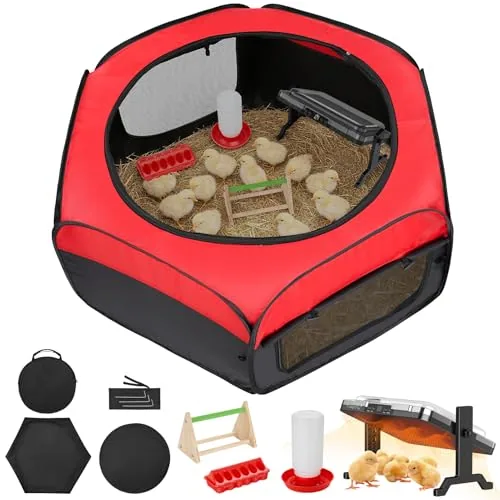
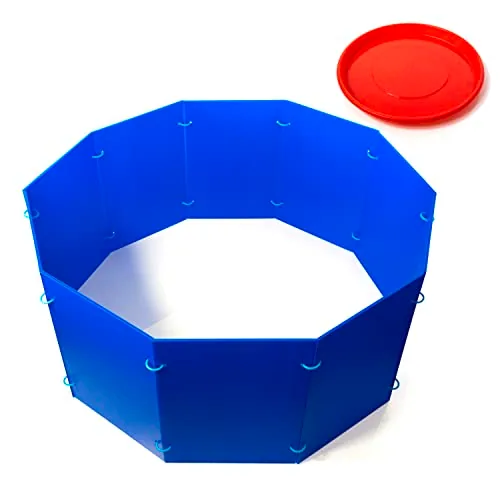
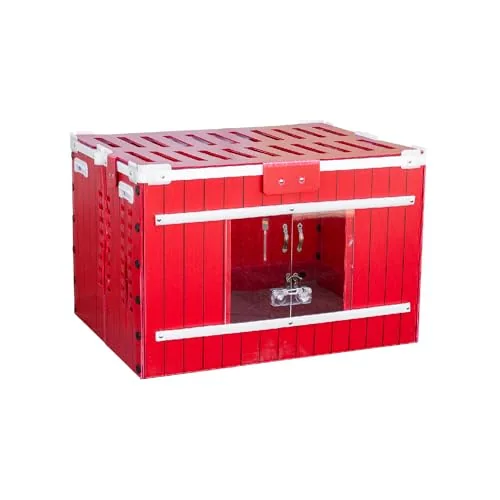
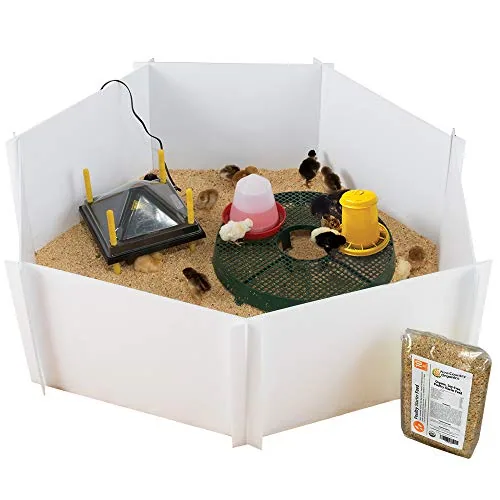
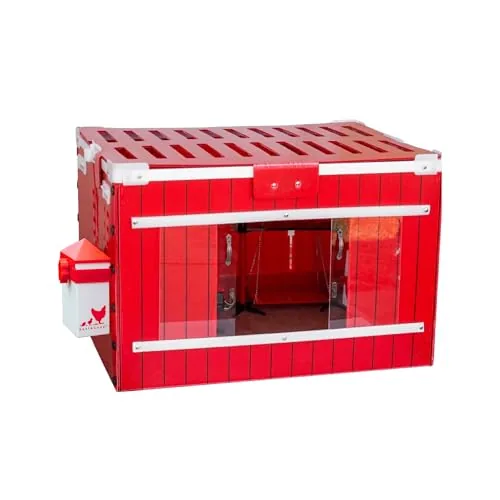
A kit puts the pen, plate, feeder and waterer in one box, which saves guessing at sizes. A plastic tote or cardboard ring with a separate plate works just as well if you match the plate to the chick count. The brooder setup guide walks through both.
Best for A complete small first brooder
Best for First-time chick keepers
Best for A ready-made first brooder
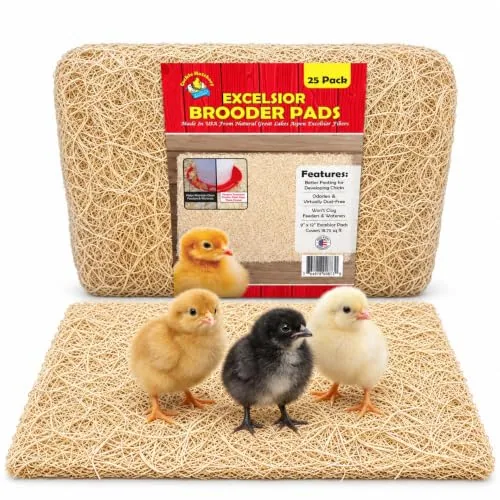
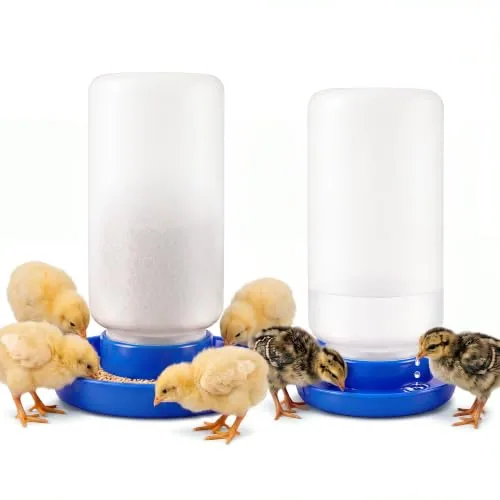
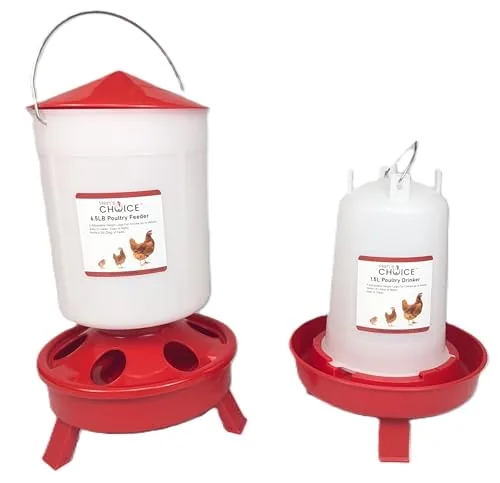
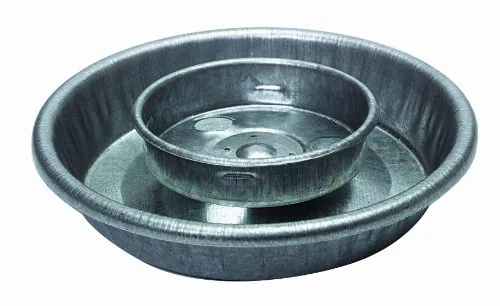
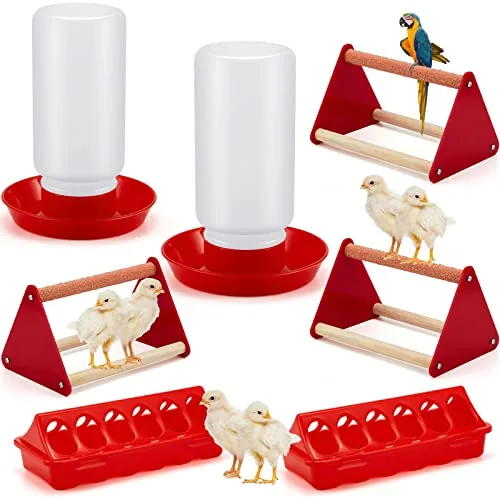
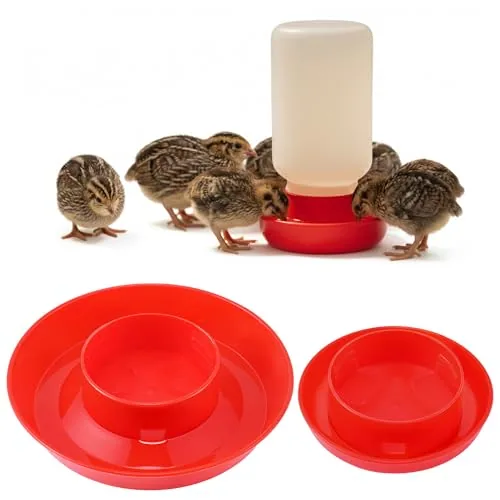
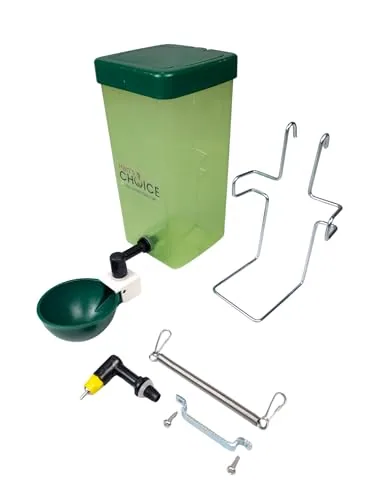
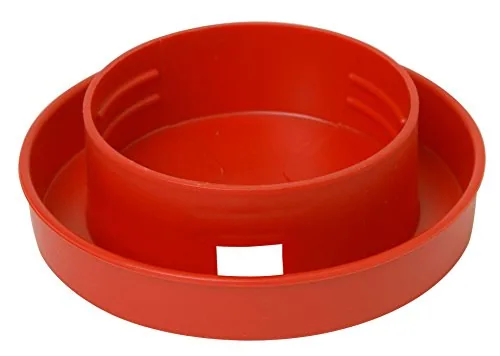
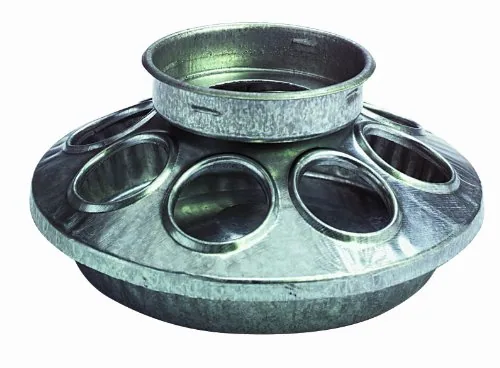
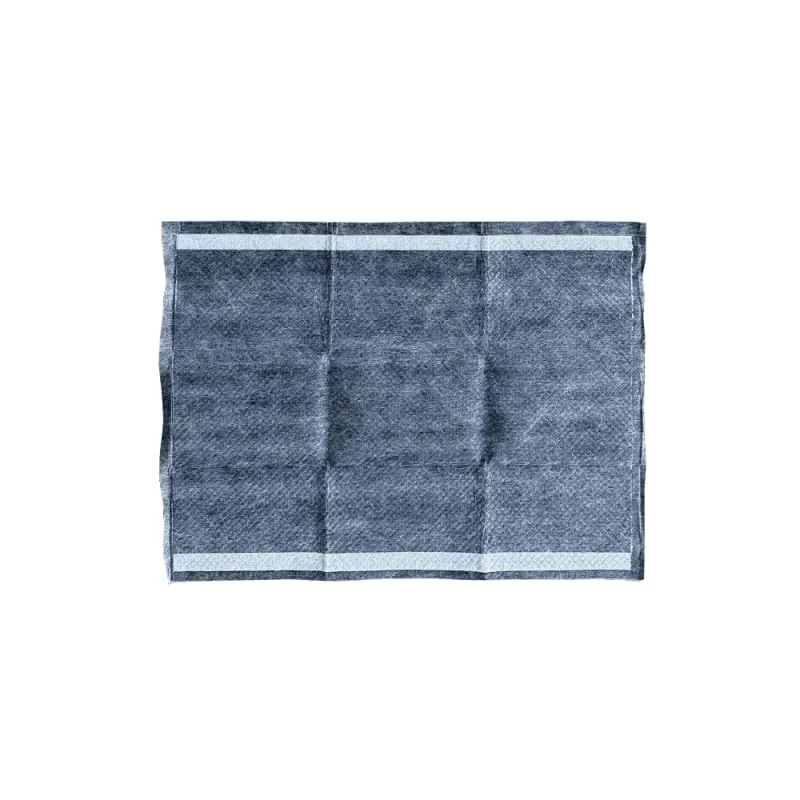
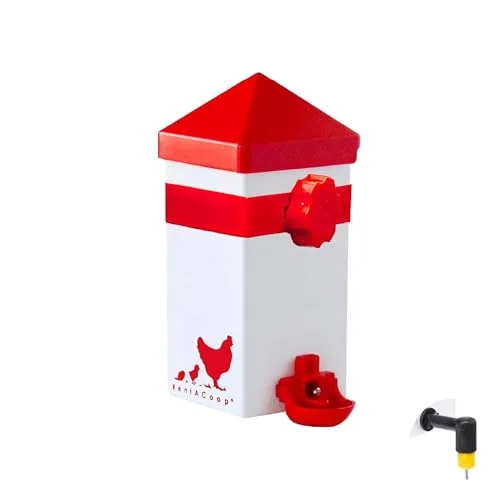
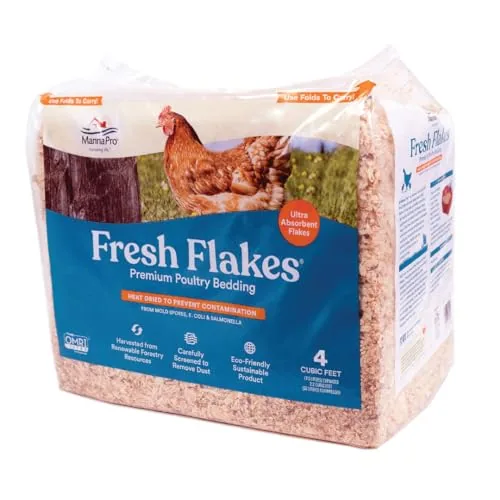
Chicks need a narrow, shallow water channel so they cannot fall in. Quail and very small chicks need an even narrower base. Raise feeders and waterers to back height to keep shavings out. Pine shavings are the usual bedding; avoid slick newspaper, which can lead to splayed legs.
Best for Chicks and quail
Best for Simple chick feeding
Best for Quail and tiny chicks
Best for Everyday coop bedding
Week-by-week care, from first drink to moving outside, is in how to raise baby chicks.
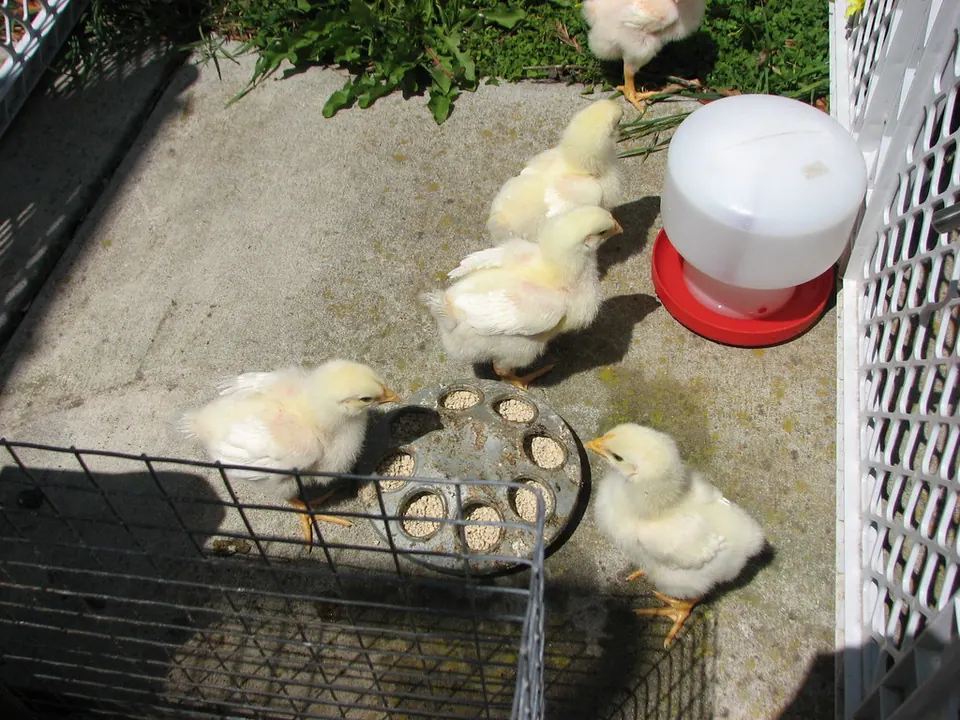 Best of
Best chick brooders compared by listed floor size, chick count and heat source, with Penn State space and temperature…
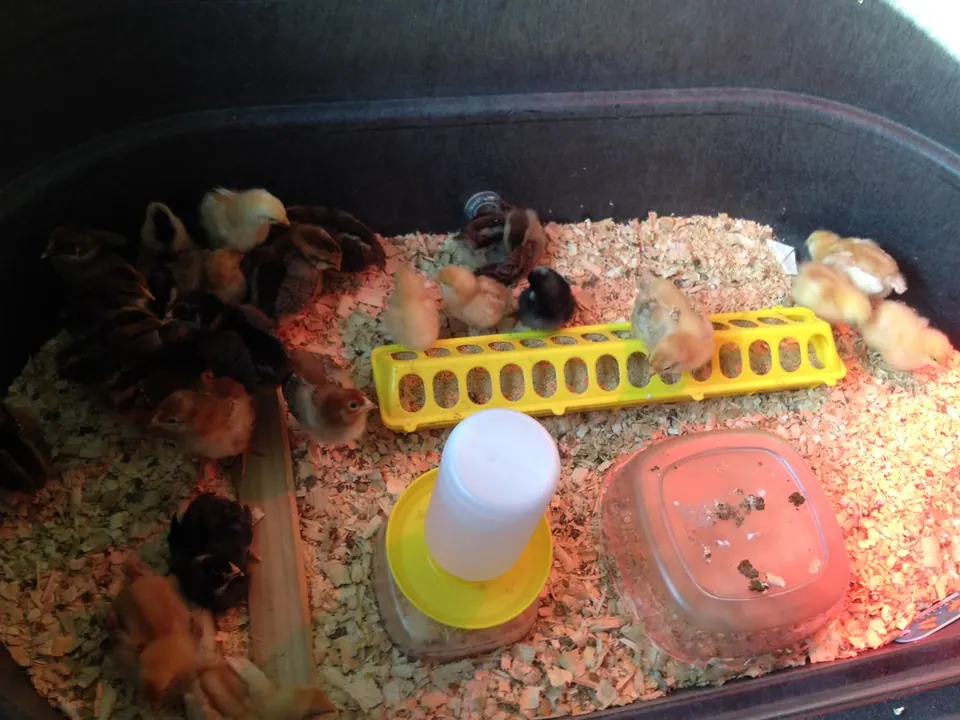 Best of
Best brooder heat plates compared by listed size, wattage, chick rating and height adjustment, a lower-fire-risk…
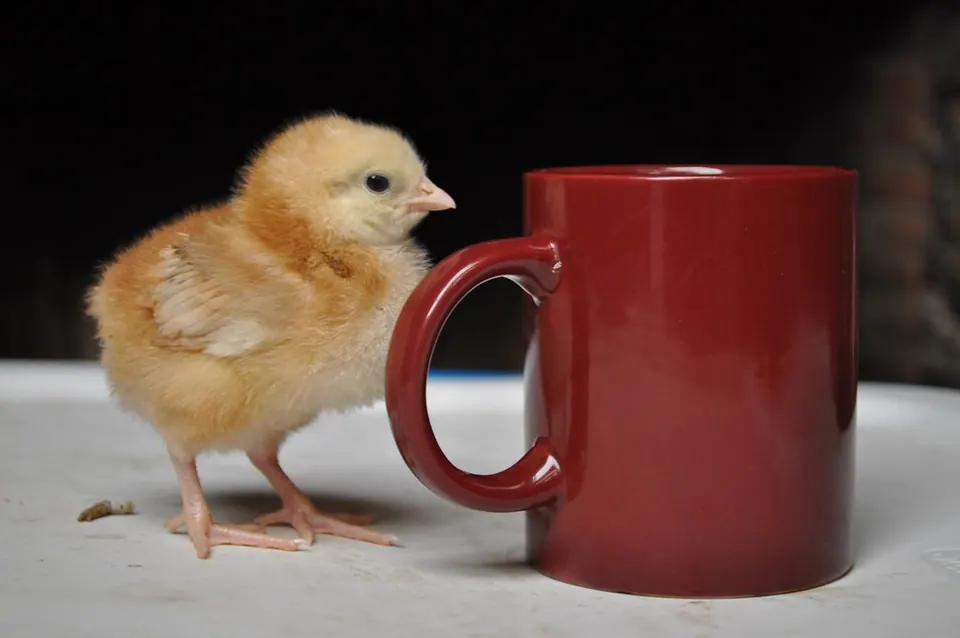 Review
Brinsea EcoGlow review: the Safety 1200 heat plate brooder, 18 W at 12 V, up to 35 new chicks, compared with heat…
 Versus
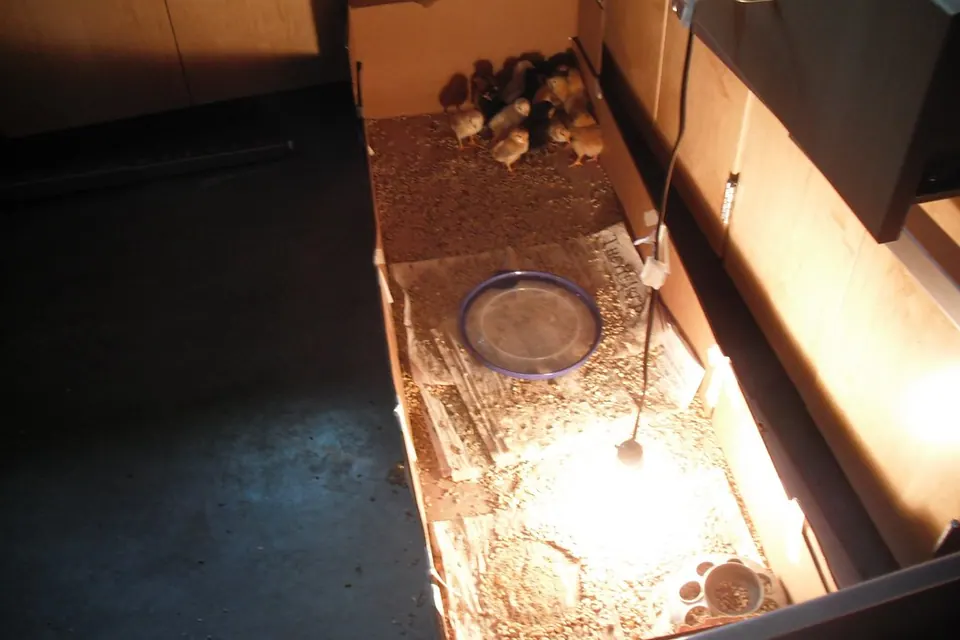
Heat plate vs heat lamp for chicks: fire safety per fire marshals and Penn State, listed wattage, chick capacity and…
 Versus
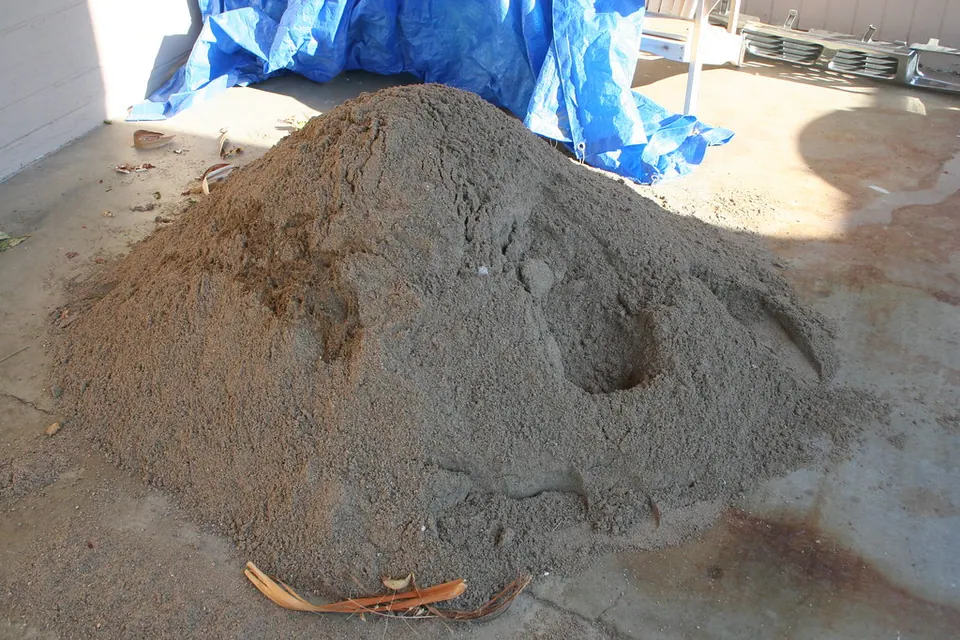
Pine shavings vs hemp vs sand for chicken coop bedding: absorbency claims, dust, deep litter, cleaning, cold weather…
 Guide
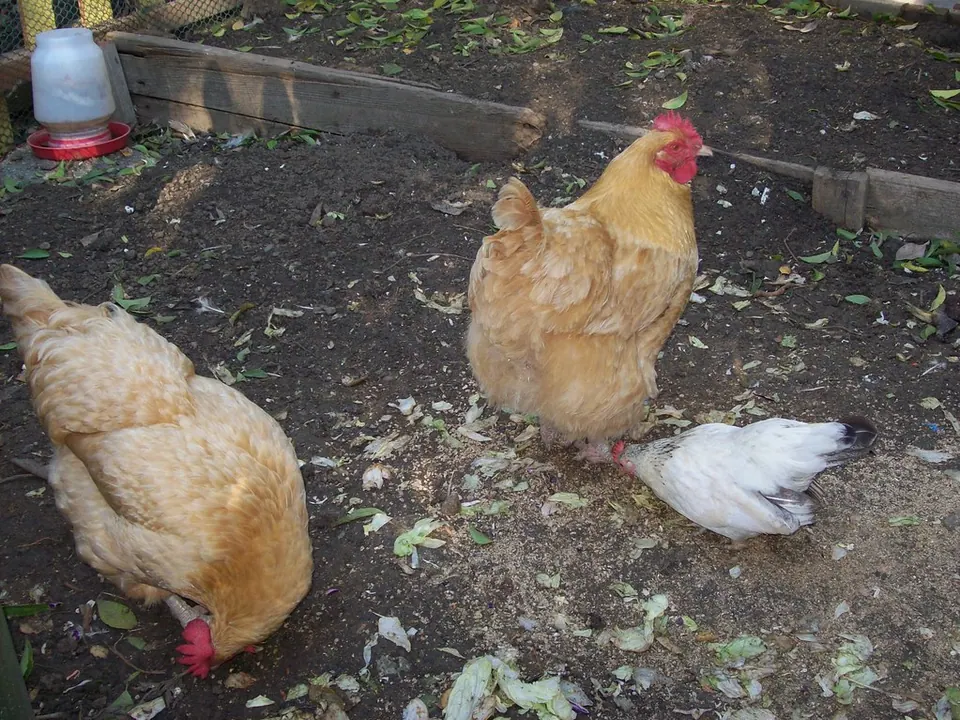
How to start raising chickens: check local rules, size the coop, choose chicks or pullets, set up feed and water, and…