Bredasinx
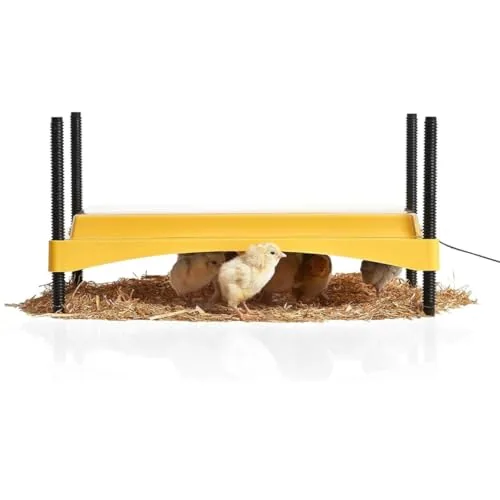
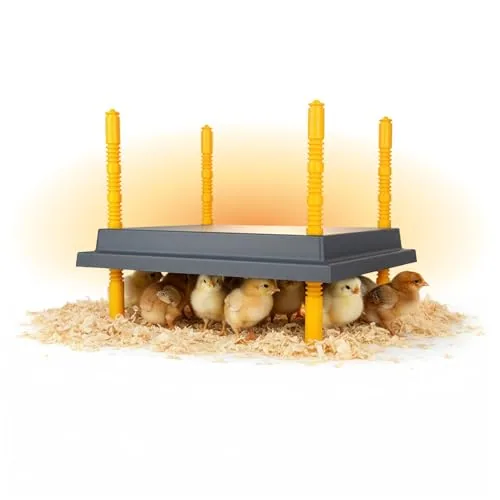
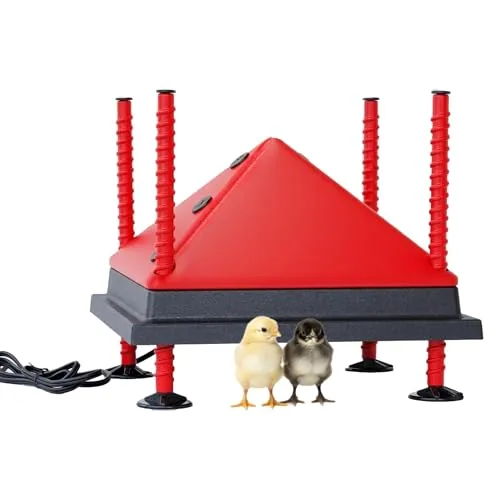
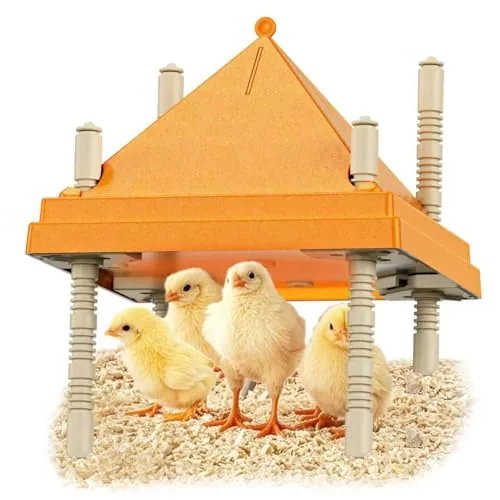
BREDASINX 10x10 Chick Brooder Plate, Digital Display
- Heated area
- 10 x 10 in
- Height adjustment
- Adjustable
- Temperature
- Adjustable 95–149°F with digital display
Best for Small batches of chicks
Starting backyard chickens is simpler than the shopping lists suggest. Before you buy anything, check your town's rules on hen numbers, roosters and coop setbacks (backyard chicken laws). Then plan for three to six hens; chickens are social, so three is a sensible minimum, and you do not need a rooster for eggs.
Best for Small batches of chicks
Best for Larger chick or duckling batches
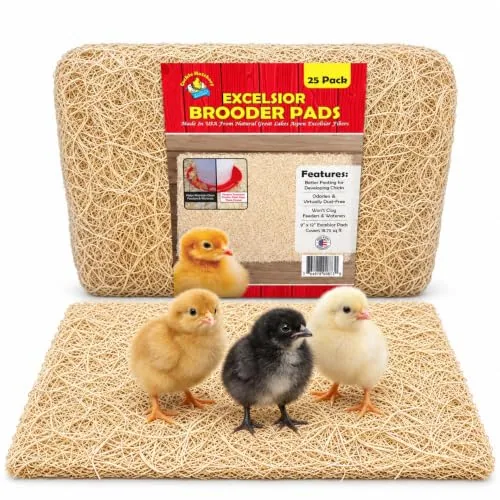
Best for Lining a brooder for week one
Best for Quail and chick brooders
Best for First-time chick keepers
Best for Small backyard chick batches
Best for Growing chicks
Best for Medium chick batches
Best for Small flocks wanting a non-wood coop
Best for Small flocks starting out
Best for Run enrichment
Best for A first small flock
Best for Small backyard flocks
Best for A first flock of a few hens
Best for Starter flock of three
Best for A first small flock
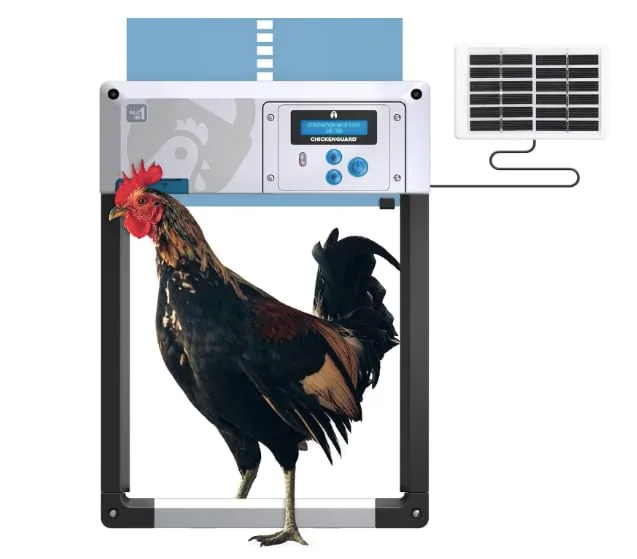
Best for Pairing with an AutoCoop or similar opener
Best for Coops without a power outlet
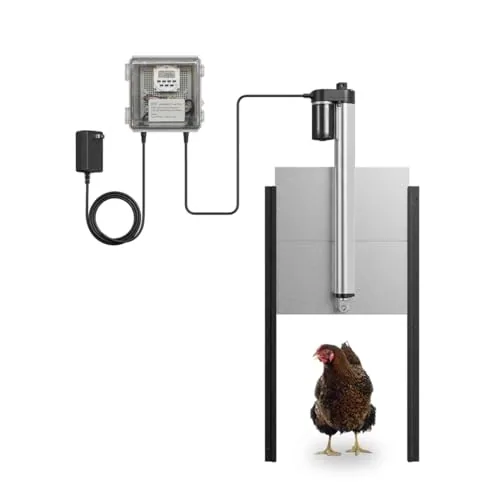
Best for Coops with a power outlet
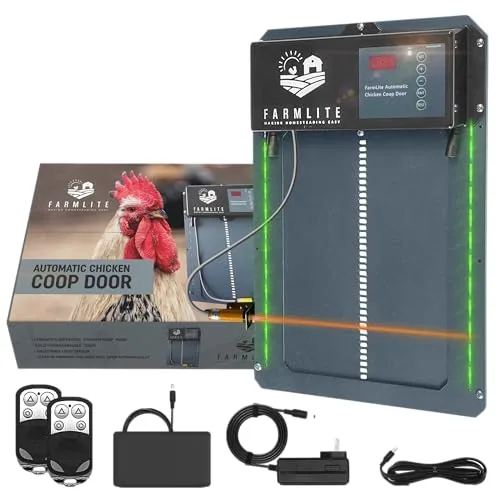
Best for Timed opening on a budget
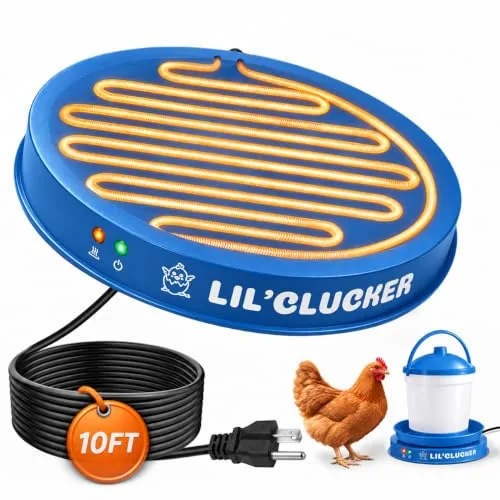
Best for Keeping water open in winter
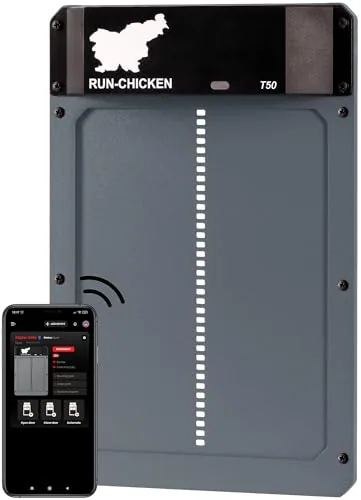
Best for App-controlled door schedules
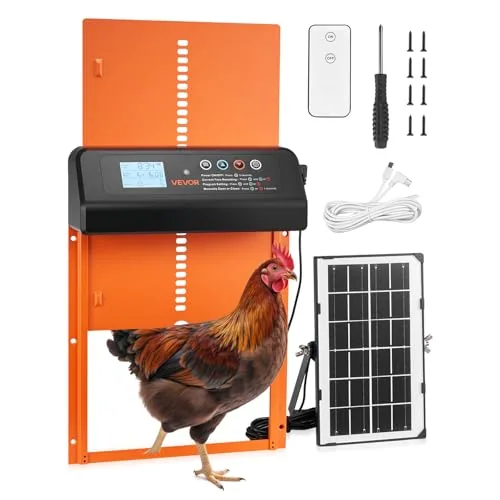
Best for Coops away from power
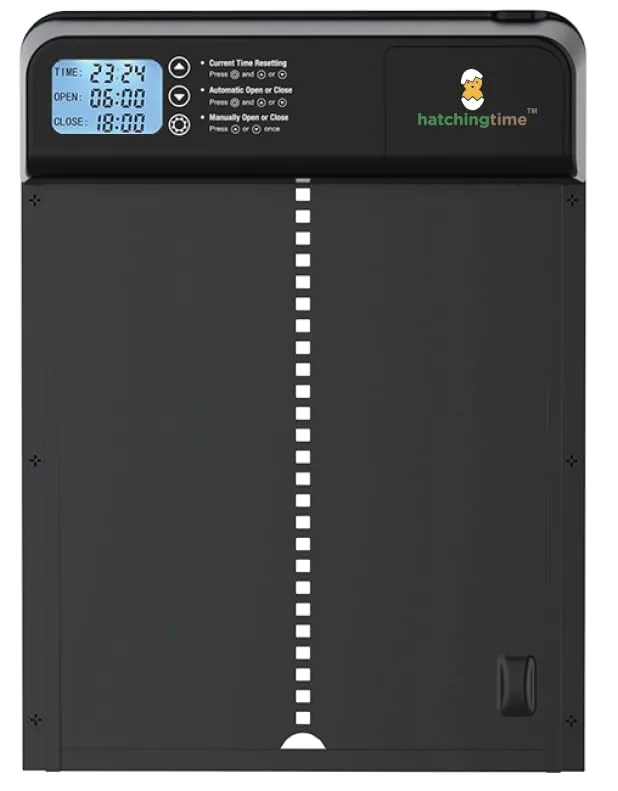
Best for Fixed-schedule coop routines
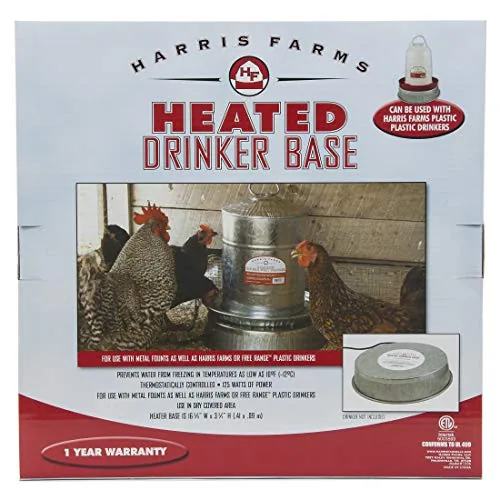
Best for Keeping one drinker ice-free
Best for One-piece winter watering
Best for Freeing up floor space in small coops
Best for Medium flocks needing fewer refills
Best for Building a DIY bucket waterer
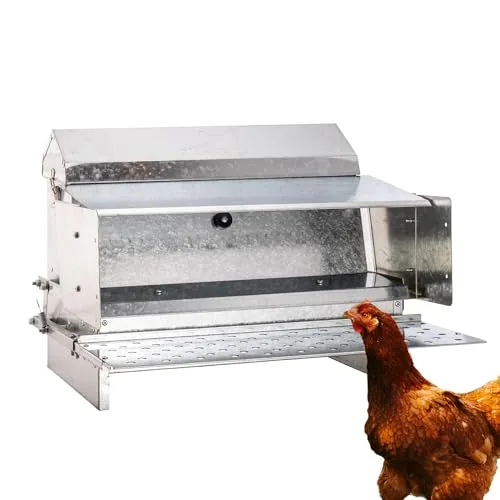
Best for Basic feeding for a small flock
Best for Small flocks with rodent pressure
Best for Small flocks in freezing weather
Best for Training and taming hens
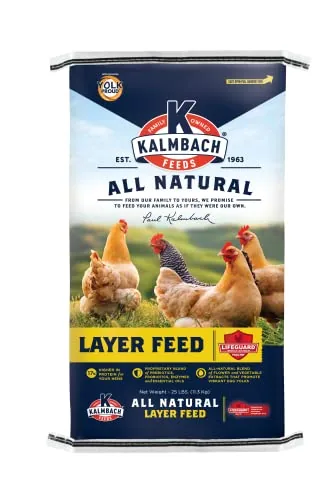
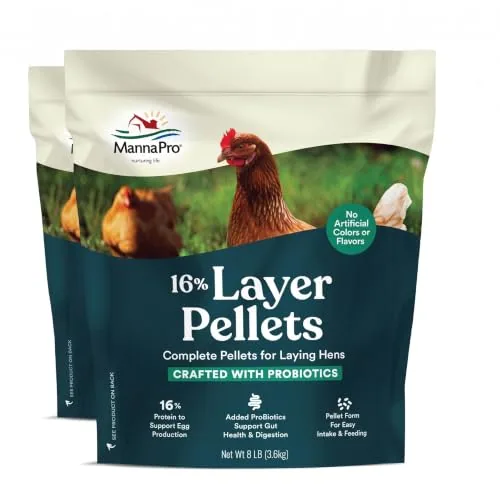
Best for Everyday laying-hen feed
Best for Small flocks buying feed in small bags
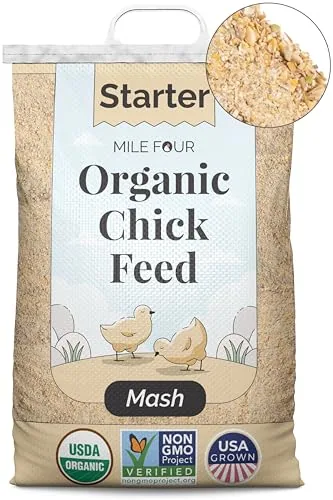
Best for Organic chick rearing
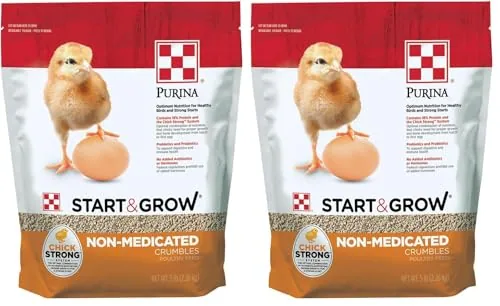
Best for First chicks
Best for Organic, soy-free layer diets
Best for Taming and training chickens
Best for Hens that prefer crumbles
Best for Coop floors and nest boxes
Best for Identifying hens by batch
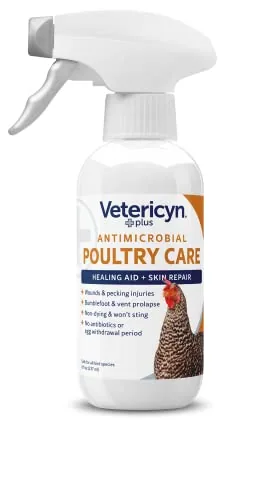
Best for Flock first aid kit
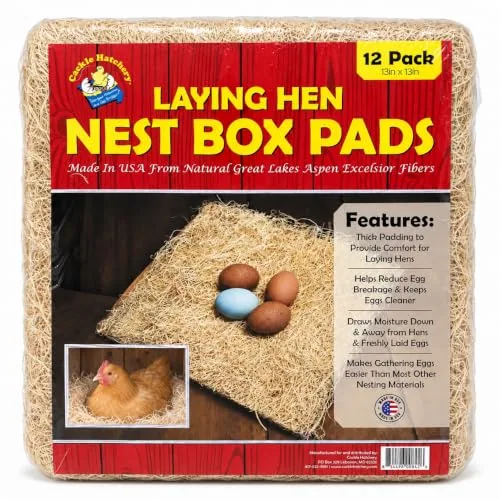
Best for Cleaner eggs from the nest box
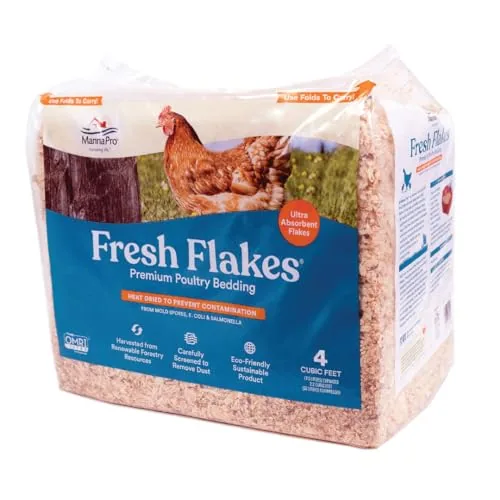
Best for Everyday coop bedding
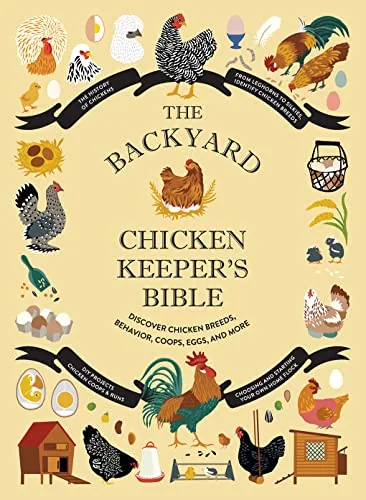
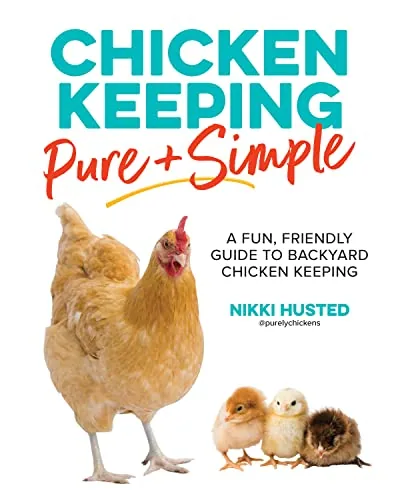
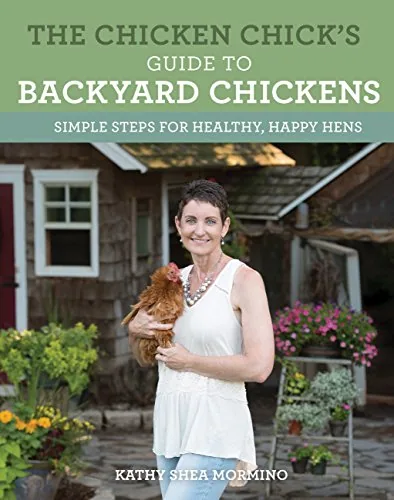
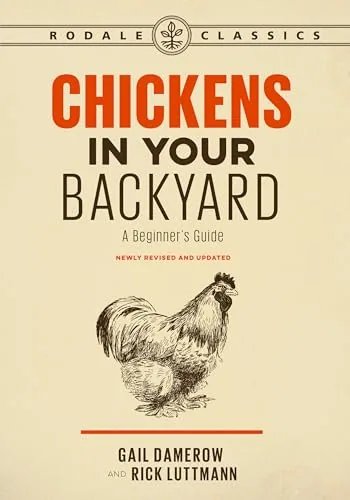
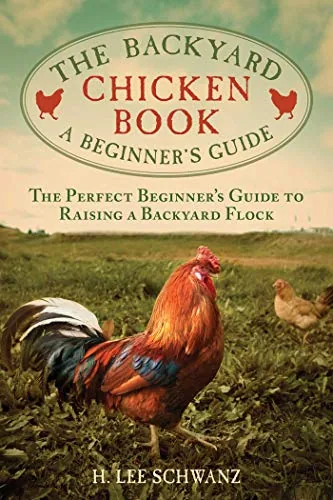
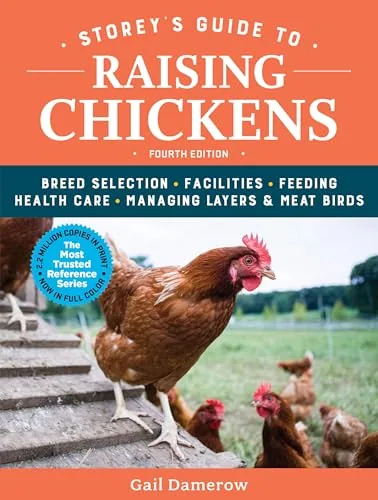
Best for New keepers who like a reference book
Best for First-time keepers
Best for First-time keepers
Best for New keepers
Best for New keepers
Best for Keepers wanting a thorough reference
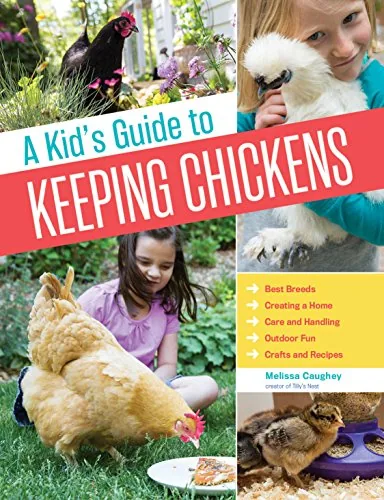
Best for Families starting a flock
These picks come from different makers and cover the main jobs. Swap in what fits your yard and budget; the guides linked below explain the trade-offs.
Best for Home batches up to 20
Best for A first small flock
Best for Small flocks with rodent pressure
Best for Hanging waterers for small flocks
Best for Everyday laying-hen feed
Best for Everyday coop bedding
Best for Eglu owners and small coops
Best for Flock first aid kit
Read how to start raising backyard chickens, beginner breeds and how to raise baby chicks. Order chicks from a hatchery or buy them at a local feed store; we never link live birds.
 Best of
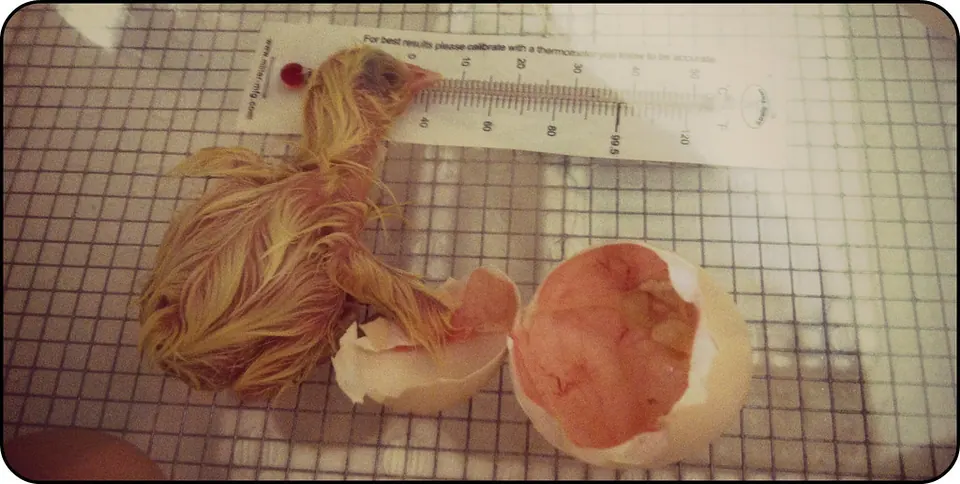
Best incubator for beginners, picked by listed specs: automatic turning that stops for lockdown, forced air, outside…
 Best of
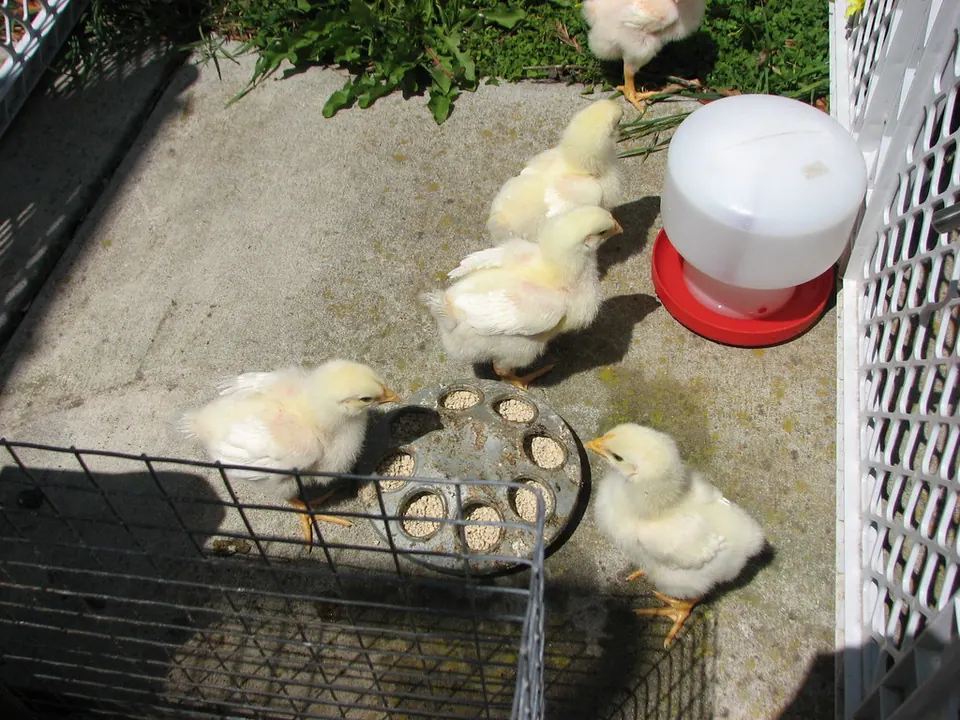
Best chick brooders compared by listed floor size, chick count and heat source, with Penn State space and temperature…
 Best of
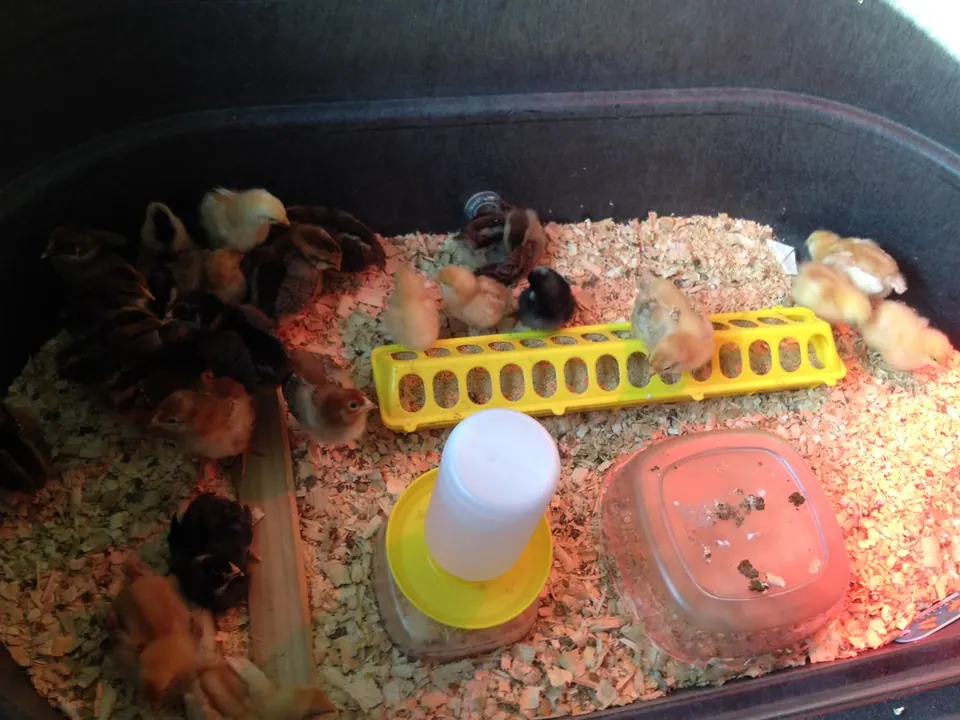
Best brooder heat plates compared by listed size, wattage, chick rating and height adjustment, a lower-fire-risk…
 Best of
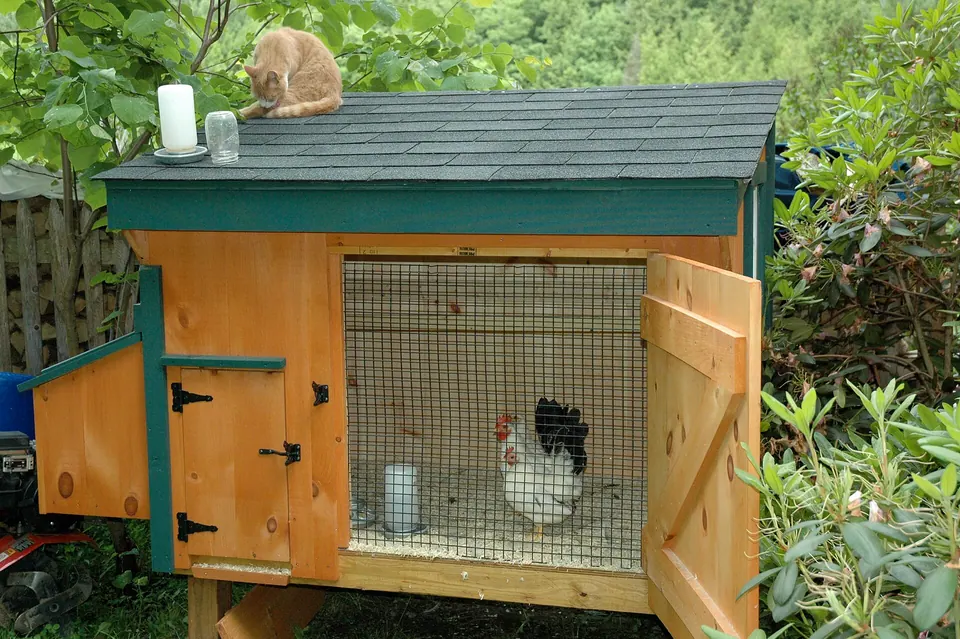
Best chicken coops compared by listed size, nest boxes and materials, with hen claims checked against Penn State and…
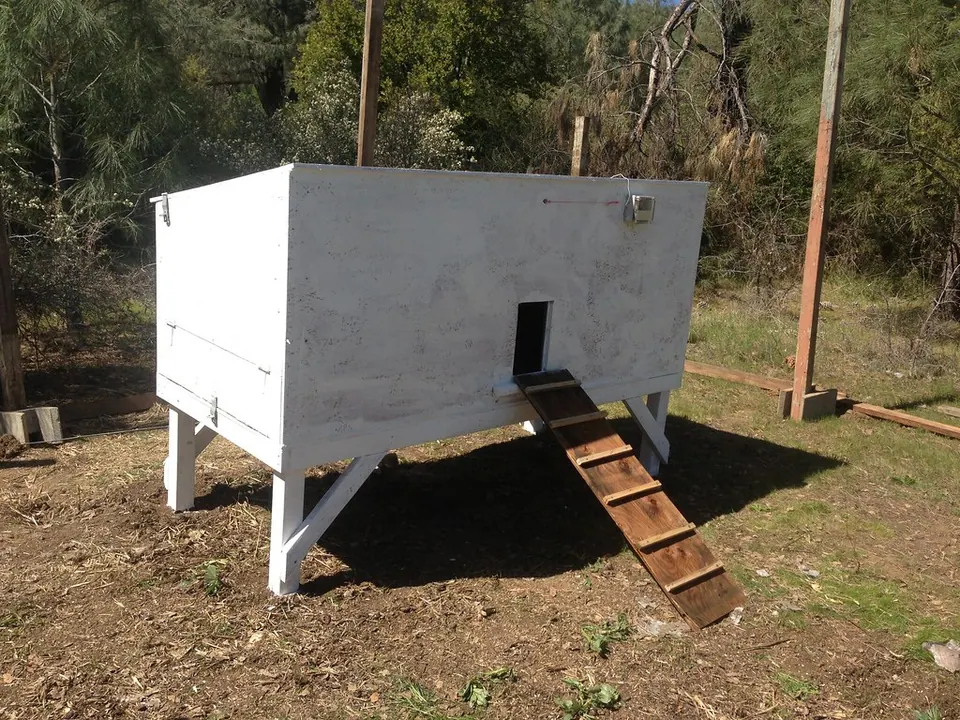 Best of
Best chicken coop for 4 chickens: eight coops compared by listed size and features, with the floor, roost and run…
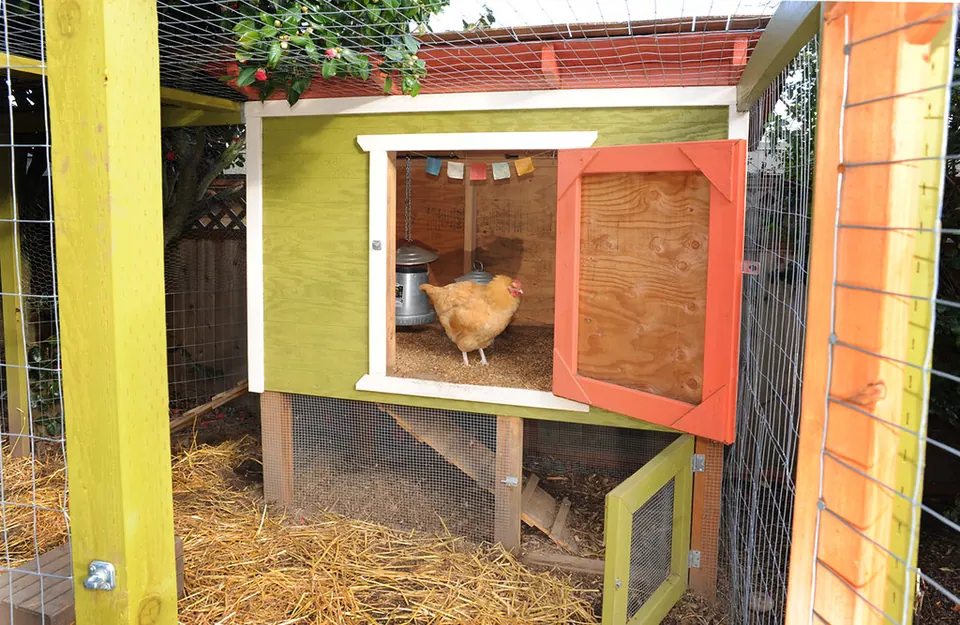 Best of
Best chicken coop for 6 chickens: seven coops compared by listed size, nests and roosts, with the 9–30 sq ft inside…