Garvee
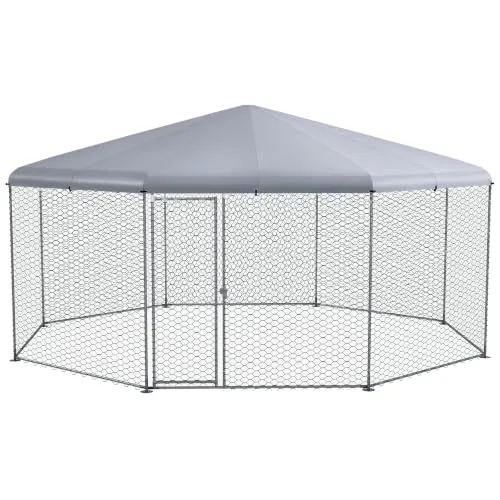
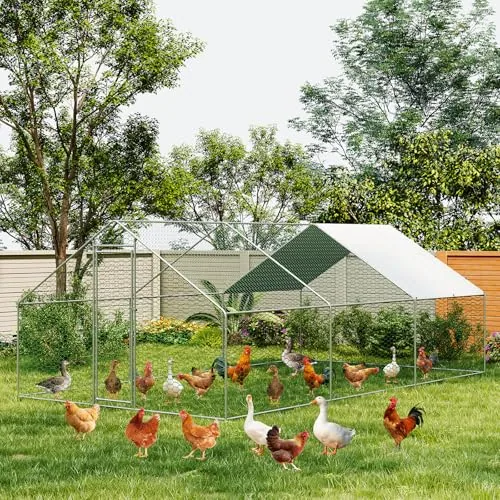
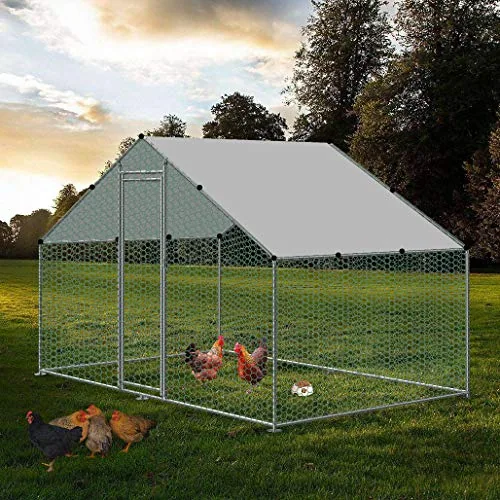
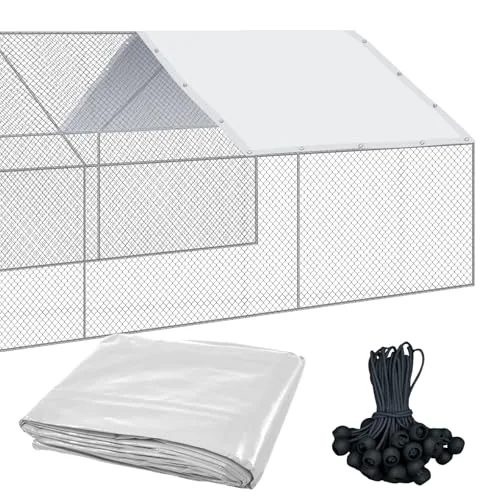
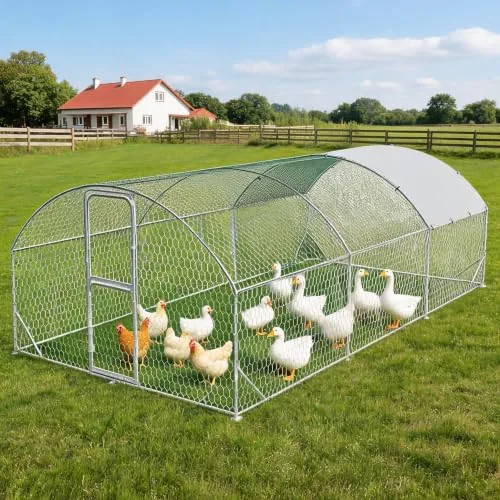
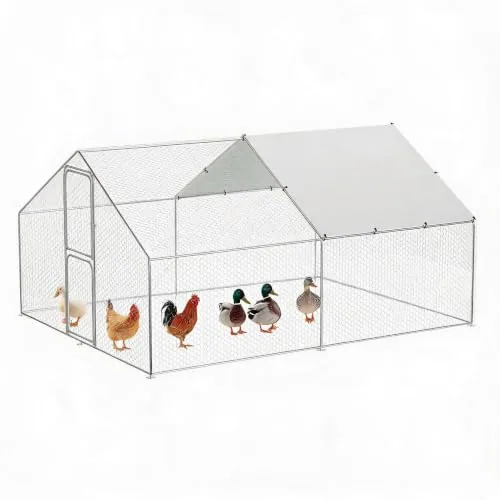
Garvee 9.8x13.1 ft Walk-in Metal Chicken Run
- Size
- 9.8 x 13.1 ft
- Height
- 6.6 ft
- Electric
- No
Best for Adding run space to an existing coop
Walk-in runs, run covers, electric poultry netting, energizers and hardware cloth, compared by size, height, mesh and what the kit includes.
Best for Adding run space to an existing coop
Best for Large covered runs
Best for Extending a small coop
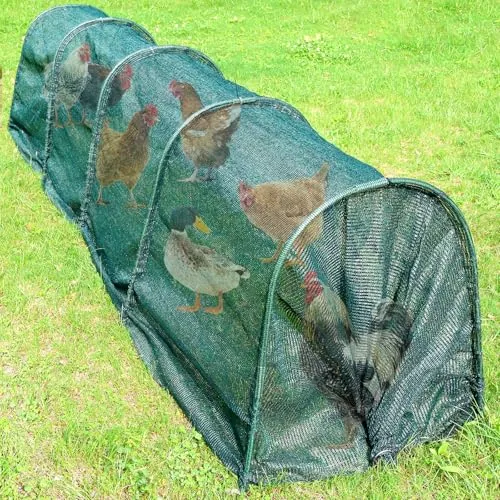
Best for Chicken tunnels in small yards
Best for Covering a small run in wet weather
Best for Powering a single poultry net
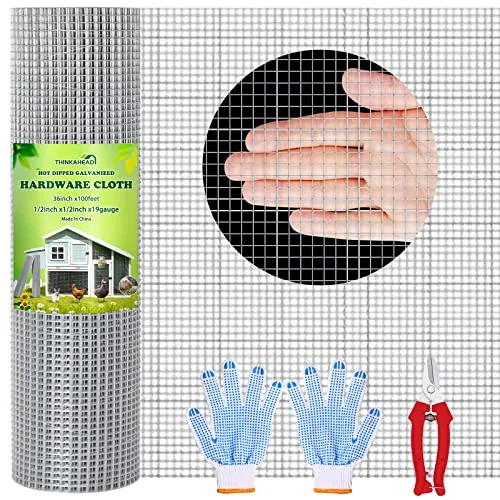
Best for Predator-proofing coop openings
Best for Off-grid poultry netting
Best for Run walls and aprons
Best for Large run space
Best for Covering a run against hawks
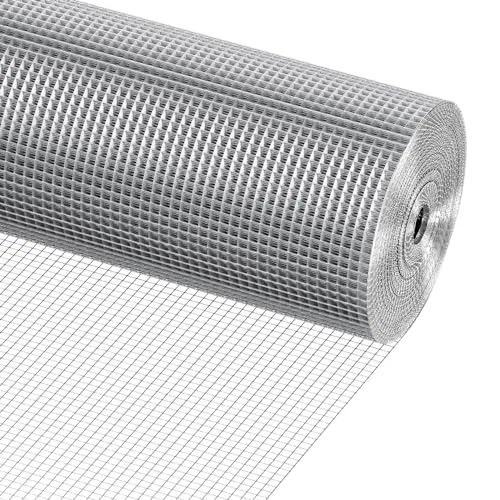
Best for Aprons and small repairs
Best for Covering a walk-in run
Best for Rotating free-range areas
Best for Mains-powered poultry netting
Best for Run space beside a coop
Best for Free-range area off-grid
Best for Building a predator-resistant run
Best for Garden-friendly hen paths
Best for Vents, windows and small openings
Best for Winterizing a walk-in run
Best for Supervised chick outings
Best for Small runs and repairs
Best for Portable daytime run
Best for Adding run space in a small yard
Best for Containing heavy breeds
Best for Large netting perimeters
Best for Free-range area near power
Best for Extending a wooden coop
Best for First electric netting setup
Best for Grounding an energizer
Best for Adding netting to an existing energizer
Best for Building or re-wiring a run
Best for Electric netting near an outlet
Best for Reinforcing net corners
Best for Large covered runs
Best for Walk-through access to netting
Best for Powering one or two nets
Best for Larger netting setups off-grid
Best for Moving netting often
No product matches every filter. Clear one to see more.
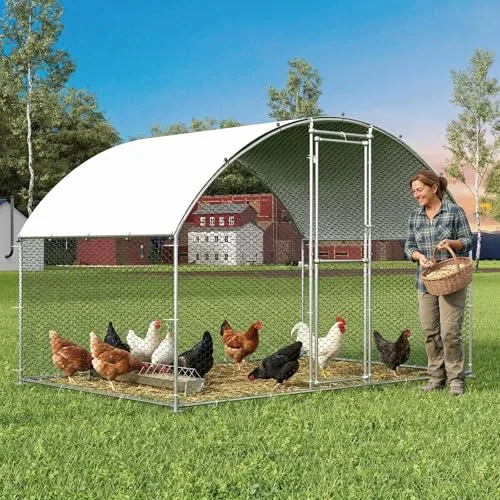
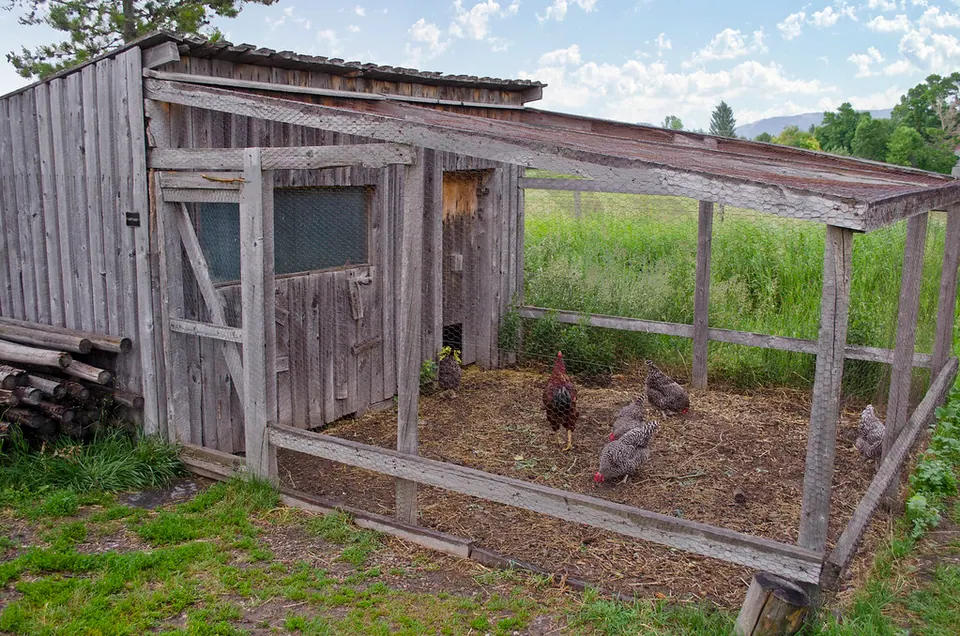
A chicken run gives hens room to scratch while keeping dogs, foxes, raccoons and hawks out. Size it first: Penn State suggests about 8 square feet per standard hen in the run, and many keepers plan on 10. A covered walk-in run of 10 x 20 feet gives you 200 square feet and room to stand up while you work.
Best for Large run space
Best for Large covered runs
Best for Building a predator-resistant run
Best for Rotating free-range areas
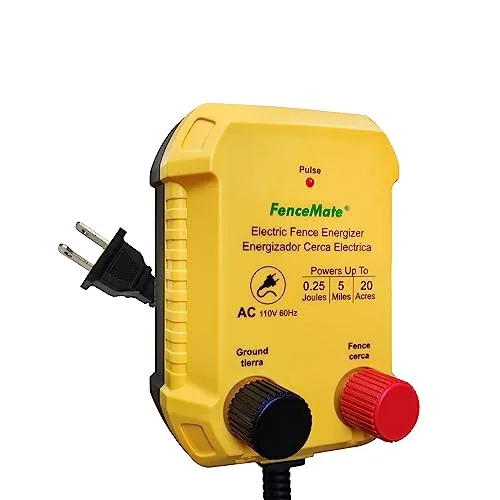
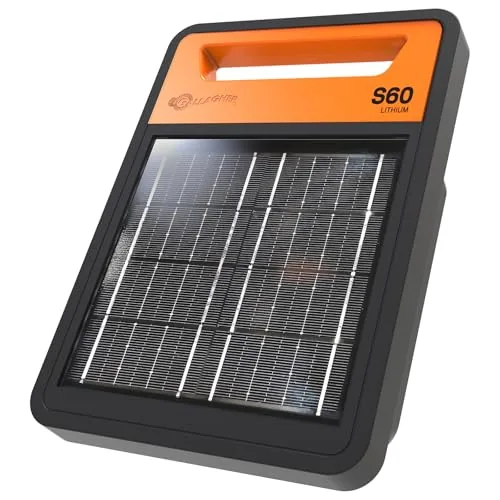
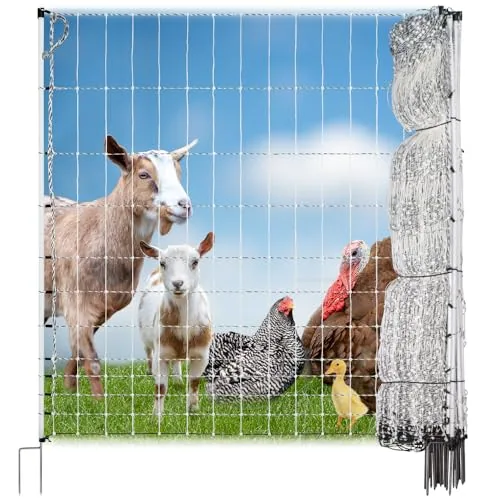
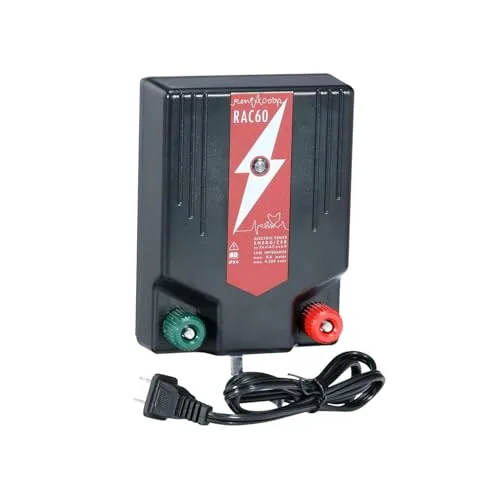
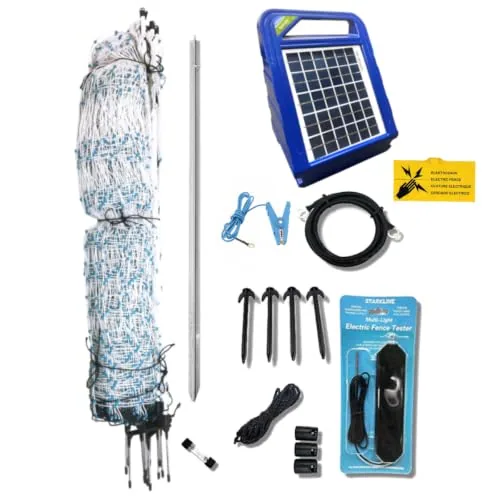
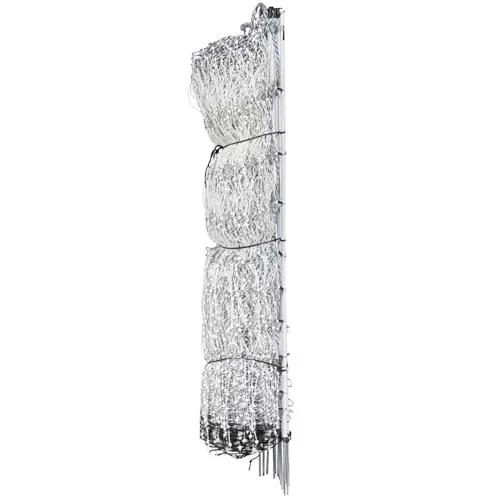
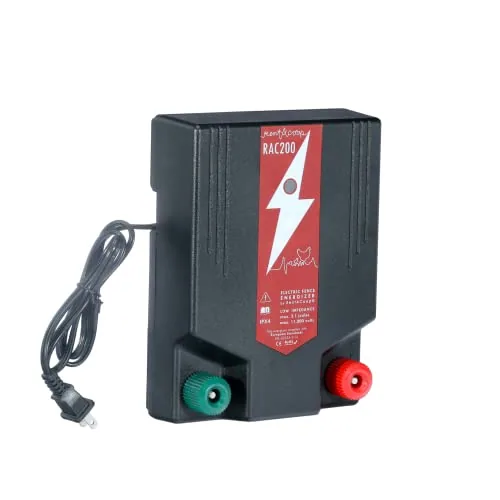
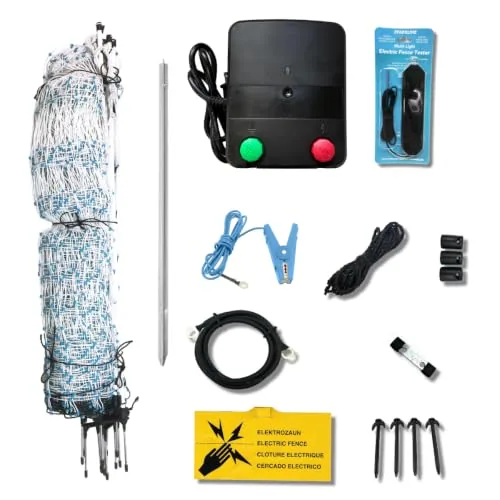
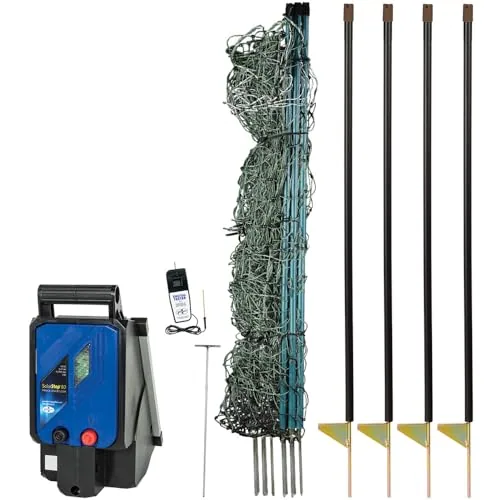
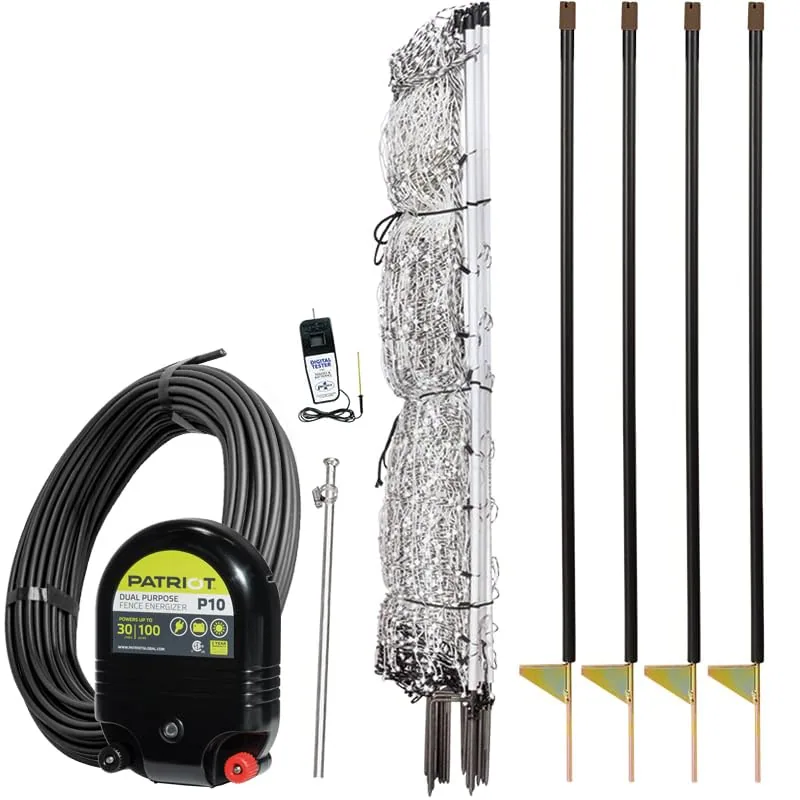
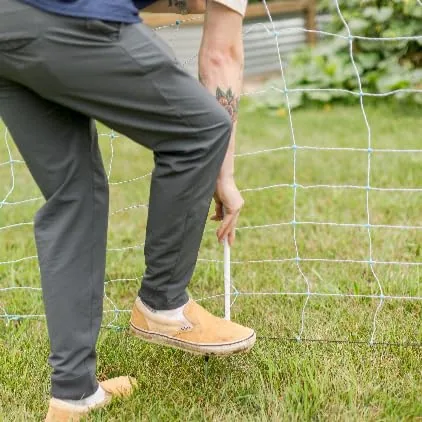
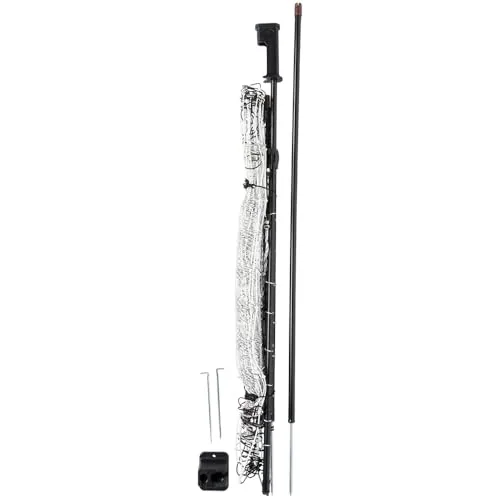
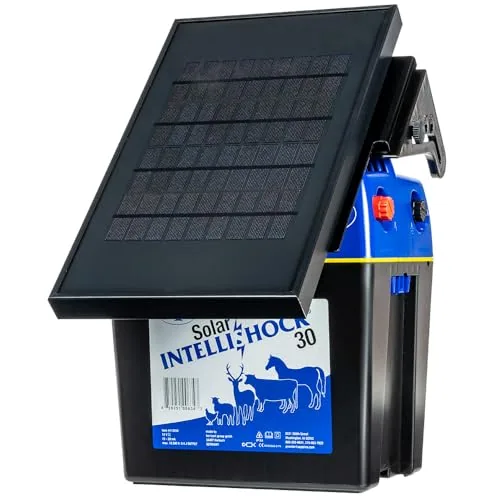
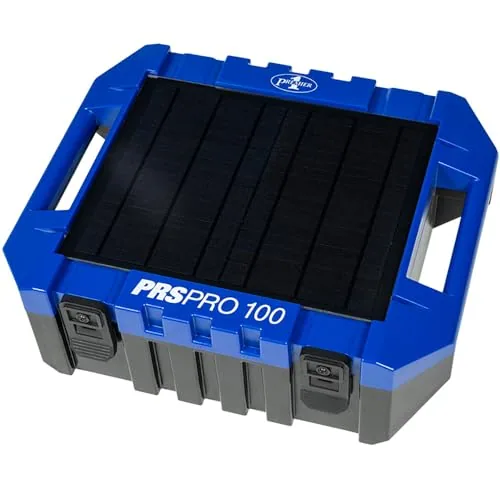
A kit with energizer, ground rod and tester is the simplest start. Premier 1 sells PoultryNet Plus kits with a solar or plug-in energizer; Starkline offers 48-inch kits in solar and AC versions. The joule output sets how much net one energizer can power, so check the maker's range figure before adding rolls. RentACoop lists a ground rod guide of 3 feet of rod per 1 joule of energizer.
Best for First electric netting setup
Best for Free-range area off-grid
Best for Larger netting setups off-grid
Best for Mains-powered poultry netting
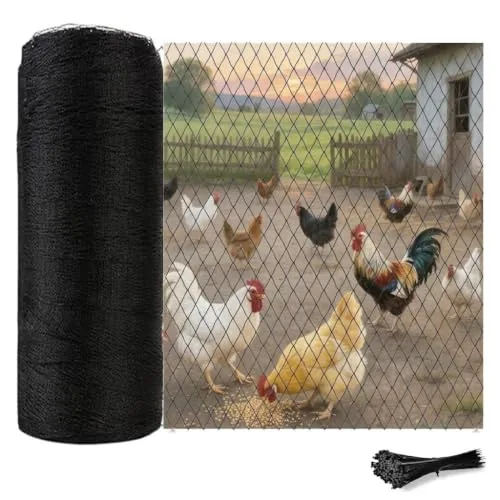
Netting is a deterrent, not a roof. Hawks and owls still reach birds from above, so a covered run or coop at night matters most. More in how to protect chickens from predators.
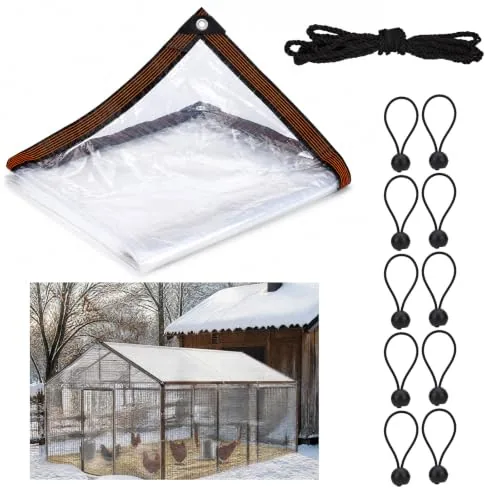
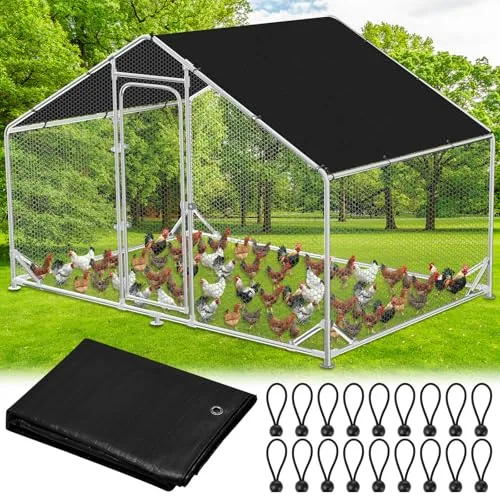
Best for Covering a small run in wet weather
Best for Winterizing a walk-in run
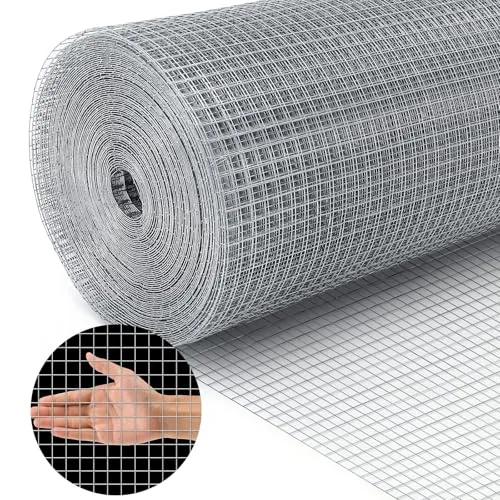
Best for Predator-proofing coop openings
 Best of
Best walk-in chicken coops compared by listed height, footprint and nests, plus walk-in runs to pair with a house,…
 Best of
Best chicken runs compared by listed floor area, height and mesh, with each run's hen count recounted against Penn…
 Best of
Best electric poultry netting compared by listed height, length and energizer joules: Premier 1, Starkline, Gallagher,…
 Best of
Best predator protection for chickens compared by specs: hardware cloth, locking auto doors, run netting, electric…
 Guide
How big should a chicken coop be? Compare Penn State, UMN and 4 + 10 space norms per chicken, plus run, roost and…
 Guide
How to protect chickens from predators: read attack signs, lock the coop at night, use hardware cloth, bury an apron,…