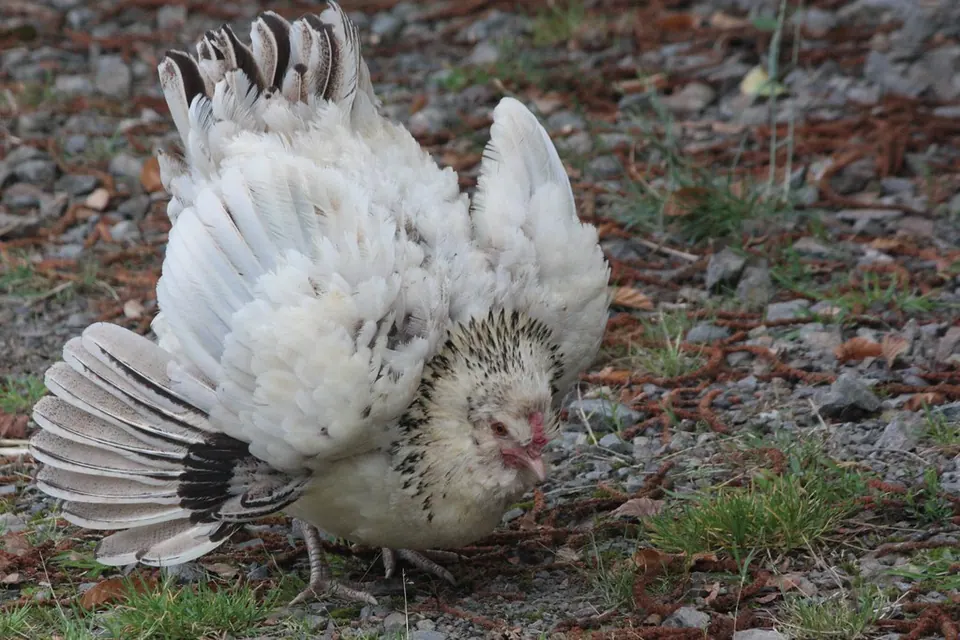
- Mature hens molt about once a year, usually in fall; a molt typically lasts 3–4 months, sometimes longer (Merck Veterinary Manual).
- Feathers drop in order: head, neck, body, wings, then tail (Utah State). Most hens slow or stop laying while they regrow them.
- Help a molting hen with complete feed, fewer low-protein treats, gentle handling and no new stress.
- A broody hen stops laying and can stay broody 3–4 weeks; a wire-floored cage usually breaks it within 2–3 days (Merck).
- If you let her hatch, give her fertile eggs from a hatchery or breeder; chicks arrive in about 21 days.
Molting and broody hens are behind many of the questions new keepers ask in late summer and fall. A hen that looks like a pillow exploded in the coop is molting. A hen that will not leave the nest, puffs up and growls when you reach under her is broody. Both are normal, both stop egg laying for a while, and neither is a disease.
This guide explains what happens in each case, how long it lasts and what you can do, using Utah State University Extension, the Merck Veterinary Manual and other extension sources. If a hen looks ill rather than just scruffy, skip to the warning signs and contact a veterinarian or your state poultry lab.
What is molting, and why do hens molt?
Molting is the yearly replacement of feathers. Utah State says mature chickens generally molt once a year, normally in fall, and usually not until they finish a laying cycle. Shortening days are the trigger for most flocks. Merck notes that all hens should molt at least once a year.
Utah State explains why eggs stop: laying and growing feathers both take a large amount of energy, so it is hard to do both at once. High-producing hens that keep laying molt more slowly. Most backyard hens pause laying for a good part of the molt.
What does a molt look like, and how long does it last?
The order of a molt
| Stage | What you see | Source |
|---|---|---|
| 1. Head and neck | Loose feathers in the coop; a scruffy-looking neck | Utah State |
| 2. Body | Breast, back and abdomen feathers drop; bare patches | Utah State |
| 3. Wings | Primary feathers drop from the innermost (number 1) outward to number 10, before the secondaries | Utah State |
| 4. Tail | Tail feathers last | Utah State |
| Regrowth | Pin feathers: waxy quills full of blood, tender to the touch | General husbandry |
| Back to laying | After regrowth; the whole molt typically runs 3–4 months | Merck |
Source: Utah State University Extension; Merck Veterinary Manual
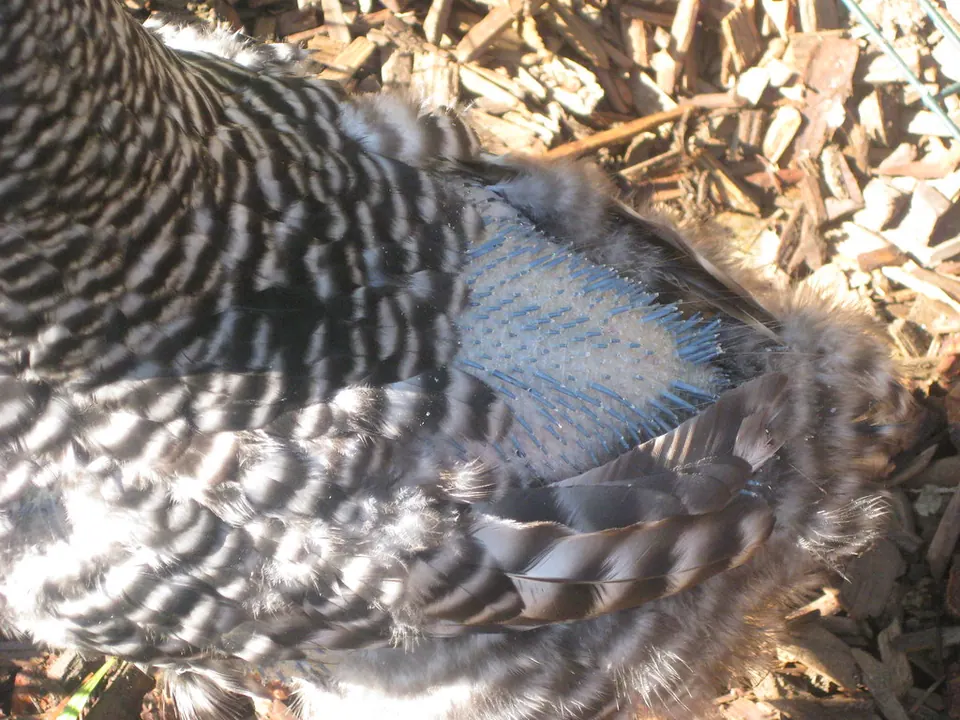
Some hens drop almost everything in a few weeks (a "hard" molt), others lose feathers slowly over months and look nearly normal. Both are within the range of normal.
How can you help a molting hen?
- 1. Keep feeding complete feed
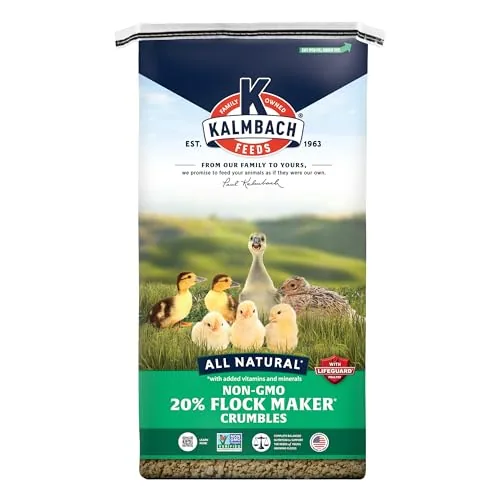
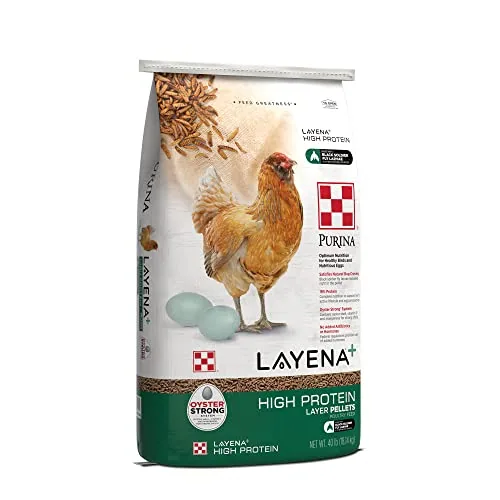
Feathers are mostly protein. Keep a complete layer or all-flock feed in front of hens; many keepers switch to a higher-protein all-flock or layer formula during the molt. Penn State's minimum for layer feed is 16% protein. If you feed an all-flock ration, offer oyster shell on the side for hens that are still laying.
- 2. Cut low-protein treats
Scratch grains and bread fill hens up without adding much protein. If you give treats, small amounts of dried mealworms or black soldier fly larvae add protein without crowding out the feed.
- 3. Handle gently
Pin feathers are sensitive and bleed if broken. Avoid picking up molting birds unless you need to.
- 4. Avoid new stress
Hold off on adding new birds, moving the coop or other big changes until the molt is over.
- 5. Watch for pecking
Bare skin and bloody pin feathers can attract pecking from flockmates. Separate a bird that is being picked on until she heals.
- 6. Keep molting hens warm and dry
A late molt into cold weather leaves hens with less insulation. Keep the coop draft-free at roost level and dry; see winter care.


Should you add light to end a molt early? Merck notes that constant light can remove the cue that restarts laying after a molt and can increase stress. Let the molt run its course. If you do use winter lighting, add it gradually and in the morning (UMN).
When is feather loss not a molt?
Merck describes feather loss caused by insects, skin irritation, poor nutrition or wounds as different from a normal molt. Look closer if you see:
- Feather loss at the wrong time of year, in one bird, with scabs or redness.
- Mites or lice: check at night with a flashlight under the vent and wings.
- Bare backs on hens kept with a rooster (mating damage).
- Feather pulling by flockmates, often from crowding or boredom.
- A hen that is lethargic, not eating, losing weight or breathing hard.
If you treat parasites, use a product labeled for poultry per the label and follow its egg-withdrawal time. For a bird that looks unwell, contact a veterinarian or your state poultry lab. Unusual deaths in the flock should be reported to the state veterinarian or USDA (1-866-536-7593), per USDA APHIS. See common chicken illnesses and first aid.
What is a broody hen?
A broody hen has switched from laying eggs to sitting on them. Merck says she stops laying and sits on eggs even when none are present, and may be aggressive, so handle her carefully. Signs: she stays on the nest day and night, flattens and puffs up, growls or pecks when disturbed, leaves the nest only briefly once or twice a day, and leaves large, smelly droppings when she does.
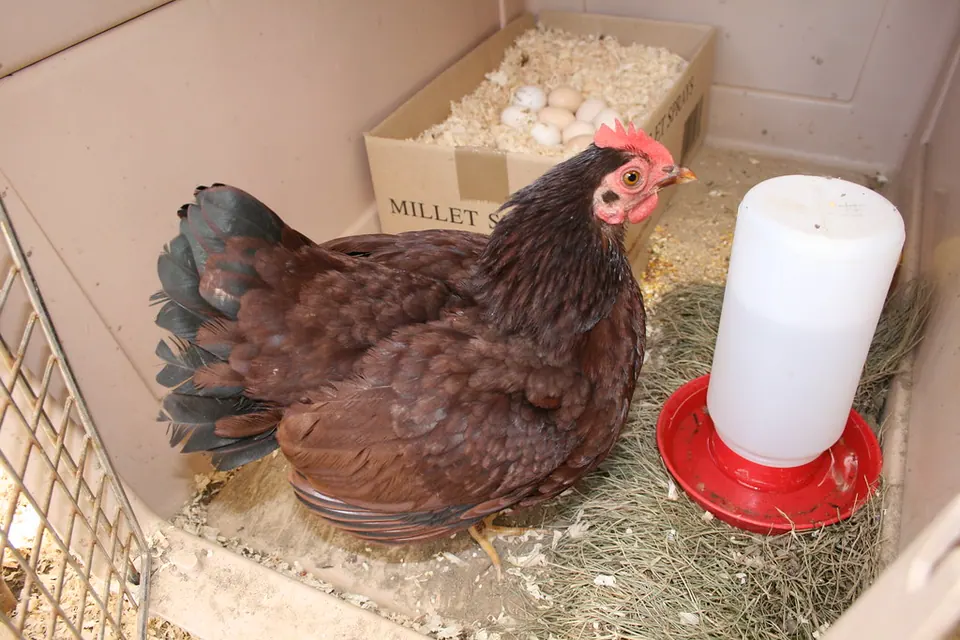
Broodiness is hormonal and often triggered by a nest full of eggs; some breeds, including many Orpingtons and Silkies, go broody far more often than commercial layers. See chicken breeds for beginners. Collecting eggs at least twice a day (UMN) helps prevent it.
How do you break a broody hen?
If you do not want chicks, the sooner you act, the faster it works. Merck says that moving a broody hen to a wire cage makes most hens less broody within 2–3 days; left alone, broodiness can last 3–4 weeks.
- Collect eggs from under her several times a day; wear gloves if she pecks.
- Block or remove her from the nest each time you see her there, and close the nest box at night for a few days if other hens can lay elsewhere.
- Use a wire-floored crate with food and water, raised so air moves underneath, in a safe spot near the flock. Check her daily (Merck: usually 2–3 days).
- Return her to the flock when she no longer heads straight for the nest. She will start laying again in a few weeks.
Avoid methods that chill or soak her, which add stress without being needed.
How do you let a broody hen hatch eggs?
A broody hen is the easiest incubator there is: she manages temperature, humidity and turning herself. To let her hatch:
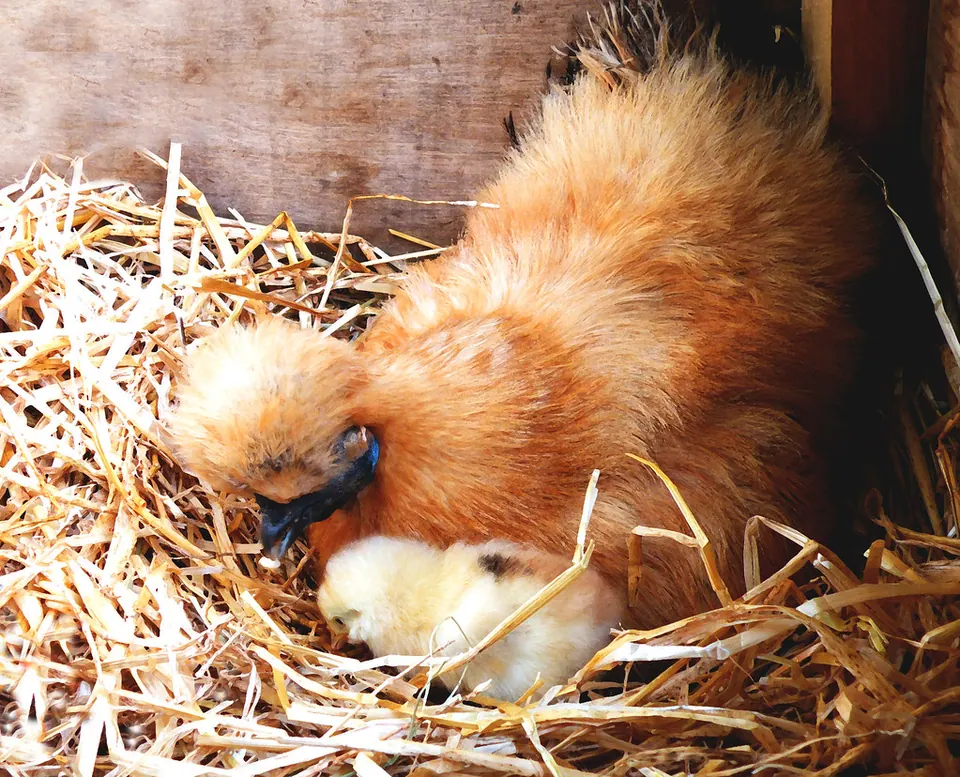
- Get fertile eggs. Without a rooster, eggs are not fertile. Buy hatching eggs from a hatchery, an NPIP-tested breeder or a keeper with a rooster. Check your town's rooster rules, since about half the chicks will be male.
- Give her a safe, separate nest in a quiet corner or a small pen, with food and water within reach, so other hens cannot add eggs.
- Mark the eggs and the date. Chicken eggs hatch in about 21 days (MSU). Remove any unmarked eggs added later.
- Candle on days 7 and 14 if you can do it without upsetting her, and remove clear eggs; see how to candle eggs.
- Leave her alone at hatch. She will keep the chicks warm; give chick starter and a shallow waterer they cannot drown in.
Prefer to hatch without a hen? See how to incubate chicken eggs. A good reference for both routes:
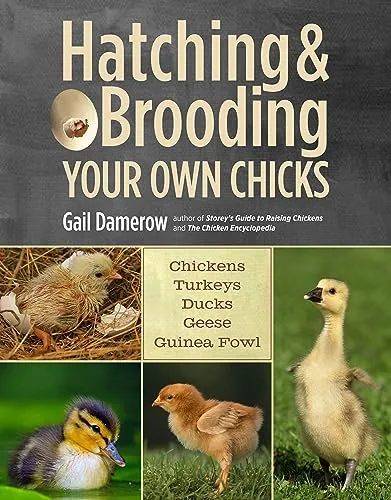
Hatching & Brooding Your Own Chicks
- Format
- Paperback
- Published
- 2013
Best for First hatching projects
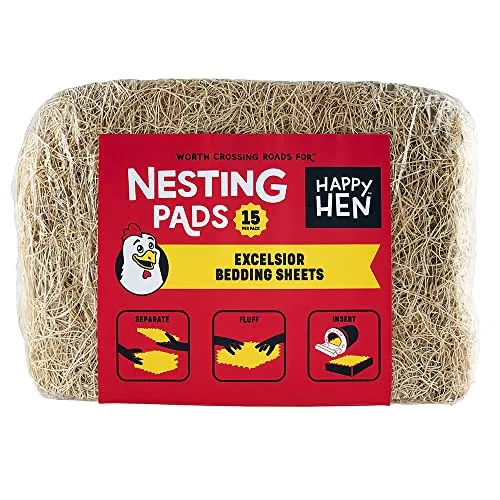
Happy Hen Excelsior Nesting Pads, 15-Pack
- Size
- 12 x 9.5 in, 15 pads
- Material
- Aspen excelsior
- Origin
- Made in USA
Best for Clean, intact nest box eggs
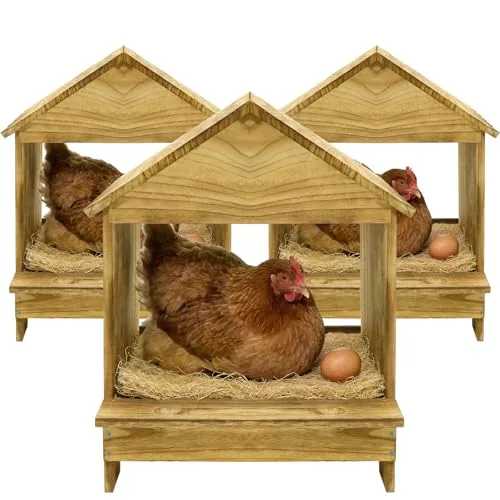
TRINFREE Farmhouse Wooden Nesting Boxes, 3-Pack
- Maker says
- 4–5 hens per compartment
- Material
- Carbonized solid wood
- Nest boxes
- 3
Best for Small backyard flocks
Mistakes to avoid with molting and broody hens
- Assuming feather loss is always molt. Check for mites, pecking and illness.
- Forcing a molt. Penn State describes forced molting for commercial flocks but does not recommend repeated molting for small flocks; backyard hens molt on their own.
- Piling on scratch for a molting hen. It lowers protein.
- Medicating without a label or vet. Use labeled products per the label and observe egg withdrawal.
- Letting a broody sit on infertile eggs for weeks. She loses condition and nothing hatches.
- Hatching chicks in a no-rooster town without a plan for cockerels.
Browse feeds and protein treats in the feed and supplements hub, or hatching gear in the hatching project hub. If egg numbers are still low after the molt, work through why are my chickens not laying?
A molt is a normal yearly feather change that pauses laying for a few months: keep complete feed in front of the hens, cut low-protein treats and let it run. A broody hen either gets fertile eggs and a quiet nest for 21 days, or a few days in a wire-floored crate to reset. Anything that looks like illness rather than either one goes to a veterinarian or your state poultry lab.
Questions
How long does a chicken molt last?
Do chickens lay eggs while molting?
What should I feed molting chickens?
How do I know if my hen is broody?
How do I stop a hen from being broody?
How long does a broody hen sit on eggs?
Sources
- Utah State University Extension, Molting and determining production of laying hens
- Merck Veterinary Manual, Laying and reproduction in backyard poultry
- Penn State Extension, Small-scale egg production (organic and conventional)
- University of Minnesota Extension, Raising chickens for eggs
- Mississippi State University Extension, Important Incubation Factors
- CDC Healthy Pets, Backyard Poultry
- USDA APHIS, Defend the Flock