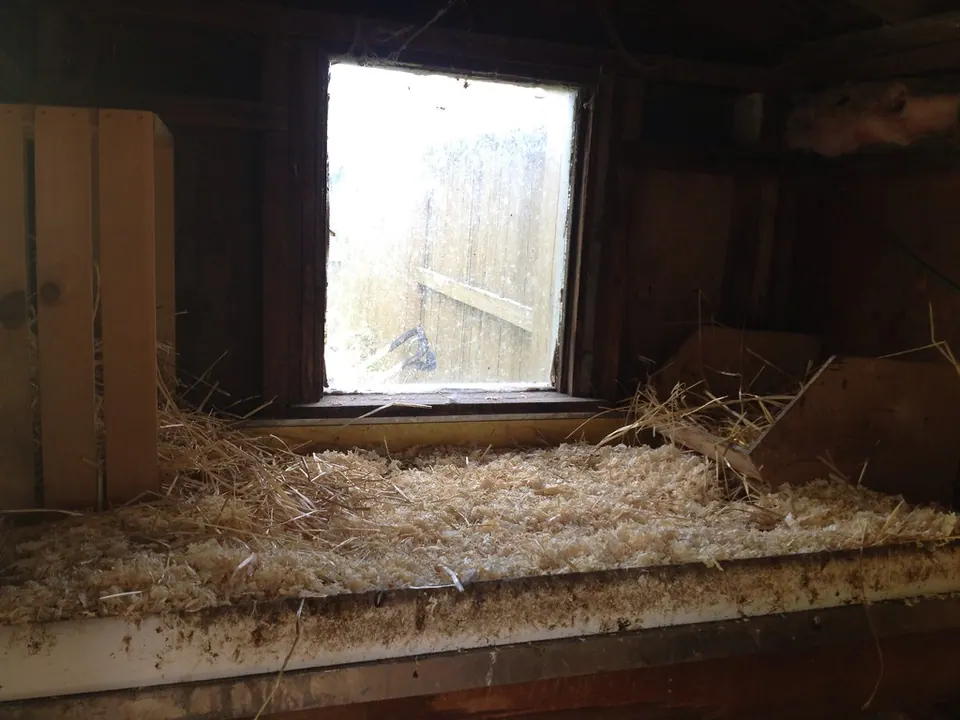
- Short days are the most common cause: UMN says hens need at least 12–14 hours of light a day to keep laying.
- Molt usually comes in fall; the Merck Veterinary Manual says it typically lasts 3–4 months.
- Pullets start at about 20 weeks (UMN); production peaks in the first two years and then declines.
- A broody hen stops laying and can stay broody 3–4 weeks if left alone (Merck).
- A sudden drop with sick or dying birds needs a call to your veterinarian, state poultry lab or USDA (1-866-536-7593).
Why are my chickens not laying? Nearly every keeper asks it, usually in October or November. In most cases the answer is normal biology: shorter days, the yearly molt, a broody hen or a flock that is simply getting older. Less often it is something you can fix quickly, such as feed diluted with treats, heat stress or eggs disappearing to a hidden nest or a snake.
Work through the ten causes below roughly in order of how common they are. The figures come from the University of Minnesota, Penn State, Utah State and the Merck Veterinary Manual.
Quick check: what is your hen telling you?
Egg slump troubleshooter
| Clue | Most likely cause | What to do |
|---|---|---|
| Fall or winter, all hens slow | Short days | Wait for spring, or add light to about 14 h (UMN) |
| Feathers everywhere, new pin feathers | Molt | Higher-protein feed, patience: 3–4 months (Merck) |
| One hen glued to the nest, puffed and growling | Broody | Let her hatch or break the brood |
| Young birds under 5–6 months | Not yet of age | Wait; most start about 20 weeks (UMN) |
| Lots of treats or scratch | Diluted diet | Cut treats; complete layer feed first |
| Hot spell, panting | Heat stress | Shade, air, water (UMN) |
| New birds, predator scare, move | Stress | Give it a few weeks |
| Hens laying, eggs missing | Hidden nest, egg eating, rats or snakes | Search the yard; check the coop for gaps |
| Pale combs, mites, sick or dying birds | Parasites or disease | Vet or state poultry lab; report unusual deaths |
Source: UMN Extension; Merck Veterinary Manual; University of Maryland Extension
1. Are the days too short?
Laying is triggered by day length. UMN says hens need at least 12–14 hours of light a day to keep laying, and that production drops as daylight shrinks in fall. In most of the US, natural days fall below that from autumn to early spring.
You can add light, but it is optional. UMN suggests about 14 hours, added before sunrise on a timer so birds are not left in the dark off the roost. Penn State's production program warns never to exceed 16 hours of light a day for laying hens. The Merck Veterinary Manual notes that winter lighting raises winter egg numbers but not a hen's lifetime total, and constant light can stress birds.

AutoCoop LayLight2 LED Coop Light with Smart Timer
- Power
- Plug-in (mains)
- Trigger
- Programmable timer
- Coverage
- Up to 50 sq ft
Best for Adding winter light to a small coop

BN-LINK Outdoor 7-Day Programmable Timer, 2 Outlets
- Power
- Mains, 15A/1875W
- Trigger
- 7-day timer, 8 programs
- Outlets
- 2 grounded
Best for Scheduling a plug-in coop light
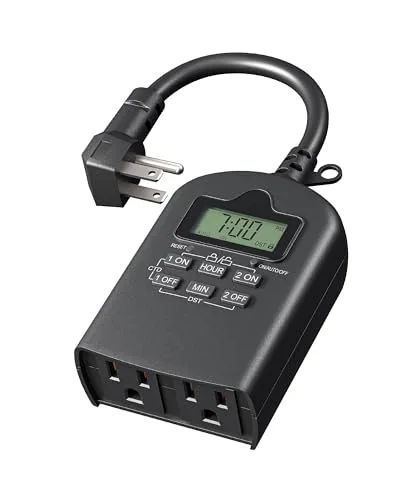
DEWENWILS Outdoor Digital Programmable Light Timer
- Power
- Mains, 15A
- Trigger
- Programmable timer
- Modes
- On/Off/Timer, random
Best for Scheduling plug-in coop lighting
2. Is she molting?
Mature hens molt about once a year, normally in fall (Utah State). Feathers drop in order, head and neck first, then body, wings and tail, and new pin feathers grow in. Utah State explains that laying and molting both take a lot of energy, so most hens stop or slow down, and hens that keep laying molt more slowly. Merck says a molt typically lasts 3–4 months.
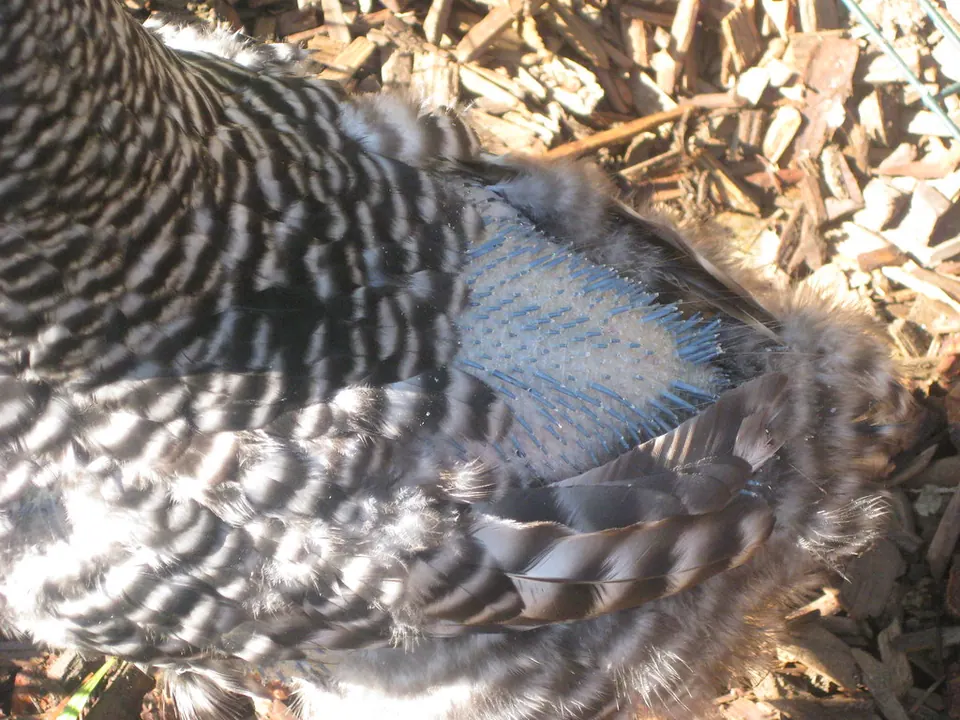
Help them through it with a complete feed that is a little higher in protein, fewer low-protein treats and gentle handling. Molting and broody hens have their own guide: molting and broody hens.
3. Is she too young, or getting older?
UMN says pullets usually begin laying at about 20 weeks, or about 6 months, though breed and season shift it: chicks hatched in late summer may not start until the days lengthen. Production peaks in the first two years, and hens can keep laying at a lower rate for 5–10 years (UMN).
Utah State gives a hands-on check. A hen in lay has a soft, moist vent, a bright red comb and room for three to four fingers between the pelvic bones below the vent; a non-layer has a dry, shrunken vent, a pale comb and room for one or two fingers. In yellow-skinned breeds, pigment fades from the vent, eye ring, beak and legs in order as laying continues.
4. Is she broody?
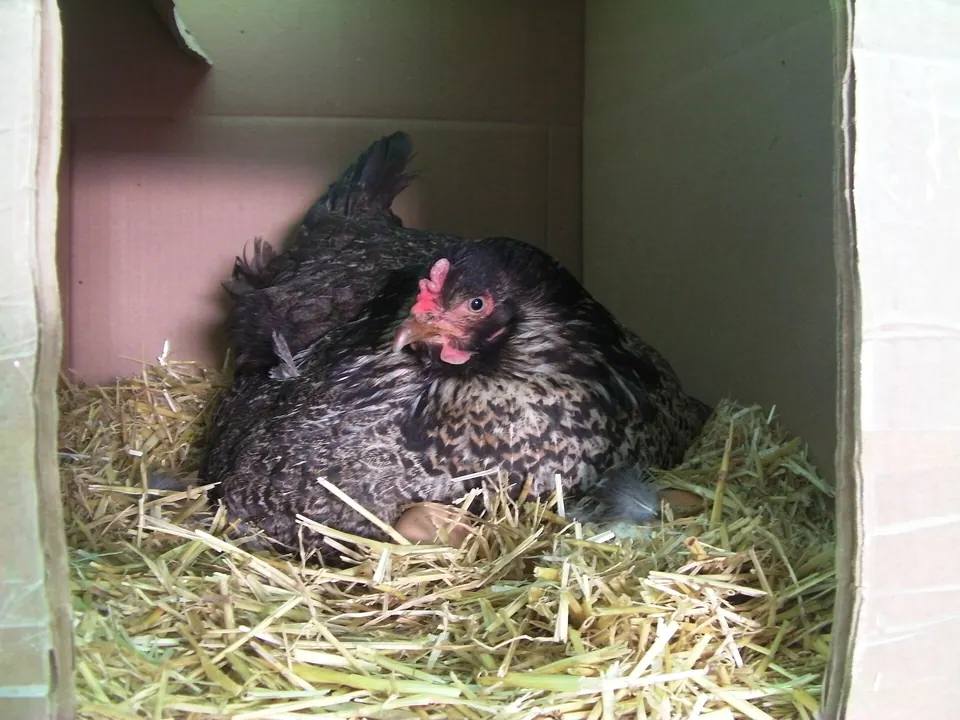
A broody hen sits tight on the nest, flattens and growls when you reach under her, and stops laying. Merck says broodiness can last 3–4 weeks if left alone and that moving the hen to a wire-floored cage usually breaks it within 2–3 days. Collecting eggs promptly helps prevent it. Options and a step-by-step are in molting and broody hens.
5. Is the diet balanced?
Penn State says layer feed should contain at least 16% crude protein and 3.5% calcium. If hens fill up on scratch, bread or kitchen scraps, they eat less of that feed and egg numbers fall. Keep treats small, feed a complete layer ration and offer oyster shell and grit on the side (UMN). Running out of feed or water for even a day can pause laying.
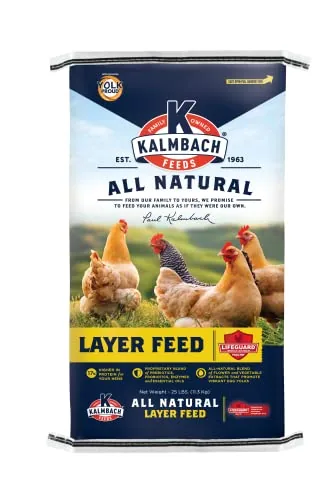
Kalmbach Feeds Layer Pellets, 25 lb
- Type
- Layer pellets
- Bag size
- 25 lb
- Medicated?
- Antibiotic free
Best for Everyday laying-hen feed
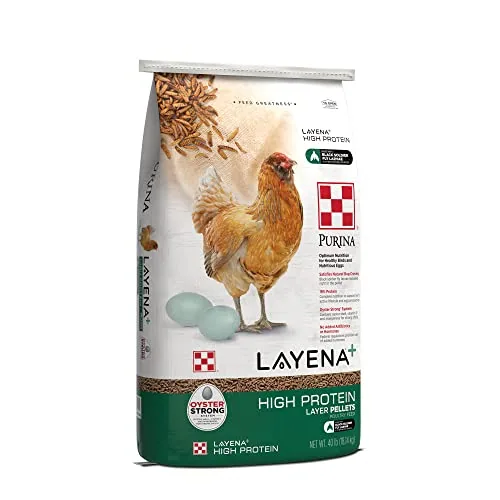
Purina Layena+ High Protein Layer Feed, 40 lb
- Type
- Layer feed (high protein)
- Bag size
- 40 lb
Best for Laying flocks needing extra protein

Scratch and Peck Oyster Shell, 4 lb
- Type
- Oyster shell calcium supplement
- Size
- 4 lb
Best for Free-choice calcium for layers
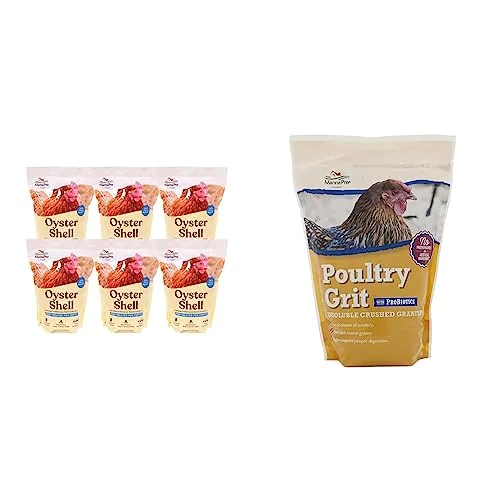
Manna Pro Oyster Shell & Poultry Grit Bundle
- Type
- Pullet-size oyster shell plus granite grit
- Size
- 5 lb packs (6-pack bundle)
- Calcium %
- Not listed
Best for Stocking up on layer supplements
Use the feed and egg cost calculator to check you are buying enough feed for the flock, and compare feeds in best layer feed.
6–7. Is it heat or stress?
UMN says feed intake and production drop as temperatures approach 85°F. Shade, airflow and extra cool water help; see keeping chickens cool in summer heat.
Stress also pauses laying: a predator attack at night, new birds, a move, loud construction or rough handling. Penn State notes that abrupt lighting changes can disrupt laying too. Give the flock a few calm weeks, and fix any predator route; see how to protect chickens from predators.
8–9. Are eggs being laid, then disappearing?
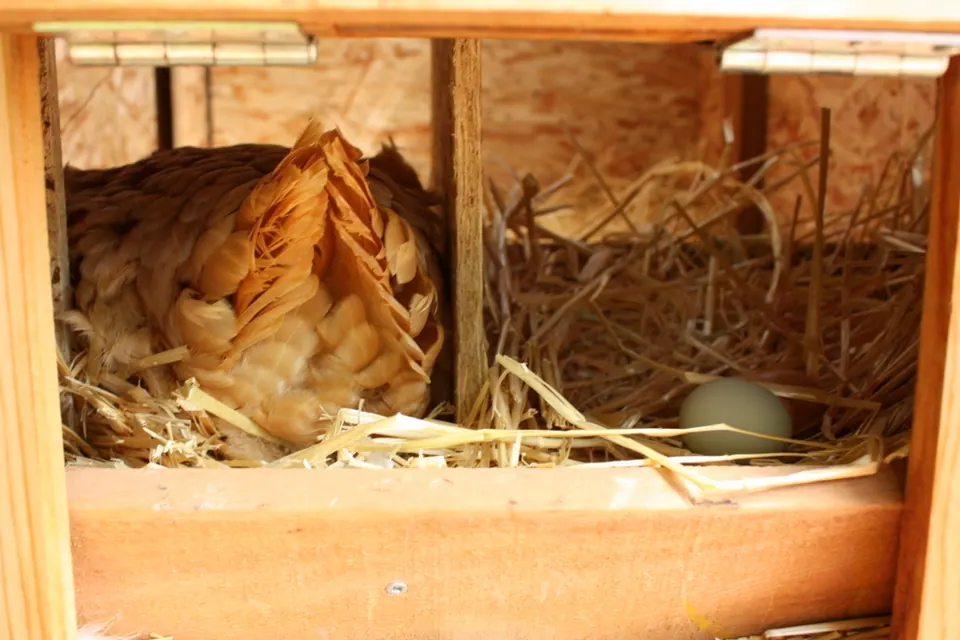
Free-ranging hens often start a hidden nest under a shrub or deck. Keep birds in the run for a few days so they relearn the nest boxes. Dim, private nests at least 12 × 12 in, with clean bedding, encourage use (Penn State); add a fake egg or golf ball as a hint.
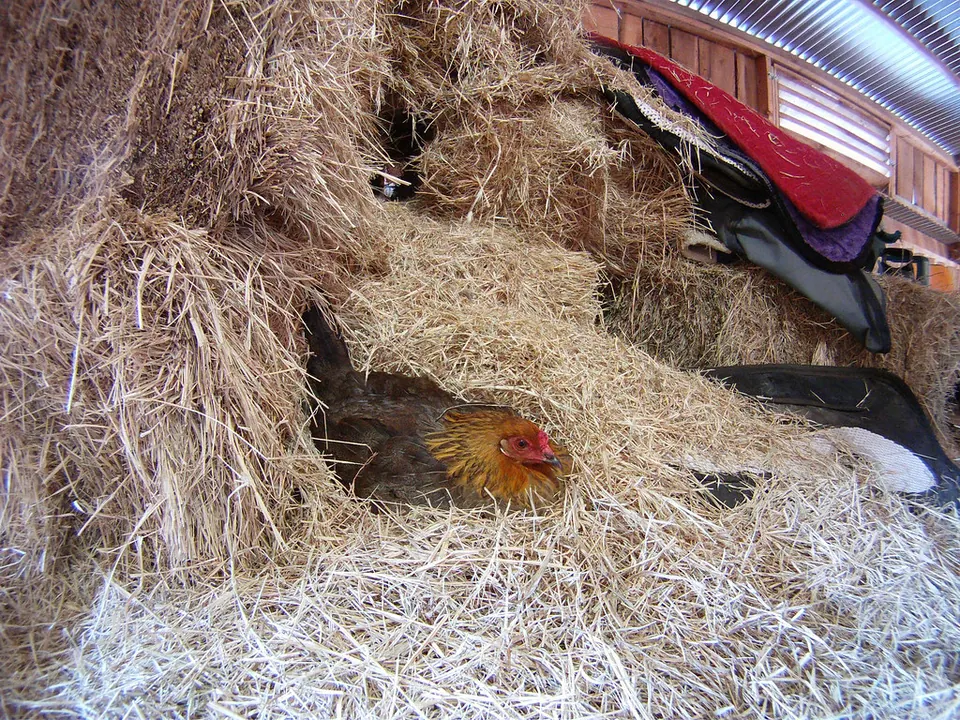
Eggs can also vanish to predators. Maryland Extension lists opossums, skunks, rats, cats, snakes and birds of prey as egg and chick takers, and suggests limiting gaps over ¼ in where birds roost to keep snakes out. Hens can learn to eat eggs too, often after a shell breaks; collect eggs at least twice a day (UMN) and keep oyster shell available for strong shells.
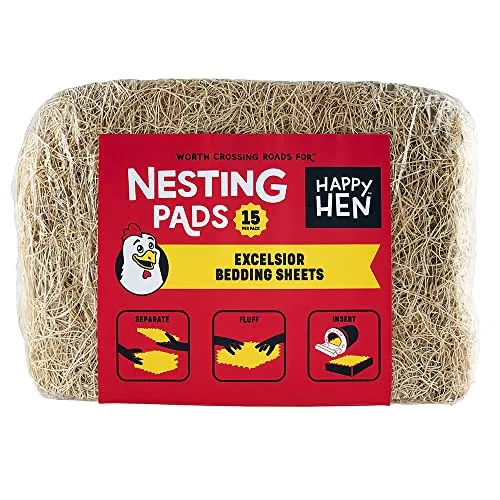
Happy Hen Excelsior Nesting Pads, 15-Pack
- Size
- 12 x 9.5 in, 15 pads
- Material
- Aspen excelsior
- Origin
- Made in USA
Best for Clean, intact nest box eggs
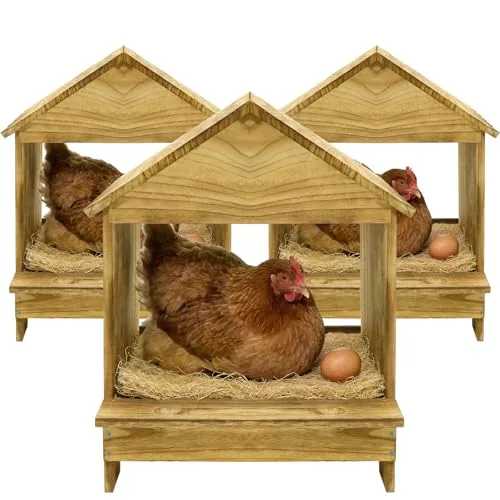
TRINFREE Farmhouse Wooden Nesting Boxes, 3-Pack
- Maker says
- 4–5 hens per compartment
- Material
- Carbonized solid wood
- Nest boxes
- 3
Best for Small backyard flocks
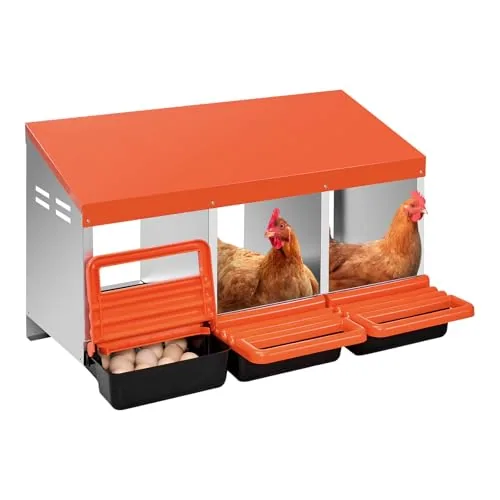
VEVOR 3-Compartment Roll-Out Nesting Box
- Maker says
- Up to 5 hens per box
- Material
- Galvanized steel, plastic
- Nest boxes
- 3, roll-out with lids
Best for Clean-egg collection
10. Could it be parasites or illness?
Mites and lice, worms and disease can all cut egg production. Check birds at night with a flashlight under the vent and wings for mites. If you treat, choose a product labeled for poultry, use it per the label and follow the label's egg-withdrawal time. Few drugs are approved for laying hens; for anything else, ask a veterinarian.
More on what to watch for: common chicken illnesses and first aid and bird flu and backyard biosecurity. When you handle birds or eggs, wash hands afterward (CDC).
Mistakes to avoid when hens stop laying
- Medicating a healthy flock for a seasonal slump. Short days and molt are normal.
- Adding light after sunset or running lights 24/7. Add light in the morning and stay at or under 16 hours (Penn State).
- Piling on treats to "help" a molting hen. It dilutes protein.
- Using a wormer or mite product off-label or ignoring its egg-withdrawal time.
- Overlooking a predator that takes eggs rather than birds.
- Ignoring a sudden drop with sick birds. Call your vet, state poultry lab or USDA.
Find feed, oyster shell and supplements in the feed and supplements hub, and nest pads and coop care in health, safety and cleaning. A weekly nest and egg check is on the flock care checklist.
Start with the calendar: in fall and winter, short days and molt explain most egg slumps, and both resolve on their own. If the season does not explain it, check age, broodiness, feed and treats, heat and stress, then hunt for hidden nests and egg thieves. A sudden drop with sick birds is a call to your veterinarian or state poultry lab.
Questions
Why have my chickens suddenly stopped laying?
Do chickens stop laying in winter?
How long do chickens stop laying when molting?
At what age do chickens stop laying eggs?
How can I tell if my hen is laying?
Can too many treats stop egg production?
Do hens need a rooster to lay eggs?
Sources
- University of Minnesota Extension, Raising chickens for eggs
- University of Minnesota Extension, Raising layer chicks and pullets
- Merck Veterinary Manual, Laying and reproduction in backyard poultry
- Utah State University Extension, Molting and determining production of laying hens
- Penn State Extension, Small-scale egg production (organic and conventional)
- Penn State Extension, Small-Scale Poultry Housing
- University of Minnesota Extension, Preventing heat stress in poultry
- University of Maryland Extension, Prevention of predation
- USDA APHIS, Defend the Flock