Autocoop
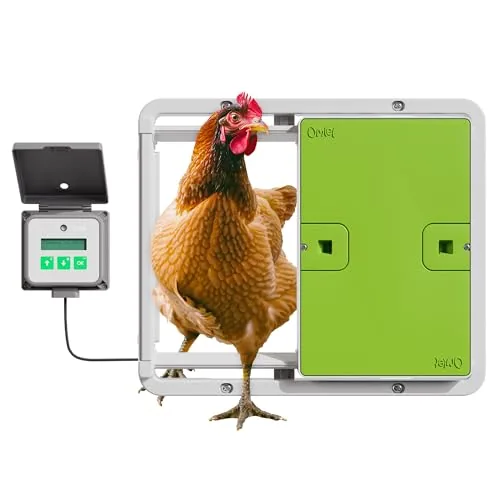
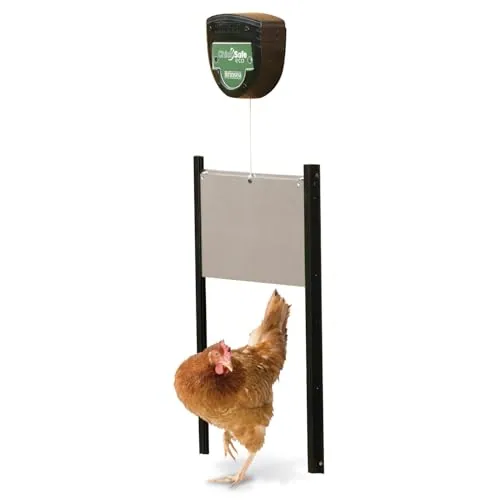
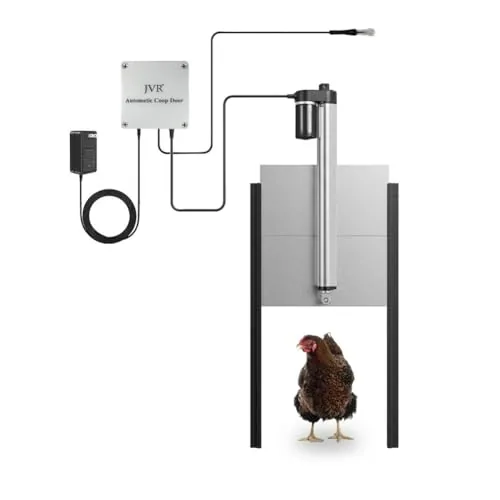
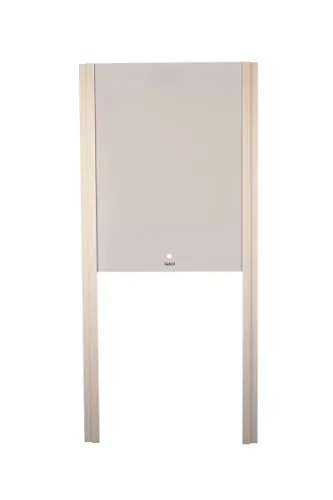
AutoCoop 13x10 Sliding Door with 24" Aluminum Rails
- Door size
- 13 x 10 in
- Material
- Fiberglass door, anodized aluminum rails
- Install
- Vertical or horizontal
Best for Pairing with an AutoCoop or similar opener
Automatic and solar coop doors, coop cameras, lights, timers and fans, compared by power source, trigger, lift capacity and low-temperature figure as listed.
Best for Pairing with an AutoCoop or similar opener
Best for Scheduling a plug-in coop light
Best for Keepers wanting timer and light control
Best for Coops without a power outlet
Best for Scheduling plug-in coop lighting
Best for Coops with a power outlet
Best for Coops with little vertical clearance
Best for Fixed-schedule coop routines
Best for Summer coop ventilation
Best for Ventilating larger coops or sheds
Best for Light-duty winter watering
Best for Larger birds such as ducks
Best for Timed opening on a budget
Best for Keeping water open in winter
Best for Small coops in hot weather
Best for Eglu owners and small coops
Best for App-controlled door schedules
Best for Watching a coop without wiring
Best for Coops away from power
Best for Remote coops beyond Wi-Fi range
Best for Coops within Wi-Fi range
Best for Runs without a power outlet
Best for Adding winter light to a small coop
Best for Simple dusk-and-dawn door setup
Best for Retrofitting a secure pop hole
Best for Doors that follow the seasons
Best for Omlet Autodoor users
Best for Quick installs without wiring
Best for Covering a whole run from one spot
Best for Watching coop and run together
Best for Basic timed opener for an existing door
Best for Sunny runs without battery swaps
Best for Inside-the-coop monitoring
Best for Low-cost coop check-ins
Best for Off-grid coops with heavier doors
No product matches every filter. Clear one to see more.
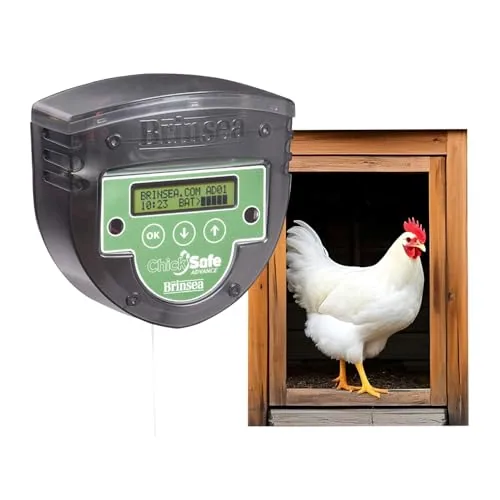
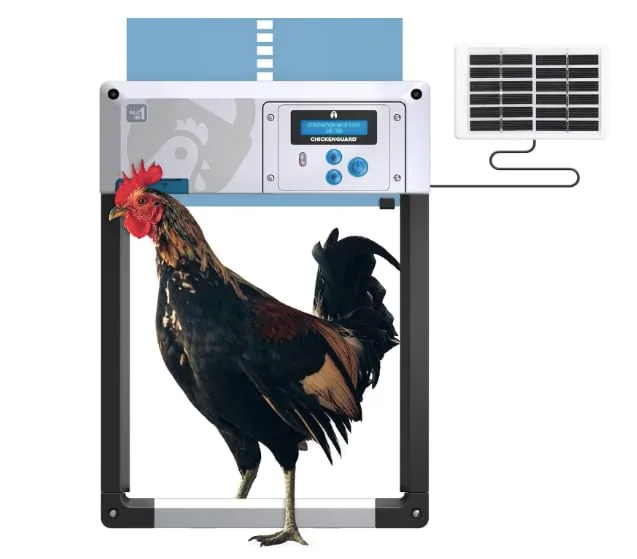
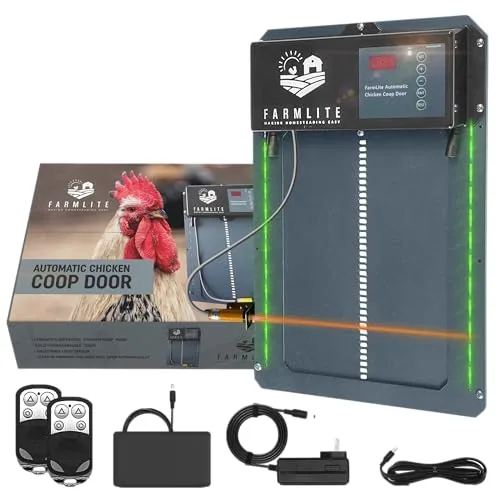
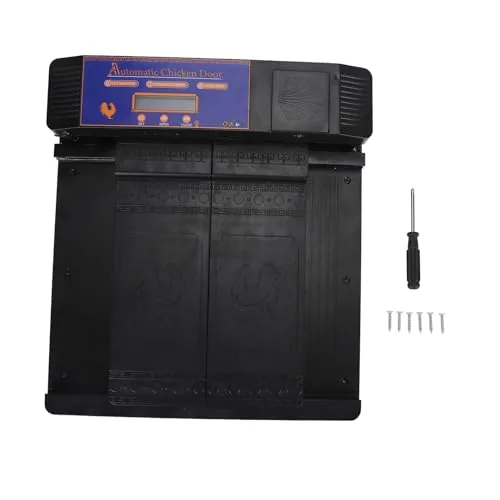
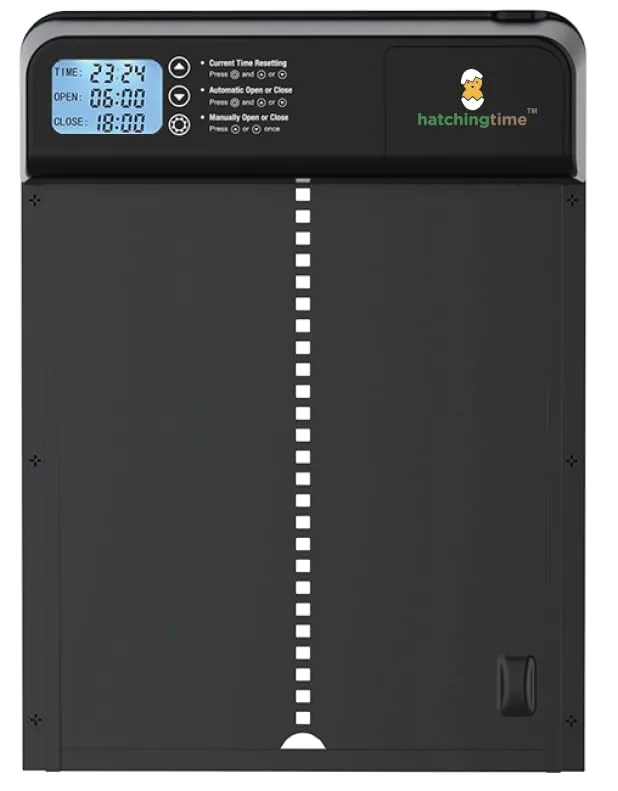
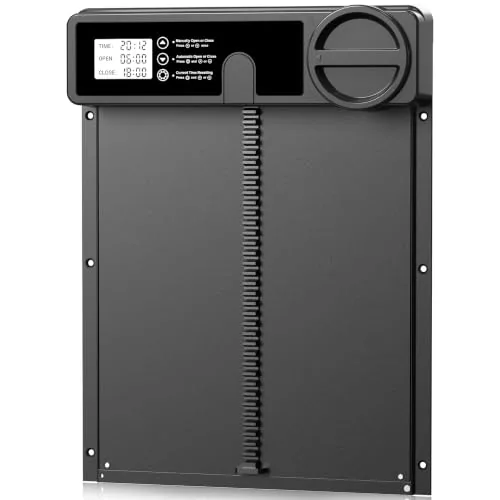
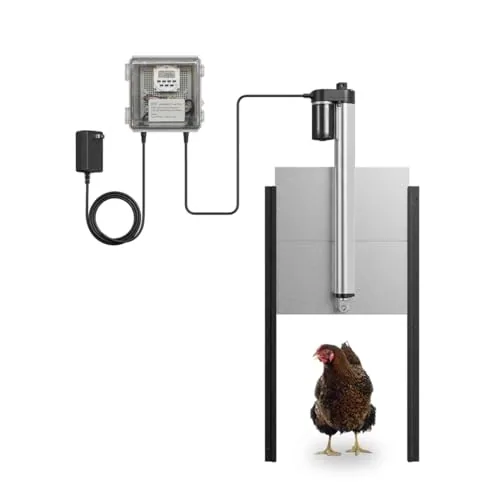
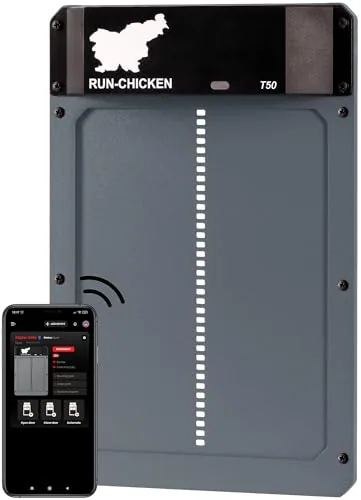
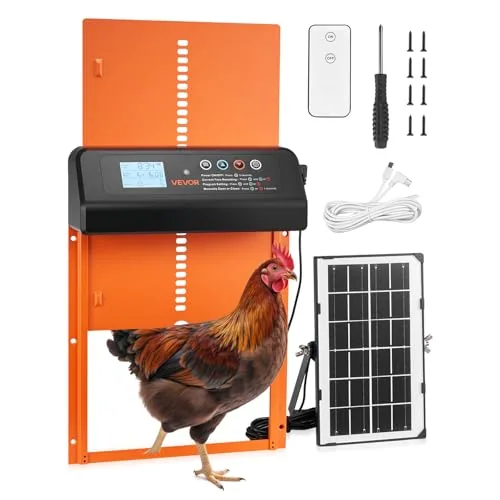
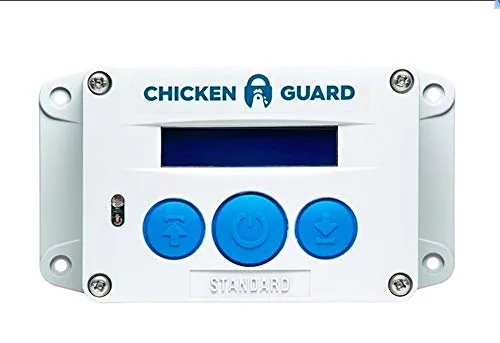
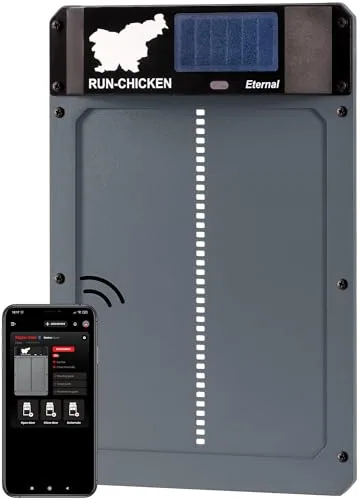
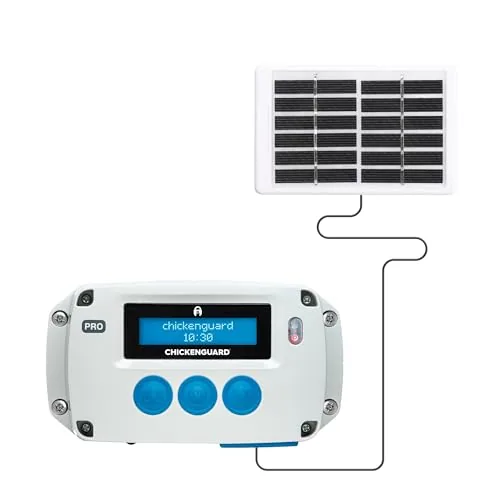
An automatic chicken coop door closes the pop hole at dusk and opens it in the morning, so the flock is shut in even when you are late home. Raccoons, foxes and owls hunt after dark, so a door that never forgets does more for safety than any other coop gadget. Compare four things:
Best for Retrofitting a secure pop hole
Best for Eglu owners and small coops
Best for App-controlled door schedules
Best for Doors that follow the seasons
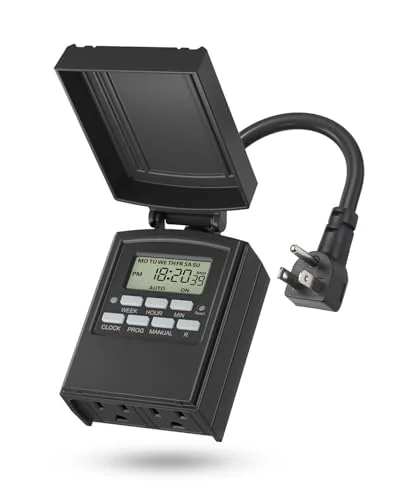
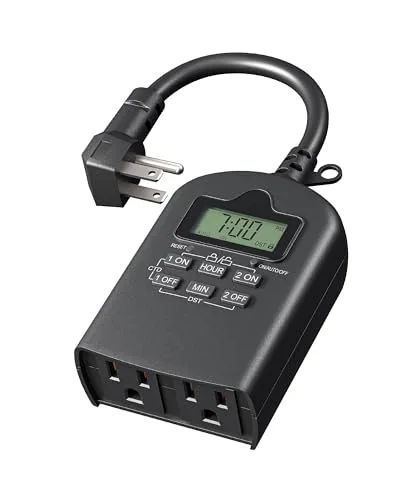
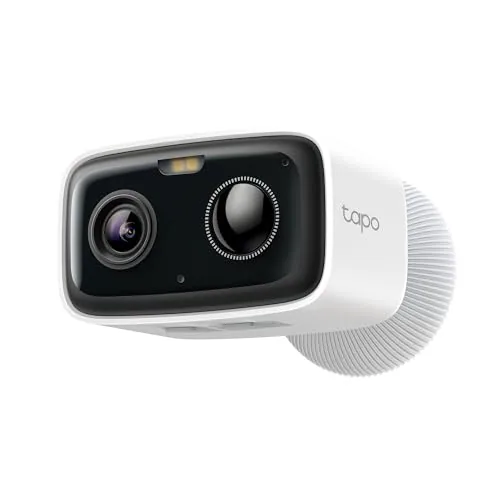
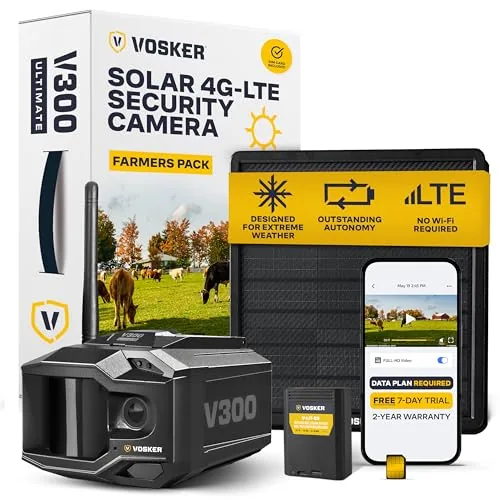
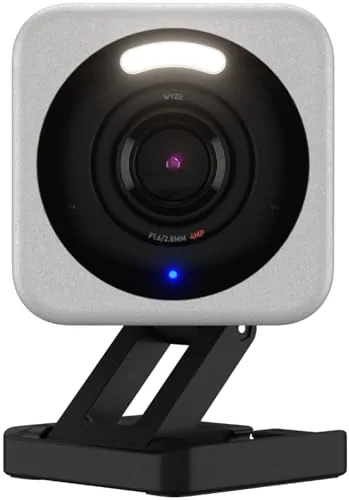
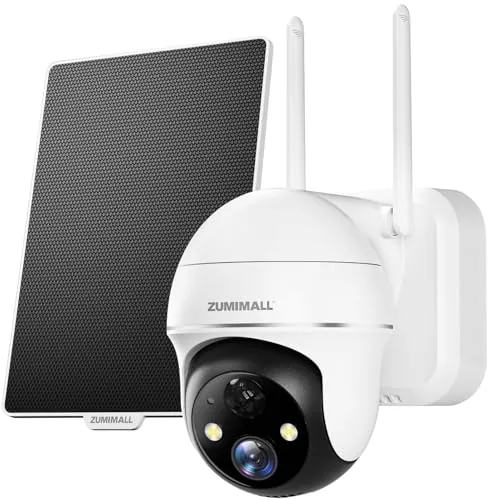
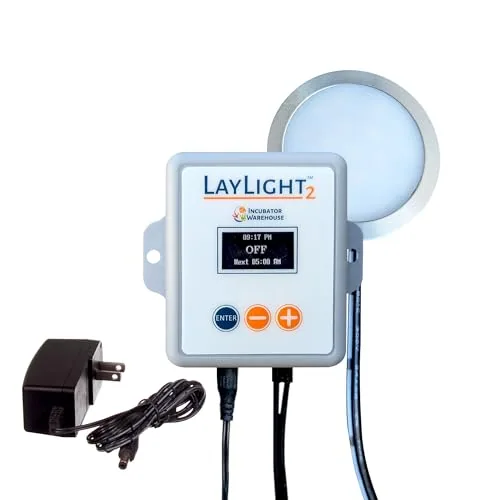
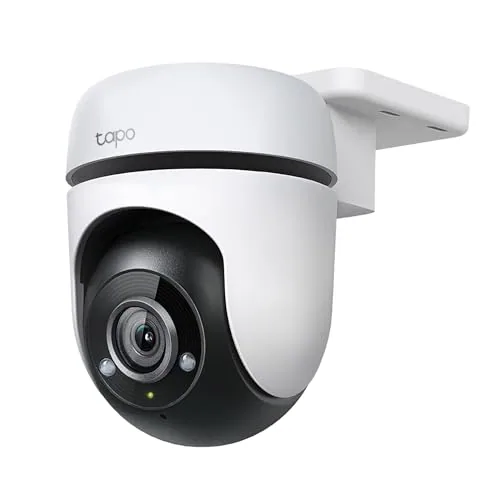
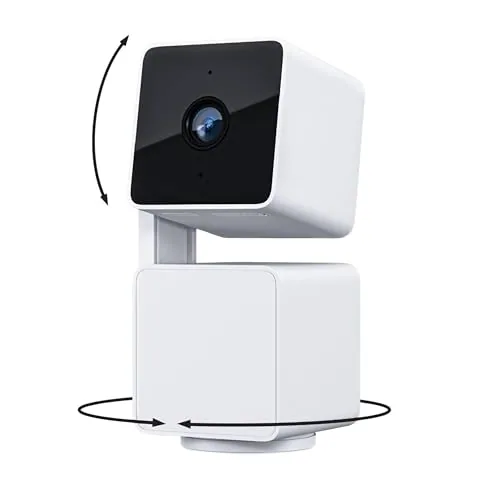
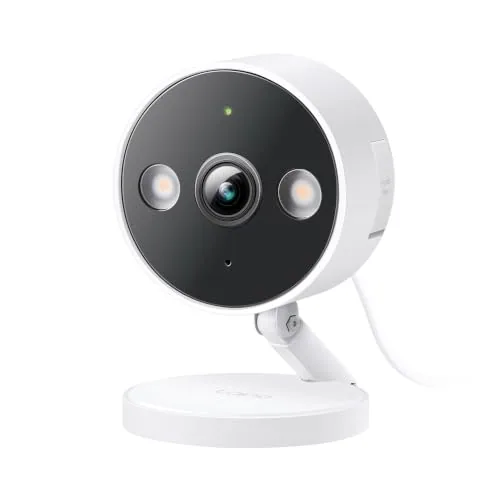
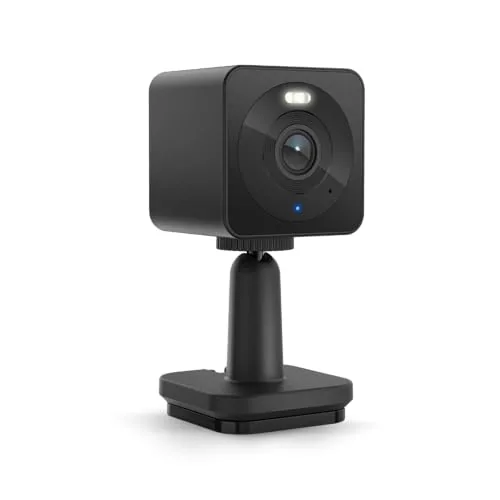
A camera lets you check that every hen went in before the door shut. Wi-Fi models from Wyze and Tapo need signal at the coop; a 4G solar camera such as the VOSKER V300 suits coops far from the house. Coop lights on a timer, like the AutoCoop LayLight2 or an outdoor plug timer, can extend winter daylight if you choose to; hens naturally lay less as days shorten, and extra light is optional.
Best for Coops within Wi-Fi range
Best for Inside-the-coop monitoring
Best for Adding winter light to a small coop
Best for Scheduling a plug-in coop light
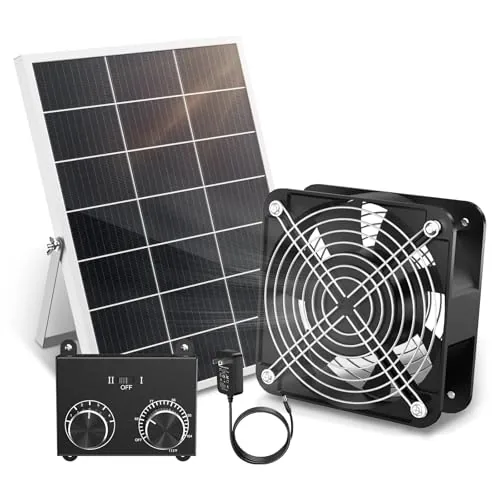
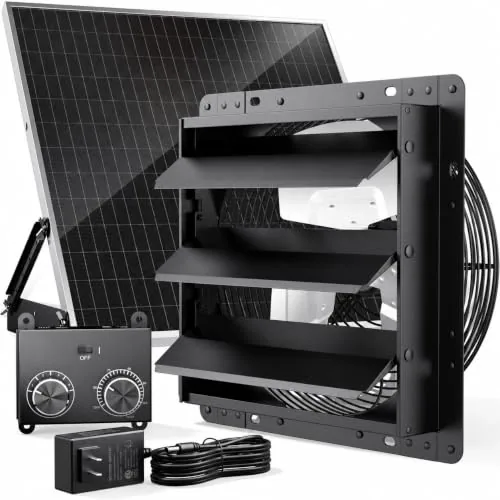
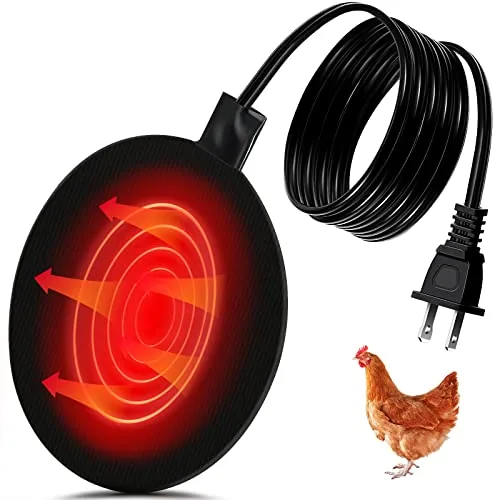
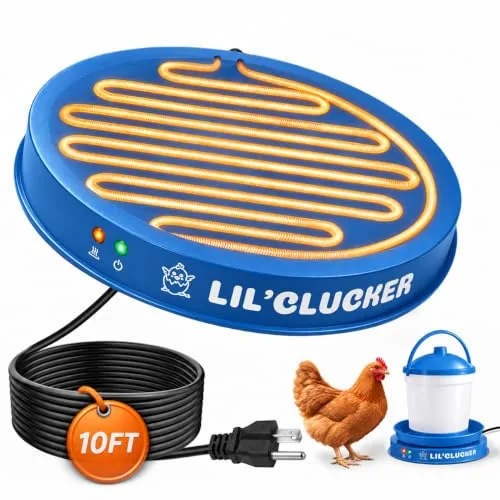
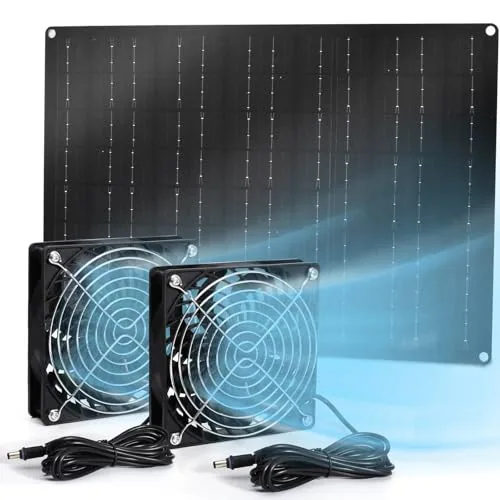
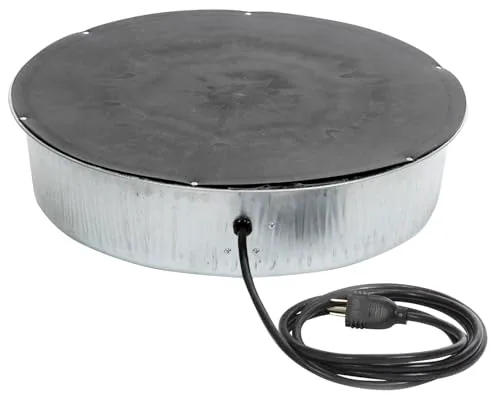
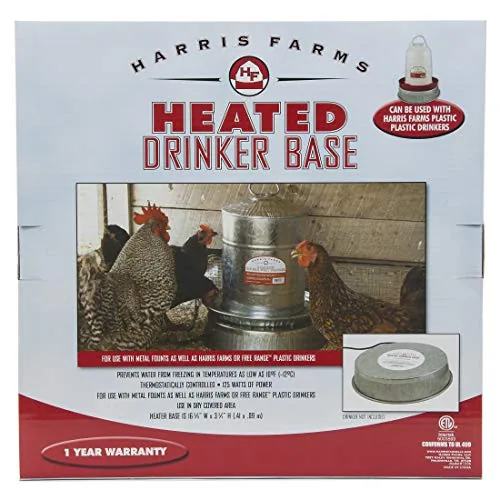
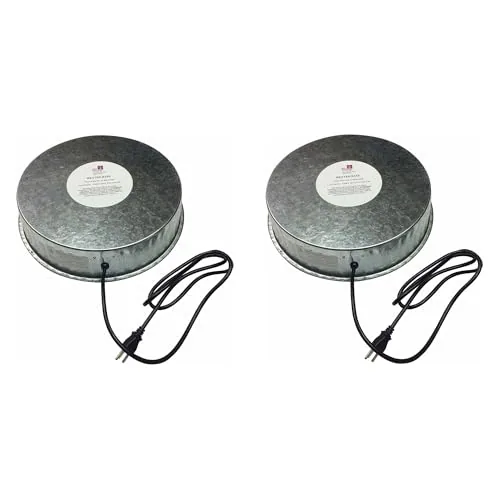
Heated waterer bases are filed under feeders and waterers, but they belong in any coop power plan: a heated base keeps a metal or plastic fount from freezing. Little Giant lists 110 W for metal founts and Harris Farms 125 W for metal and plastic drinkers. In summer, a solar exhaust fan helps move hot, damp air out of a small coop.
Best for Metal founts in cold climates
Best for Keeping one drinker ice-free
Best for Winterizing two metal founts
Best for Summer coop ventilation
 Best of
Best automatic chicken coop doors compared by listed trigger, power, lift capacity, door size, safety stop and cold…
 Best of
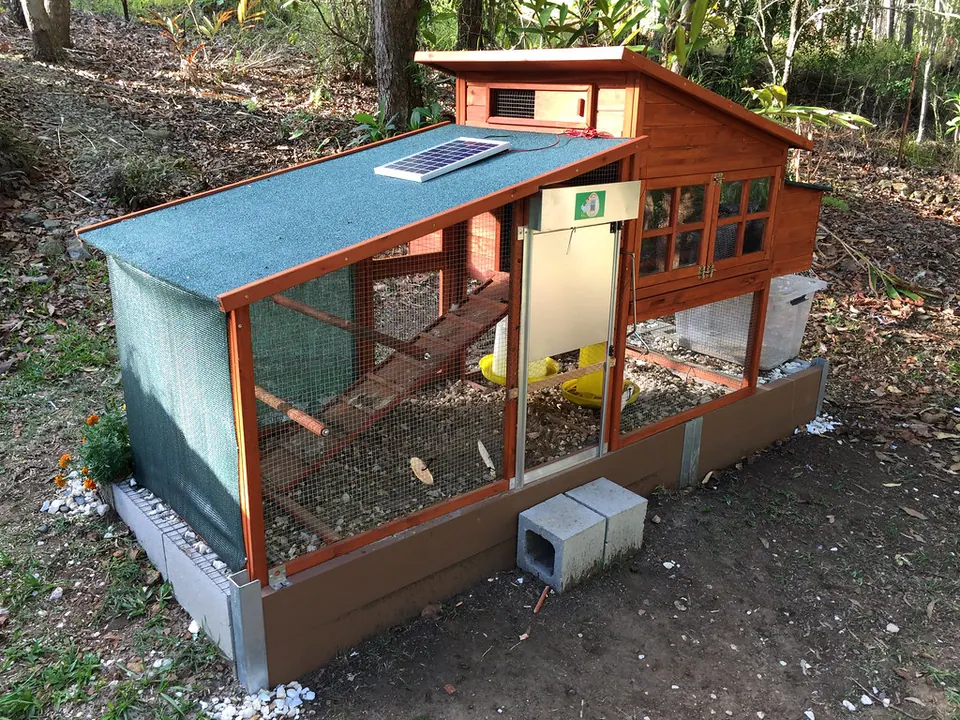
Best solar chicken coop doors compared by listed panel, battery, trigger, lift and cold rating, from ChickenGuard and…
 Best of
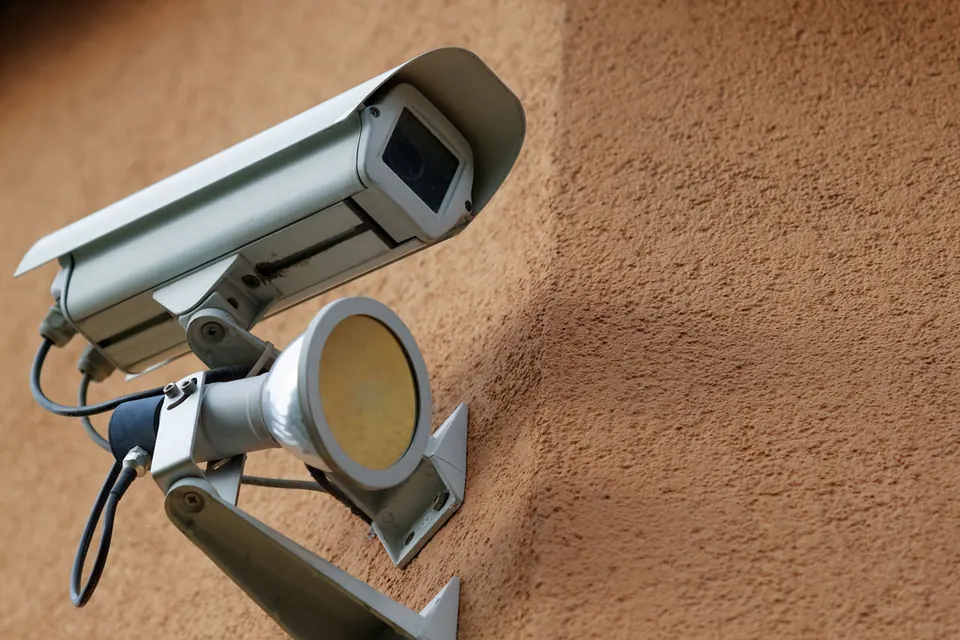
Best chicken coop cameras compared by listed specs: wired Wi-Fi, battery, solar and 4G LTE picks from Wyze, Tapo,…
 Best of
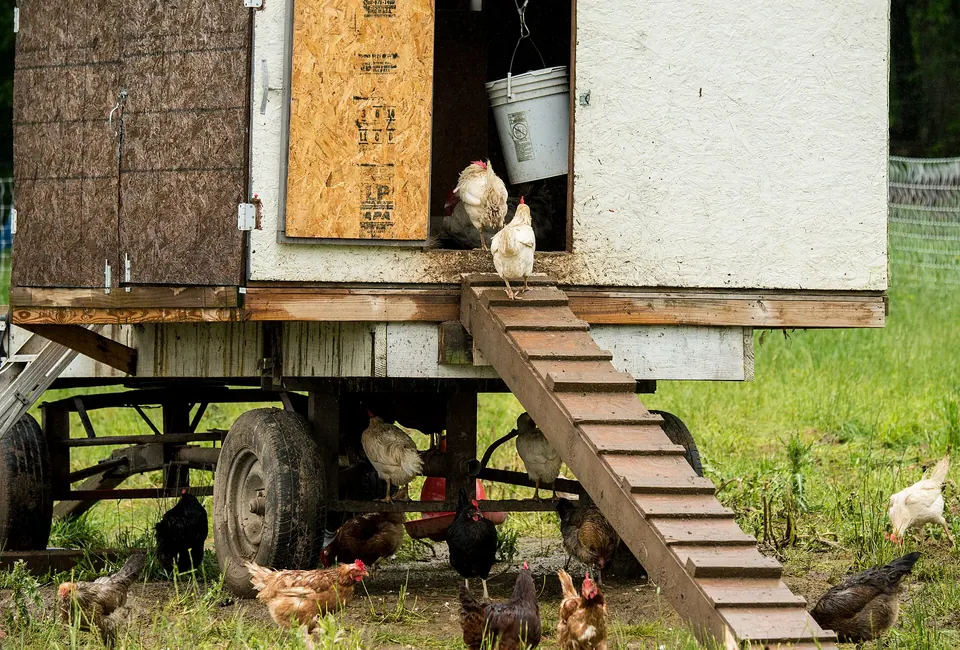
Best predator protection for chickens compared by specs: hardware cloth, locking auto doors, run netting, electric…
 Review
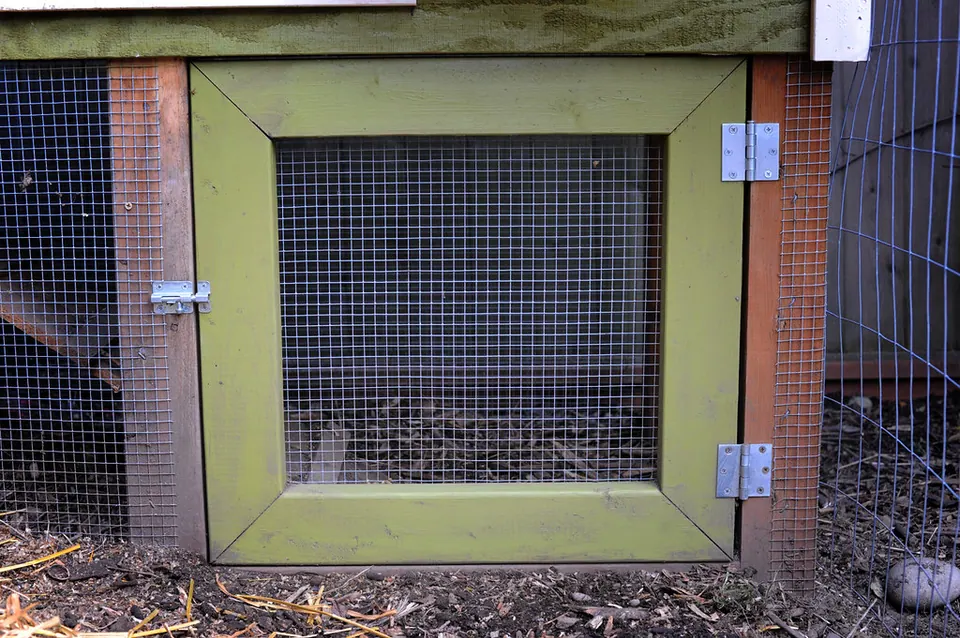
Omlet Autodoor review: a battery sideways-sliding coop door with light sensor or timer and safety sensors, for wooden…
 Review
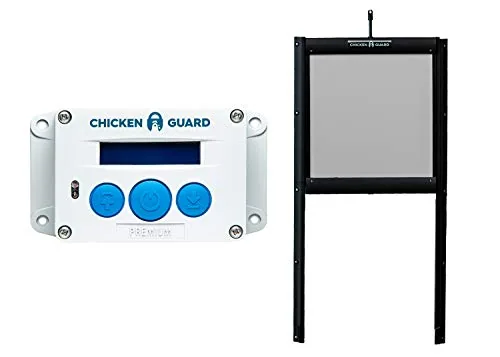
ChickenGuard review: the Premium automatic coop door opener with timer or light sensor, 1 kg lift and a self-locking…