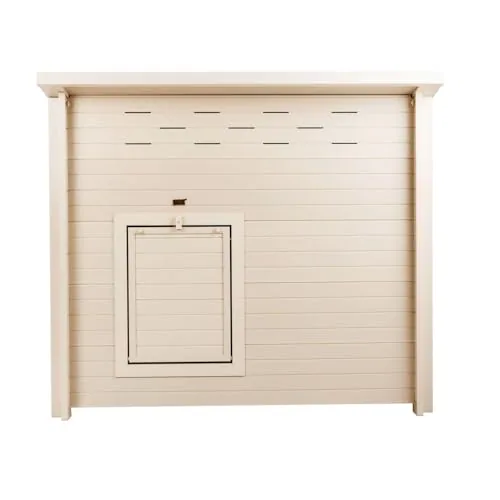
New Age Pet
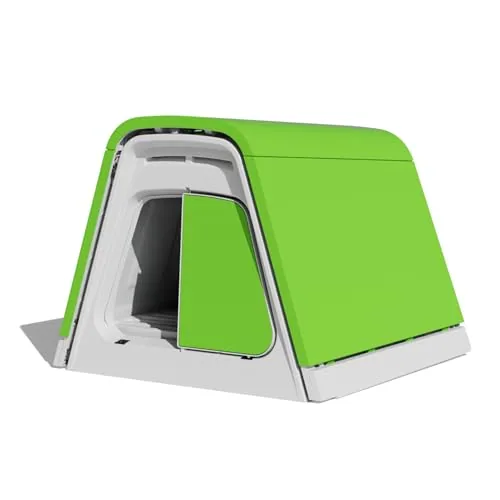
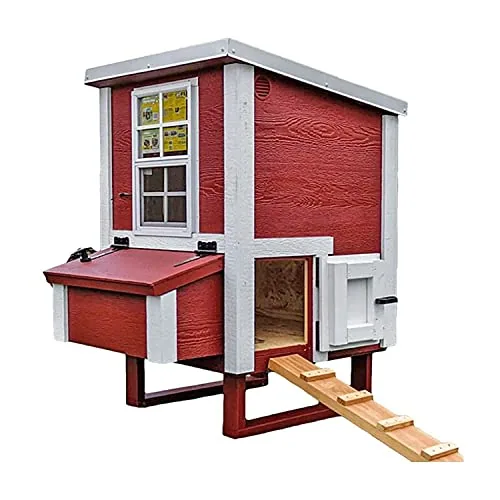
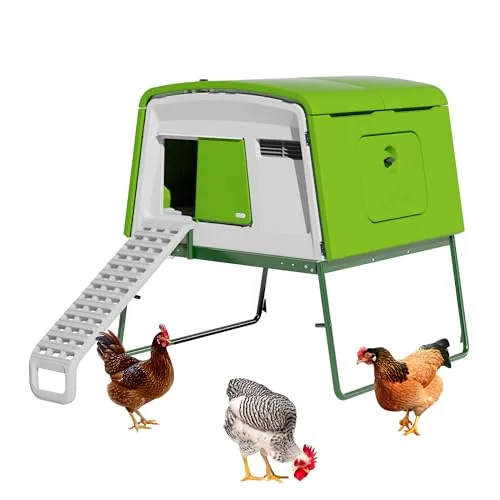
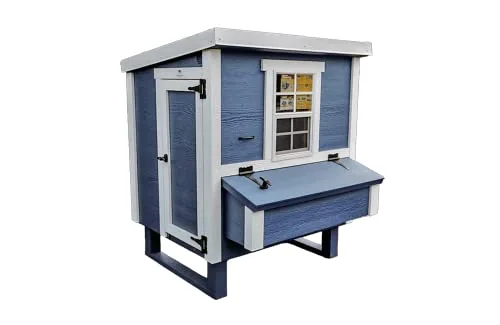
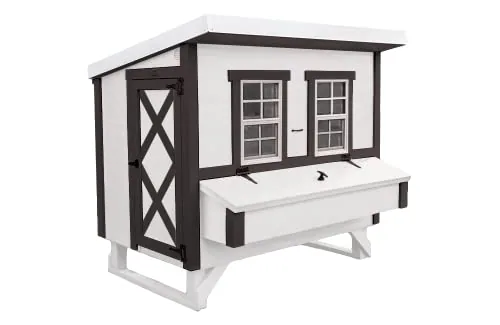
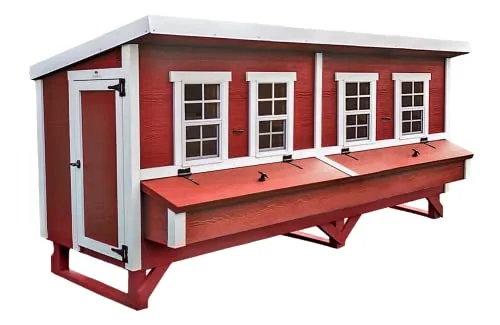
New Age Pet ECOFLEX Fontana Jumbo Chicken Coop
- Maker says
- 4–6 chickens
- Material
- ECOFLEX recycled polymer and wood fiber
- Nest boxes
- Side nesting box with hinged lid
Best for Small flocks wanting a non-wood coop
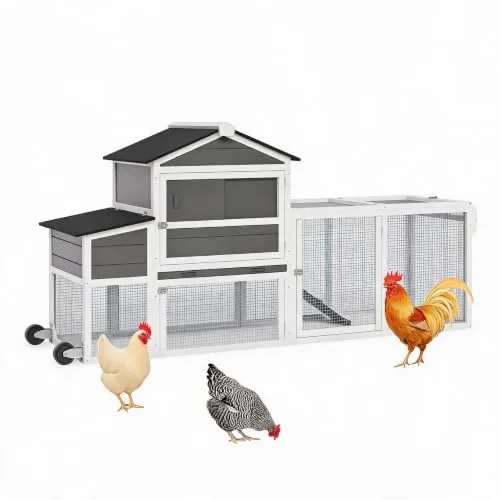
Chicken coops by flock size, walk-in coops, chicken tractors, plastic coops, nesting boxes and roosts. Where a listing gives the inside floor, the product page recounts its capacity against extension space norms.
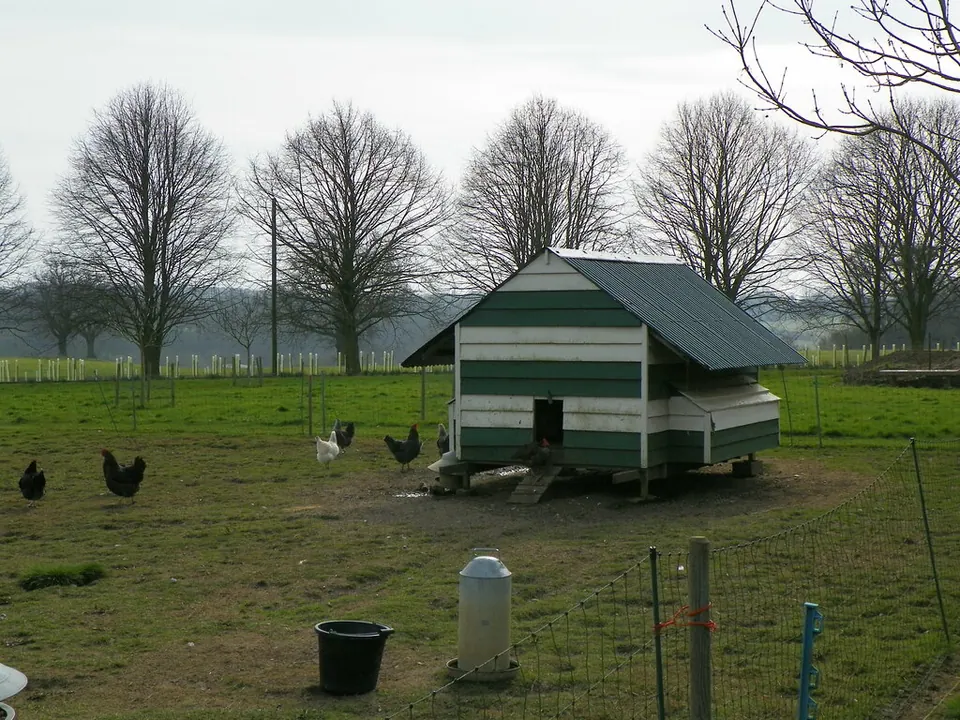
Best for Small flocks wanting a non-wood coop
Best for Rotating a small flock around the yard
Best for Larger laying flocks
Best for Small flocks or ducks in a big yard
Best for Run enrichment
Best for Small coops moved by one person
Best for A first small flock
Best for Small backyard flocks
Best for A first flock of a few hens
Best for Pasture rotation in a small yard
Best for Cold-climate coops
Best for Small coops
Best for Starter flock of three
Best for A first small flock
Best for Two or three hens
Best for Adding roost space to a coop
Best for Small urban flocks
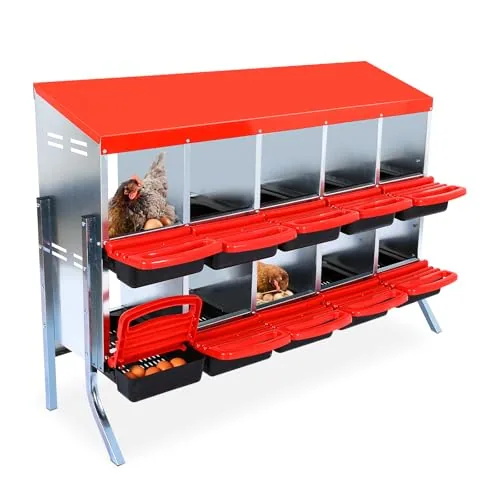
Best for Clean eggs for sale
Best for Brooder perches
Best for Growing flocks
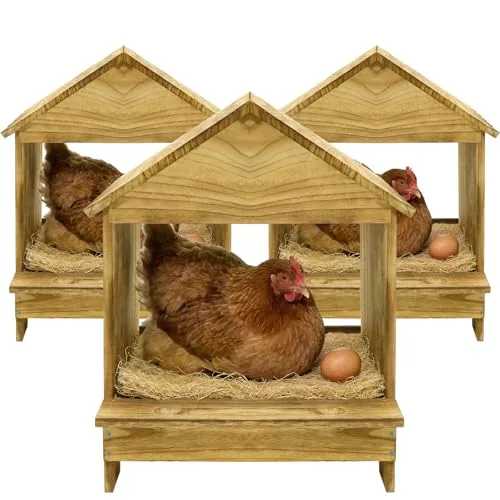
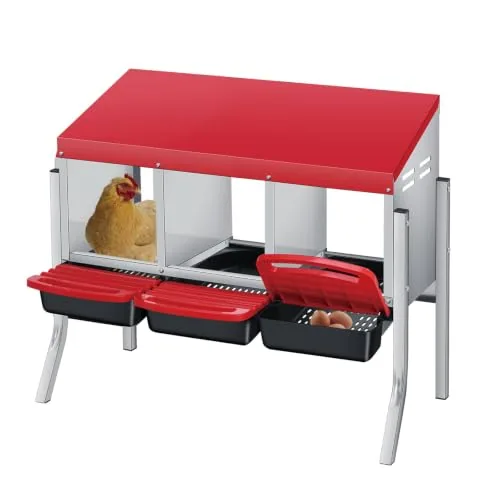
Best for Quick nest boxes for a small coop
Best for Pasture rotation in small yards
Best for Clean-egg collection
Best for Small flocks starting out
Best for Bigger flocks selling eggs
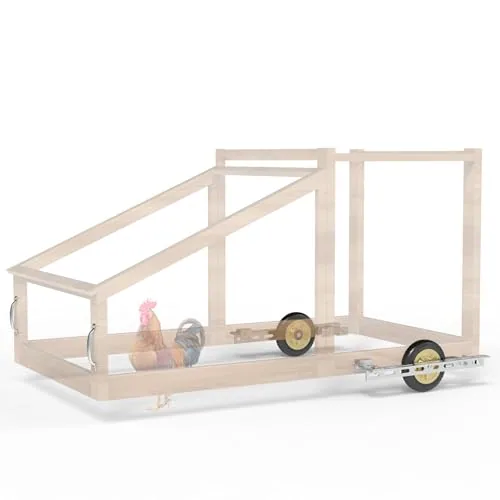
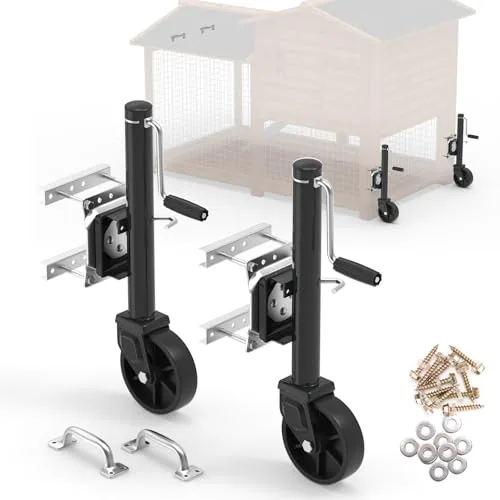
Best for Making a coop mobile
Best for Larger flocks collecting clean eggs
Best for Clean-egg collection
Best for Small flocks wanting low upkeep
Best for Growing backyard flocks
Best for Small flocks
Best for Two or three hens on the move
Best for Larger flocks wanting plastic
Best for Mid-size flocks
Best for Larger flocks
Best for Keepers who want to stand inside
Best for Mid-size flocks
Best for Large flocks and egg sellers
Best for Two hens in a small yard
Best for A couple of hens
Best for Flexible layouts in narrow spaces
No product matches every filter. Clear one to see more.
Start with the inside floor, not the hen count on the box. A chicken coop listed for 8–10 chickens often has a floor that fits far fewer standard hens by extension guidance. Penn State's minimum is about 1.5 square feet per standard hen inside plus 8 in the run; the University of Minnesota suggests 3–5 square feet inside; many keepers plan on 4 inside and 10 in the run.
Space per bird, square feet: inside the coop / in the run
| Birds | Penn State | UMN | 4 + 10 rule |
|---|---|---|---|
| Standard laying hens | 1.5 / 8 | 3–5 / — | 4 / 10 |
| Large breeds | 2 / 10 | 3–5 / — | 4 / 10 |
| Bantams | 1 / 4 | 3–5 / — | — |
| Ducks | 3 / 15 | — | — |
| Geese | 6 / 18 | — | — |
| Quail | 1 / 4 | — | — |
Sources: Penn State Extension, Small-Scale Poultry Housing, Table 1 (Minimum Space Requirements for Poultry); University of Minnesota Extension, Raising chickens for eggs (“a minimum of 3 to 5 square feet of indoor space per bird”); Widely repeated hobby guideline (4 sq ft inside, 10 sq ft in the run per standard chicken), e.g. GRIT, Chicken Coop Space Requirements. — = not given by that source.
Coop size calculatorEnter your birds and a coop's inside length and width to check it against all three norms at once.Then check what keeps birds safe and the coop easy to clean: hardware cloth instead of chicken wire on vents and the run, two-step latches raccoons cannot flip, a removable droppings tray, ventilation high under the roof, and nest boxes you can reach from outside.
Best for A first small flock
Best for Starter flock of three
Best for Two hens in a small yard
Best for Small flocks starting out
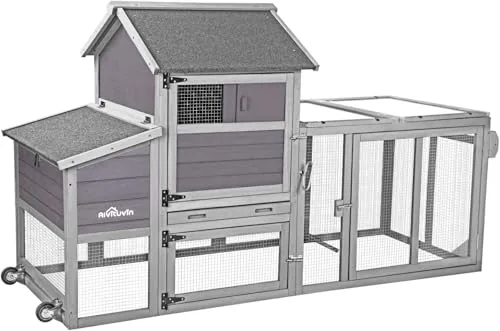
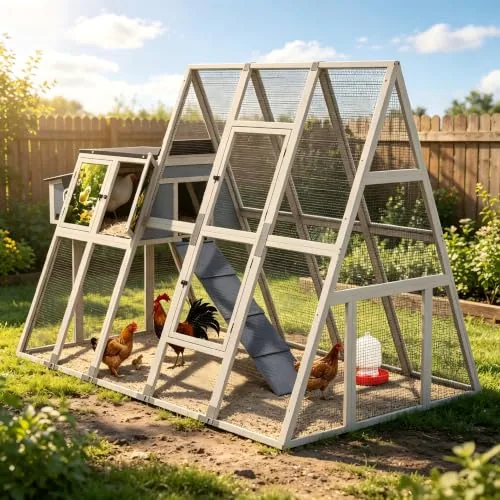
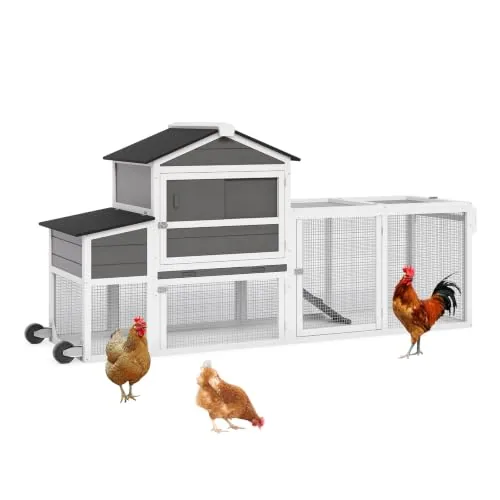
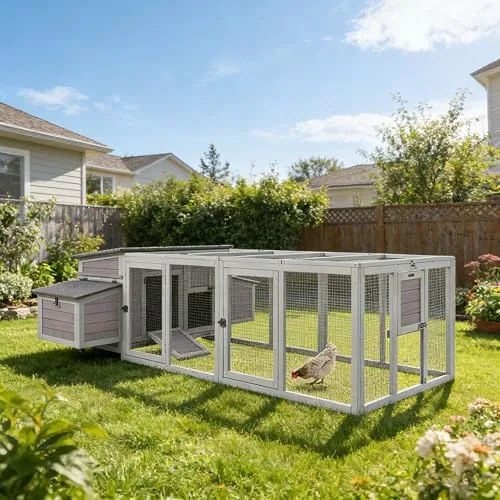
Budget fir coops from PawHut and Aivituvin are light and quick to build, but thin panels and small floors are the trade-off. OverEZ uses heavier wood panels for larger flocks. Twin-wall plastic coops such as the Omlet Eglu are easy to scrub and do not hide mites in wood joints. Chicken tractors on wheels let you move birds to fresh grass. See wood vs plastic coops and chicken tractors.
Best for Two or three hens on the move
Best for Pasture rotation in a small yard
Best for Keepers who want to stand inside
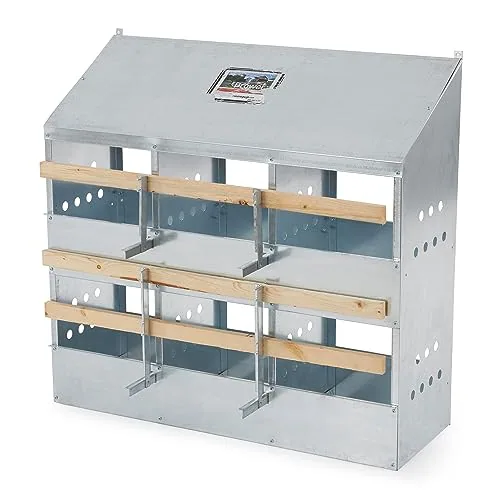
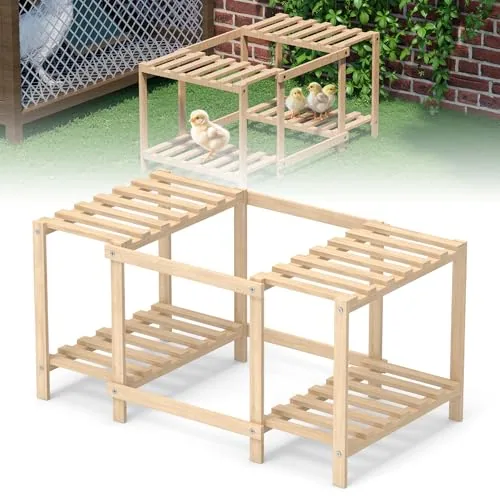
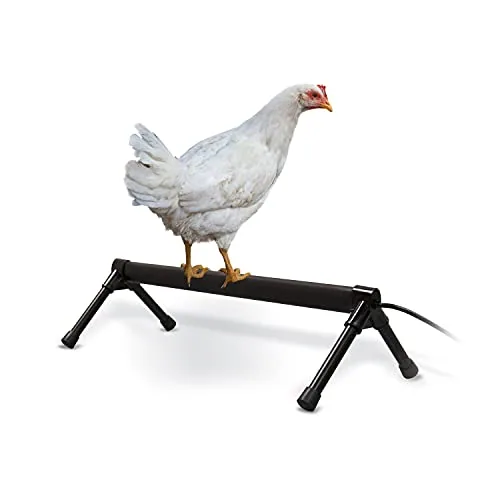
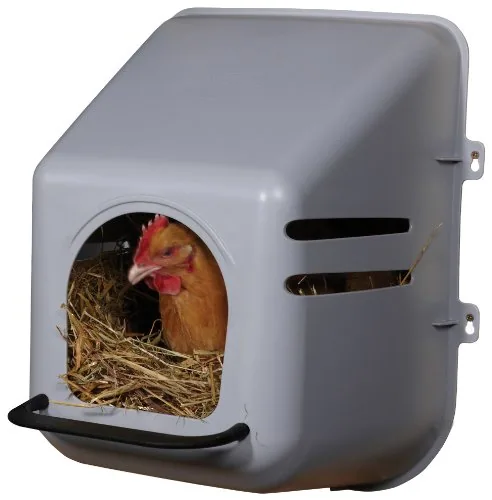
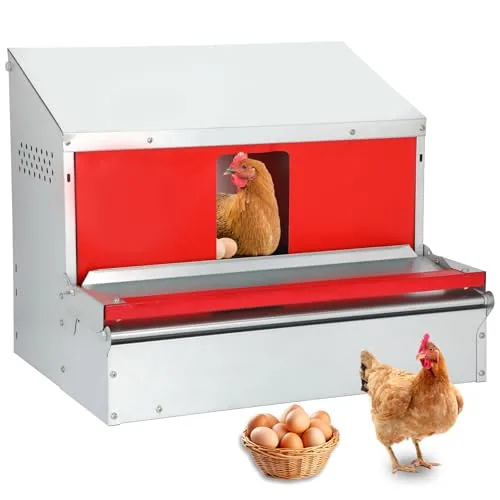
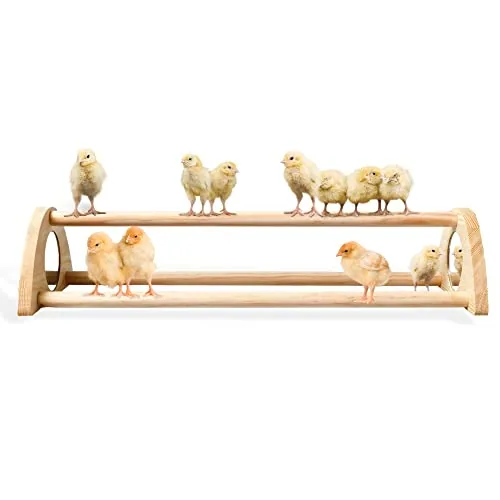
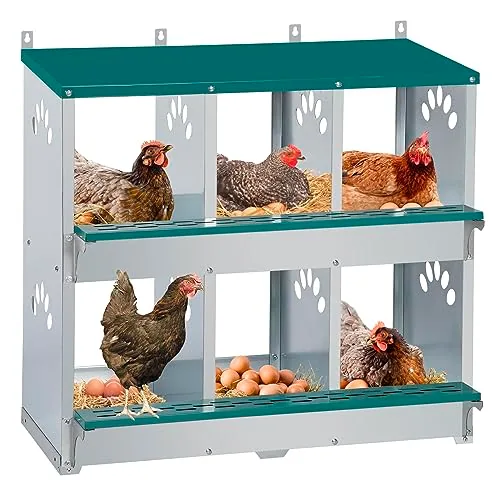
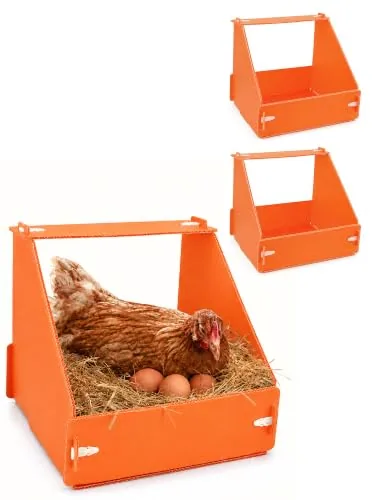
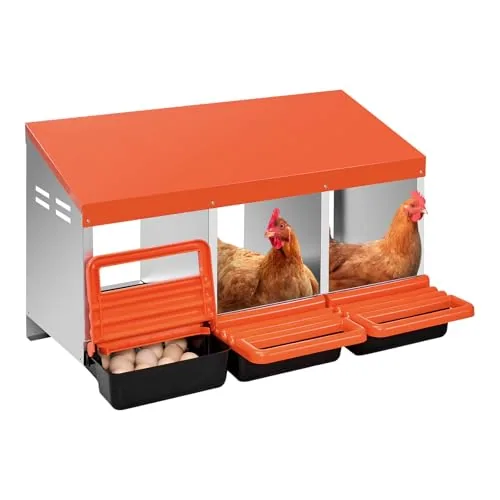
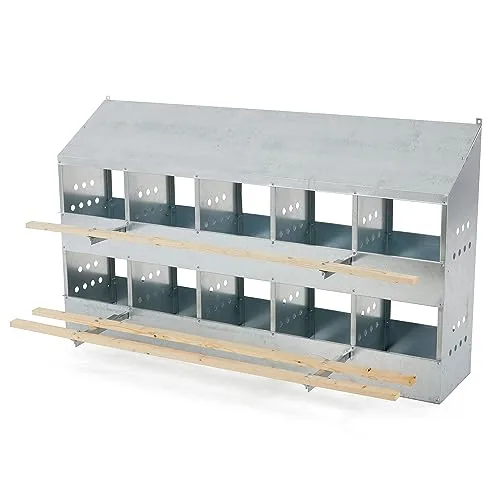
Penn State suggests about one nest box for every four to five hens and roost space of 6 inches per standard bird (4 for bantams); UMN suggests 9 inches in cold weather. Roosts should sit higher than the nest boxes so hens sleep on the bar, not in the nest. Roll-out nest boxes keep eggs cleaner when you have more hens.
Best for Small coops
Best for Larger laying flocks
Best for Quick nest boxes for a small coop
Best for Run enrichment
 Best of
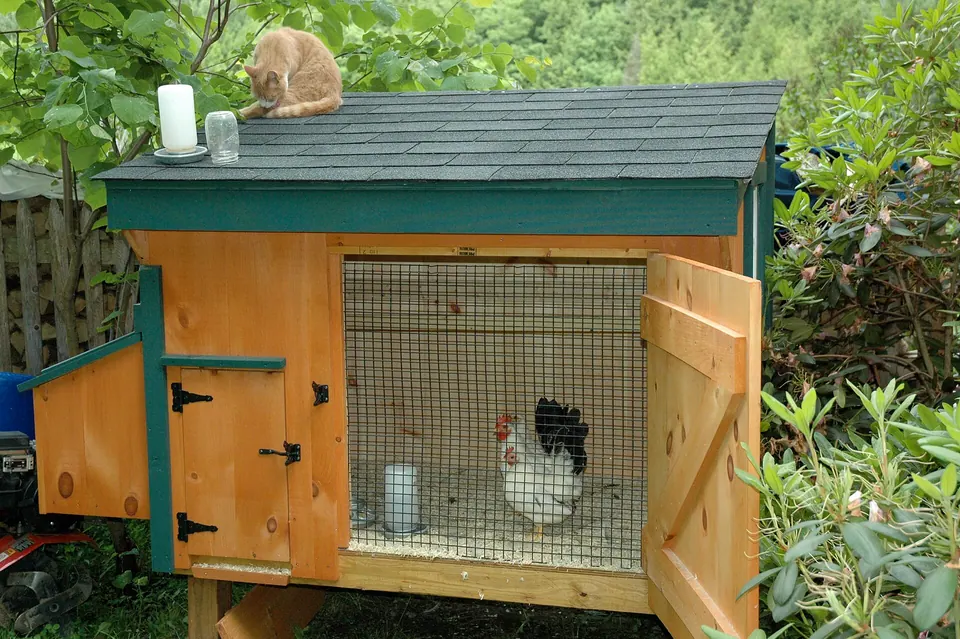
Best chicken coops compared by listed size, nest boxes and materials, with hen claims checked against Penn State and…
 Best of
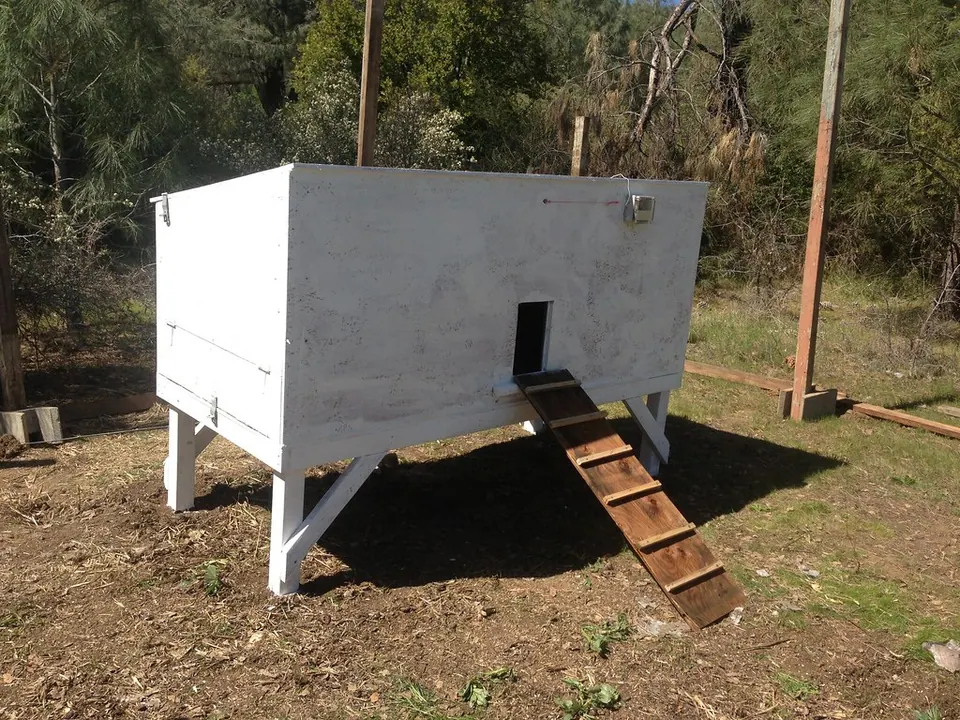
Best chicken coop for 4 chickens: eight coops compared by listed size and features, with the floor, roost and run…
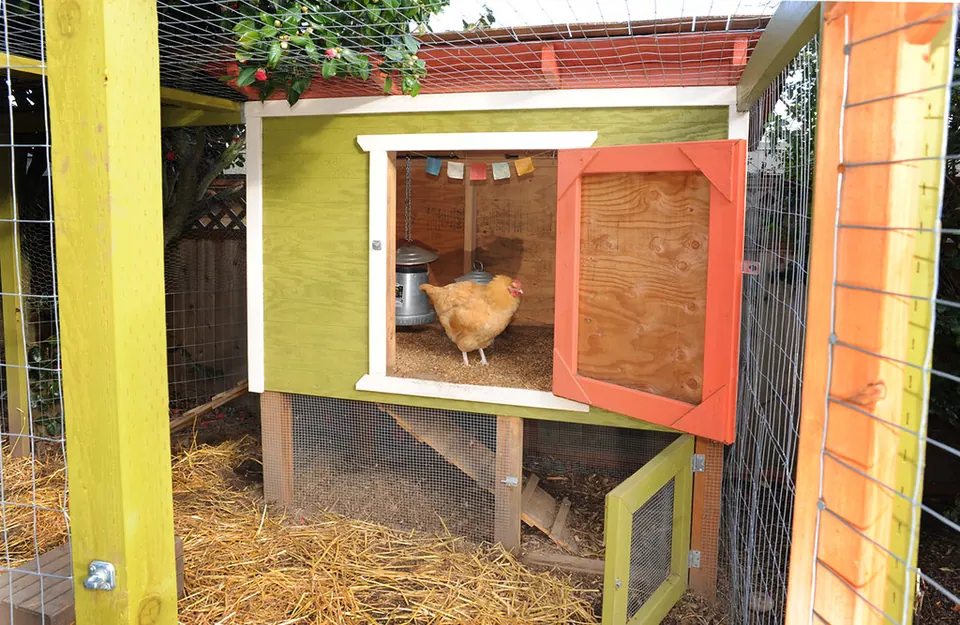 Best of
Best chicken coop for 6 chickens: seven coops compared by listed size, nests and roosts, with the 9–30 sq ft inside…
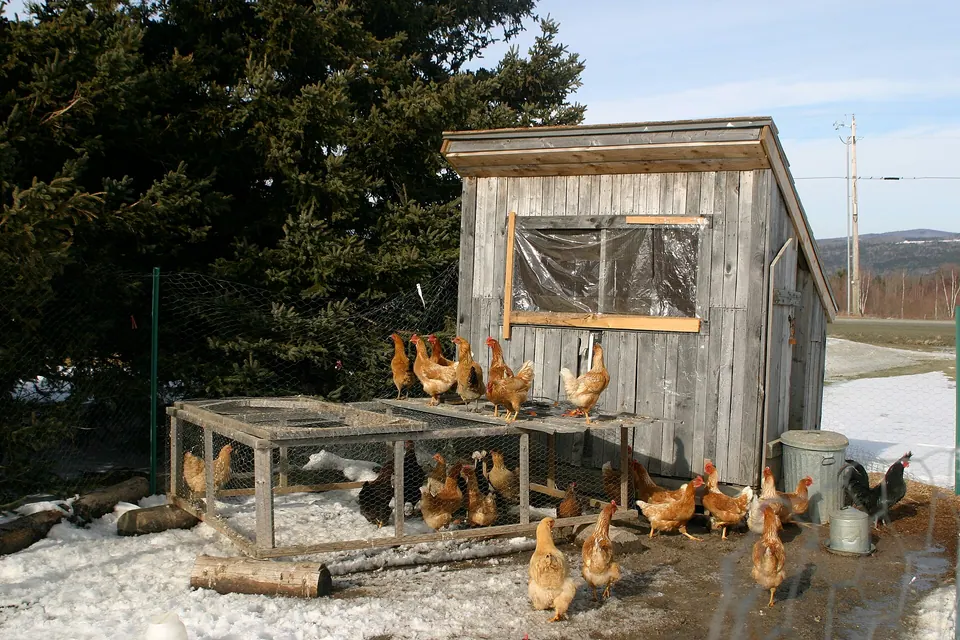 Best of
Best walk-in chicken coops compared by listed height, footprint and nests, plus walk-in runs to pair with a house,…
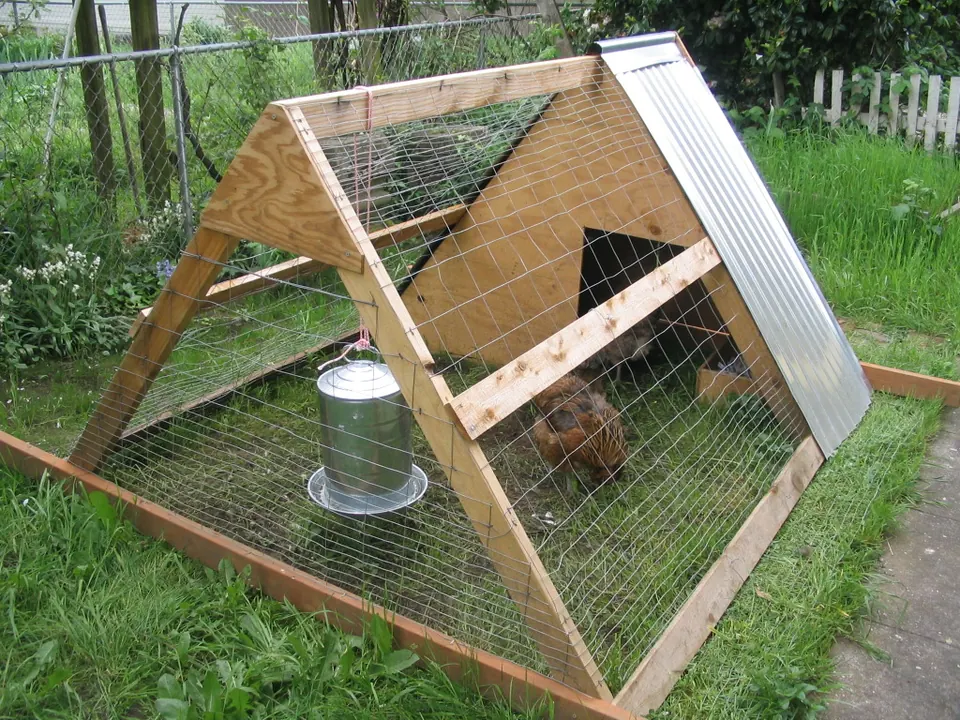 Best of
Best chicken tractors compared by listed footprint, wheels, nests and hen claims, plus wheel kits that make a coop…
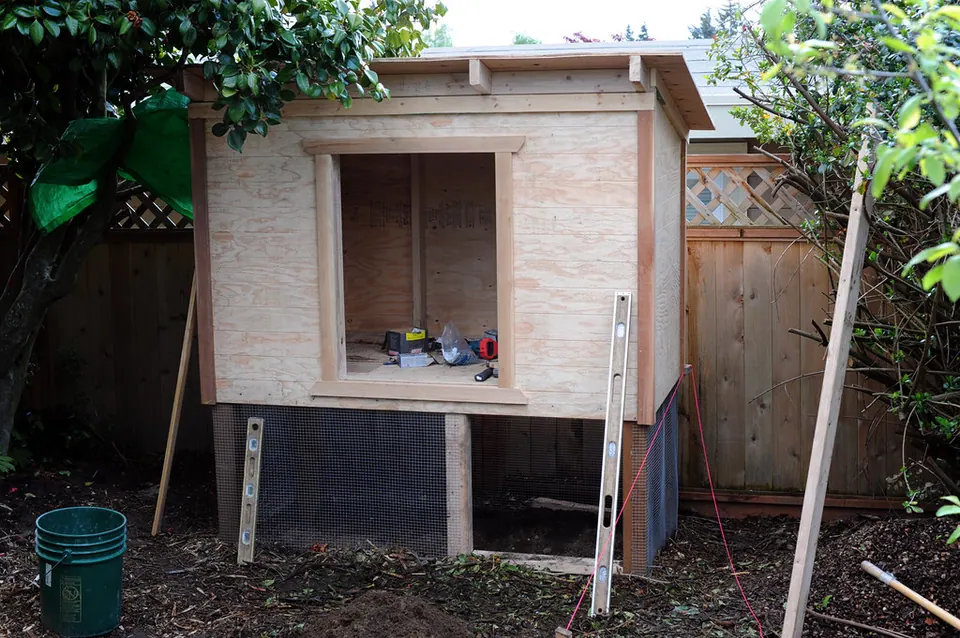 Versus
Wood vs plastic chicken coop compared: materials, floor space vs Penn State and UMN norms, cleaning, ventilation,…