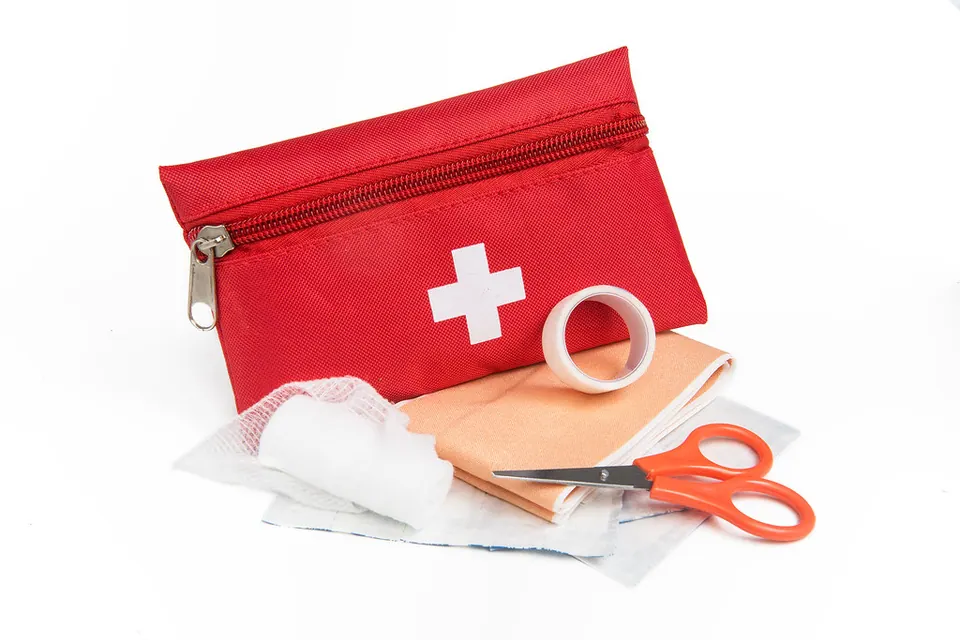
- The best poultry first aid kit starts with a topical spray made for poultry, such as Vetericyn Plus Poultry Care (antibiotic-free; the maker states no egg withdrawal), used per the product label.
- Add electrolytes for stress or heat, such as Vet's Plus Merricks Blue Ribbon, used per the label.
- Handling and support gear: a Paterr carrier sling, a UEBB leg splint set, a pranovo splay-leg brace for hatchers, and a COOPED UP hen saddle for worn backs.
- Mite and lice products such as Prozap Insectrin Dust: only as the label directs, including the egg-withdrawal time or egg-use restrictions on the label.
- Sick or badly hurt bird? Contact a veterinarian or your state poultry lab. Sudden deaths or bird-flu signs: your state veterinarian or USDA at 1-866-536-7593.
The best poultry first aid supplies are the few things you reach for in the first hour after a predator scare, a pecking injury or a bird that is clearly off: something to clean and protect a wound, something to support a stressed bird, something to hold her still, and a quiet crate to keep her apart from the flock. This list helps you stock that kit. It does not tell you how to treat illness, and none of these products is a cure.
We picked nine supplies from nine brands by labeled use, as each maker lists it. Every product below should be used exactly per its label, including the egg-withdrawal time if the label gives one. For signs of common problems and when to call a professional, read common chicken illnesses and first aid, and see the full range in health, safety and cleaning.
Our picks
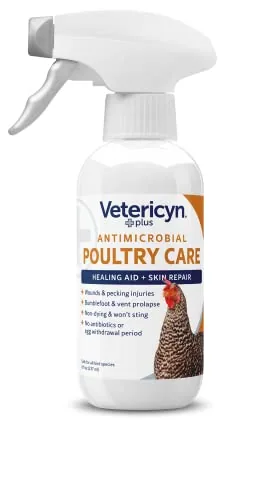
Vetericyn Plus Poultry Care Spray, 8 oz
- Use
- Topical care for wounds and skin problems
- Active ingredient
- Not listed (antibiotic-free formula)
- Size
- 8 oz
Vetericyn Plus Poultry Care is an 8 oz antibiotic-free topical spray labeled for poultry wounds and skin problems. The listing states no egg withdrawal period; that is the manufacturer's claim, so read and follow the product label.
Best for: Cleaning minor pecking wounds and scrapes
Skip if: The wound is deep or the bird is weak: call a vet
- Made for poultry
- Antibiotic-free formula
- Maker states no egg withdrawal
- Active ingredient not listed in our data
- Not a treatment for illness
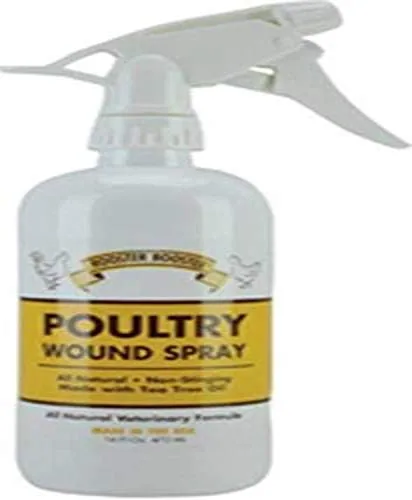
Rooster Booster Poultry Wound Spray, 16 oz
- Use
- Topical spray for poultry wounds and abrasions
- Active ingredient
- Tea tree oil
- Size
- 16 oz
Rooster Booster Poultry Wound Spray is a 16 oz topical spray made for poultry, with tea tree oil, described as non-stinging for wounds and abrasions. Use per the product label and check it for any egg-use instructions.
Best for: Bigger flocks that want a larger bottle
Skip if: The label does not cover your situation: ask a vet
- Made for poultry
- 16 oz bottle
- Described as non-stinging
- Egg-withdrawal information not listed in our data
- Topical use only
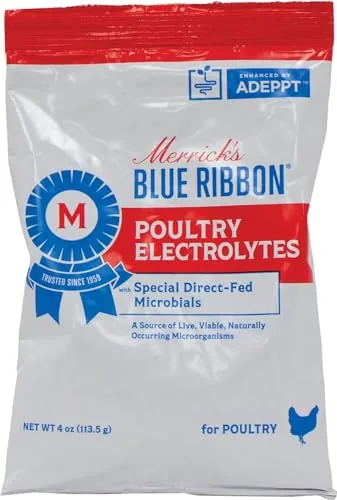
Vet's Plus Merricks Blue Ribbon Poultry Electrolytes
- Type
- Poultry electrolytes
- Size
- 4 oz
Vet's Plus Merricks Blue Ribbon Poultry Electrolytes is a 4 oz poultry electrolyte supplement that mixes into water. The listing gives little detail, so follow the label for mixing and when to use it.
Best for: Hot weather and stressed birds, per the label
Skip if: A bird is not drinking at all: contact a vet
- Poultry-specific
- Small 4 oz pack
- Mixes into water
- Little detail in the listing
- Supportive only
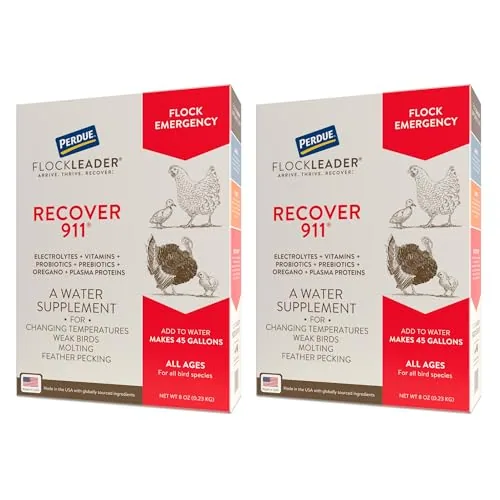
FlockLeader Recover 911 Stress Water Supplement
- Type
- Probiotic water supplement with electrolytes and oregano
- Size
- 8 oz, pack of 2
- Use
- Periods of stress (weather, molting)
FlockLeader Recover 911 is a water supplement with probiotics, prebiotics, electrolytes, oregano and plasma, labeled for birds under stress from weather extremes, molting or predator attacks. Two 8 oz packs. Use per the product label.
Best for: Supporting a flock after a predator scare, per the label
Skip if: You want a single-ingredient electrolyte
- Electrolytes included
- Labeled stress uses
- Two 8 oz packs
- A supplement, not a medicine
- Several ingredients to check
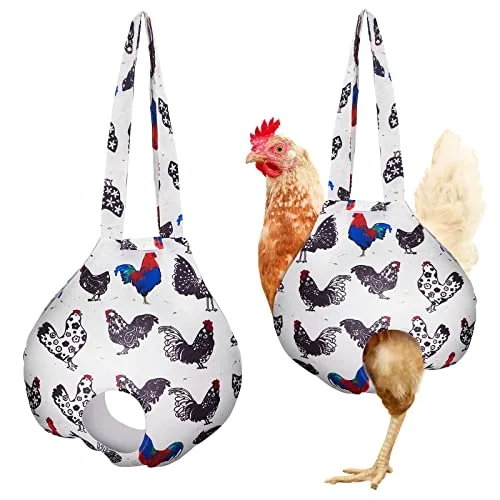
Paterr Chicken Carrier Sling, 2-Pack
- Size
- 13.5 x 13.5 in, for birds about 6.6 lb+
- Material
- Fabric
Paterr's two-pack of 13.5 in carrier slings holds standard to large chickens and roosters of roughly 6.6 lb or more, so you can examine feet, vents or wounds hands-free while the bird stays calm.
Best for: Health checks and treating feet
Skip if: You keep bantams or small hens
- Hands-free holding
- Two slings
- Large-bird sizing
- Too big for small birds
- Fabric needs washing between birds
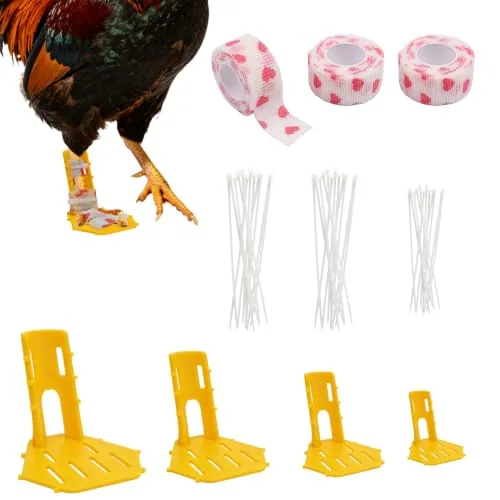
UEBB Poultry Leg Splint Set, 4 Sizes
- Use
- Leg support during recovery
- Size
- 4 sizes
UEBB's angled leg splints come in four sizes for chickens, geese and ducks, labeled for leg support during recovery. Follow the product instructions, and have a vet look at any leg injury.
Best for: Stocking a kit before you need it
Skip if: You would rather leave every leg injury to a vet
- Four sizes
- Angled design
- Chickens, ducks and geese
- Fitting needs care
- Not a substitute for diagnosis
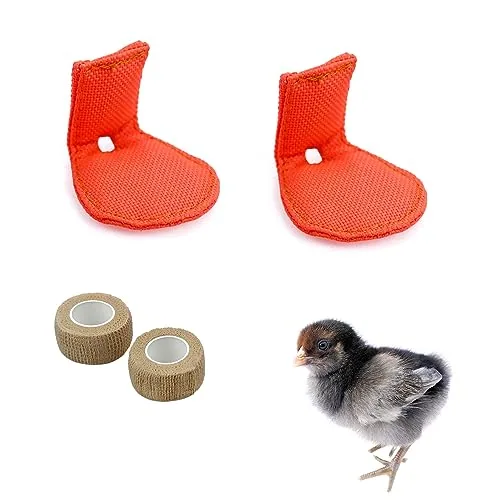
pranovo Chick Splay-Leg Hobble Brace, 2-Pack
- Use
- Supporting splayed legs in newly hatched chicks
- Size
- 2 braces
pranovo's two hobble braces are sized to hold a newly hatched chick's or gosling's legs in position. Follow the product instructions and consult a vet. Wash your hands after handling chicks, as CDC advises.
Best for: Home and school hatchers
Skip if: You do not hatch eggs
- Sized for chicks
- Two braces
- Reusable
- For hatchlings only
- Needs daily checking
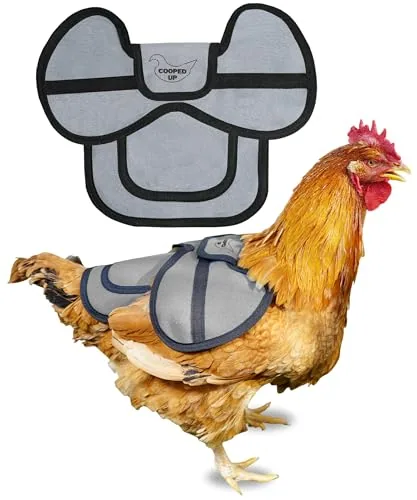
COOPED UP Canvas Hen Saddle, Medium-Large
- Size
- 7.5 x 7.5 in, wing cover 11 x 5.5 in
- Material
- Canvas
- Fit
- Medium-large hens, adjustable straps
COOPED UP's canvas hen saddle is sized for medium to large hens, with a larger wing and shoulder cover and adjustable straps, to protect back feathers while they regrow.
Best for: Hens with worn or pecked backs
Skip if: You keep bantams
- Large wing cover
- Adjustable straps
- Canvas build
- One saddle
- Check fit often
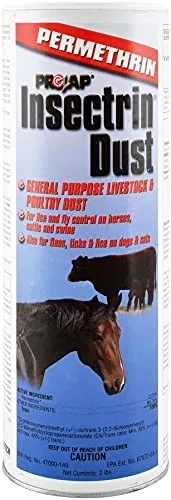
Prozap Insectrin Livestock & Poultry Dust, 2 lb
- Active ingredient
- As listed on label (Insectrin)
- Size
- 2 lb shaker
Prozap Insectrin Dust is a 2 lb ready-to-use shaker whose label includes poultry and bedding and lists northern fowl mites and lice among target pests. Use it only as the label directs, with its species-specific instructions and any egg-related restrictions.
Best for: Confirmed mites or lice, per the label
Skip if: You have not confirmed a parasite problem
- Poultry on the label
- Applies to birds and bedding per label
- Shaker container
- An insecticide: label directions are mandatory
- Check the label for egg-use restrictions
What should be in a poultry first aid kit?
Most of a good kit is ordinary supplies you can find anywhere. The products above fill the poultry-specific slots.
A backyard poultry first aid kit
| Item | What it is for | Our pick or note |
|---|---|---|
| Poultry wound spray | Cleaning and protecting minor wounds, per label | Vetericyn Plus or Rooster Booster |
| Electrolytes | Stress and heat, per label | Vet's Plus or FlockLeader Recover 911 |
| Disposable gloves | Hygiene for you and the bird | Any nitrile gloves |
| Gauze, self-stick vet wrap, blunt scissors | Covering and protecting wounds | Any first aid supplier |
| Towel or carrier sling | Holding a bird calmly | Paterr sling |
| Splints and braces | Temporary support, per instructions | UEBB splints; pranovo for chicks |
| Hen saddle | Protecting a bare back | COOPED UP |
| Hospital crate | Keeping a sick or hurt bird apart | A clean dog crate in a quiet spot |
| Labeled parasite product | Confirmed mites or lice, per label | Prozap Insectrin |
| Phone numbers | Help fast | Your poultry vet, state poultry lab, state veterinarian, USDA 1-866-536-7593 |
Use per the label: egg withdrawal and medicines
Anything you put on or into a laying hen can end up in her eggs. Follow every product label exactly, including the egg-withdrawal time if the label gives one. If a label says nothing about laying hens, ask a veterinarian before you use it and before you eat the eggs; vets can get withdrawal guidance from FARAD.
- Vetericyn states no egg withdrawal for its poultry spray. That is the maker's claim; follow the label.
- Insecticide dusts such as Prozap Insectrin carry species-specific directions and restrictions on the label. Read them before every use.
- Antibiotics: since 2017, FDA's Veterinary Feed Directive rules mean medically important antibiotics for use in feed or water need a veterinarian's authorization, backyard birds included.
- No off-label or home remedies for disease. Herbal or 'natural cure' advice has no place in a first aid kit.
How we chose these poultry first aid supplies
We read each listing for labeled use, species, form and size, and for any statement about egg withdrawal, then matched products to the kit slots extension and USDA biosecurity guidance point to. We do not give doses or treatment plans, and we did not use these products on birds. Labeled uses are the makers' wording. Nine picks come from nine brands.
What to do when you find an injured or sick hen
- Separate her
Move her to a clean, quiet hospital crate away from the flock, with water and feed within reach. Flockmates often peck at wounds.
- Protect yourself
Wear gloves, and wash your hands with soap and water afterward. CDC advises keeping children under 5 away from poultry.
- Hold her calmly
Wrap her in a towel or use a carrier sling so you can look at the injury.
- Clean minor wounds per the label
For a small scrape or peck wound, use a poultry wound spray exactly as its label directs.
- Call for help when in doubt
Deep wounds, broken bones, a bird that will not eat, drink or stand, or several sick birds: contact a veterinarian or your state poultry lab. Report sudden deaths to your state vet or USDA.
- Keep records
Note the date, the product, and the label's egg-withdrawal time if it gives one, so you know when eggs are back in the kitchen. Track routines with the flock care checklist.
Poultry first aid mistakes to avoid
- Treating a sick bird with guesswork. First aid covers wounds and support. Illness needs a diagnosis from a vet or state poultry lab.
- Ignoring egg-withdrawal rules. Follow the label; if it is silent about laying hens, ask a vet.
- Using dog or human medicines without a vet. Doses and residues differ in poultry.
- Leaving an injured bird in the flock. Pecking can turn a small wound into a big one.
- Skipping quarantine for new birds. USDA APHIS advises keeping new birds apart for 30 days; read bird flu and backyard biosecurity.
- Letting kids help without hygiene. See Salmonella and backyard chickens.
Who needs which first aid supplies?
- Every flock: a poultry wound spray, electrolytes, gloves, a towel and a hospital crate. Start-up lists are in your first flock.
- Flocks with a rooster: hen saddles such as COOPED UP, or the LoveNCreatures six-pack.
- Hatchers: pranovo splay-leg braces; more hatch gear in hatching at home or school.
- Larger breeds: Paterr slings for handling.
- Keepers with confirmed mites or lice: a labeled product such as Prozap Insectrin, used per the product label with its egg-withdrawal time.
- Keepers dealing with feather pecking: Durvet No Pick'n spray, labeled to reduce picking, per the label.
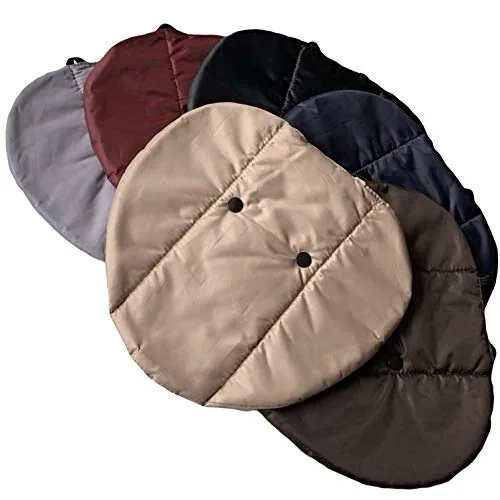
LoveNCreatures Water-Resistant Hen Saddles, 6-Pack
- Size
- Medium/large breeds, 6 saddles
- Material
- Bonded multi-layer water-resistant fabric
- Fit
- Adjustable snap strap
Best for Flocks with a rooster
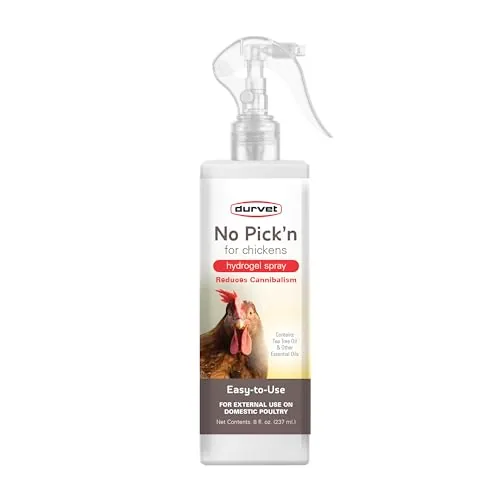
Durvet No Pick'n Spray for Chickens, 8 oz
- Use
- Reduce feather picking
- Active ingredient
- Tea tree oil, hemp seed oil, essential oils
- Size
- 8 oz
Best for Flocks with feather-picking problems
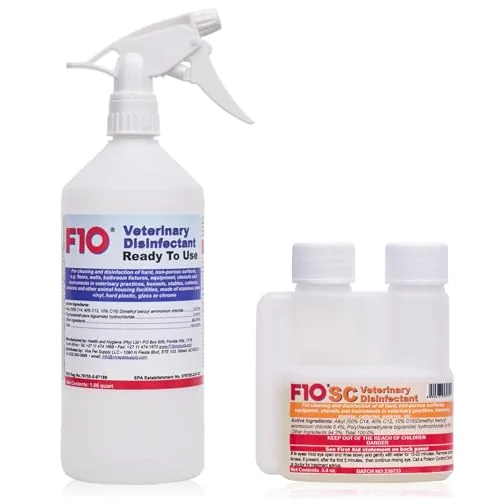
F10 Veterinary Disinfectant RTU 1 L + SC Concentrate
- Use
- Disinfecting hard, non-porous surfaces
- Active ingredient
- Not listed
- Size
- 1 L ready-to-use + 100 ml concentrate
Best for Disinfecting feeders, waterers and coop surfaces
Start your poultry first aid kit with Vetericyn Plus Poultry Care for minor wounds and an electrolyte such as Vet's Plus Merricks Blue Ribbon, both used per the label. Add a Paterr sling for handling, splints and a hen saddle, and keep your vet's and state poultry lab's numbers in the kit. Anything beyond minor first aid belongs with a professional.
We compare manufacturer specs and listing data (egg capacity by egg size, forced or still air, humidity control, turner type and auto-stop, alarms; coop floor area against the claimed number of hens, wood or plastic, nest boxes, latches; door lift capacity, power and sensor; feeder and waterer capacity and heater wattage; feed protein and form) and what the maker says each product is for, alongside extension, CDC, USDA and FDA guidance. Coop capacity is recounted from the listed floor area with published space norms. We did not hatch eggs in, house birds in, install or lab-test these products, and we never show invented scores, ratings or prices.