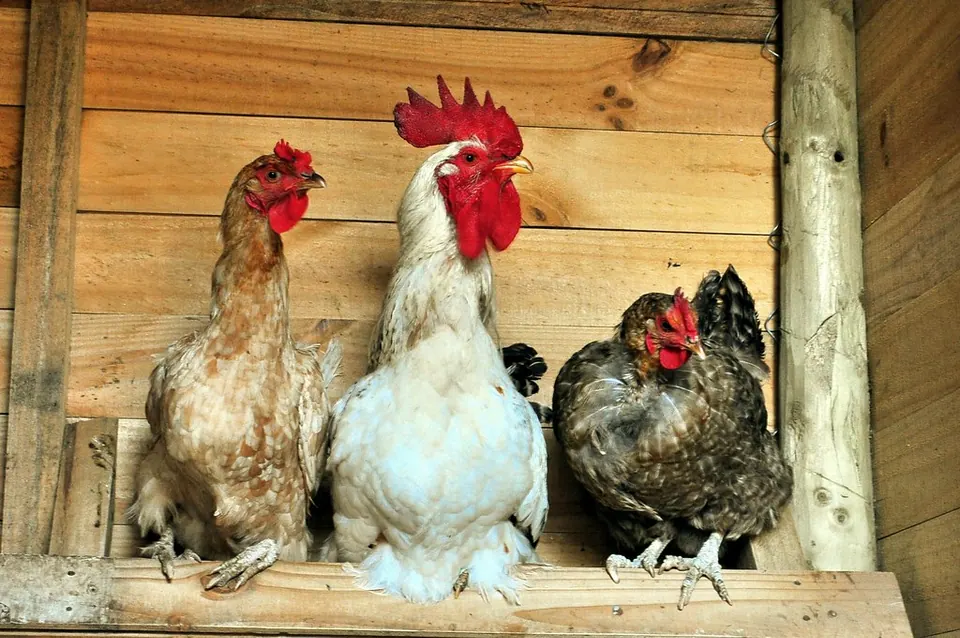
- Common chicken illnesses in small flocks include Marek's disease, coccidiosis, respiratory infections, mites and lice, worms and bumblefoot (University of Minnesota Extension).
- Watch for changes: sudden deaths, low energy, poor appetite, fewer or soft-shelled eggs, swelling or purple discoloration, breathing trouble, stumbling, green watery droppings (USDA APHIS).
- Prevention beats treatment: vaccinated chicks, NPIP-tested sources, a 30-day quarantine for new birds (CDC), clean dry housing and rodent and wild-bird control.
- Use any medication, wormer or mite product only per the product label and follow the egg-withdrawal time on the label. Medically important antibiotics need a veterinarian.
- For sick birds, contact a veterinarian or your state poultry lab / NPIP agency. Report sudden deaths or several sick birds to your state veterinarian or USDA at 1-866-536-7593.
Common chicken illnesses are easier to deal with when you notice them early, and most small-flock problems can be prevented with good sourcing, clean dry housing and a quarantine routine. This guide is about recognition and prevention: what normal looks like, which signs matter, how the usual diseases and parasites spread, what belongs in a basic first aid box and when to get professional help.
It is not a treatment guide. Many signs overlap between diseases, including serious ones like avian influenza, and only a veterinarian or a diagnostic lab can tell them apart. There are few drugs approved for laying hens, so we name product types only, always with "use per the product label" and the label's egg-withdrawal time. The disease facts here come from University of Minnesota Extension, USDA APHIS, CDC, UF/IFAS and FDA.
What are the signs of a sick chicken?
Chickens hide illness well, so the first sign is often a change from normal. UF/IFAS puts it plainly: observation is the key to flock health. Learn each bird's normal posture, droppings, appetite and laying pattern, so deviations stand out.
USDA APHIS's Defend the Flock program lists these warning signs and asks owners to report sudden or major changes right away:
Warning signs to act on (USDA APHIS)
| Area | What you might see |
|---|---|
| Unexpected deaths | Sudden death; an increase in bird deaths |
| Behavior | Lack of energy; lack of appetite |
| Egg production | Decreased egg production; soft-shelled or misshapen eggs |
| Appearance | Swelling of the head, neck, eyelids, comb, wattles or shanks; purple discoloration of the wattles, comb or legs |
| Breathing | Gasping for air; nasal discharge; sneezing |
| Movement and balance | Stumbling or falling down; twisting of the head and neck |
| Digestion | Greenish, watery diarrhea |
Source: USDA APHIS Defend the Flock, How to spot sickness
Common chicken illnesses at a glance
University of Minnesota Extension's overview of diseases in small flocks covers the problems backyard keepers meet most. The table summarizes signs and prevention as described there. It is a recognition aid, not a diagnosis: several of these look alike, and lab testing is the only way to know.
Recognition and prevention (summary of UMN Extension)
| Problem | Typical signs | How it is prevented or controlled |
|---|---|---|
| Marek's disease (herpesvirus) | Paralysis, weakness, tumors; losses over 4–10 weeks | Vaccination is an effective control; buy vaccinated chicks. No treatment |
| Coccidiosis (parasite) | Bloody droppings, ruffled feathers, more deaths, mostly in young birds | Dry litter, clean water; anticoccidial feed or vaccination per label and vet advice |
| Mycoplasma (chronic respiratory disease) | Coughing, nasal discharge; facial swelling in turkeys | Buy from NPIP Mycoplasma-clean sources; vaccines exist for chickens |
| Infectious laryngotracheitis (ILT) | Gasping, bloody mucus, red eyelids | Biosecurity; often spread on equipment, clothing and shoes |
| Infectious coryza | Facial swelling, nasal discharge, 10–40% drop in lay | Biosecurity; vaccines with a vet's schedule |
| Northern fowl and red mites | Feather staining, pale birds, fewer eggs; red mites feed at night | Check birds and crevices at night; clean and inspect housing and new birds |
| Lice | Ragged feathers, irritation, fewer eggs | Inspect regularly; products per label; dust-bathing area |
| Scaly-leg mites | Crusty, thickened leg scales, lameness | Inspect legs; treat per vet advice or product label |
| Roundworms | Weight loss, diarrhea, fewer eggs | Clean housing between flocks, dry litter; wormers only per label |
| Bumblefoot / staph infection | Swollen foot pad or joints, limping | Reduce trauma: smooth, sensible-height roosts and landing areas |
| Cloacal prolapse | Tissue protruding from the vent | Adequate feeder and drinker space, low-intensity light, prevent pecking |
Source: University of Minnesota Extension, Diseases of small poultry flocks
How to prevent the most common problems
Most of the diseases above come in with new birds, on boots and equipment, or from wild birds and rodents, and they thrive in damp, crowded, dirty housing. Prevention is a set of habits:
- Start with healthy, vaccinated stock
Buy chicks from hatcheries and breeders that take part in the National Poultry Improvement Plan (NPIP), and ask whether chicks are vaccinated for Marek's disease. UF/IFAS notes that chicks can be bought already vaccinated for Marek's.
- Quarantine new birds
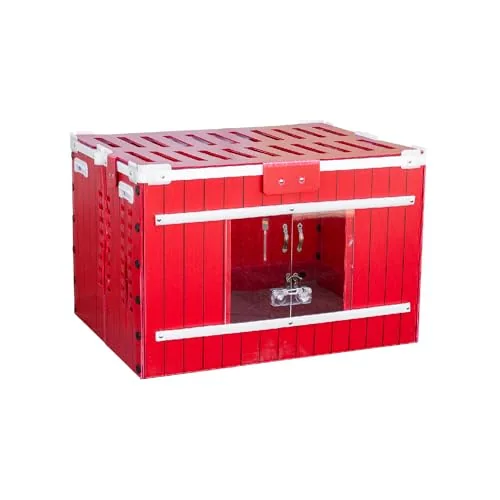
CDC recommends keeping new poultry separated for at least 30 days before they meet your flock. Care for them last, with separate boots and equipment. A foldable brooder crate makes a handy quarantine or hospital pen.
- Keep housing dry and clean
Wet litter feeds coccidia, bacteria and ammonia. Follow a cleaning routine (see how to clean a chicken coop) and fix leaks and spills.
- Give enough space
Crowding raises pecking, prolapse and disease spread. Check your coop against Penn State and UMN norms with the coop size calculator.
- Keep wild birds and rodents away from feed and water
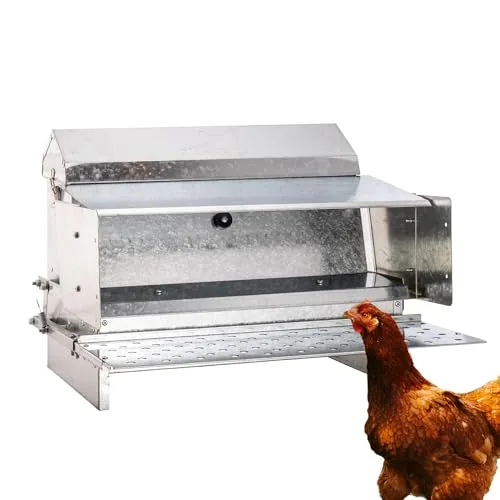
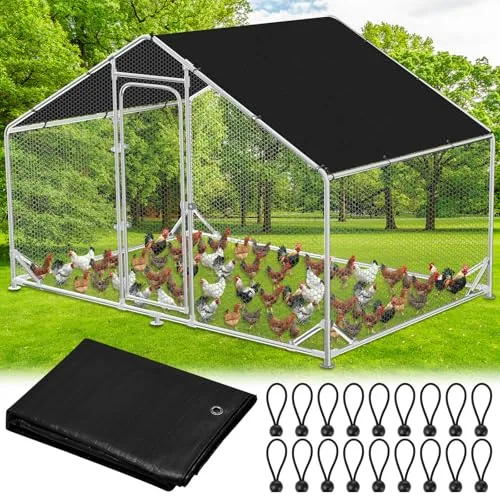
UMN lists keeping rodents and wild birds out among the core biosecurity steps. Covered runs and enclosed or treadle feeders help.
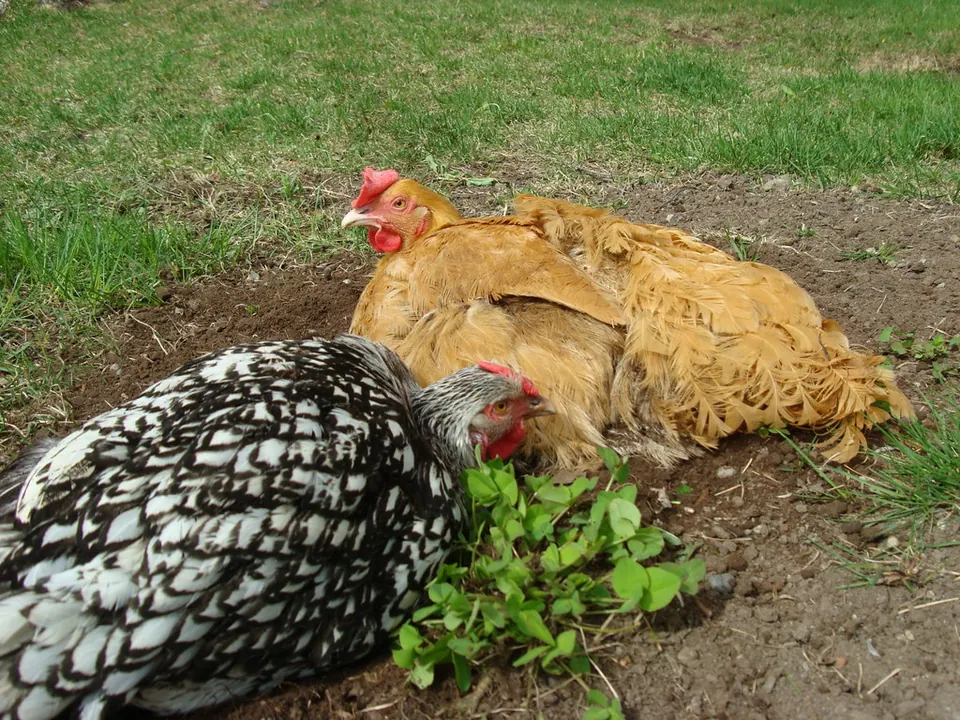
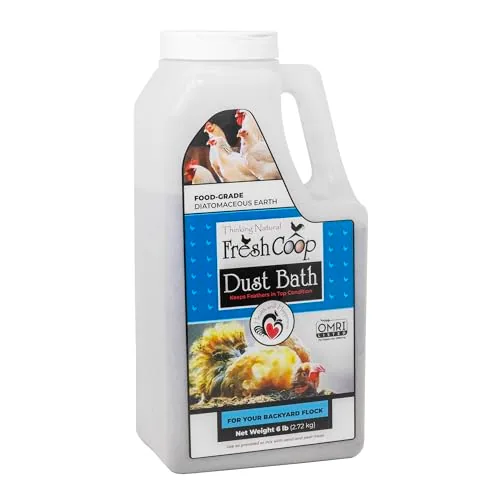
- Provide a dust-bathing area
Dust baths are how chickens care for their feathers. A tub of dry soil or a commercial dust-bath mix helps where the yard is wet or bare; keep dusty mixes away from faces and avoid breathing the dust yourself.
- Check birds regularly
Handle each hen every week or two: look at the vent, under the wings, the feet and the keel. UMN advises checking for mites at night.
Medications, wormers and mite products: label rules
This is where backyard keepers most often get into trouble with eggs. Any drug, wormer or insecticide given to a laying hen can leave residues in eggs. There are few products approved for laying hens, and off-label use is a veterinarian's decision, not a home one. Veterinarians can get withdrawal guidance for extra-label use from FARAD.
Examples of labeled poultry insecticides in our catalogue are below. We list them so you know what to read, not as a treatment plan: check the current label for poultry use, application sites and any egg-related restrictions before buying.
| Product | Active ingredient | Use | Size |
|---|---|---|---|
| Prozap Insectrin Livestock & Poultry Dust, 2 lb | As listed on label (Insectrin) | Poultry, livestock and bedding; lists northern fowl mites and lice | 2 lb shaker |
| Y-Tex GardStar Garden & Poultry Dust, 2 lb | As listed on label (GardStar) | Garden pests; poultry, litter, roosts and interior surfaces | 2 lb |
| Gordon's Permethrin 10 Livestock & Premise Spray, 1 Gal | Permethrin 10% (concentrate) | Livestock including poultry, and premises | 1 gal |
Specs as listed by the maker or seller; check the listing before you buy.
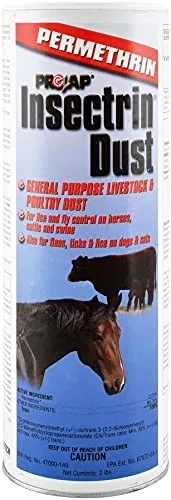
Prozap Insectrin Livestock & Poultry Dust, 2 lb
- Active ingredient
- As listed on label (Insectrin)
- Size
- 2 lb shaker
Best for Mite and lice control per label
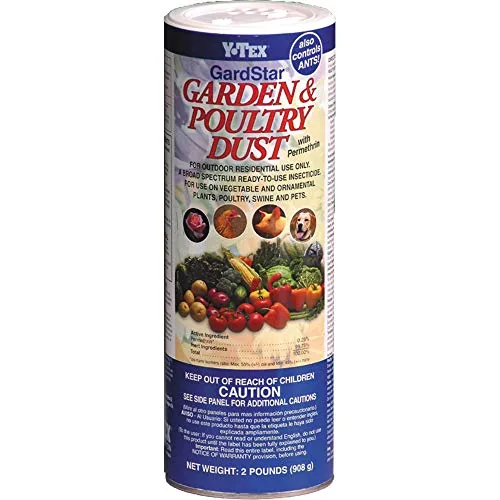
Y-Tex GardStar Garden & Poultry Dust, 2 lb
- Use
- Garden pests; poultry, litter, roosts and interior surfaces
- Active ingredient
- As listed on label (GardStar)
- Size
- 2 lb
Best for Litter and roost treatment per label
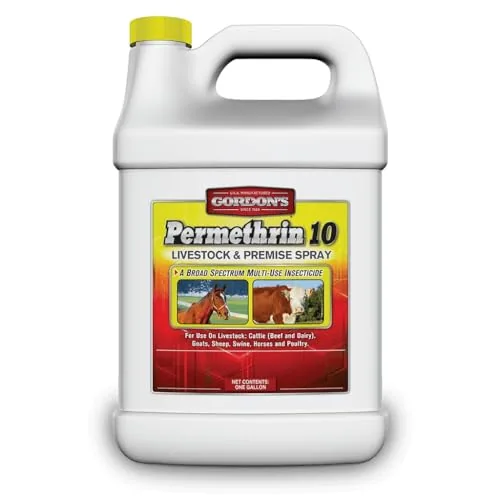
Gordon's Permethrin 10 Livestock & Premise Spray, 1 Gal
- Use
- Livestock including poultry, and premises
- Active ingredient
- Permethrin 10% (concentrate)
- Size
- 1 gal
Best for Premise pest control per label
What belongs in a basic poultry first aid kit?
A first aid box is for minor wounds and for keeping an injured or sick bird comfortable and separate while you get advice. It does not replace a diagnosis. Useful basics:
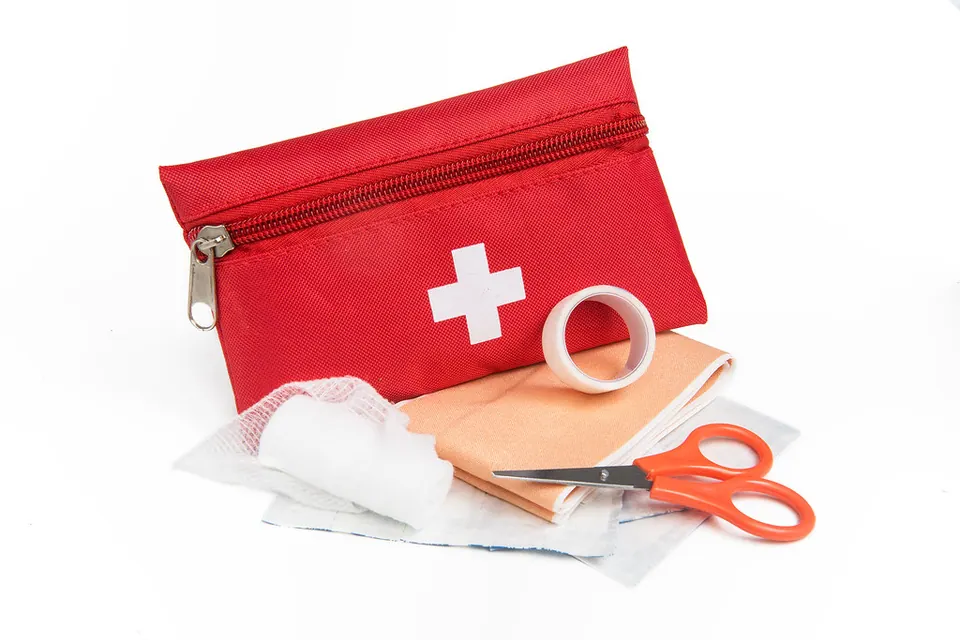
- A separate, warm, quiet hospital crate with bedding, food and water.
- Gloves, saline, gauze, vet wrap and blunt scissors.
- A poultry-labeled wound spray, used per the product label. Vetericyn says its poultry spray has no egg withdrawal; that is the maker's claim, so read the current label.
- Poultry electrolytes for heat or transport stress, per the label.
- A leg splint set and hen saddles for injuries and over-mating damage.
- Your vet's number, your state poultry lab's number and USDA's 1-866-536-7593 taped inside the lid.
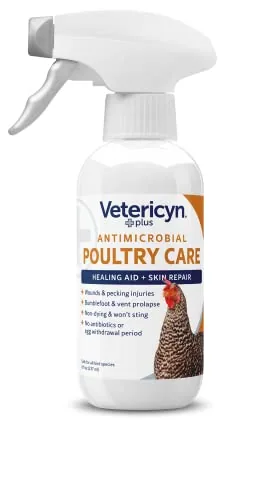
Vetericyn Plus Poultry Care Spray, 8 oz
- Use
- Topical care for wounds and skin problems
- Active ingredient
- Not listed (antibiotic-free formula)
- Size
- 8 oz
Best for Flock first aid kit
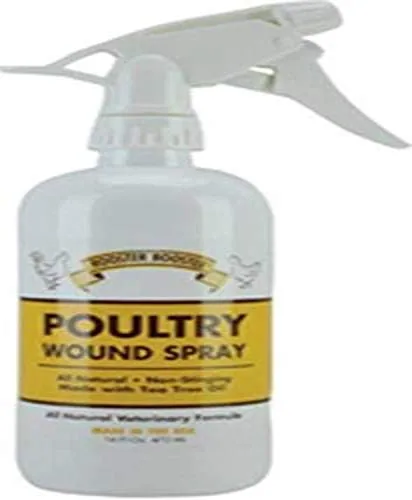
Rooster Booster Poultry Wound Spray, 16 oz
- Use
- Topical spray for poultry wounds and abrasions
- Active ingredient
- Tea tree oil
- Size
- 16 oz
Best for Poultry first aid kit
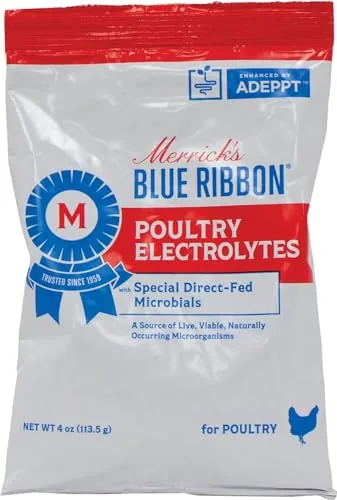
Vet's Plus Merricks Blue Ribbon Poultry Electrolytes
- Type
- Poultry electrolytes
- Size
- 4 oz
Best for Keeping on hand for hot weather
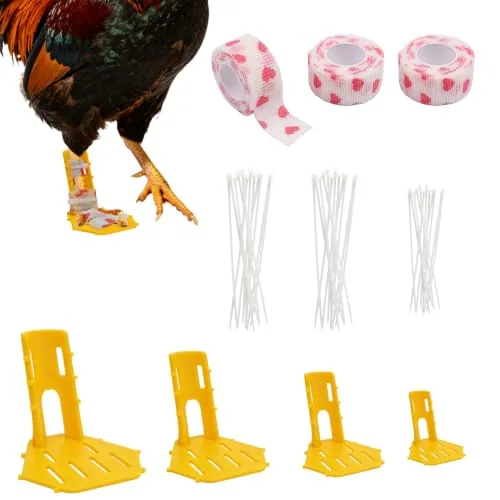
UEBB Poultry Leg Splint Set, 4 Sizes
- Use
- Leg support during recovery
- Size
- 4 sizes
Best for Keepers stocking a first aid kit
For a fuller comparison of sprays, splints and supplies, see best poultry first aid supplies.
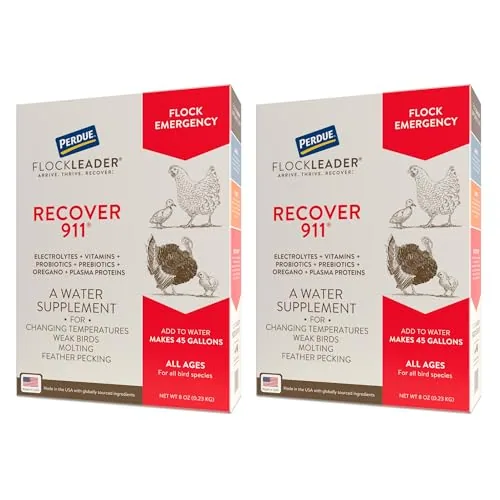
FlockLeader Recover 911 Stress Water Supplement
- Type
- Probiotic water supplement with electrolytes and oregano
- Size
- 8 oz, pack of 2
- Use
- Periods of stress (weather, molting)
Best for Supporting birds during stressful periods
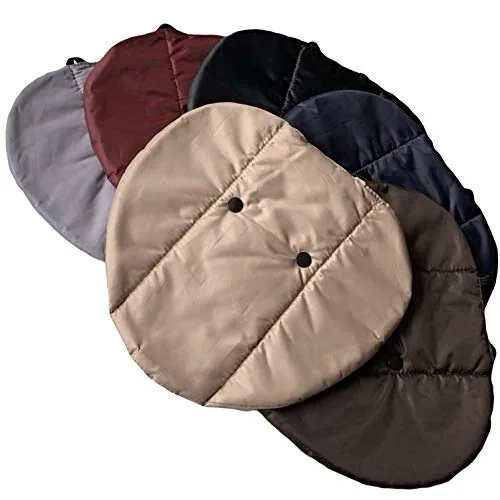
LoveNCreatures Water-Resistant Hen Saddles, 6-Pack
- Size
- Medium/large breeds, 6 saddles
- Material
- Bonded multi-layer water-resistant fabric
- Fit
- Adjustable snap strap
Best for Flocks with a rooster
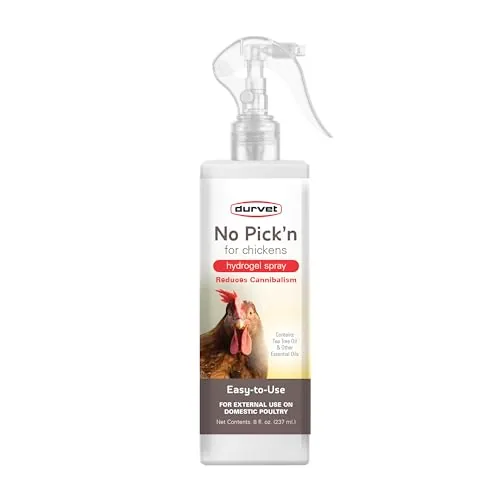
Durvet No Pick'n Spray for Chickens, 8 oz
- Use
- Reduce feather picking
- Active ingredient
- Tea tree oil, hemp seed oil, essential oils
- Size
- 8 oz
Best for Flocks with feather-picking problems
When to call a veterinarian or your state poultry lab
Call for help when more than one bird is sick, when a bird dies without an obvious cause, when signs come on suddenly or are on the APHIS list, when a bird stops eating or drinking, or before using any product that the label does not cover for laying hens.
- Veterinarian: many small-animal vets will see poultry, and some states keep lists of poultry vets.
- State poultry lab: university or state diagnostic labs can test live birds or carcasses, often for a fee. UMN advises consulting a veterinarian or its diagnostic lab if you suspect disease; UF/IFAS points Florida keepers to the state's Bronson lab and county Extension office.
- NPIP official state agency: the National Poultry Improvement Plan lists an official agency in each state for flock testing.
- State veterinarian or USDA (1-866-536-7593): for sudden deaths, many sick birds or anything that looks like avian influenza.
If a bird dies, keep the body cool (not frozen) in a sealed bag and call the lab before you ship or drop it off. Do not compost or bury birds that may have died of disease until you have advice.
Mistakes that make illness worse
- Waiting to see when several birds look off. Early testing protects the rest of the flock.
- Treating without a diagnosis or with leftover medication. Many signs overlap.
- Giving drugs off-label or guessing doses. Only a vet can do that, with a proper egg-withdrawal plan.
- Adding new birds without quarantine, or visiting other flocks in the same shoes.
- Relying on herbal or "natural" cures for infectious disease. They are not a substitute for diagnosis.
- Forgetting yourself. Wash hands after handling birds, especially sick ones (CDC).
Keep the routine on paper with the flock care checklist, and browse supplies in Health, safety & cleaning or the first flock hub.
Flock care checklistDaily, weekly, monthly and seasonal backyard chicken chores in one printable checklist. Ticks reset each…Questions
What are the most common chicken illnesses in backyard flocks?
How can I tell if my chicken is sick?
Can I eat eggs from a hen on medication?
Who do I call about a sick chicken?
Should I vaccinate backyard chickens?
How long should I quarantine new chickens?
Sources
- University of Minnesota Extension, Diseases of small poultry flocks
- USDA APHIS Defend the Flock, How to spot sickness
- USDA APHIS, Defend the Flock (report sick birds: 1-866-536-7593)
- CDC, Backyard Poultry (Healthy Pets, Healthy People)
- UF/IFAS Extension, AN239 Raising Backyard Chickens for Eggs (biosecurity, observation)
- FDA, Veterinary Feed Directive (VFD)
- FARAD, Food Animal Residue Avoidance Databank
- National Poultry Improvement Plan (NPIP)