- Salmonella and backyard chickens go together more often than people think: CDC says backyard poultry can carry the germs even when they look healthy and clean.
- Wash hands with soap and running water right after touching birds, eggs, feeders, bedding or anything where they live and roam. Supervise children's handwashing.
- Children under 5 should not handle chicks, ducklings or other poultry. Children under 5, adults 65 and older and people with weakened immune systems are more likely to get seriously ill (CDC).
- Don't kiss or snuggle birds, don't eat or drink around them, and keep birds, coop shoes and equipment out of the house, especially the kitchen.
- Collect eggs often, throw away cracked ones, refrigerate them and cook eggs until yolks and whites are firm (160°F for egg dishes).
Salmonella and backyard chickens is a topic every new flock owner should read about before the chicks come home. Chickens, ducks and other poultry can carry Salmonella in their droppings and on their feathers, feet and beaks, and those germs spread easily to hands, clothes, shoes and kitchen counters. Most people get mild illness, but young children, older adults and people with weakened immune systems can become seriously ill.
CDC investigates backyard-poultry Salmonella outbreaks every year. The good news is that the prevention steps are simple and cheap. This guide sets out CDC's rules, explains who is most at risk, gives a family routine you can print, and covers egg handling, school and family hatches, and the mistakes that cause most cases.
How common is Salmonella from backyard chickens?
Very common, and it does not depend on how clean or healthy your birds look. CDC's investigation of the 2026 backyard poultry outbreak (now closed) counted the cases below across 46 states and Puerto Rico. Outbreak totals change over a season, so check CDC's outbreak pages for the current picture rather than relying on any number you read elsewhere.
UF/IFAS notes that CDC has linked an uptick in illness and even deaths to contact with backyard chickens, often involving close affection or inappropriate handling, especially by children.
Who is most at risk?
CDC names three groups who are more likely to get a severe illness: children younger than 5, adults 65 and older, and people with weakened immune systems (for example from cancer treatment, diabetes or certain medicines). Young children are also the most likely to put hands in their mouths and to want to cuddle chicks.
Risk and the matching CDC rule
| Who | Why | What CDC advises |
|---|---|---|
| Children under 5 | Higher risk of severe illness; hand-to-mouth habits | Should not handle chicks, ducklings or other poultry, or touch anything in the area where birds live and roam; don't give them chicks or ducklings as gifts |
| Older children | Close handling, forgetting to wash | Adults supervise contact and handwashing |
| Adults 65 and older | Higher risk of severe illness | Strict handwashing; let others do coop cleaning if possible |
| People with weakened immune systems | Higher risk of severe illness | Strict handwashing; avoid close contact and cleaning chores |
| Schools and childcare | Many young children at once | No live poultry in schools or childcare that serve children under 5 |
| Everyone | Birds can carry germs while looking healthy | Wash hands, no kissing or snuggling, keep birds and gear out of the house |
Source: CDC, Backyard Poultry
CDC rules for handling backyard chickens
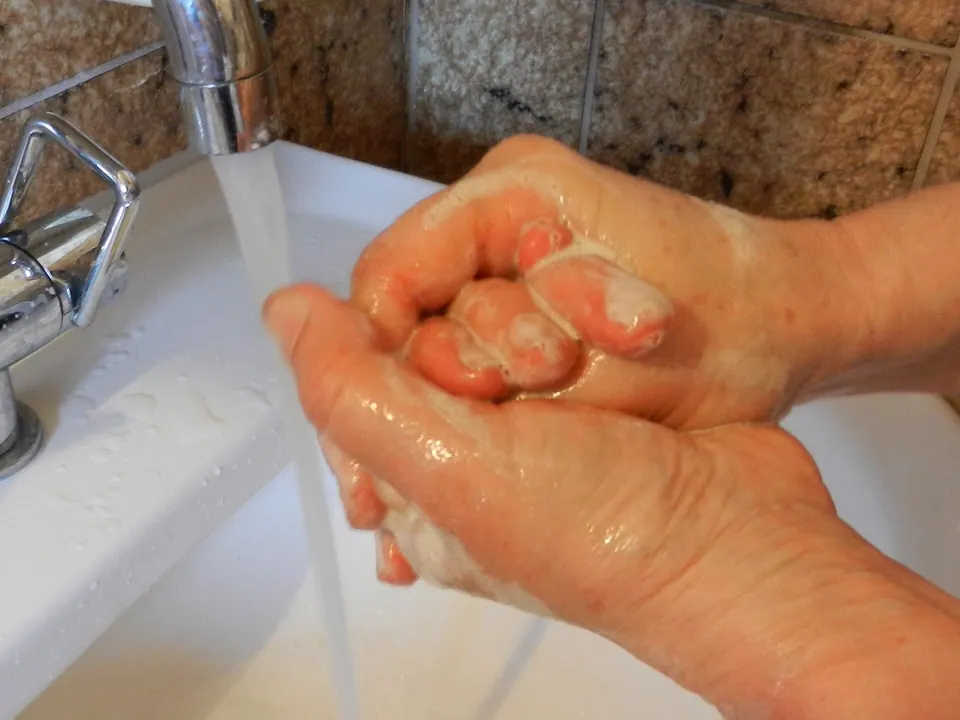
- Set up a handwashing spot
Put soap, a water jug with a tap or a nearby hose, and paper towels by the coop gate, so washing is the natural last step. Keep hand sanitizer in your pocket for when water is not handy, then wash properly indoors.
- Keep coop shoes and gear outside
Use one pair of boots or clogs for the coop and leave them by the door. Store feed scoops, buckets and tools in a shed, not the house.
- Clean equipment outdoors
Scrub feeders and waterers outside with a brush and a hose. Never wash them in the kitchen sink or bathtub.
- Keep birds out of the house
No chicks on the kitchen counter, no hens on the sofa. If you brood indoors, choose a room away from food areas (a garage or laundry room) and clean it thoroughly afterward. See how to set up a brooder.
- Make no-kissing a family rule
Explain it to kids before the chicks arrive. Watching and gentle supervised handling (for kids 5 and up) is the fun part; cuddling birds near faces is what spreads germs.
- Supervise children
An adult watches every handling session and every handwashing afterward.
The Storey title below is written for children who help with a flock; pair it with the CDC rules on your own fridge door.
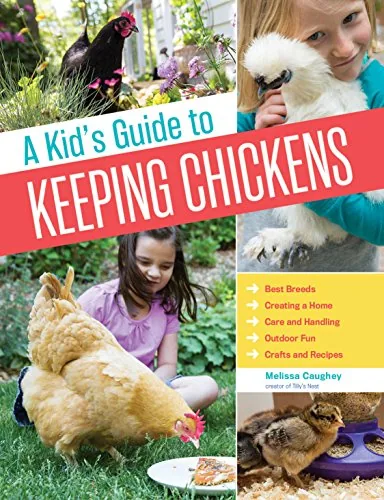
A Kid's Guide to Keeping Chickens
- Format
- Paperback
- Published
- 2015
Best for Families starting a flock
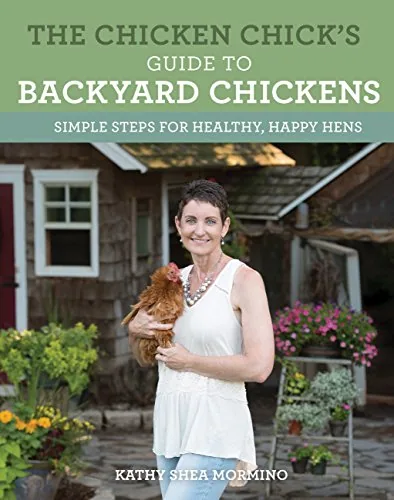
The Chicken Chick's Guide to Backyard Chickens
- Format
- Paperback
- Published
- 2017
Best for First-time keepers
Eggs and Salmonella: collect, clean, chill, cook
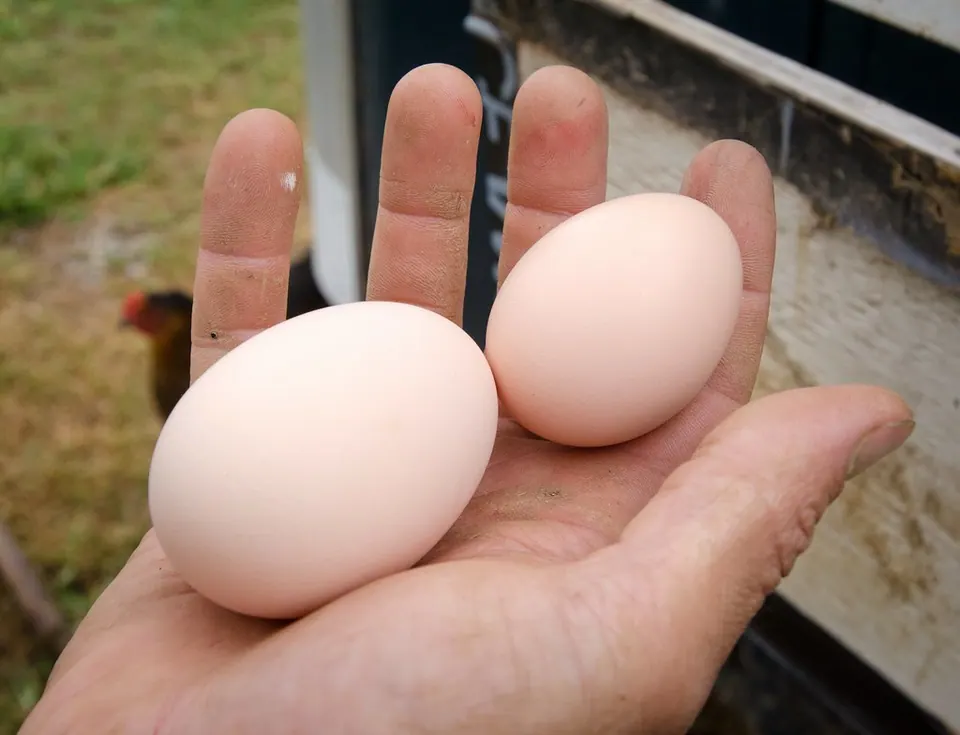
Eggs pick up germs from droppings and dirty nests. CDC's backyard poultry advice is straightforward: collect eggs often (eggs left in the nest get dirty or break), throw away cracked eggs, refrigerate eggs after collection, and cook eggs until yolks and whites are firm, with egg dishes cooked to 160°F. CDC also warns against washing warm, fresh eggs in cold water, which can pull germs inside; clean dirty eggs gently with fine sandpaper, a brush or a cloth.
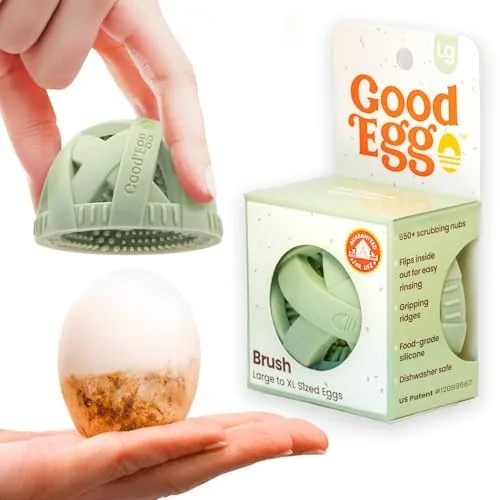
GoodEgg Original Silicone Egg Brush, Large/XL
- Capacity
- Fits large to XL eggs
- Material
- Food-grade silicone
Best for Cleaning dirty eggs
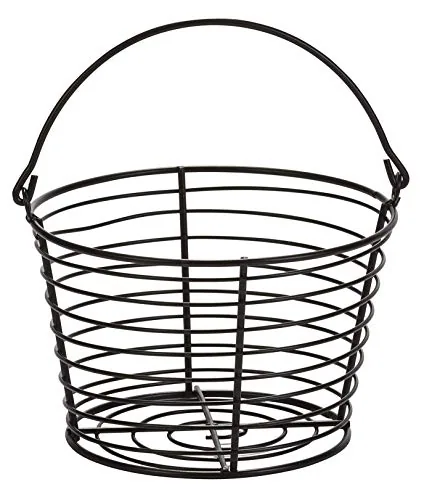
Little Giant Small Wire Egg Basket
- Material
- Heavy-duty coated wire
- Size
- Small
Best for Daily egg gathering
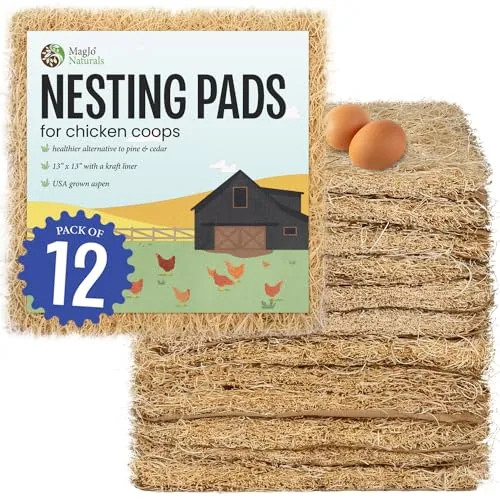
MagJo USA Aspen Nesting Pads, 13x13, 12-Pack
- Size
- 13 x 13 in, 12 pads
- Material
- USA-grown aspen excelsior, kraft paper backing
Best for Easy nest box clean-outs
University of Minnesota Extension adds that eggs held at 80–90°F promote bacterial growth, so frequent collection matters most in summer. For the full washing, storage and refrigeration details see egg freshness, cleaning and storage, and if you sell eggs, how to sell eggs locally.
Egg temperatures that matter
°F, from CDC, FDA and University of Minnesota Extension
Chicks, ducklings and hatching projects
Spring is the riskiest season, because chicks and ducklings are bought, hatched and handled by children in large numbers. Every rule above applies, with extra care: chicks and ducklings look clean and irresistible, and they are carried around, held up to faces and kept indoors.
- Do not give chicks or ducklings to young children as gifts (CDC).
- Brood away from kitchens and eating areas, and clean the brooder area outdoors.
- For classroom and family hatching, follow CDC's rule of no live poultry in schools or childcare settings that serve children under 5, and plan handwashing and adult supervision for older children. Read hatching projects at school and home.
- Ducklings splash and spread wet droppings widely, so their brooders need extra cleaning; see raising backyard ducks.
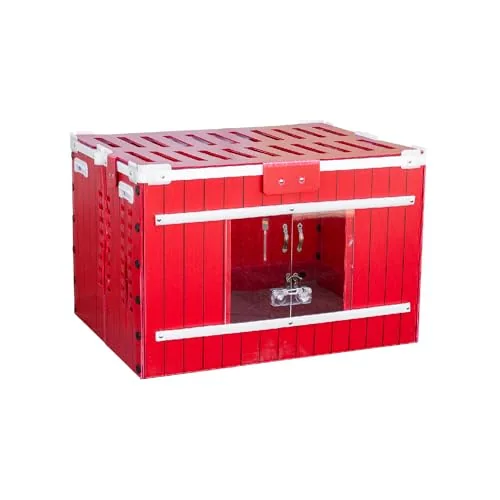
Brooder gear that is easy to wipe down and clean outdoors helps: plastic brooders with liners, closed nipple drinkers and heat plates without exposed bulbs.
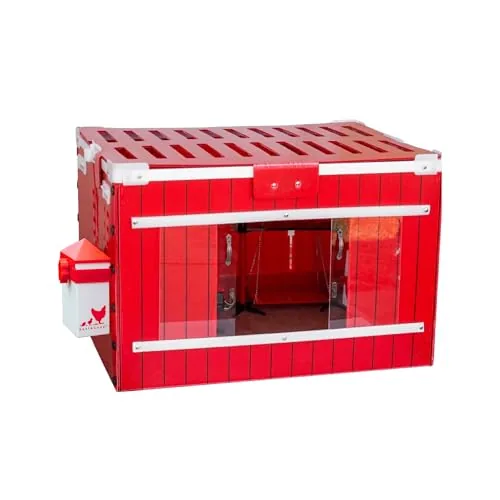
RentACoop Little Red Barn Brooder Set with Heat Plate
- Chicks
- Up to 8 chicks for first 6 weeks
- Includes
- Heating plate, feeder, waterer, liners, LED light, latch
- Material
- Plastic, folds flat
Best for A complete small first brooder
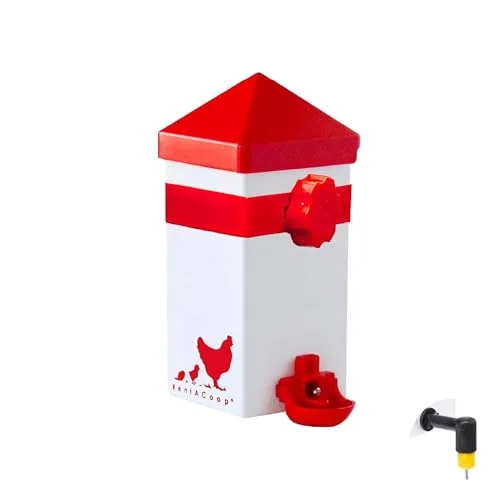
RentACoop 32oz Chick Drinker with 2 Nipples
- Capacity
- 32 oz (1 L)
- Nipples
- Vertical (chicks) and horizontal (older birds)
- Mount
- Coop Clip for wire or wood
Best for Chicks and quail
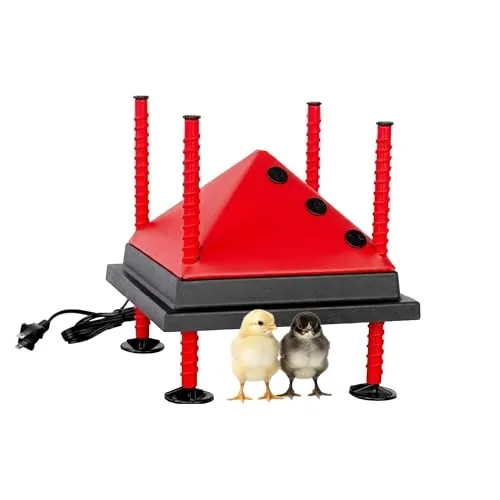
RentACoop 10x10 Heating Plate, Anti-Roost Cone
- Chicks
- Up to 15 chicks
- Heated area
- 10 x 10 in
- Wattage
- 15 W
Best for Small batches of up to 15
Reducing Salmonella in the coop itself
You cannot make a flock Salmonella-free, but you can keep the load down. University of Minnesota Extension stresses rodent control (rodent droppings can carry infectious amounts of Salmonella), dry clean housing, and cleaning and disinfecting between flocks. CDC adds that regular cleaning of the coop, floor, nests and perches helps keep eggs clean.
- Store feed in sealed metal bins and use a treadle or port feeder to cut spilled feed that attracts rodents.
- Clean nests weekly and swap soiled pads at once.
- Keep litter dry; fix leaky waterers.
- Buy birds from NPIP-participating hatcheries and quarantine new birds for 30 days (CDC).
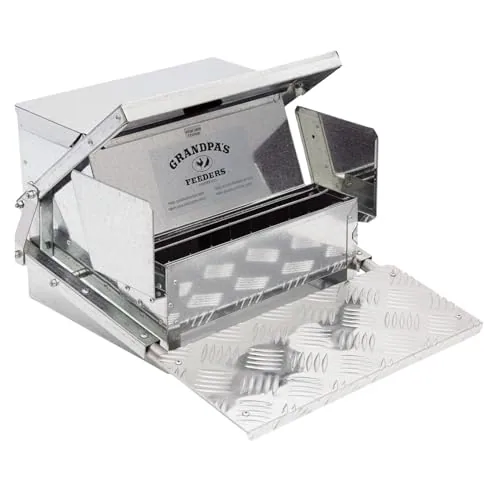
Grandpa's Feeders 20 lb Galvanized Treadle Feeder
- Type
- Treadle
- Capacity
- 20 lb
- Material
- Galvanized steel
Best for Small flocks with rodent pressure
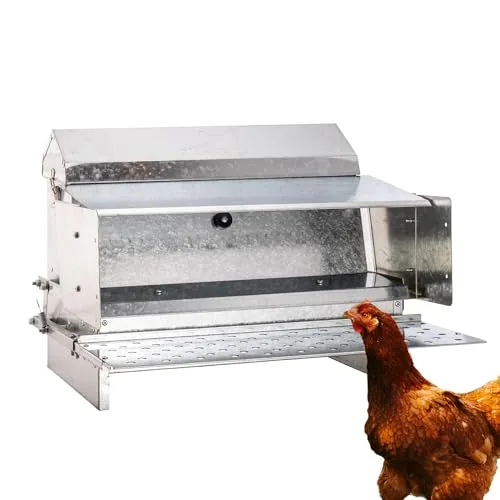
RentACoop Metal Treadle Feeder, 25 lb
- Type
- Treadle
- Capacity
- 25 lb
- Material
- Galvanized steel
Best for Small flocks with rodent pressure
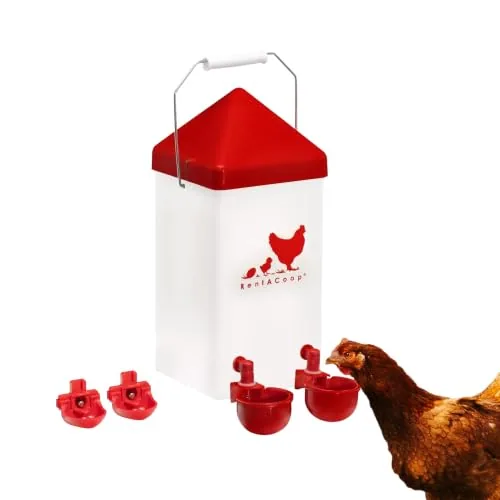
RentACoop 1-Gal Waterer, Cups & Nipples
- Type
- Cup and nipple (2 each)
- Capacity
- 1 gal
- Material
- Plastic
Best for Brooders and tiny flocks
More detail: how to clean a chicken coop and best treadle feeders.
Signs of Salmonella illness in people
CDC lists watery diarrhea (sometimes with blood or mucus) and stomach cramps as the most common symptoms, sometimes with headache, nausea, vomiting or poor appetite. Symptoms usually start 6 hours to 6 days after infection and last about 4 to 7 days. CDC advises contacting a healthcare provider if diarrhea or vomiting lasts more than 2 days, there is blood in stool or urine, fever is above 102°F, or there are signs of dehydration, which can develop quickly in young children. Mention contact with backyard poultry: it helps doctors and public health investigators.
Mistakes that spread Salmonella
- Assuming clean-looking birds are safe. CDC is clear that healthy-looking birds can carry Salmonella.
- Letting toddlers hold chicks "just for a photo".
- Kissing or snuggling hens or ducklings.
- Brooding in the kitchen or washing waterers in the sink.
- Wearing coop shoes indoors.
- Eating or drinking in the run while you work.
- Washing warm eggs in cold water or keeping cracked eggs.
Print the routine with the flock care checklist, and browse family-friendly hatching gear in Hatching at home or school and coop hygiene supplies in Health, safety & cleaning.
Flock care checklistDaily, weekly, monthly and seasonal backyard chicken chores in one printable checklist. Ticks reset each…Questions
Can you get Salmonella from backyard chickens?
Can my child hold baby chicks?
Is it safe to kiss or cuddle chickens?
Can chickens live in the house?
Are backyard eggs safe to eat?
Does hand sanitizer work after touching chickens?
Sources
- CDC, Backyard Poultry (Healthy Pets, Healthy People)
- CDC, Backyard poultry and Salmonella outbreak investigation, 2026 (closed)
- CDC, Salmonella signs and symptoms
- CDC, Pet owner safety notice videos (backyard poultry)
- University of Minnesota Extension, Reducing Salmonella risk in table egg production
- UF/IFAS Extension, AN239 Raising Backyard Chickens for Eggs (Love with Limits)
- FDA, What you need to know about egg safety