- Bird flu biosecurity is about keeping disease out: control what comes in, protect birds from wildlife, keep a clean routine, know the warning signs and report sick birds (USDA APHIS Defend the Flock).
- Keep wild birds away from your flock's feed and water: covered runs, feeders inside or under cover, no open dishes that attract wild birds.
- Use coop-only shoes and clothes, limit visitors, don't share equipment with other flocks and quarantine new birds for at least 30 days (CDC).
- Report sick or dying birds to your state veterinarian or to USDA toll-free at 1-866-536-7593.
- For your own health, follow CDC: don't touch sick or dead birds, their droppings or litter without protective equipment, and wash hands after any contact.
Bird flu biosecurity sounds like something for big poultry farms, but backyard flocks are part of the picture too. Highly pathogenic avian influenza (HPAI) has been detected in commercial and backyard flocks across the United States, and USDA APHIS tracks confirmed detections on a live dashboard. Wild birds can carry the virus without looking sick, and it travels on boots, equipment and hands.
This guide turns USDA APHIS's Defend the Flock advice into a backyard routine: how the virus gets in, what to change around feed, water and runs, how to handle visitors and new birds, the warning signs to watch for, who to call and how to protect yourself, citing CDC. It does not give case counts or predictions; check the APHIS and CDC pages linked here for the current situation.
How does bird flu get into a backyard flock?
APHIS lists the usual routes as contact with infected birds and with contaminated equipment, clothing, vehicles, feed and water, and it warns that wild birds can introduce disease to domestic flocks. CDC adds that backyard flocks can be exposed to wild birds that have bird flu. In practice, the riskiest moments are when wild ducks, geese or songbirds share your flock's feed and water, when you visit another flock or a bird swap and come home in the same boots, and when new birds join without quarantine.
Common routes in, and what blocks them
| Route | Example | What helps |
|---|---|---|
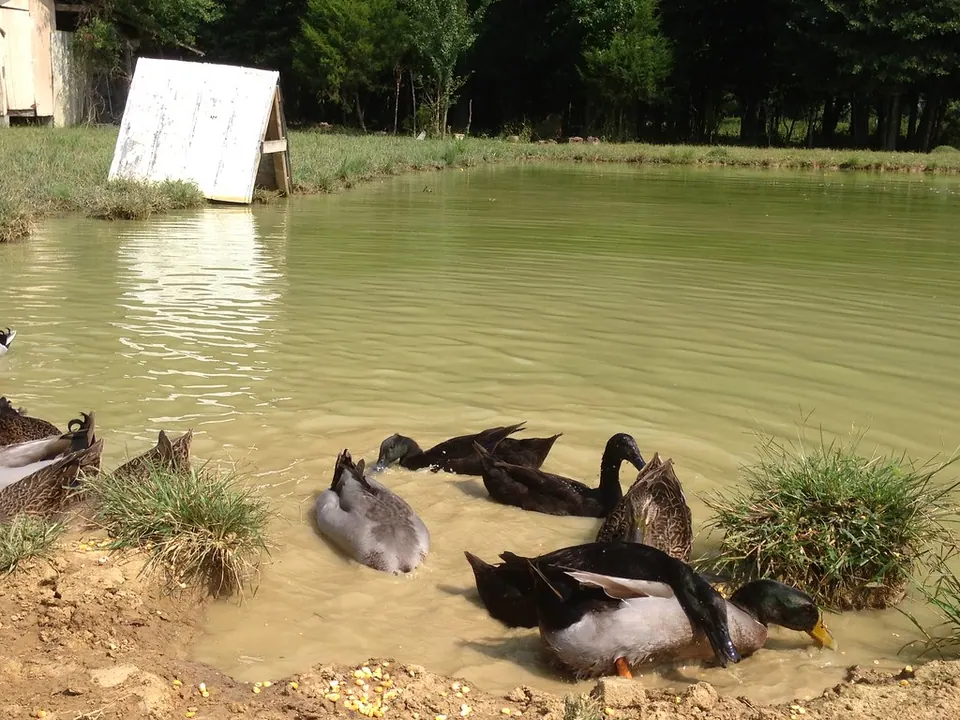
| Wild birds | Sparrows in the feeder, ducks on the pond next to the run | Covered run, feed and water under cover, no spilled grain |
| Shoes and clothes | Visiting a neighbor's flock, a fair or feed store, then your coop | Coop-only boots, clean clothes, wash hands before and after |
| Equipment | Borrowed carriers, crates or egg cartons | Don't share; clean and disinfect anything that has been near other birds |
| New birds | Swap-meet pullets or a rehomed rooster | NPIP sources; at least 30 days apart (CDC) |
| Visitors | Friends who keep birds | Keep visitors out of bird areas, or provide boot covers |
| Rodents and pests | Rats in the feed bin | Sealed bins, treadle feeders, remove clutter |
Source: USDA APHIS Defend the Flock; CDC
Defend the Flock: the backyard biosecurity routine
USDA APHIS sums up biosecurity as a few habits: control what comes in, protect birds from wildlife, build a clean routine, know the warning signs, report sick birds, and check clothes, shoes, tools and hands before you enter the flock area. Here is how that looks in a backyard.
- Set rules for visitors, shoes and clothes
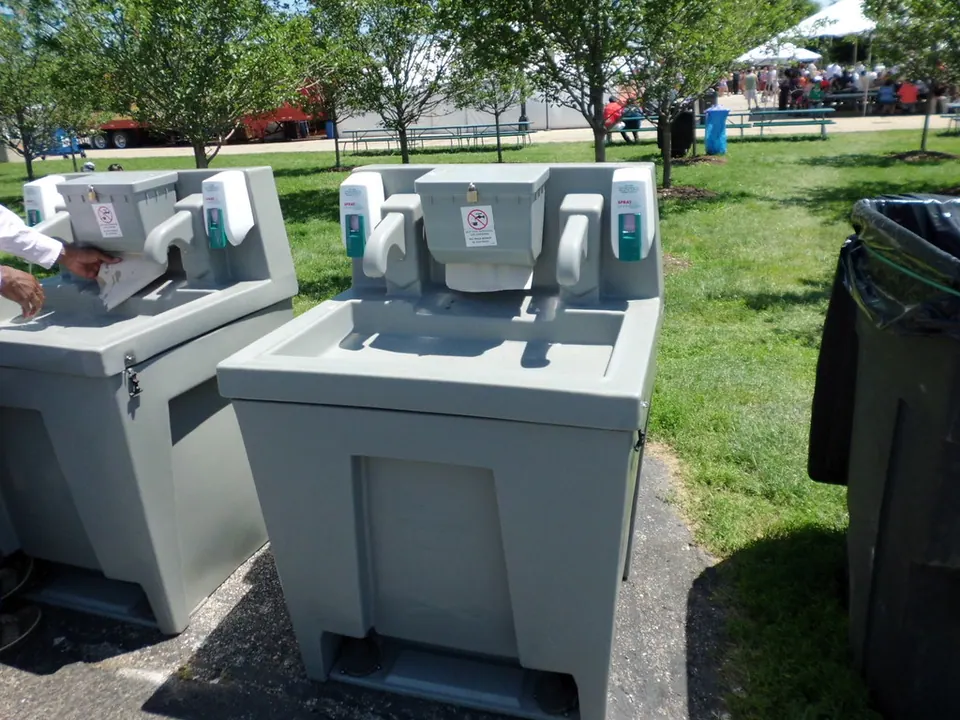
Only people who care for the birds go into the coop and run. Keep a pair of coop boots by the gate and change into them every time; a boot tray with a brush and disinfectant is a cheap extra. Post a polite sign if you need to.
- Cover the run and protect feed and water
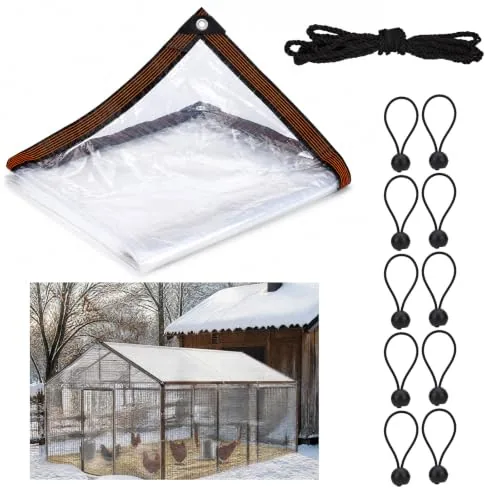
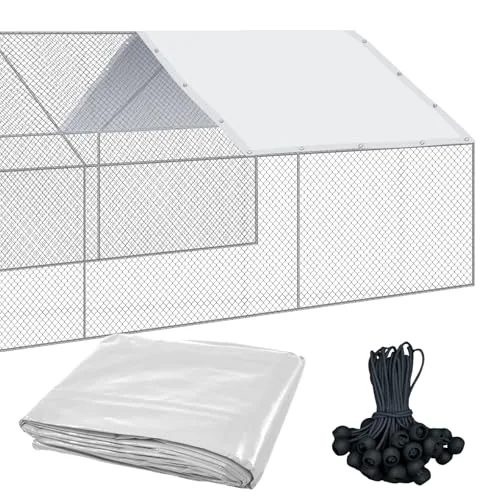
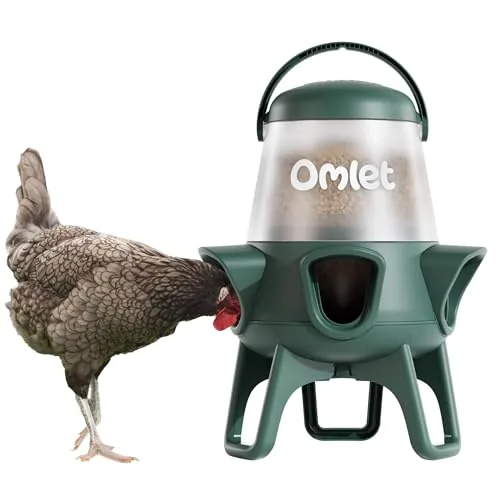
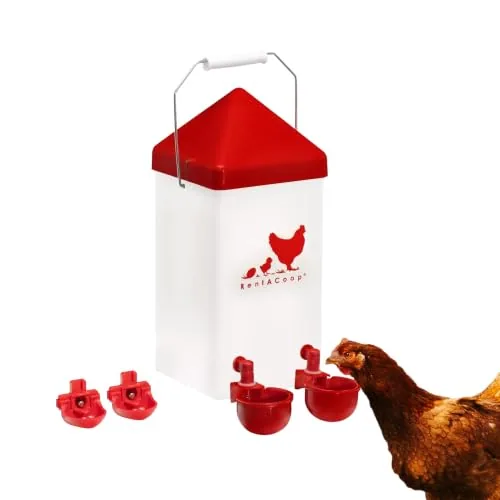
A solid or tarp roof over at least part of the run keeps wild-bird droppings out and gives shade. Keep feeders and waterers under cover, and pick feeders that wild birds and rodents cannot raid.
- Use closed feeders and drinkers
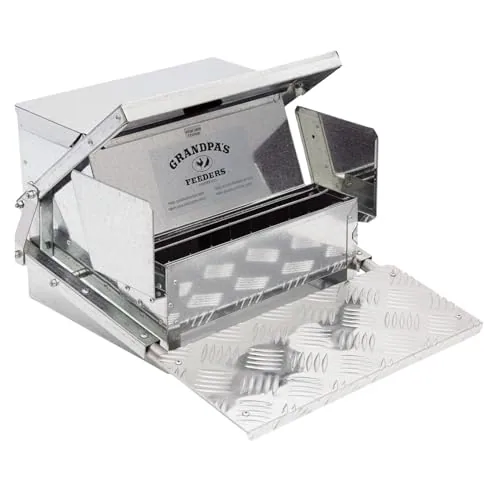
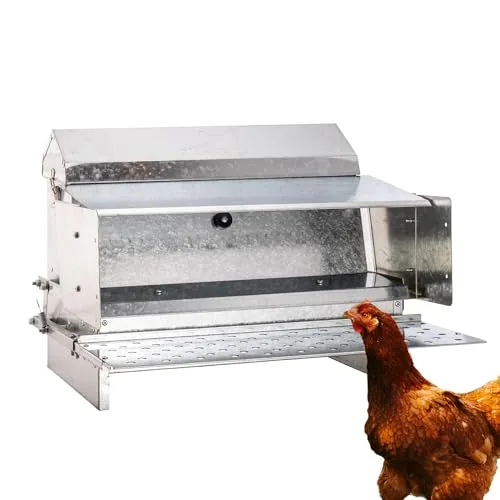
Treadle and port feeders limit spills and keep sparrows out of the feed; nipple or cup waterers keep water clean.
- Keep a clean routine
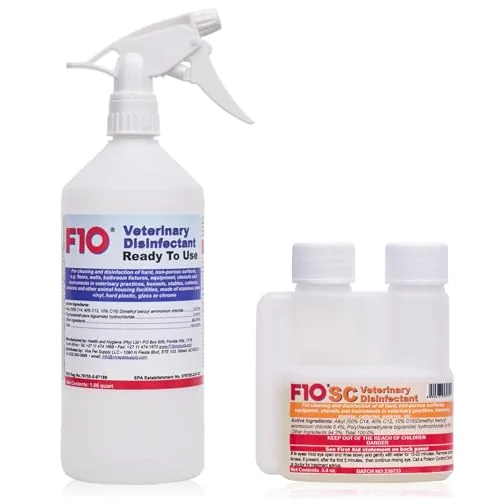
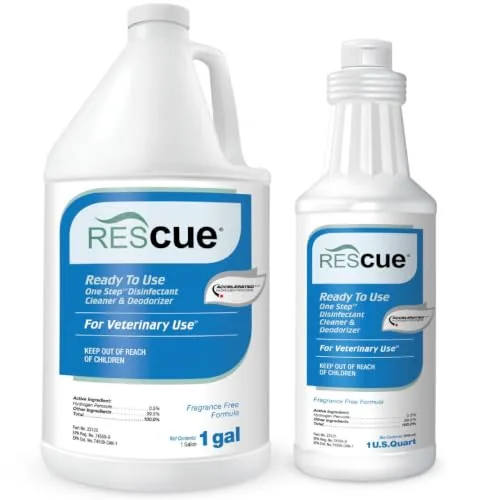
Wash hands, clean equipment and disinfect surfaces often (APHIS). Clean feeders and waterers outdoors and follow the label of any disinfectant. See how to clean a chicken coop.
- Don't share equipment
Don't borrow or lend carriers, crates, feeders or tools between flocks. If you must, clean and disinfect them before they come home.
- Quarantine new birds
CDC recommends keeping new poultry separated for at least 30 days. Buy from NPIP-participating hatcheries where possible, and care for new birds last each day.
- Watch, record and report
Check the flock daily for the warning signs below, write down deaths and egg counts, and call the state veterinarian or USDA at once if something is wrong.
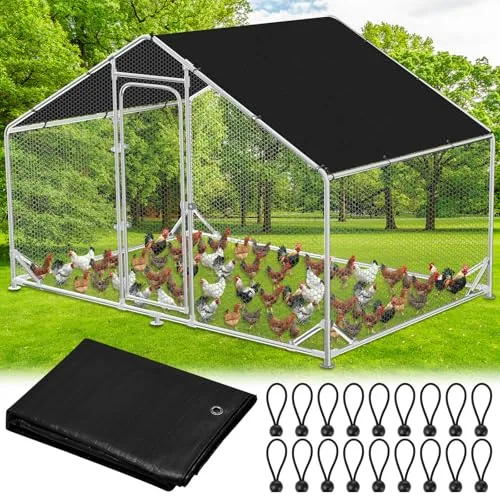
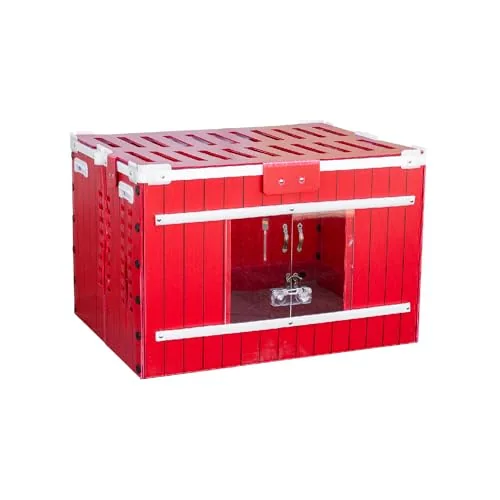
Hardware cloth and secure doors are mainly predator defenses, but they also keep out the rodents and small wild birds that slip through chicken wire. More in how to protect chickens from predators and best chicken runs.
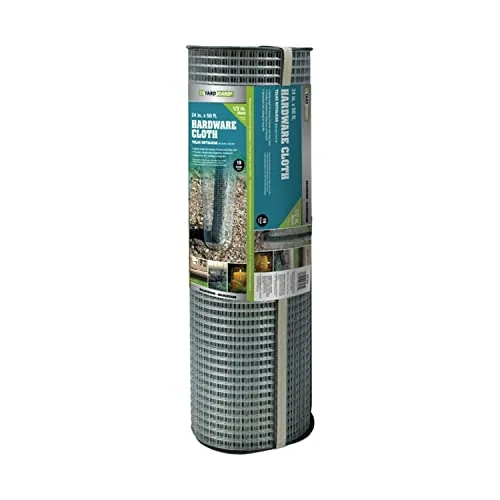
YARDGARD 1/2" Hardware Cloth 24" x 50', 19 Gauge
- Size
- 24 in x 50 ft
- Electric
- No
- Mesh
- 1/2 in, 19 gauge, double zinc-coated
Best for Small runs and repairs
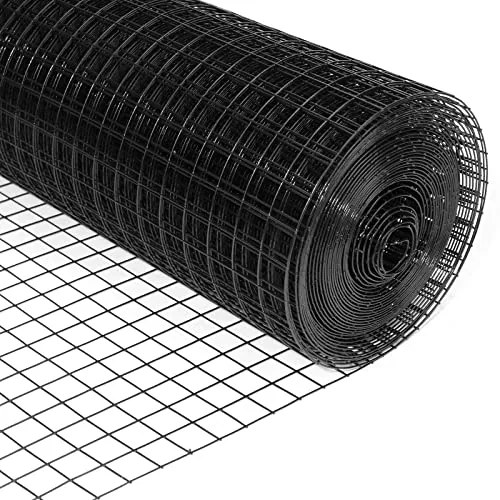
FORIMO 1/4" Hardware Cloth 24" x 50', 19 Gauge
- Size
- 24 in x 50 ft
- Electric
- No
- Mesh
- 1/4 in, 19 gauge, galvanized with black vinyl coating
Best for Predator-proofing coop openings
What are the signs of bird flu in chickens?
APHIS lists the same warning signs for avian influenza and other serious poultry diseases. None of them alone proves bird flu, and some birds die suddenly with few signs, which is why sudden deaths should always be reported.
- Sudden death, or an increase in deaths.
- Lack of energy or appetite.
- Fewer eggs, or soft-shelled or misshapen eggs.
- Swelling of the head, neck, eyelids, comb, wattles or shanks; purple discoloration of the wattles, comb or legs.
- Gasping for air, nasal discharge, sneezing.
- Stumbling, falling, twisting of the head and neck.
- Greenish, watery diarrhea.
For other illnesses and what they look like, see common chicken illnesses.
Protecting yourself and your family
CDC lists backyard flock owners whose birds are infected, and who are exposed to sick birds, among people at higher risk. CDC's advice is to avoid handling sick or dead birds, their droppings, litter, or surfaces and water that may be contaminated without wearing personal protective equipment, to wash hands with soap and running water after handling poultry, and to keep birds out of the house. For the current public risk assessment and the protective equipment CDC recommends, read CDC's bird flu pages directly; we do not add predictions of our own.
If your flock is sick or under investigation, hold back eggs and ask your state veterinarian what to do with them. For eggs from a healthy flock, normal egg safety applies: refrigerate them and cook until yolks and whites are firm (CDC).
Seasonal risk: migration and wild birds
Wild waterfowl movements in spring and fall bring more chances for contact. That is a good time to tighten up: cover the run, move feed inside, clear spilled grain, drain puddles that attract ducks, and keep backyard ducks and chickens away from ponds wild birds use. The seasonal calendar flags these months, and APHIS's detections dashboard shows confirmed cases in commercial and backyard flocks as they happen.
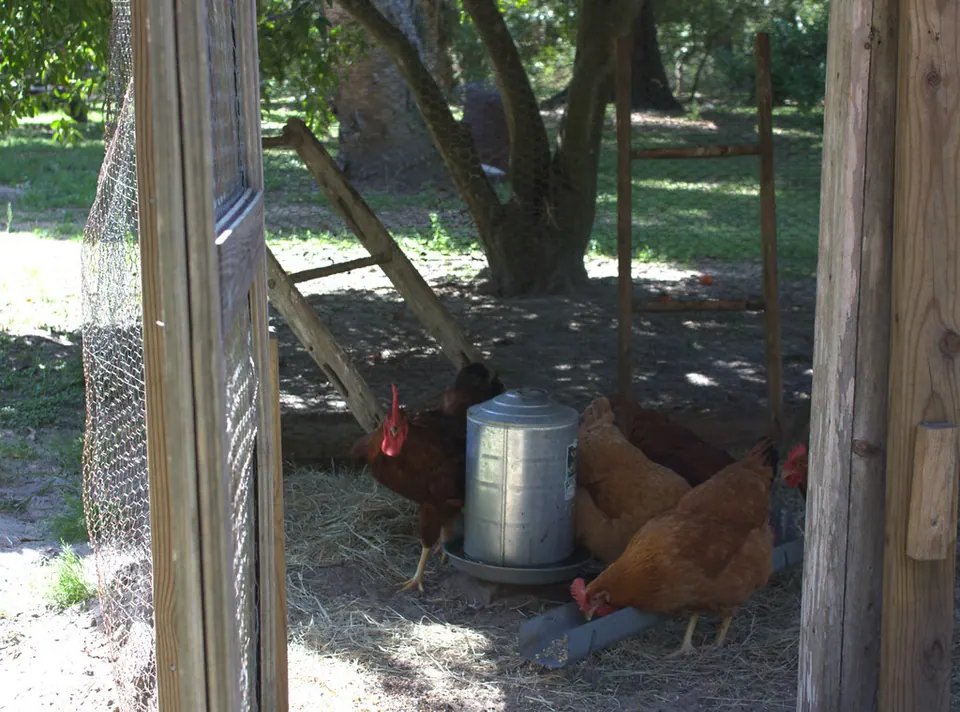
Biosecurity mistakes to avoid
- Feeding in the open where sparrows, pigeons and wild ducks join in.
- Wearing the same boots to a fair, swap meet or friend's coop and then your own.
- Adding birds without quarantine because they "look healthy".
- Borrowing carriers or crates without cleaning them.
- Waiting to report a cluster of deaths. Early reporting protects your flock and your neighbors'.
- Handling sick or dead birds bare-handed, against CDC advice.
- Relying on old numbers. Check APHIS's live detections page instead of hard-coded counts.
Gear for covered runs and closed feeders is in Runs & fencing and Feeders & waterers.
Flock care checklistDaily, weekly, monthly and seasonal backyard chicken chores in one printable checklist. Ticks reset each…Questions
How do I protect my backyard chickens from bird flu?
Who do I call if my chickens are dying?
What are the signs of bird flu in chickens?
Should I cover my chicken run because of bird flu?
Can I get bird flu from my chickens?
Can I eat eggs from my backyard flock during bird flu season?
Sources
- USDA APHIS, Defend the Flock
- USDA APHIS, Defend the Flock: Biosecurity basics
- USDA APHIS, Defend the Flock: How to spot sickness
- USDA APHIS, Confirmations of HPAI in commercial and backyard flocks (live dashboard)
- USDA APHIS, HPAI in poultry
- CDC, Backyard flock owners and bird flu
- CDC, Backyard Poultry (Healthy Pets, Healthy People)