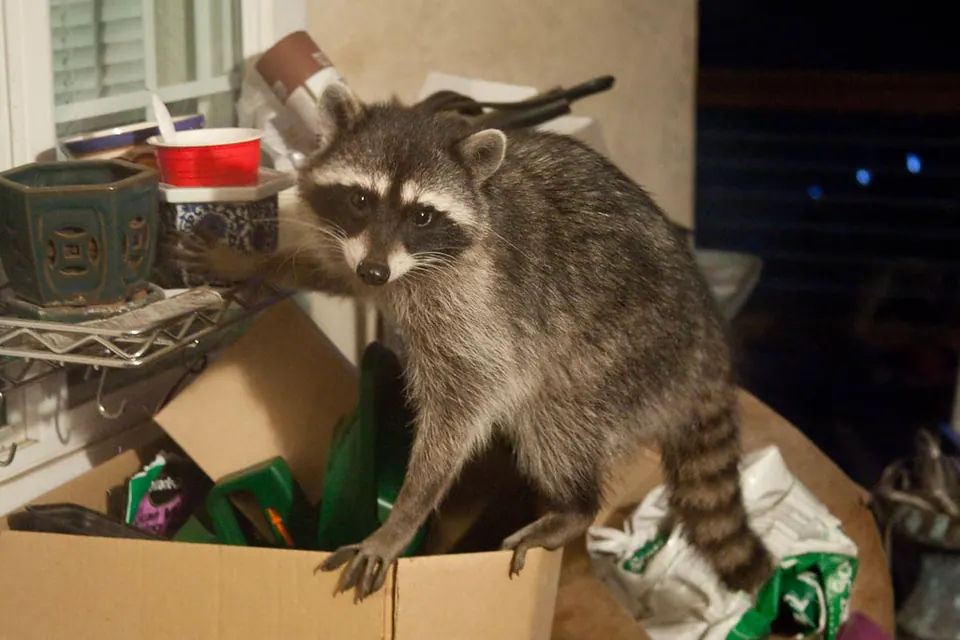
- Lock birds in an enclosed coop every night: UMN names raccoons, rats, owls, hawks and cats as the main predators.
- Use hardware cloth, not chicken wire, on openings and lower run walls; keep gaps at roost level under ¼ in against snakes (Maryland Extension).
- Bury wire at least 12 in deep and bend it outward about 6 in to stop diggers (Penn State).
- Cover the run with mesh or netting against hawks and owls (Penn State); it also keeps wild birds away from feed (USDA APHIS).
- Read the scene after a loss: missing heads, missing birds and bitten hocks each point to different predators (Maryland Extension).
Learning how to protect chickens from predators starts with one fact: almost every predator that takes backyard hens is either fast at night or patient in daylight. Raccoons open simple latches and reach through wire. Hawks hit free-ranging birds at midday. Foxes and dogs dig or jump. Rats and snakes slip through gaps you cannot see from the yard.
This guide covers how to tell which predator you have, then the layers that stop each one: a lockable coop, the right wire, a dig-proof edge, a covered run and, where it fits, electric netting. Guidance comes from Penn State, the University of Maryland and the University of Minnesota extension services.
What predators kill backyard chickens?
UMN lists raccoons, rats, owls, hawks and cats as the main threats to backyard flocks. Maryland Extension adds coyotes, foxes, domestic dogs, opossums, skunks, weasels and snakes. Which ones matter in your yard depends on where you live, but nearly all of them hunt at night, which is why the coop itself is your strongest defense.
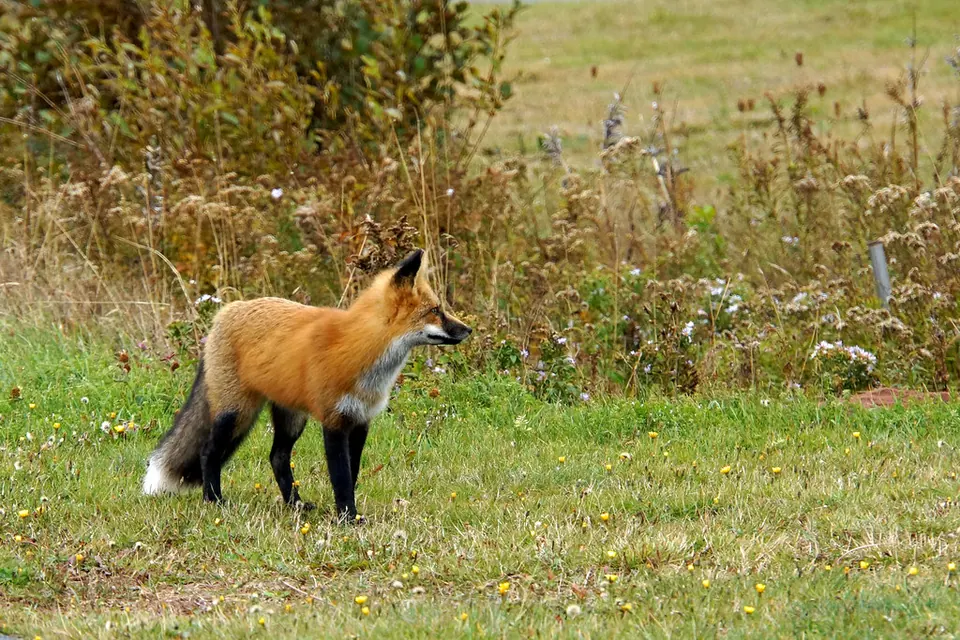
What the signs of an attack can mean
| What you find | Possible predator |
|---|---|
| Birds missing, carcass found nearby | Coyote, fox or domestic dog (dogs often leave the carcass) |
| Missing heads | Birds of prey, or raccoons reaching through loose mesh |
| Missing legs or limbs | Raccoons reaching through mesh |
| Missing eggs or chicks | Opossums, skunks, rats, cats, snakes or birds of prey |
| Bites on the hock joints of chicks or birds | Rats |
| Wounds near the vent | Weasels (cannibalism can cause similar wounds) |
| Scattered feathers, birds piled in a corner | Any predator causing panic; birds can smother each other |
Source: University of Maryland Extension, Prevention of predation
A trail camera or Wi-Fi camera pointed at the coop door shows what is visiting at night before you lose a bird.
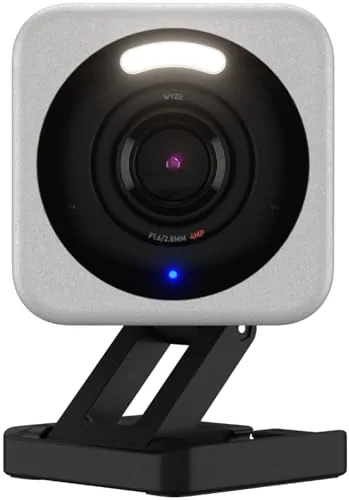
WYZE Cam v4 2.5K Indoor/Outdoor Camera
- Power
- Wired
- Connectivity
- 2.4 GHz Wi-Fi
- Resolution
- 2.5K (2560x1440)
Best for Coops within Wi-Fi range
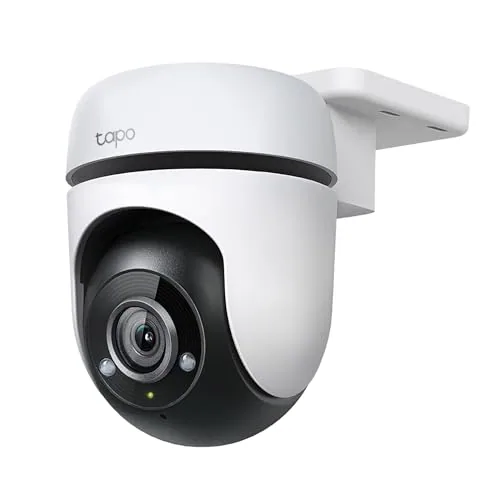
Tapo C500 1080p Outdoor Pan/Tilt Camera
- Power
- Wired
- Connectivity
- Wi-Fi
- Resolution
- 1080p
Best for Covering a whole run from one spot
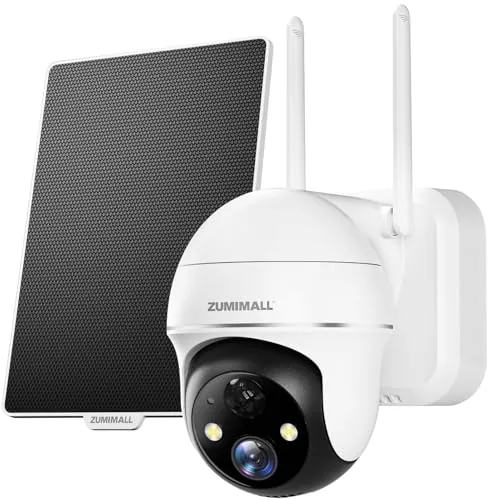
ZUMIMALL 2K Solar Pan/Tilt Outdoor Camera
- Power
- Solar
- Connectivity
- 2.4 GHz Wi-Fi
- Resolution
- 3MP (2K)
Best for Runs without a power outlet
How do you predator-proof a chicken coop?
- 1. Lock up every night
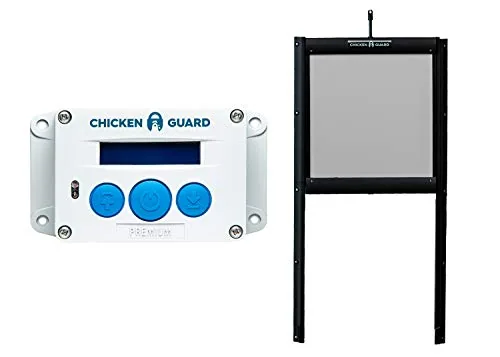
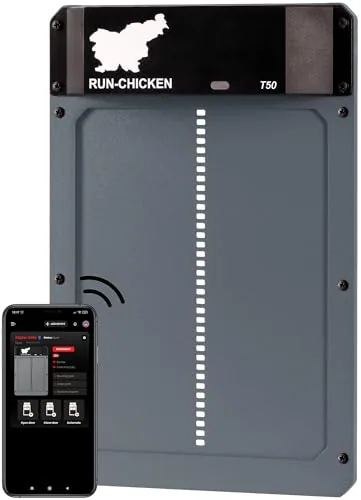
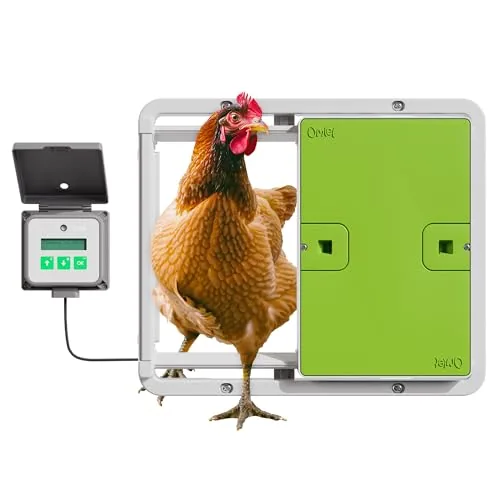
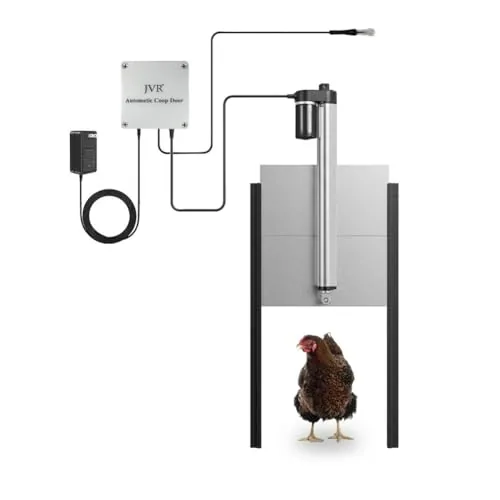
UMN says birds need an enclosed space at night with no small gaps. Close the pop door at dusk, every night. An automatic door does it on time when you are late home; pick one with a locking or anti-lift door.
- 2. Use raccoon-proof latches
Raccoons can open hook-and-eye and simple slide bolts. Use two-step latches, spring clips through hasps or padlock clips on every door and nest-box lid.
- 3. Cover openings with hardware cloth
Penn State: cover windows and doors with heavy-gauge mesh with openings too small for a bird's head. Maryland: keep gaps at roost level under ¼ in to stop snakes. Fix mesh with screws and washers.
- 4. Seal the floor
Penn State recommends a concrete floor or block footing in new buildings to stop digging predators; Maryland suggests raising the coop off the ground to deter rats, mice and weasels. Patch holes in floors and walls.
- 5. Remove cover and food
UMN and Maryland: clear woodpiles, tall weeds and equipment near the coop, keep compost away, and pick up uneaten feed before dark.
Is chicken wire predator-proof?
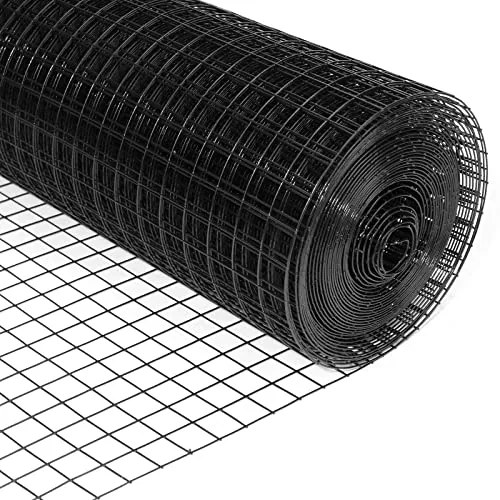
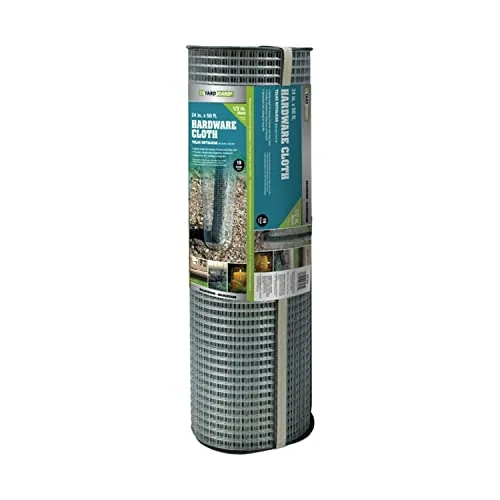
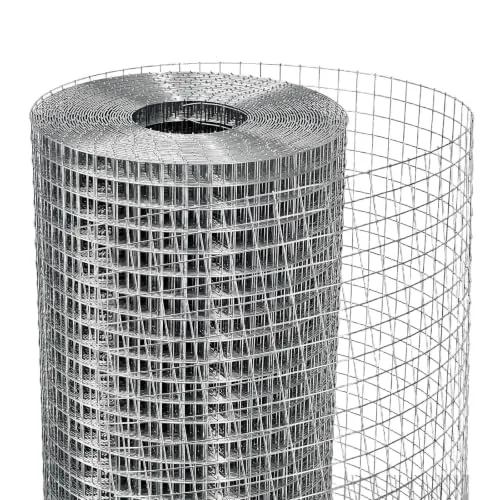
No. Chicken wire is light hexagonal mesh made to keep chickens in. Raccoons can reach through it and dogs can tear it. Use welded hardware cloth on the coop's windows and vents and on the lower part of run walls, where hands and teeth reach.
Which wire for which job
| Mesh | Stops | Use it for |
|---|---|---|
| ¼ in hardware cloth | ✓ Rats, mice, snakes, weasels, raccoon hands | Coop vents and windows, gaps at roost level (Maryland: under ¼ in for snakes) |
| ½ in hardware cloth, 19 gauge | ✓ Raccoon hands, weasels (most), larger rodents | Run walls up to 3 ft, buried apron, coop windows |
| Chicken wire (hex) | ✗ Raccoons, dogs; ~ keeps birds in | Upper run walls or roof only, with other defenses |
| Overhead netting | ~ Hawks and owls | Run roof against birds of prey (Penn State) |
| Electric poultry netting | ✓ Foxes, coyotes, dogs when powered and grounded | Daytime ranging areas |
Source: Penn State Extension; University of Maryland Extension
How do you stop predators from digging into the run?
Foxes, dogs, skunks and weasels dig under fences. Penn State recommends burying fence wire at least 12 in deep along the pen border and bending it outward about 6 in, so a digging animal hits wire. Maryland Extension suggests a trench 12 in to 1½ ft deep around the whole coop with hardware cloth buried in it.
If you cannot dig, lay a 2 ft-wide apron of hardware cloth flat on the ground around the outside of the run, attached to the bottom of the wall and pinned down; grass grows through it and diggers stop at the wall.
Penn State also suggests an optional electric wire about 4 in off the ground and about 1 ft outside the main fence, which turns away diggers before they start.
How do you protect chickens from hawks and owls?
Penn State advises covering outside runs with mesh or netting against hawks and owls; even a grid of wire or twine 3–4 ft apart helps. Hawks hunt by day, owls at night, so a covered run plus a locked coop handles both. Hawks and owls are protected under federal law, so prevention is the only legal option.
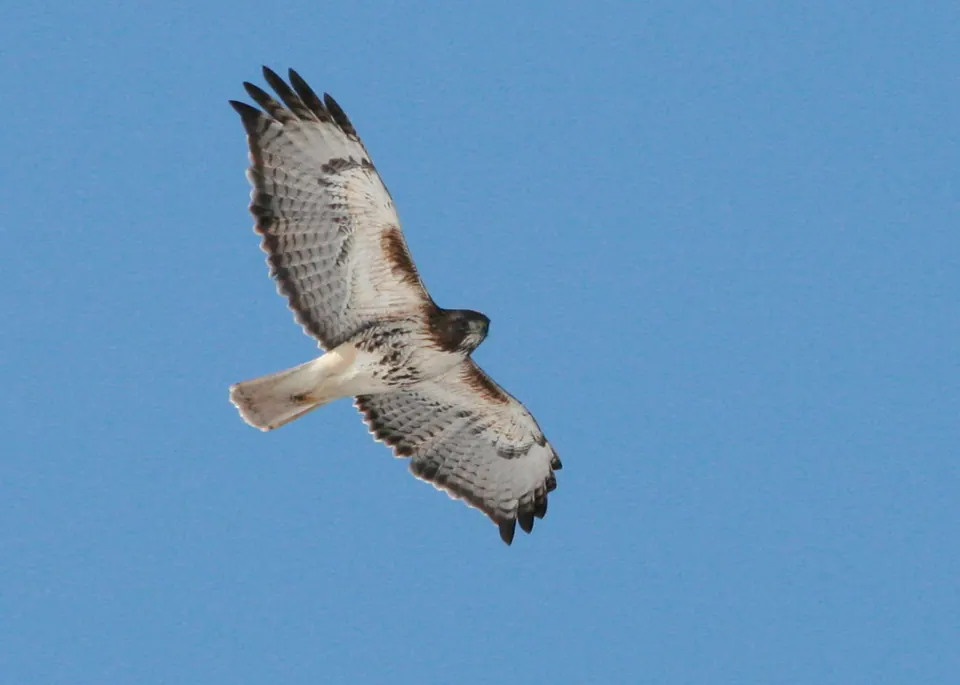
A solid or mesh run cover also helps against bird flu: USDA APHIS asks backyard keepers to keep wild birds away from their flock, feed and water, and to report sick birds or unusual deaths to the state veterinarian or USDA at 1-866-536-7593. See bird flu and backyard biosecurity.
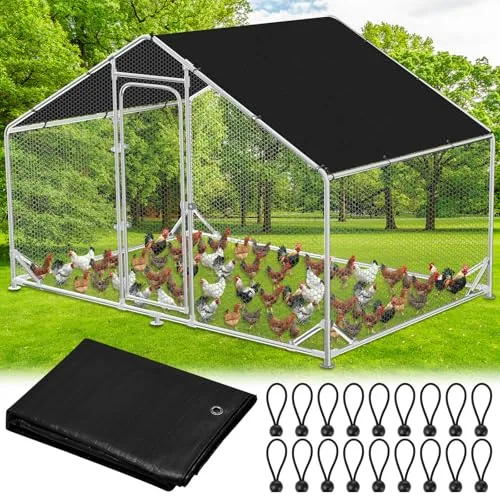
Nuanchu Chicken Run Cover 11.3x6.3 ft, Black
- Size
- 11.3 x 6.3 ft
- Electric
- No
- Material
- PE, UV-resistant
Best for Covering a walk-in run
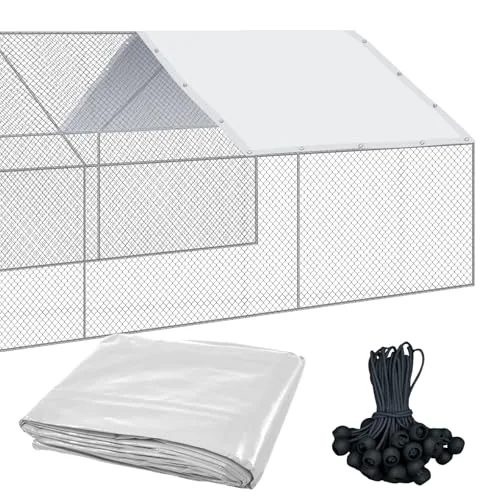
VitalCozy Chicken Run Cover 11.5x6.6 ft, Winter
- Size
- 11.5 x 6.6 ft
- Electric
- No
- Material
- PE
Best for Winterizing a walk-in run
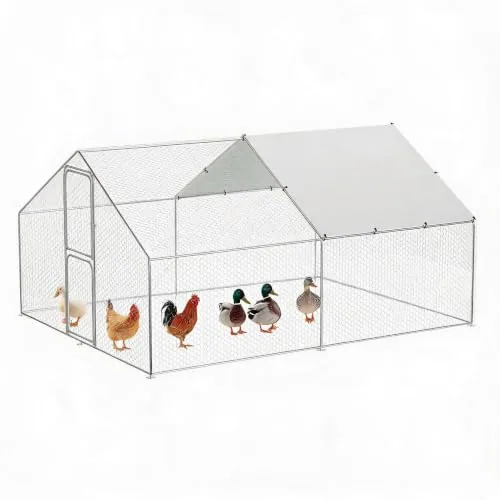
Garvee 9.8x13.1 ft Walk-in Metal Chicken Run
- Size
- 9.8 x 13.1 ft
- Height
- 6.6 ft
- Electric
- No
Best for Adding run space to an existing coop
Does electric poultry netting work?
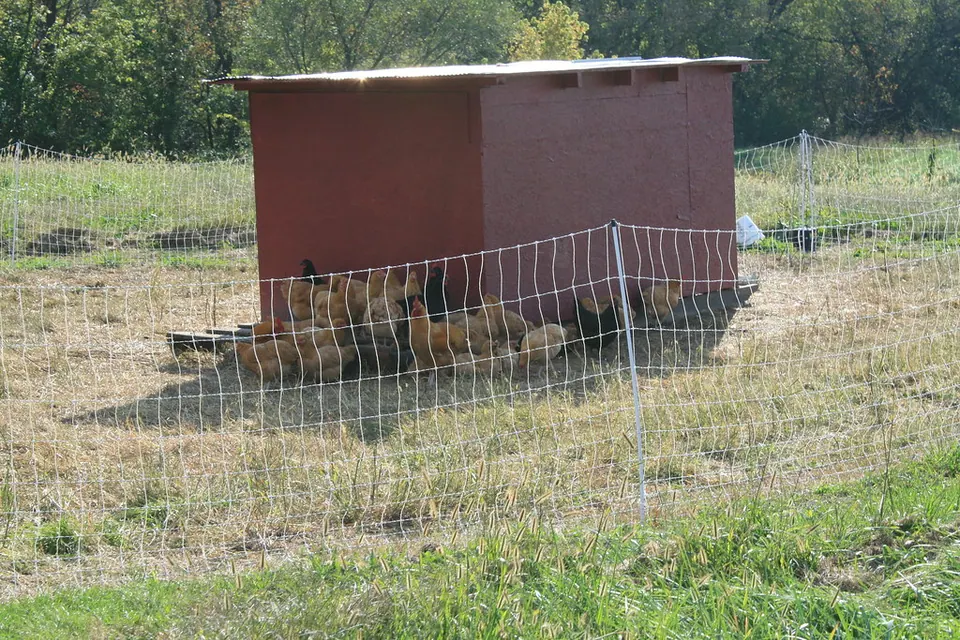
Electric netting is the usual way to give free-ranging hens a safe daytime area against foxes, coyotes and dogs. It only works when the energizer is sized for the netting, the ground rod is installed as the manual says and grass is kept off the bottom strands. It does not stop hawks, and chickens are still at risk at night unless they are shut in the coop.
| Product | Size | Height | Electric | Output | Power |
|---|---|---|---|---|---|
| Premier 1 PoultryNet 48" x 164' Electric Netting | 164 ft | 48 in | Yes, energizer sold separately | — | — |
| Starkline 48" x 164' Poultry Netting Solar Kit | 164 ft (up to 1,600 sq ft enclosed) | 48 in | Yes, S400 solar energizer included | — | — |
| Premier 1 Solar IntelliShock 30 Energizer 0.3J | — | — | Energizer | 0.3 J | 5 W solar panel, 12 V/15 Ah battery |
| Premier 1 PRS Pro 100 Solar Energizer 1.0J | — | — | Energizer | 1.0 J | 15 W glass solar panel, two 12 V/15 Ah batteries |
Specs as listed by the maker or seller; check the listing before you buy.
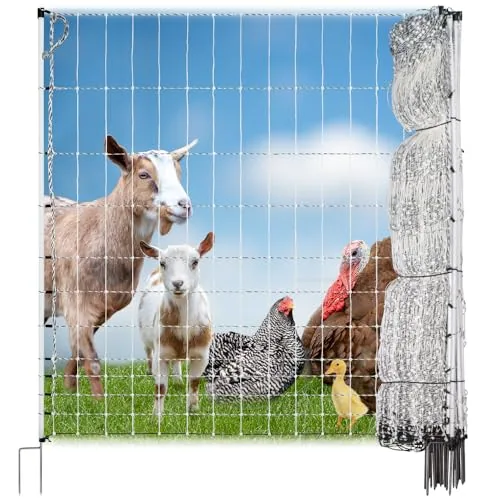
Premier 1 PoultryNet 48" x 164' Electric Netting
- Size
- 164 ft
- Height
- 48 in
- Electric
- Yes, energizer sold separately
Best for Rotating free-range areas
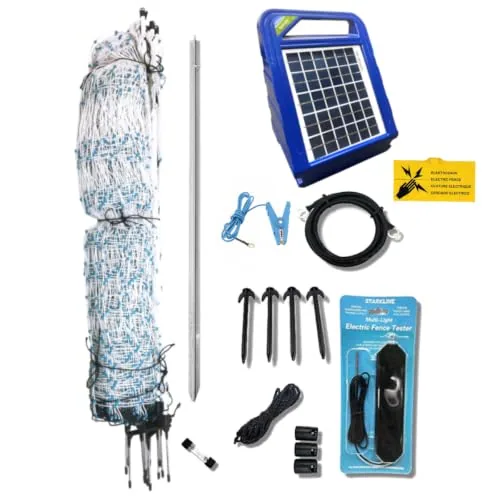
Starkline 48" x 164' Poultry Netting Solar Kit
- Size
- 164 ft (up to 1,600 sq ft enclosed)
- Height
- 48 in
- Electric
- Yes, S400 solar energizer included
Best for Free-range area off-grid
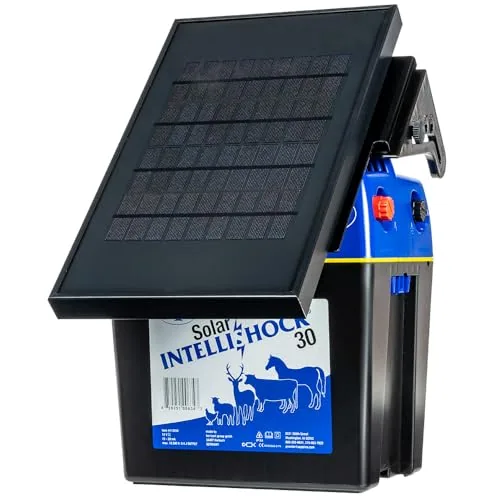
Premier 1 Solar IntelliShock 30 Energizer 0.3J
- Electric
- Energizer
- Output
- 0.3 J
- Power
- 5 W solar panel, 12 V/15 Ah battery
Best for Powering one or two nets
More options and energizer sizing are in best electric poultry netting.
Do predator lights and other deterrents help?
Maryland Extension lists motion-sensor lights, sound devices, moving objects, scarecrows and decoys as deterrents, and a guard dog as an option. Flashing solar lights such as Nite Guard are sold to make night predators think they are being watched; the maker describes them as light-sensitive units that run from dusk to daylight. Treat these as an extra layer, not a replacement for wire and locks: animals can get used to any deterrent.
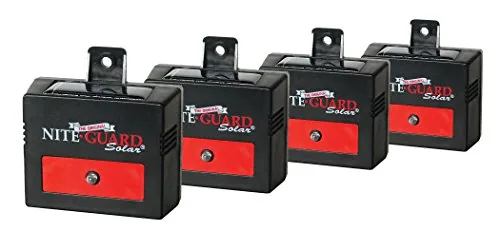
Nite Guard Solar Predator Control Light, 4-Pack
- Power
- Solar
- Trigger
- Light sensitive, dusk to daylight
- Count
- 4 lights
Best for Adding a night-time deterrent around the coop
Ranked options across lights, latches, wire and netting are in best predator protection for chickens.
Predator-protection mistakes to avoid
- Trusting chicken wire. It keeps birds in, not raccoons out.
- Simple hook latches. Raccoons open them.
- Leaving the door open "just tonight". One night is enough.
- An uncovered run. Hawks and owls take birds from open runs, and wild birds bring disease.
- No buried apron. Diggers get under walls in a single night.
- Feed left out after dark. It draws rats, raccoons and opossums.
- Rat poison near the coop. Maryland suggests snap traps and avoiding poison if possible; if you use any product, follow its label.
- Ignoring local rules on trapping and on fencing height; check your city, county and HOA before installing electric fencing.
Shop wire, runs and netting in the runs and fencing hub and doors in coop automation, or compare doors in best automatic coop doors. Add a nightly door and latch check to your flock care checklist.
Layer your defenses: a coop locked every night with two-step latches, hardware cloth on every opening, a buried or apron edge around the run, a covered run roof, and electric netting if your hens range by day. Use the signs table to identify any predator that does get through, and fix that route first.