
- Ventilation removes moisture and ammonia; dampness or an ammonia smell means it is not enough for your flock (Penn State, UMN).
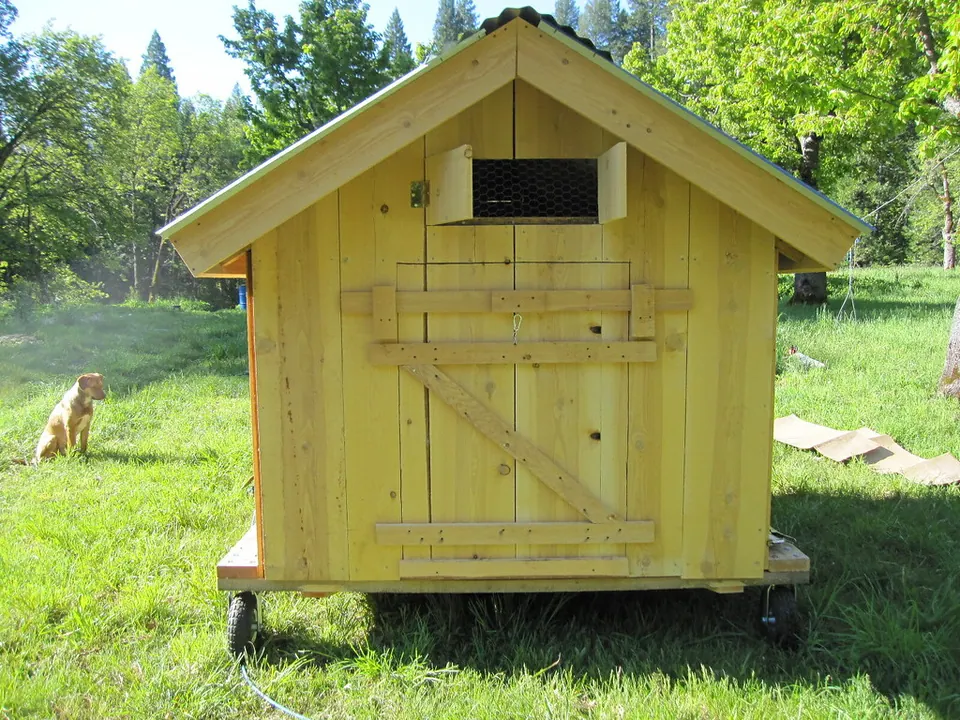
- Put openings high, away from prevailing winds and out of the direct path over the roosts (Penn State).
- Keep vents open in winter: UMN ties frostbite mainly to moisture combined with cold.
- In summer, airflow is the top priority: UMN says birds start panting as temperatures approach 85°F.
- Cover every vent with hardware cloth so it lets air in, not raccoons.
Chicken coop ventilation is one of the most misunderstood parts of keeping hens. A coop with too little airflow fills with the moisture birds breathe out and the water in their droppings, plus ammonia from the litter. A coop with the wrong kind of airflow blows cold air straight across sleeping birds. The goal is steady air exchange without a draft at bird level.
This guide explains how ventilation works, where to put vents, how to adjust for winter and summer and when a fan helps. The guidance comes from Penn State Extension's housing guide, the University of Minnesota's cold-weather and heat-stress pages and the University of Arkansas.
Why do chicken coops need ventilation?
Chickens produce a lot of moisture. UMN notes that manure is about 70% water, and every breath adds more. Without air exchange, that moisture condenses on walls and ceilings, soaks the bedding and turns into ammonia. Penn State says dampness or ammonia buildup is the sign that ventilation is inadequate for the flock size.

Damp air matters most in winter: UMN says frostbite is caused mainly by high moisture combined with cold, not cold alone. In summer, moving air carries away heat. Either way, the answer is airflow.
Ventilation vs drafts: what is the difference?
Ventilation is air moving through the coop above the birds, carrying moisture out. A draft is moving air hitting the birds themselves, usually at roost level at night, which chills them. You want the first without the second.
Penn State's housing guide gives the rules of placement: keep openings out of the direct path over the perching area, put them on the side away from prevailing winds with inlets angled upward, and favor the south or east side. For small coops, windows or vents on one side are often enough. Warm, moist air rises, so openings high on the walls or at the roof ridge let it escape.
Where to put coop vents
| Placement | Do | Avoid |
|---|---|---|
| Height | ✓ High on walls, under the eaves or at the ridge | ✗ Openings at roost height |
| Side | ✓ Away from prevailing winds; south or east is usually best (Penn State) | ✗ Facing winter winds |
| Over roosts | ✓ Air moving above the birds' heads | ✗ Openings directly over or beside sleeping birds |
| Windows | ✓ Sliding windows on the south side (Penn State) | ✗ Swing windows birds can perch on |
| Covering | ✓ Hardware cloth over every opening | ✗ Open gaps, chicken wire or insect screen alone |
Source: Penn State Extension, Small-Scale Poultry Housing
How much ventilation does a chicken coop need?
Extension guides do not give one vent-area number for backyard coops, because the right amount depends on flock size, climate and coop shape. Penn State's test is practical: if the coop is damp, smells of ammonia or has condensation, it needs more air for the number of birds. A common hobby rule of thumb is about 1 sq ft of opening per 10 sq ft of floor, but treat that as a starting point, not a standard.
Two measurements make it concrete. A hygrometer inside the coop shows when humidity climbs well above outdoor levels, and a simple sniff test at bird height tells you about ammonia: if your eyes sting, the birds are breathing it all night.
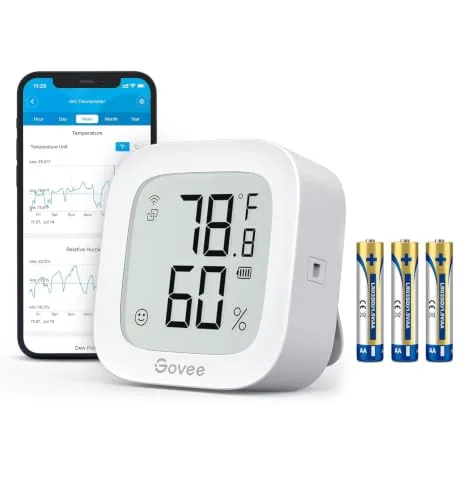
Govee H5103 WiFi Thermometer Hygrometer
- Accuracy
- ±0.54°F, ±3%RH
- Connectivity
- 2.4G Wi-Fi and Bluetooth
Best for General room monitoring
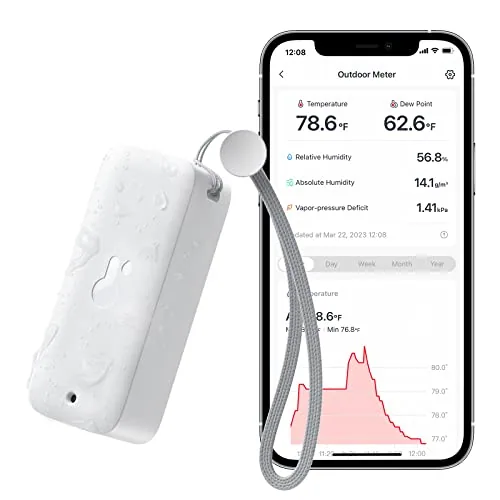
SwitchBot IP65 Indoor/Outdoor Hygrometer
- Accuracy
- ±1.8% RH, ±0.36°F
- Connectivity
- Bluetooth, 394 ft
Best for General monitoring
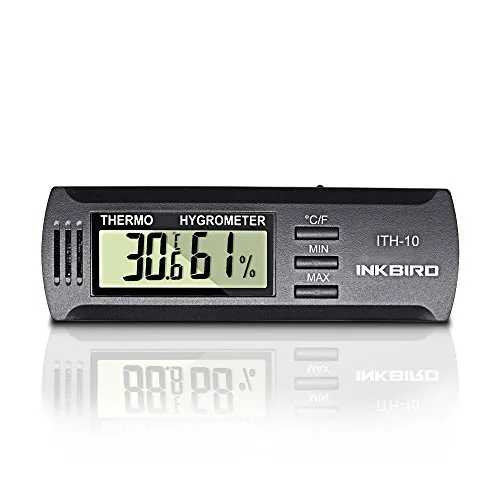
Inkbird ITH-10 Thermometer Hygrometer
- Accuracy
- ±3% RH, ±1.8°F
- Memory
- Min/max
Best for General humidity checks
Crowding makes everything worse. A coop with fewer birds per square foot stays drier; check yours with the coop size calculator or the coop size guide.
How do you ventilate a chicken coop in winter?
Do not seal the coop. UMN suggests partly opening a south-facing window, adding roof vents, draping burlap over windows and opening a small door or window on warmer days, and says to increase airflow if you smell ammonia or see moisture on surfaces. The University of Arkansas gives the same advice: coops need airflow even in freezing weather, with roof vents or partly open windows covered with burlap to hold some heat.
- 1. Keep high vents open
Close low openings that blow on birds, but leave ridge, eave or high wall vents open all winter.
- 2. Manage the litter
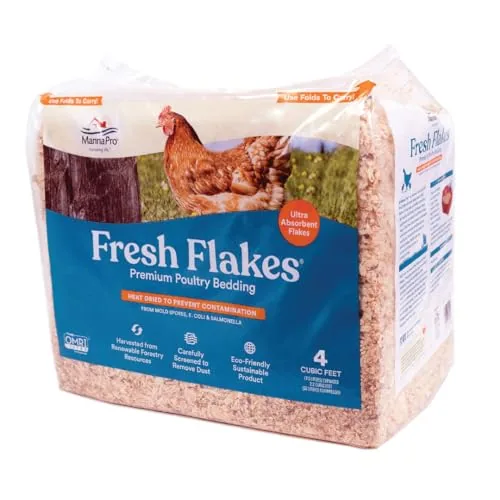
UMN suggests 4–6 in of deep bedding and droppings trays under the roosts, since manure is mostly water. Remove wet patches, especially around the waterer.
- 3. Keep water outside if you can
An open waterer inside adds humidity. A heated nipple drinker or a waterer in the run reduces it. See best heated chicken waterers.
- 4. Watch the combs
Frostbite shows as blackened or gray, brittle tissue on combs, wattles or toes (Arkansas). If you see it, improve ventilation and contact a veterinarian.

Penn State also notes that well-ventilated coops need insulation with a vapor barrier in cold climates, or moisture condenses on walls and ceilings, and that birds must not be able to peck at insulation. Full winter routine: how to keep chickens warm in winter.
How do you ventilate a coop in summer heat?
In summer, open everything you can secure: windows, vents and doors to a locked run. UMN calls ventilation the top priority against heat stress and notes that naturally ventilated buildings are at risk in calm air without fans. A small exhaust fan high on the wall, pulling hot air out while cooler air enters low on the shaded side, helps a lot on still days.
Solar fans need no wiring; plug-in fans should be rated for dusty locations and kept out of reach of birds. Keep cords away from water and litter (UMN), and clean dust off fan blades and motors regularly, since dust and feathers are a fire hazard around any electrical device.
| Product | Power | Size | Airflow | Speeds | Thermostat |
|---|---|---|---|---|---|
| HG Power 25W Solar Coop Fan with Thermostat | Solar 25 W panel plus AC adapter | 6 in metal fan | — | 4 | Yes |
| Hon&Guan 10" Solar Shutter Exhaust Fan, 647 CFM | 30 W solar panel plus AC adapter | 10 in shutter fan | 647 CFM | 4 with thermostat | — |
| Mytions 15W Solar Dual Exhaust Fan Kit | 15 W solar panel | — | — | — | — |
Specs as listed by the maker or seller; check the listing before you buy.
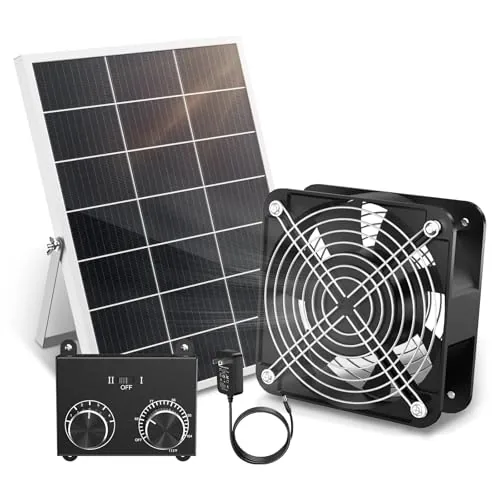
HG Power 25W Solar Coop Fan with Thermostat
- Power
- Solar 25 W panel plus AC adapter
- Size
- 6 in metal fan
- Speeds
- 4
Best for Summer coop ventilation
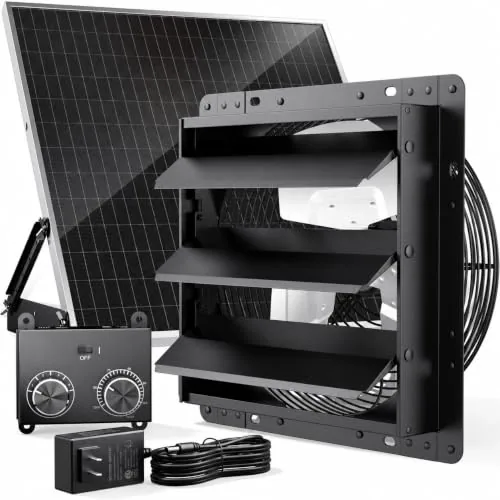
Hon&Guan 10" Solar Shutter Exhaust Fan, 647 CFM
- Power
- 30 W solar panel plus AC adapter
- Size
- 10 in shutter fan
- Airflow
- 647 CFM
Best for Ventilating larger coops or sheds
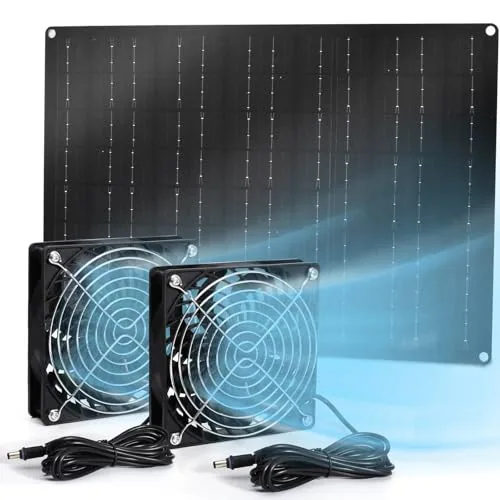
Mytions 15W Solar Dual Exhaust Fan Kit
- Power
- 15 W solar panel
- Fans
- 2 metal-shell fans
- Weather
- IP66
Best for Small coops in hot weather
More on shade, water and recognizing heat stress: keeping chickens cool in summer heat.
How do you predator-proof vents?
Every opening is a door for a raccoon, weasel, rat or snake. Penn State says to cover windows and doors with heavy-gauge mesh, and the University of Maryland recommends limiting gaps larger than ¼ in where chickens roost to keep out snakes. Chicken wire keeps birds in but does not stop a raccoon's hands. Use ½ in or ¼ in hardware cloth fixed with screws and washers, not just staples.
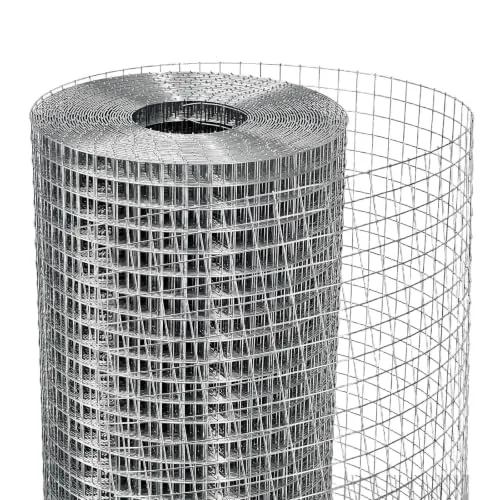
HORCH 1/2" Hardware Cloth 24" x 100', 19 Gauge
- Size
- 24 in x 100 ft
- Electric
- No
- Mesh
- 1/2 in, 19 gauge, hot-dip galvanized after welding
Best for Run walls and aprons
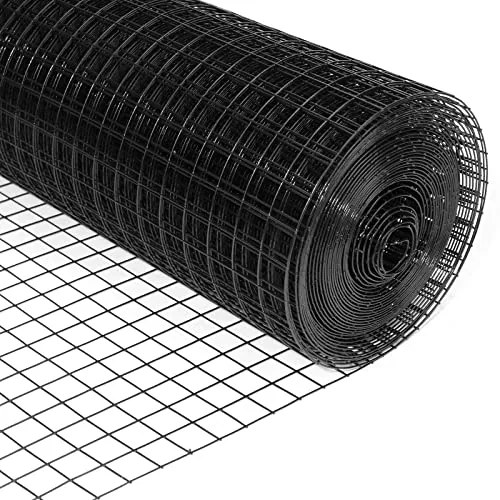
FORIMO 1/4" Hardware Cloth 24" x 50', 19 Gauge
- Size
- 24 in x 50 ft
- Electric
- No
- Mesh
- 1/4 in, 19 gauge, galvanized with black vinyl coating
Best for Predator-proofing coop openings
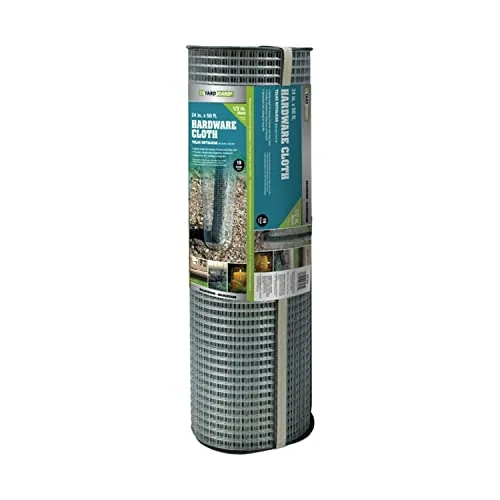
YARDGARD 1/2" Hardware Cloth 24" x 50', 19 Gauge
- Size
- 24 in x 50 ft
- Electric
- No
- Mesh
- 1/2 in, 19 gauge, double zinc-coated
Best for Small runs and repairs
See how to protect chickens from predators for the rest of the coop.
Ventilation mistakes to avoid
- Sealing the coop for winter. Moisture, not cold, drives frostbite (UMN).
- Vents at roost height. They create drafts on sleeping birds.
- Uncovered openings. Every gap needs hardware cloth.
- A waterer inside a small, closed coop in winter: it adds humidity.
- Ignoring ammonia. If you smell it, birds are breathing it.
- Overcrowding. More birds per square foot means more moisture.
- Exposed insulation. Penn State warns that birds will peck and eat foam or loose fill.
Browse coops with good built-in airflow in the coops hub, fans and timers in coop automation, and winter gear in the winter care hub. The flock care checklist includes a weekly ventilation and bedding check.
Ventilate high and away from the roosts, keep those vents open all year, cover every opening with hardware cloth, and let humidity and ammonia readings tell you when to add more air. Add a solar or plug-in fan for still summer days rather than closing up.
Questions
Do chicken coops need ventilation in winter?
How much ventilation does a chicken coop need?
Where should vents go in a chicken coop?
How do I stop drafts in my chicken coop?
Does a chicken coop need a fan?
Why does my chicken coop smell like ammonia?
Sources
- Penn State Extension, Small-Scale Poultry Housing
- University of Minnesota Extension, Caring for chickens in cold weather
- University of Minnesota Extension, Preventing heat stress in poultry
- University of Arkansas Cooperative Extension, Cold weather and backyard poultry (2024)
- University of Maryland Extension, Prevention of predation