- Nipple vs cup waterer: both connect to a closed bucket or pipe, so bedding and droppings stay out of the water supply.
- Nipples release water when pecked and leave nothing standing; cups hold a little water that refills by float valve, which most birds understand at once.
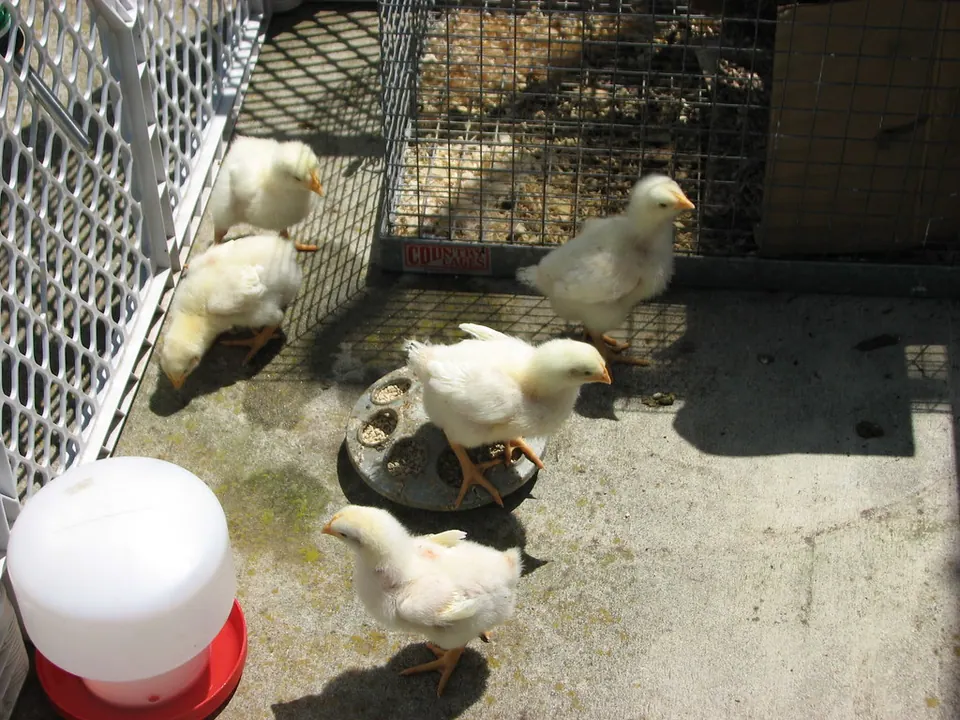
- Cups are easier for chicks, ducks and new birds to learn; nipples drip less into bedding (horizontal styles and dribble dishes help).
- Both can freeze. Heated nipple drinkers (Farm Innovators HB-60P, 60 W) and heated cups (BEC MaxiCup) exist for winter.
- Penn State Extension: never let laying hens go more than 12 hours without water.
Nipple vs cup waterer is the next upgrade after the classic open fount. Open founts and pans fill with shavings and droppings, and they need scrubbing every day. Nipple and cup systems connect to a closed bucket, tank or PVC pipe, so the water supply stays clean and you refill less often.
This page compares the two styles using the kits and drinkers in our catalogue: how many drinking points each listing includes, how they mount, and which come heated. Advice on water amounts and cleaning comes from Penn State and University of Minnesota Extension. We did not run these waterers in a coop.
Nipple waterer
A pin valve releases drops when a hen pecks it; the cleanest water, but birds have to learn it
Browse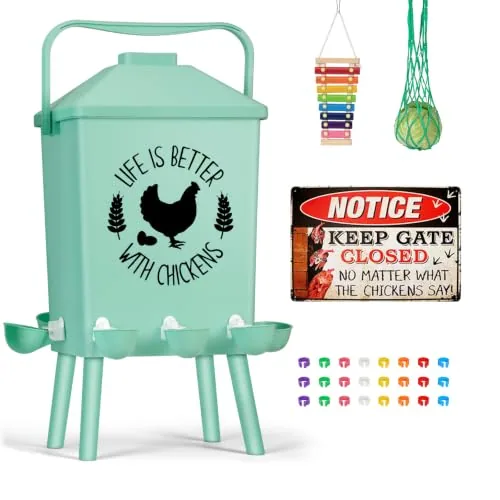
Picks from each side
Nipple waterer
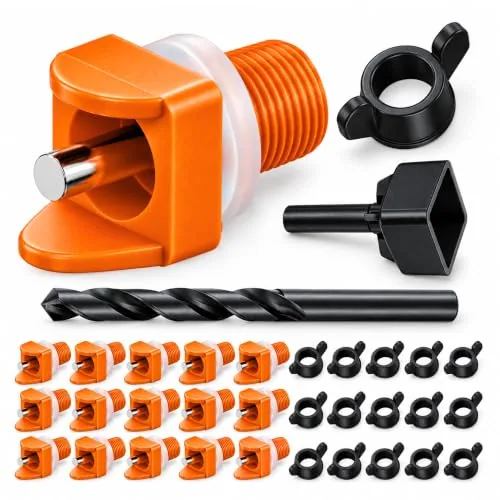
Lil'Clucker Horizontal Water Nipples, 15-Pack
- Type
- Horizontal nipple
- Count
- 15
- Includes
- Drill bits and install tool
Best for DIY container waterers
RentACoop DIY Nipple Waterer Kit, Dribble Dish, 6-Pack
- Type
- Horizontal nipple with dribble dish
- Count
- 6
- Includes
- Installation tool
Best for DIY bucket waterers
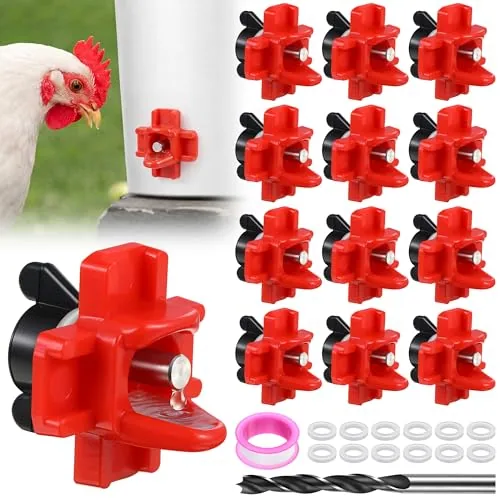
Dreyoo Horizontal Chicken Water Nipples, 12-Pack
- Type
- Horizontal nipple
- Material
- ABS and steel
- Count
- 12
Best for Building a DIY bucket waterer
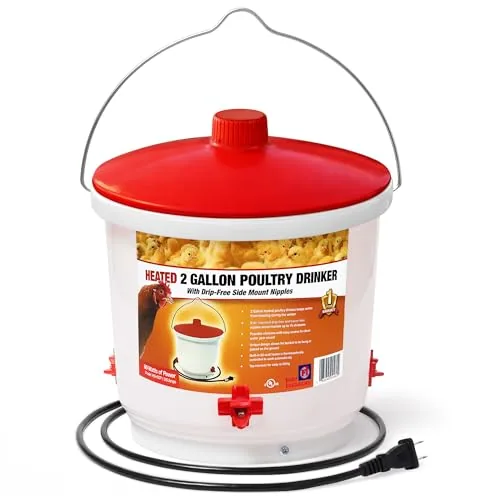
Farm Innovators HB-60P Heated 2-Gal Nipple Drinker
- Type
- Nipple (3 side-mount)
- Capacity
- 2 gal
- Heated
- 60 W
Best for Small flocks in freezing weather
Cup waterer
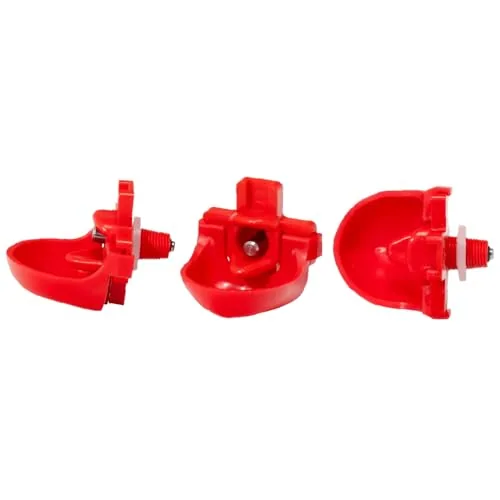
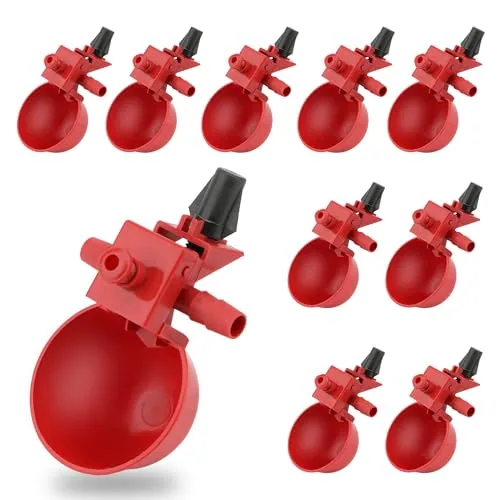
Wontee Automatic Chicken Waterer Cups, 10-Pack
- Type
- Cup
- Material
- Plastic
- Count
- 10
Best for DIY cup waterers
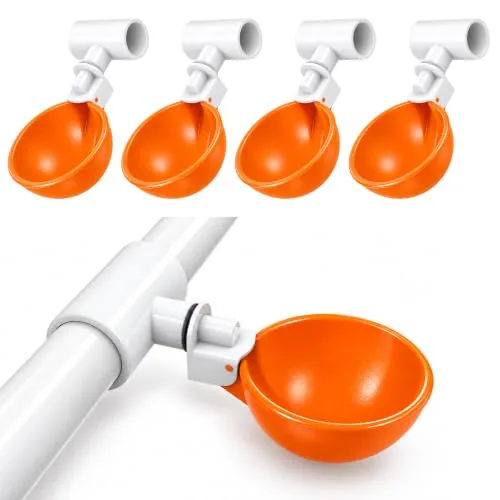
Lil'Clucker Large Waterer Cups with PVC Tees, 5-Pack
- Type
- Cup on 1/2 in PVC tee
- Material
- Plastic
- Count
- 5
Best for PVC watering lines for mixed flocks
CLUCKY 4.2-Gallon Hanging Cup Waterer Kit
- Type
- Cup
- Capacity
- 4.2 gal
- Material
- Plastic
Best for Medium flocks needing fewer refills
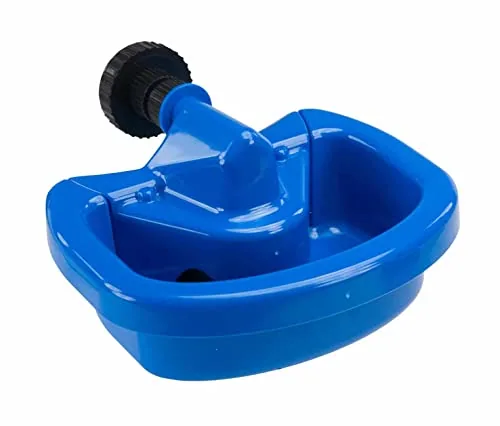
BEC MaxiCup Heated Self-Filling Waterer Cup
- Type
- Cup (float valve)
- Capacity
- 0.5 L cup
- Heated
- Heated (wattage not listed)
Best for DIY heated bucket waterers
Nipple vs cup waterer: how they compare
The two styles side by side
| Nipple waterer | Cup waterer | |
|---|---|---|
| Standing water | ✓ None; drops on demand | ~ A small cup, refilled by float valve |
| Debris in the drink | ✓ Very little | ~ Cups can collect feed and shavings |
| Learning curve | ✗ Birds learn to peck the pin | ✓ Birds see water and drink |
| Chicks | ~ Vertical nipples suit chicks (RentACoop 32 oz drinker) | ✓ Easy for chicks to find |
| Ducks and geese | ~ Some listings name ducks | ✓ Larger cups listed for ducks, turkeys, geese |
| Drips into bedding | ~ Horizontal nipples and dribble dishes reduce it | ✓ Less dripping |
| Freezing | ✗ Pins freeze unless heated | ✗ Cups freeze unless heated |
| Pressure | ~ Gravity or low pressure (RentACoop: 3 psi or below) | ~ Gravity feed for float cups |
Source: Product listings; RentACoop DIY nipple kit listing
Kits and drinkers, as listed
| Product | Count | Type | Material | Includes |
|---|---|---|---|---|
| Lil'Clucker Horizontal Water Nipples, 15-Pack | 15 | Horizontal nipple | — | Drill bits and install tool |
| Dreyoo Horizontal Chicken Water Nipples, 12-Pack | 12 | Horizontal nipple | ABS and steel | Gaskets, wing nuts, drill bit, tape |
| TIHOOD Horizontal Poultry Nipples, 20-Pack | 20 | Horizontal nipple | Hard plastic, 304 stainless trigger | — |
| VandanCoop Horizontal Water Nipple Kit, 10-Pack | 10 | Horizontal nipple, 3/8 in thread | — | Gaskets, wing nuts, drill bit, tape |
| RentACoop DIY Nipple Waterer Kit, Dribble Dish, 6-Pack | 6 | Horizontal nipple with dribble dish | — | Installation tool |
| Wontee Automatic Chicken Waterer Cups, 10-Pack | 10 | Cup | Plastic | — |
| Lil'Clucker Large Waterer Cups with PVC Tees, 5-Pack | 5 | Cup on 1/2 in PVC tee | Plastic | — |
| XCL Aluminum Waterer Cups with Tees, 4-Pack | 4 | Cup on tee fitting | Aluminum alloy | Hole opener |
| RentACoop High Rise 2-Gal Waterer, Cups & Nipples | — | Cup and nipple (2 each) | Plastic | — |
Specs as listed by the maker or seller; check the listing before you buy.
How many drinking points do you need?
Penn State Extension gives two figures for laying flocks: about 1 inch of waterer space per bird, and any container that supplies at least 5 gallons per 100 birds a day. Hens drink more in hot weather, so treat that as a floor, not a target. With nipple and cup systems, plan enough drinking points that no bird has to wait behind a bossy one.
Drinking points per pack
Listed count, nipples (blue) and cups (green)
One bucket rarely needs every point in a pack: the spares are useful when a valve wears out or you build a second waterer for the run.
Building a bucket waterer: what each kit includes
Most nipple and cup kits convert a food-safe bucket or tank. The listings differ in what comes in the bag: Dreyoo and VandanCoop include gaskets, wing nuts, a drill bit and sealing tape; Lil’Clucker includes drill bits and an install tool; RentACoop includes an installation tool and says its nipples need a 9 mm hole, with gravity feed or 3 psi or less. Enhon and Lil’Clucker’s cups come pre-fitted to ½ in PVC tees for a pipe line, and XCL includes a hole opener.
- Choose a clean, lidded container
A food-grade bucket or a ready-made drinker. Ready-made options: the RentACoop High Rise 2-gallon has two cups and two nipples; the CLUCKY 4.2-gallon is a cup waterer.
- Drill low on the side
Mount horizontal nipples or cups near the bottom so the last water still reaches them. Use the bit size the kit names.
- Seal and test
Fit gaskets, tighten by hand, fill and check for drips for a day before adding birds.
- Hang at the right height
Penn State says the waterer lip should be level with the birds’ backs; for nipples, follow the kit’s height guidance and raise the bucket as birds grow.
- Show the birds
Tap a nipple until a drop appears, or keep the old waterer in place until every bird is drinking from the new one.
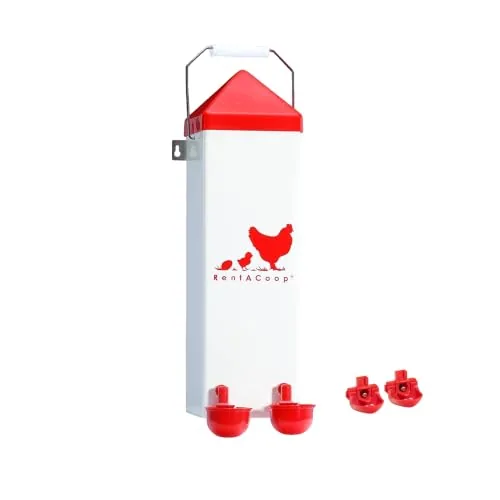
Winter: which freezes first?
Both styles freeze. The water in a nipple pin or a shallow cup is small and exposed, so it ices up before a full bucket does. For freezing weather, choose a heated drinker or add a heater. Farm Innovators lists the HB-60P as a 2-gallon drinker with three side nipples and a 60 W thermostatic heater for up to 15 chickens; HIRALIY lists a 3-gallon insulated drinker with four metal nipples; BEC lists the MaxiCup as a heated float cup that fits a container with a ½ in hole.
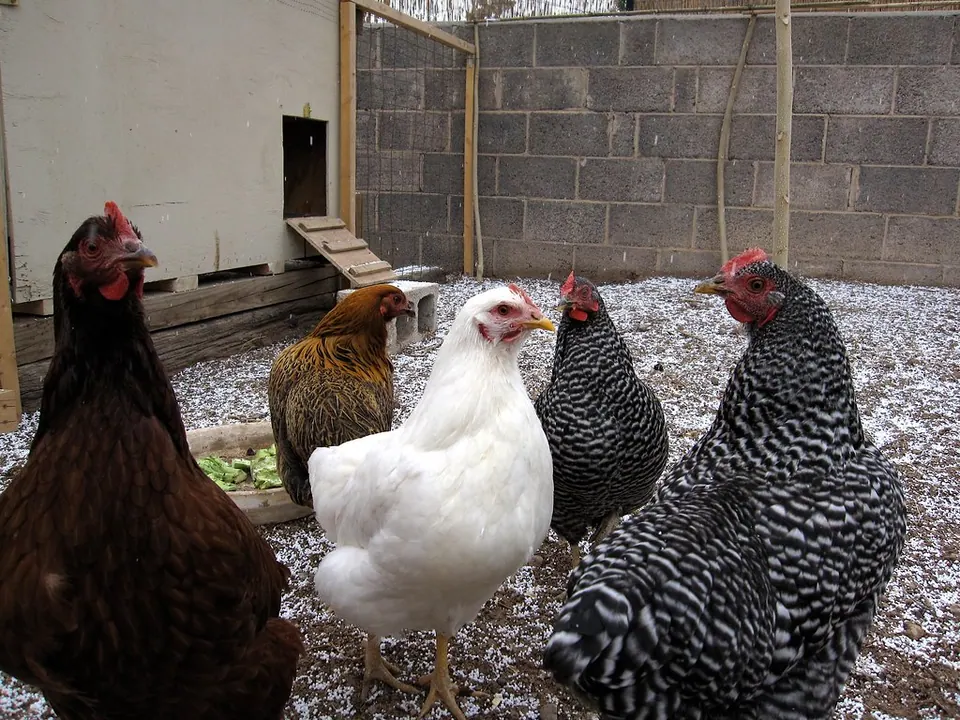
Farm Innovators HB-60P Heated 2-Gal Nipple Drinker
- Type
- Nipple (3 side-mount)
- Capacity
- 2 gal
- Heated
- 60 W
Best for Small flocks in freezing weather
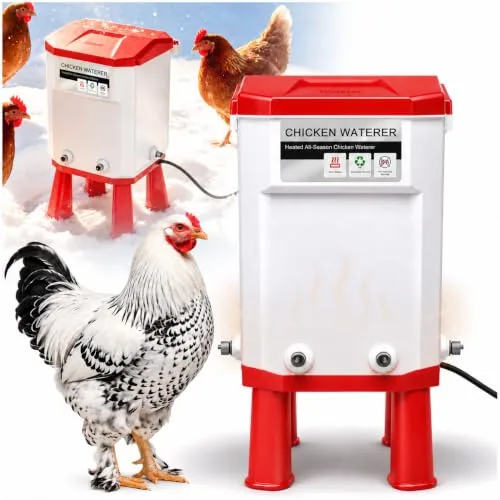
HIRALIY Heated 3-Gal Nipple Waterer
- Type
- Nipple (4 metal)
- Capacity
- 3 gal
- Heated
- Thermostatic (wattage not listed)
Best for Freeze-free nipple watering
BEC MaxiCup Heated Self-Filling Waterer Cup
- Type
- Cup (float valve)
- Capacity
- 0.5 L cup
- Heated
- Heated (wattage not listed)
Best for DIY heated bucket waterers
Cleaning and biosecurity
Closed systems stay cleaner, but they still need care. University of Minnesota Extension says feeders and waterers should be cleaned and disinfected regularly and that birds need continual access to clean, fresh water; Penn State advises cleaning waterers and giving fresh water daily. Scrub the bucket when you see film or algae, and flush cups and nipples so they keep sealing.
Keep waterers inside the coop or a covered run. USDA APHIS advises keeping wild birds away from your flock’s feed and water to lower the risk of bird flu, and to report sick birds or unusual deaths to the state veterinarian or USDA at 1-866-536-7593. If chicks or children are around the waterer, wash hands after refilling it: CDC notes that poultry can carry Salmonella even when they look healthy.
Who should choose nipples, and who cups?
- Choose nipples for adult hens in a coop where dry bedding matters, for the cleanest water, and for long pipe lines with many birds.
- Choose cups for chicks, mixed flocks, new birds that won’t learn a nipple, and keepers who want birds drinking from day one.
- Choose both with a combo drinker such as the RentACoop High Rise 2-gallon or 1-gallon, then keep whichever your flock prefers.
- Ducks: some listings name ducks, but duck water needs differ from chickens’. Read our raising ducks guide before relying on nipples alone.
Mistakes to avoid
- Removing the old waterer on day one. Leave it until every bird is drinking from the new system.
- Mounting too high or too low. Too high and short birds can’t reach; too low and cups fill with litter.
- Using mains pressure. Most poultry nipples are made for gravity feed or low pressure; RentACoop names 3 psi or below.
- Ignoring the first freeze. Check waterers on every frosty morning and plan a heated option.
- Skipping cleaning because the water looks clear. Biofilm builds inside buckets and pipes.
Add a daily water check to the flock care checklist, and see the best chicken waterers or the winter care hub for more options.
For adult hens and dry bedding, a nipple waterer gives the cleanest water and the least mess; a horizontal kit such as Lil’Clucker or RentACoop’s dribble-dish nipples on a lidded bucket is a simple start. For chicks, mixed flocks and birds that need to drink from day one, cup waterers such as Wontee or Lil’Clucker’s PVC cups are easier to learn. In freezing climates, either style needs a heated drinker or heater.