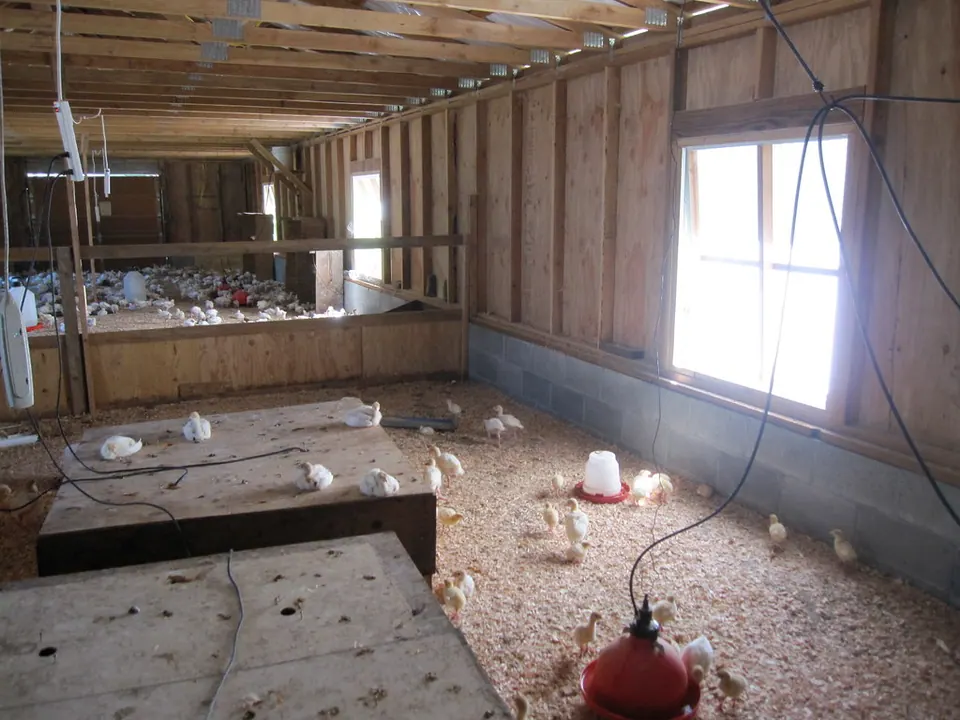
- Size the brooder for week 5, not day 1: Penn State gives ¼ sq ft per chick in week 1 and 1 sq ft by weeks 5–8.
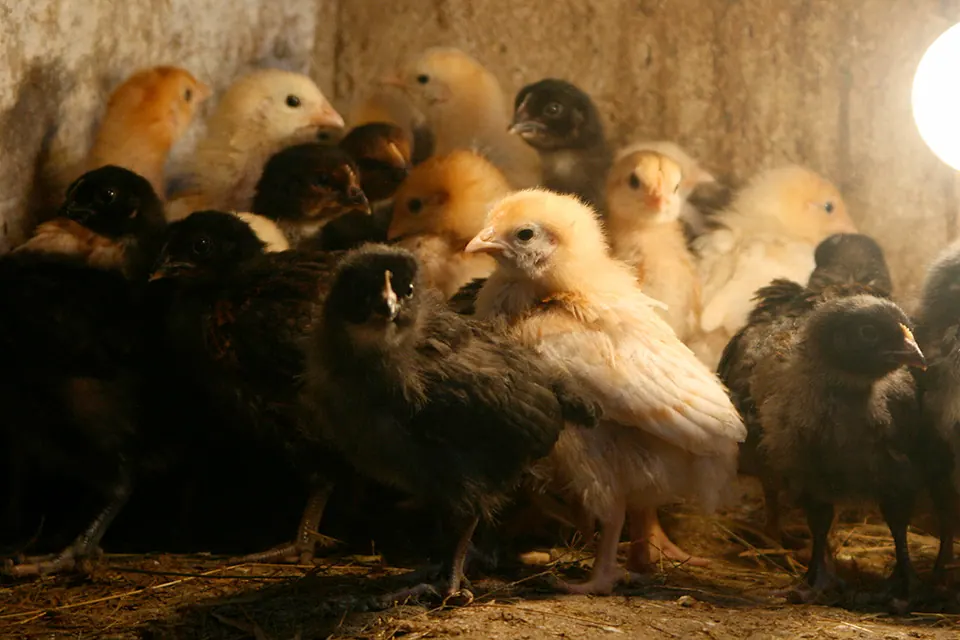
- Choose a heat plate rated for your chick count, or a heat lamp hung by a chain at least 20 in from flammable materials (Penn State), never by its cord (UMN).
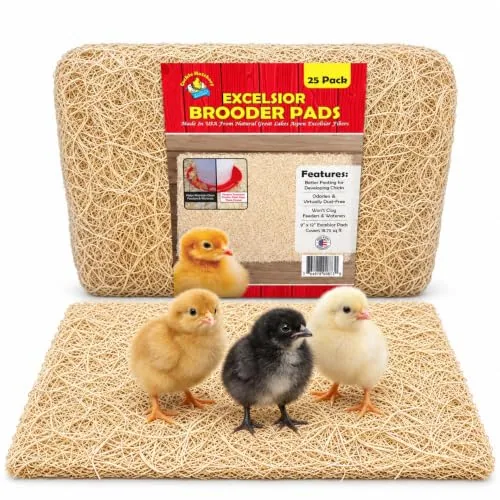
- Use 2–3 in of dry litter such as pine shavings, with paper towels on top for the first days; never slippery newspaper alone (Penn State).
- Put the heat at one end so chicks can move between warm and cool; feed and water outside the hottest spot.
- Run the brooder a day before chicks arrive (UMN) and check temperature at chick level.
A good brooder setup does what a mother hen does: gives chicks a warm spot to run to and space to cool off. Get the size, heat and bedding right and chicks spend their days eating, sleeping and exploring. Get them wrong and you see huddling, pasted vents, wet litter or worse.
This guide covers where to put the brooder, how big to make it, how to choose and secure the heat source, and how to lay out bedding, feed and water. The numbers are from Penn State Extension's brooding guide and the University of Minnesota, with fire-safety rules from fire marshals.
Where should you put a chick brooder?
Pick a spot that is draft-free, dry, easy to clean and safe from pets and small children. A spare room, basement or garage all work, as long as the room temperature is steady. Penn State's schedule ends at a normal room temperature of 62–65°F, and many heat plates list indoor use and a minimum room temperature in their manual. In a cold garage, a plate may not keep up, so check the manual.
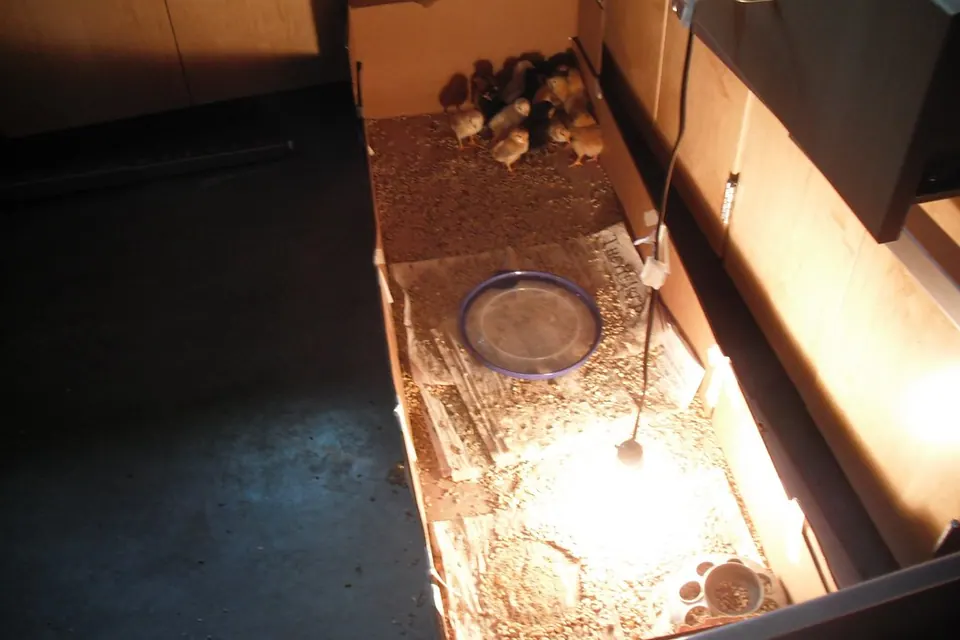
Keep the brooder away from the kitchen and food areas. CDC advises keeping poultry out of places where food is prepared or eaten.
How big should a brooder be?
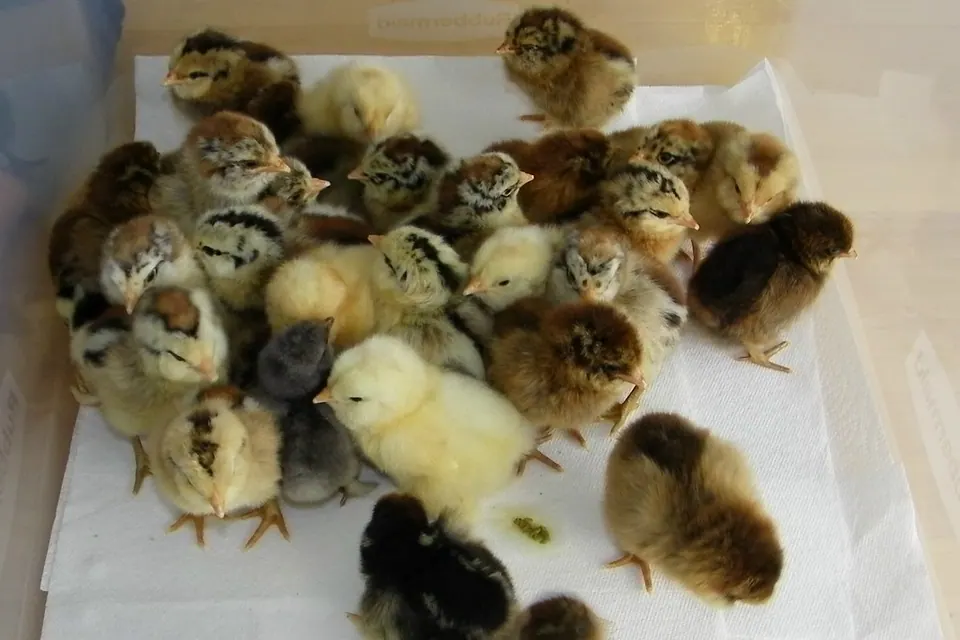
Chicks grow fast, and space needs quadruple in the first five weeks. Penn State's floor-space figures, multiplied out for common batch sizes:
Brooder floor area by chick count
| Chicks | Week 1 (¼ sq ft each) | Weeks 2–3 (½) | Weeks 3–5 (¾) | Weeks 5–8 (1) |
|---|---|---|---|---|
| 6 | 1.5 sq ft | 3 sq ft | 4.5 sq ft | 6 sq ft |
| 10 | 2.5 sq ft | 5 sq ft | 7.5 sq ft | 10 sq ft |
| 15 | 3.75 sq ft | 7.5 sq ft | 11.25 sq ft | 15 sq ft |
| 25 | 6.25 sq ft | 12.5 sq ft | 18.75 sq ft | 25 sq ft |
Source: Penn State Extension, Brooding of Domestic Fowl (space per bird by age)
A 2 × 3 ft tote (6 sq ft) is fine for six chicks all the way to week 8, but too small for 15 by week 3. Plan a brooder you can expand: a corral, a pen with add-on panels, or a second box. Sides should be at least 18 in tall by week 2 (chicks start flapping up), with a mesh lid once they can reach the top.
| Product | Chicks | Size | Includes | Material |
|---|---|---|---|---|
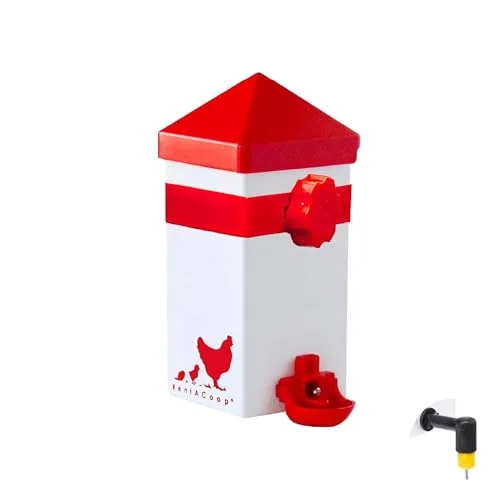
| RentACoop Little Red Barn Brooder Set with Heat Plate | Up to 8 chicks for first 6 weeks | — | Heating plate, feeder, waterer, liners, LED light, latch | Plastic, folds flat |
| YAKCAM Circular Chick Brooder Corral, Up to 15 | Up to 15 chicks or ducklings | 39 in diameter, 17 in tall | Feeding tray | Reusable corrugated panels |
| LemonRoad 73" Chick Brooder Box Tent, 30 Chicks | Up to 30–40 chicks (as listed) | 72.8 x 36.6 x 25.6 in | — | Oxford cloth, mesh, insulated curtain |
| Farm Innovators PSK-1 Starter Kit with Heat Plate | — | — | 1.5 lb chick feeder, 1.5 qt waterer, 8 in ground feeder | — |
Specs as listed by the maker or seller; check the listing before you buy.
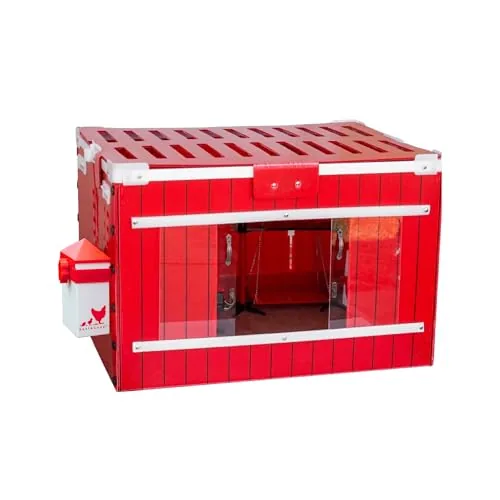
RentACoop Little Red Barn Brooder Set with Heat Plate
- Chicks
- Up to 8 chicks for first 6 weeks
- Includes
- Heating plate, feeder, waterer, liners, LED light, latch
- Material
- Plastic, folds flat
Best for A complete small first brooder
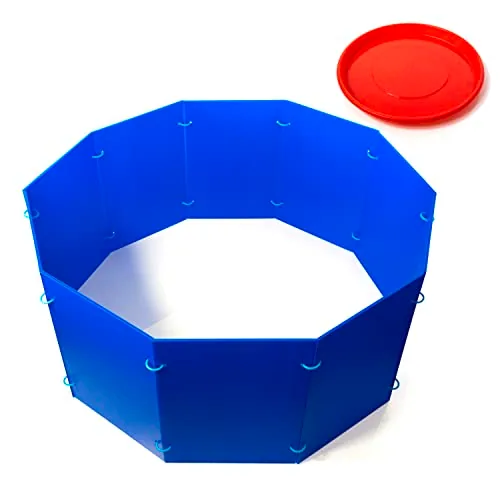
YAKCAM Circular Chick Brooder Corral, Up to 15
- Chicks
- Up to 15 chicks or ducklings
- Size
- 39 in diameter, 17 in tall
- Material
- Reusable corrugated panels
Best for Simple first brooders
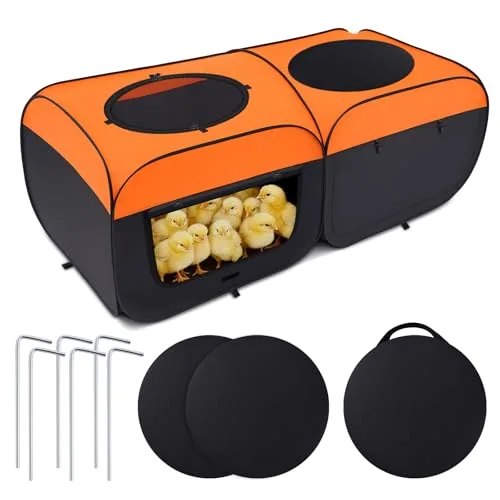
LemonRoad 73" Chick Brooder Box Tent, 30 Chicks
- Chicks
- Up to 30–40 chicks (as listed)
- Size
- 72.8 x 36.6 x 25.6 in
- Material
- Oxford cloth, mesh, insulated curtain
Best for Temporary chick pen indoors
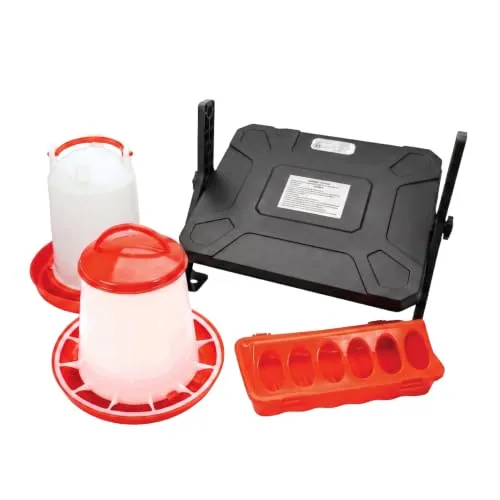
Farm Innovators PSK-1 Starter Kit with Heat Plate
- Wattage
- 20 W heat plate
- Height adjustment
- Adjustable slope, anti-roost
- Includes
- 1.5 lb chick feeder, 1.5 qt waterer, 8 in ground feeder
Best for First-time chick keepers
Heat plate or heat lamp: which heat source?
Both can work. Heat plates mimic a hen: chicks warm up by touching the underside, use a fraction of a lamp's wattage and have no exposed bulb. Heat lamps warm a wide area and suit large batches or cold rooms, but they are the main brooder fire risk.
| Product | Heated area | Wattage | Height adjustment | Chicks |
|---|---|---|---|---|
| Brinsea EcoGlow Safety 1200 Brooder, Up to 35 Chicks | — | 18 W, low voltage | Screw-on legs, height and angle | Up to 35 newly hatched or 20 older chicks |
| RentACoop 12x12 Heating Plate, Anti-Roost Cone | 12 x 12 in | 22 W | 25 settings, 1–9 in, tiltable | Up to 20 chicks |
| Premier 1 Chick Heating Plate 12x12, 20 Chicks | 12 x 12 in | 22 W | 1.5–6 in legs | Up to 20 chicks |
| K&H Thermo-Poultry Brooder Plate, Large 40W | 20 x 11.5 x 8 in | 40 W | Pegged shelf, adjustable | Up to 30 newborn chicks (fewer as they grow) |
| Hatching Time Warmzy 10x10 Brooder Plate, 15W | 10 x 10 in | 15 W | Four adjustable legs | 15–20 chicks (by breed and setup) |
Specs as listed by the maker or seller; check the listing before you buy.
Sizing a plate. Makers state a chick count; compare it with your batch, and remember the number falls as chicks grow (K&H, for example, lists up to 30 newborn chicks, fewer as they grow; Brinsea lists 35 newly hatched or 20 older chicks for the EcoGlow 1200). Set the legs so chicks just fit underneath, and raise them each week per the manual. An anti-roost cone or sloped top stops chicks from perching and pooping on the plate.
Sizing a lamp. UMN says one 250-watt infrared lamp heats about 80 chicks in a 50°F brooder room, and recommends hanging lamps at least 15 in above the litter by chain or wire, with more than one lamp as backup for larger groups. Small home batches usually need less heat; adjust height by the chicks' behavior.
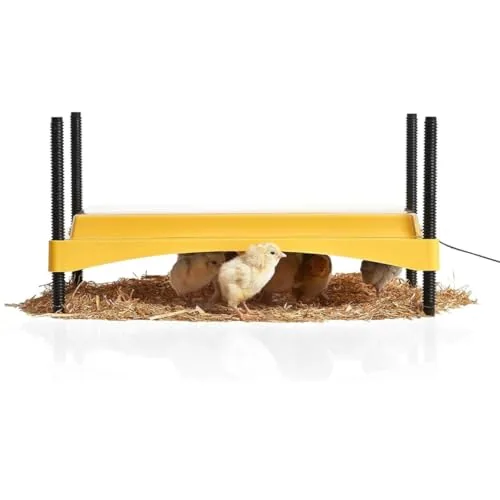
Brinsea EcoGlow Safety 1200 Brooder, Up to 35 Chicks
- Chicks
- Up to 35 newly hatched or 20 older chicks
- Wattage
- 18 W, low voltage
- Height adjustment
- Screw-on legs, height and angle
Best for Larger chick or duckling batches
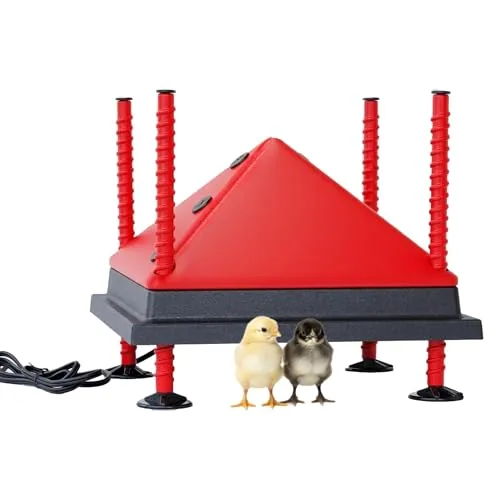
RentACoop 12x12 Heating Plate, Anti-Roost Cone
- Chicks
- Up to 20 chicks
- Heated area
- 12 x 12 in
- Wattage
- 22 W
Best for Home batches up to 20
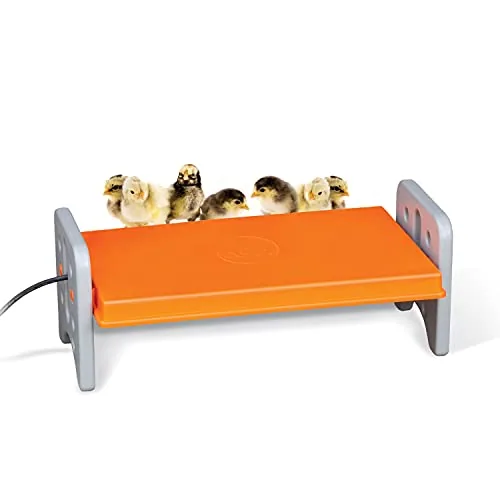
K&H Thermo-Poultry Brooder Plate, Large 40W
- Chicks
- Up to 30 newborn chicks (fewer as they grow)
- Heated area
- 20 x 11.5 x 8 in
- Wattage
- 40 W
Best for Medium chick batches
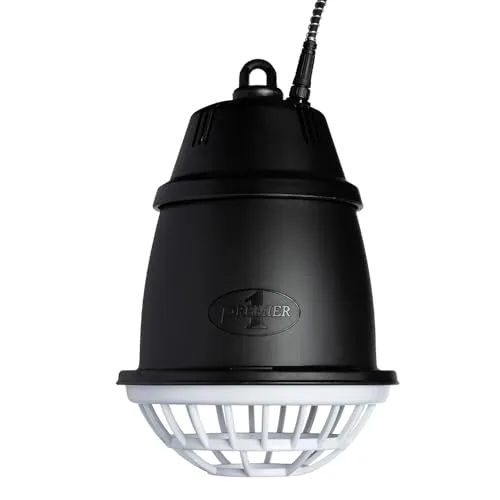
Premier 1 Prima Heat Lamp, Up to 250W Bulbs
- Wattage
- Bulbs up to 250 W (not included)
- Safety
- Tilt shut-off switch, heavy-duty guard
- Cord
- 16 ft with anti-chew spring
Best for Keepers who must use a lamp
The trade-offs in detail are in heat plate vs heat lamp, with ranked options in best brooder heat plates.
How do you set up a brooder, step by step?
- 1. Clean and dry the brooder
Start with a clean, dry container or pen. Wash reused equipment and let it dry fully.
- 2. Lay the floor
Penn State: 2–3 in of clean, dry litter, covered with paper towels, burlap or cheesecloth for the first week so chicks learn feed from bedding. In small brooders, a base of 6–10 sheets of newspaper topped with paper towel works. Avoid fine sawdust early (chicks may eat it) and never use slippery surfaces.
- 3. Install and secure the heat
Put the heat source at one end. Plates: level, at the right leg height. Lamps: hang by a chain or cable, never the cord, at least 20 in from bedding and walls, with a guard. Plug into a wall outlet, not a long-term extension cord.
- 4. Place thermometers
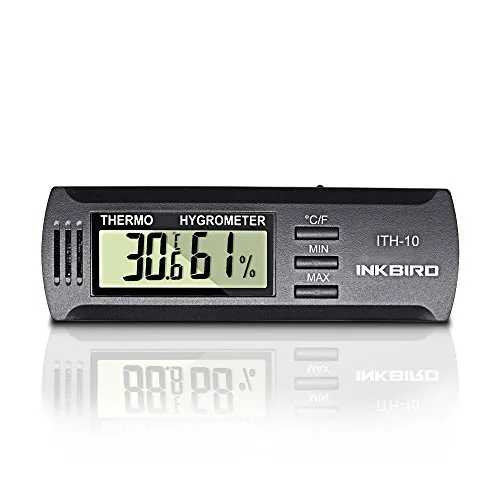
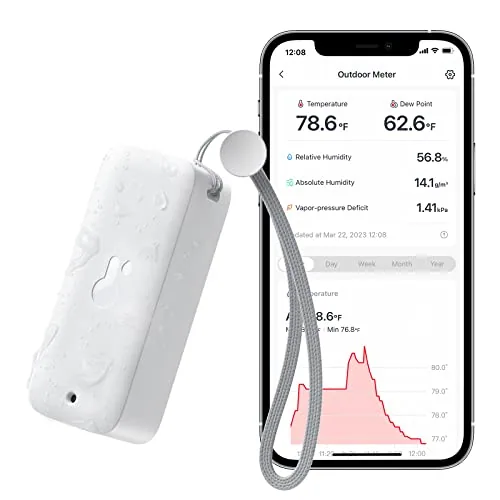
Measure at chick level: UMN says 2 in off the floor at the edge of the heat. Put a second sensor at the cool end. A min/max thermometer shows night-time dips.
- 5. Add feed and water
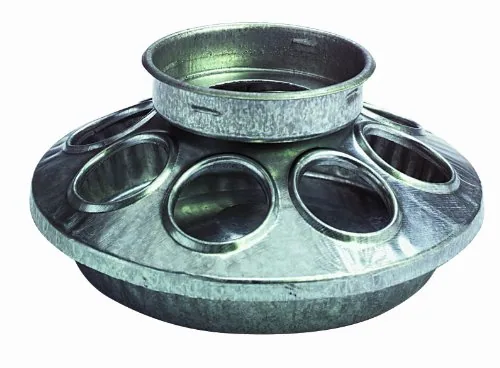
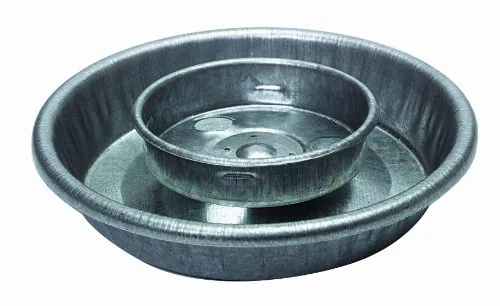
Set the feeder and waterer near, but not under, the heat. Penn State allows 1 in of feeder space per chick in week 1 and about ½ in of waterer space. Use shallow waterers chicks cannot fall into; add marbles for bantams or quail.
- 6. Add a chick guard for floor brooders
In a large room or pen, Penn State suggests a ring of cardboard or panels for the first weeks to keep chicks near the heat and out of corners.
- 7. Run it for 24 hours
UMN: start the brooder the day before chicks arrive. Check that the temperature holds through the night.
What temperature should the brooder be?
Brooder temperature at chick level, under the heat source
| Chick age | °F | °C | Floor space per chick |
|---|---|---|---|
| Week 1 | 92–95°F | 33–35°C | ¼ sq ft |
| Weeks 2–3 | 85–90°F | 29–32°C | ½ sq ft |
| Weeks 3–5 | 80–85°F | 27–29°C | ¾ sq ft |
| Weeks 5–8 | 70–80°F | 21–27°C | 1 sq ft |
| Week 8 on | Room temperature | — | 1½ sq ft, more for large breeds |
Source: Penn State Extension, Brooding of Domestic Fowl. Watch the chicks too: huddled under the heat means cold, crowded at the edges means too hot.
Penn State's targets are measured at chick level under the heat. With a heat plate, the area under the plate does the work, so watch the chicks rather than the air temperature. Chicks spread out and active: comfortable. Huddled under the heat: cold. Pressed to the far edges, panting: too hot. Bunched on one side: check for a draft.
Brooder temperature chart by weekSee this week's brooder temperature from the hatch date, in °F or °C.Brooder fire safety
Fire marshals in several states have warned about heat-lamp coop and brooder fires. The Clark County (WA) fire marshal and Penn State Extension point to the same handful of rules:
Keep a smoke alarm in the room, and do not put a brooder lamp near stored hay, straw or fuel.
Brooder setup mistakes to avoid
- Heating the whole box. Chicks need a cool side to move to.
- A brooder sized for day 1. By week 3 they need twice the space.
- Waterer under the lamp. Warm water and wet litter breed bacteria.
- Clamp-on lamps. A clamp can slip; use a chain or cable.
- Ducklings in a chick setup without changes. Ducklings splash water everywhere; Penn State warns against unsupervised swimming before they are feathered, and against medicated feed for waterfowl.
- Ignoring the room temperature a heat plate needs.
- No backup plan for a power cut. Know how you would keep chicks warm overnight.
Once the brooder is running, follow how to raise baby chicks, week by week. More brooders, plates and chick feeders are in the chicks and brooding hub and best chick brooders; hatching at school? See the hatching project hub.
Use a brooder sized for 1 sq ft per chick by week 5, a heat plate rated for your batch at one end, 2–3 in of dry shavings with paper towels on top for the first days, and feed and water off to the side. If you choose a lamp, chain it, guard it and keep it 20 in from anything that burns.
Questions
What do you need for a chick brooder?
How big should a brooder be for 10 chicks?
What is the best bedding for a chick brooder?
How many chicks can go under one heat plate?
How high should a heat lamp be over chicks?
Can I keep a brooder in the garage?
Sources
- Penn State Extension, Brooding of Domestic Fowl
- University of Minnesota Extension, Raising layer chicks and pullets
- University of Minnesota Extension, Caring for chickens in cold weather (never hang a heat lamp by the cord)
- Clark County (WA) Fire Marshal, Safety tips to prevent a chicken coop fire
- CDC Healthy Pets, Backyard Poultry