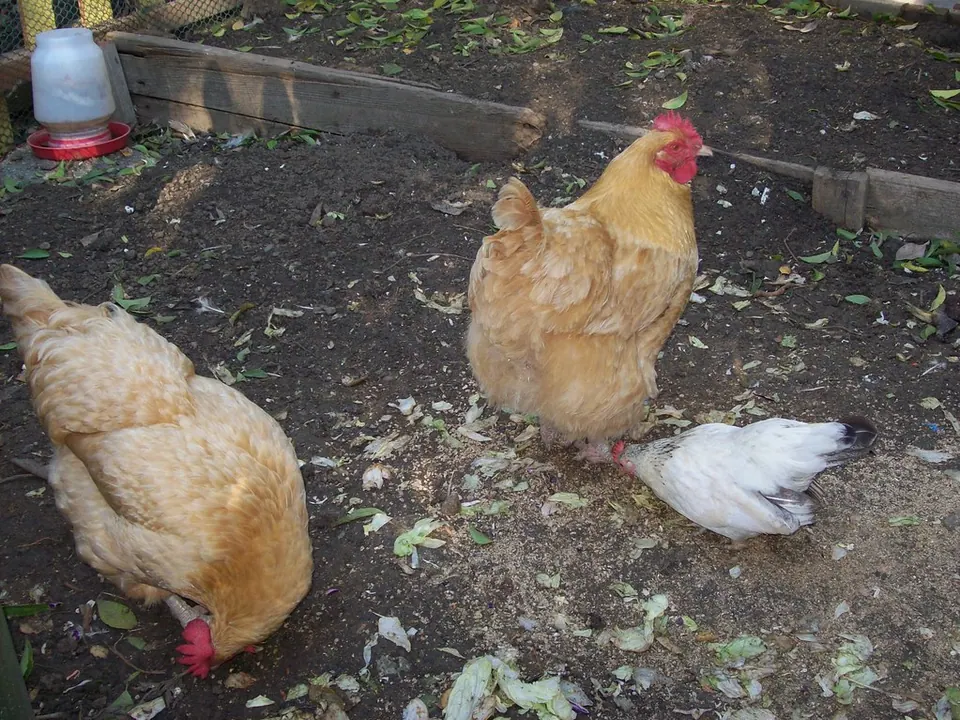
- Check your city, county and HOA rules first: many towns cap hen numbers, ban roosters or need a permit.
- Start with 3–6 hens. Chickens are social, and a small flock fits most backyards and budgets.
- Size the coop by published norms, not by the listing: Penn State gives 1.5 sq ft per laying hen inside as a minimum, UMN suggests 3–5 sq ft.
- A laying hen eats about ¼ lb of feed a day (extension figures) and needs clean water all the time.
- Wash hands after every visit, keep birds out of the house and keep children under 5 from handling chicks (CDC).
If you want to know how to start raising chickens, the short answer is: plan the coop and the rules before you buy a single bird. Chicks grow fast. A box of fluff on the kitchen counter turns into six full-size hens that need a predator-resistant house, a run, daily care and someone to look after them when you travel.
This guide walks through a first year in order: legal checks, flock size, how to get birds, what to set up, space, feed, health and the routine that keeps it all running. The numbers come from extension services (Penn State, University of Minnesota, Mississippi State) and from CDC and USDA guidance, so you can check every figure at the source.
Are backyard chickens allowed where you live?
Start here, because everything else depends on it. Rules for backyard poultry are set locally, and they differ from one town to the next, sometimes from one street to the next. The University of Minnesota notes that many cities require a permit, some prohibit poultry entirely and some cap the number of animals you can keep.
You do not need a rooster for eggs. Hens lay without one; a rooster only matters if you want fertile eggs to hatch. Since many city codes ban roosters, most first flocks are hens only. UMN also advises ordering sexed pullet chicks for that reason.
How many chickens should a beginner start with?
Chickens are flock birds and do poorly alone, so plan on at least three. Most first-time keepers do well with 3–6 hens: enough eggs for a family, small enough for a modest coop and a few minutes of chores a day. UMN puts a hen's output at around six eggs a week at her best, with production peaking in the first two years and dropping after that.
Before you settle on a number, run it through the coop size calculator and read how many chickens should I get? It covers eggs per week, space and the famous "chicken math" that turns three hens into twelve.
Should you start with chicks, pullets or adult hens?
There are three ways to get birds, and each changes what you need to buy first. Live chicks and started birds come from hatcheries and local feed stores (many feed stores sell chicks in spring), not from the product links on this site.
Three ways to start a flock
| Start with | Age | Extra gear | Eggs begin | Good for |
|---|---|---|---|---|
| Day-old chicks | 1–2 days | Brooder, heat plate, chick feeder and waterer, starter feed | About 20 weeks (UMN) | Families who want tame birds and the full experience |
| Started pullets | 16–18 weeks (Penn State budgets) | Coop and run only | Within weeks | People who want eggs sooner and skip brooding |
| Adult hens | 1 year + | Coop and run only | Right away, if healthy and in lay | Rehoming birds; check health and quarantine |
| Hatching eggs | Day 0 | Incubator, candler, then a brooder | About 21 days to hatch + 20 weeks | Classroom or family hatch projects; expect roosters |
Source: UMN Extension; Penn State Extension; MSU incubation table
Chicks are the most popular start, but they mean eight weeks of brooding indoors or in a garage. If that is your route, read how to raise baby chicks, week by week and how to set up a brooder. Hatching eggs bring a 50/50 mix of roosters and hens, which is a problem in towns that ban roosters.
What do you need before the chickens arrive?
Buy and set up the hardware in this order. Each step lists gear from several brands, picked by the specs a beginner needs, not by price.
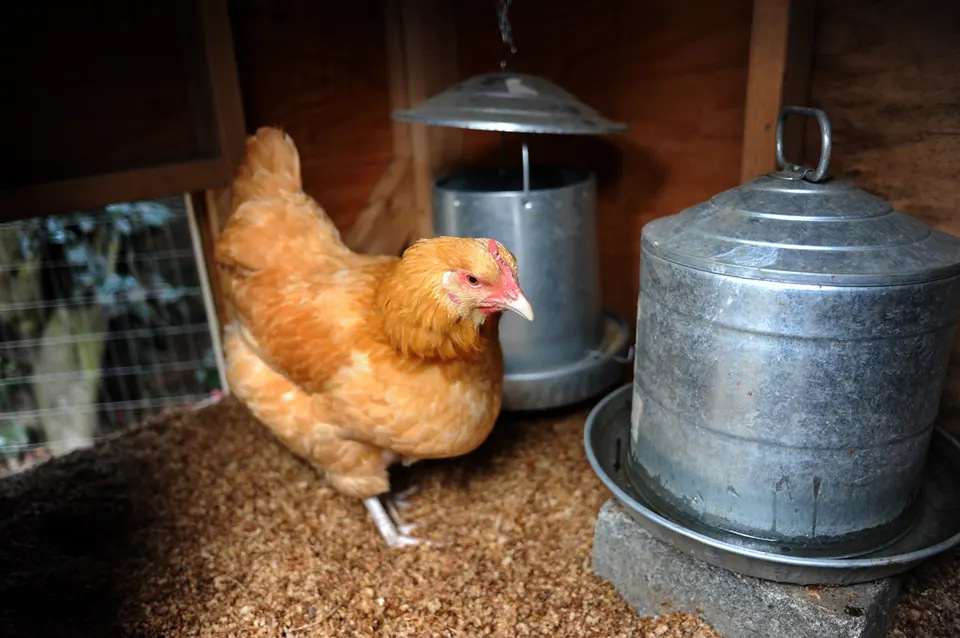
- 1. A coop sized for your flock
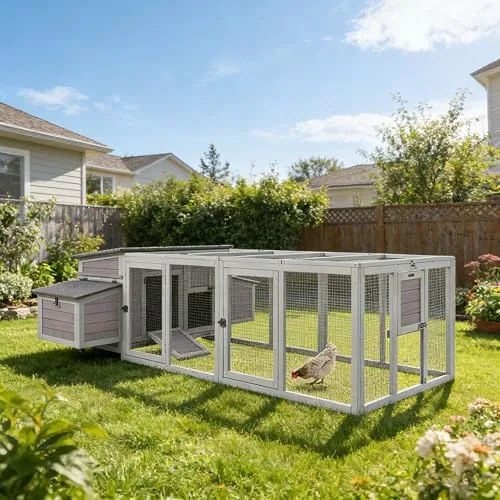
Look for a listed inside floor area you can check against the norms below, solid predator latches, a nest box for every 4–5 hens (UMN) and roosts 18–24 in off the floor (Penn State). Prefabs are often listed for more hens than published norms allow, so recount before you buy.
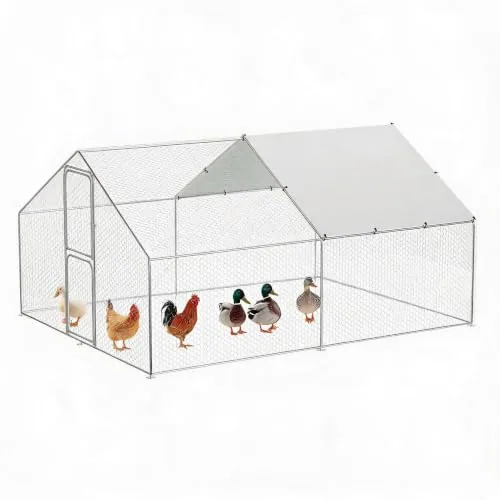
- 2. A covered, wired run
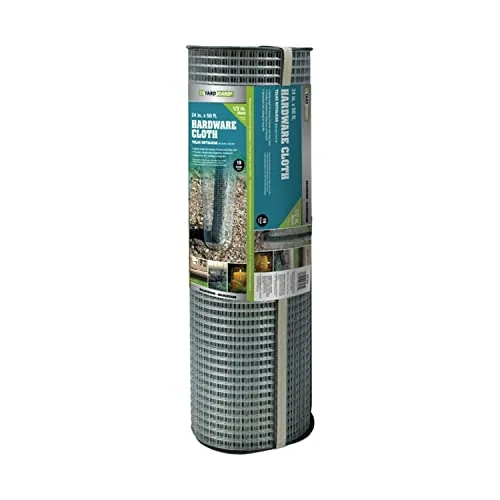
Hawks hunt by day and raccoons by night. Penn State advises covering runs with mesh or netting and burying fence wire at least 12 in deep. Hardware cloth beats chicken wire on the openings that matter.
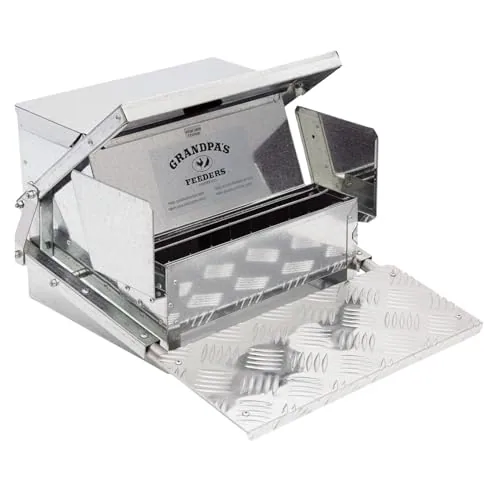
- 3. A feeder that limits waste and rodents
A treadle or port feeder holds days of feed and closes off the trough between meals. Hang or raise any feeder to the height of the hens' backs.
- 4. A waterer you can clean easily
UMN stresses constant access to clean water. A 2–3 gallon drinker suits a small flock; plan a heated base or heated waterer if you get hard freezes.
- 5. Layer feed, grit, oyster shell and bedding
Laying hens need a complete layer feed, with oyster shell and grit offered on the side (UMN). Pine shavings are the usual starter bedding.
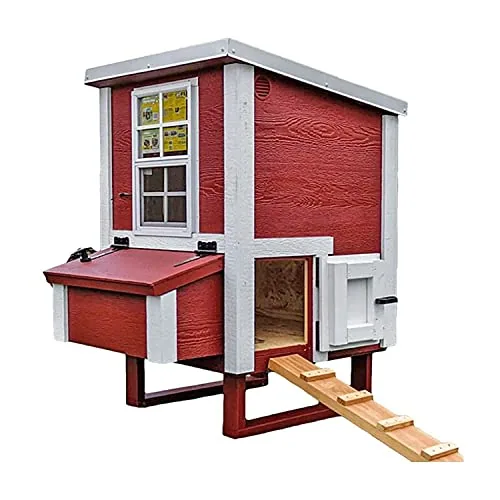
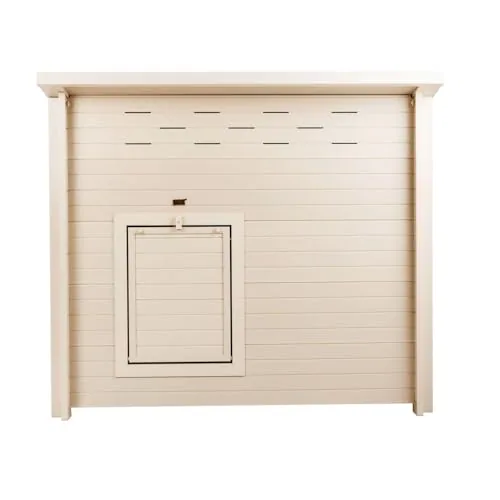
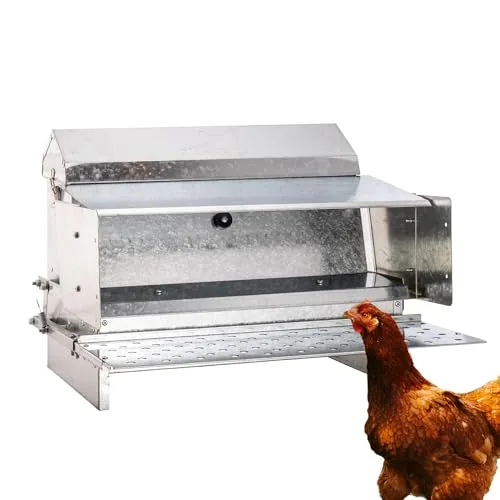
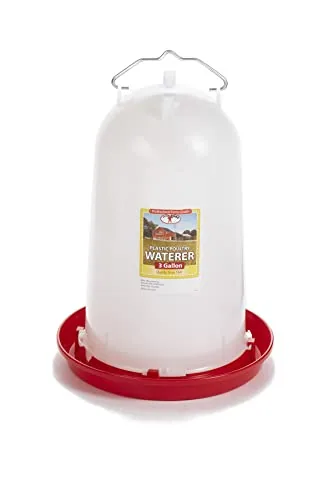
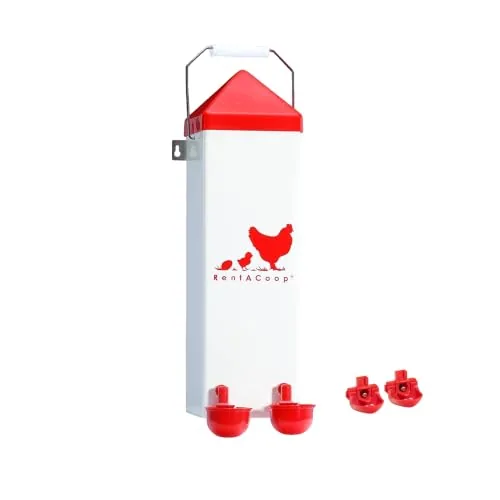
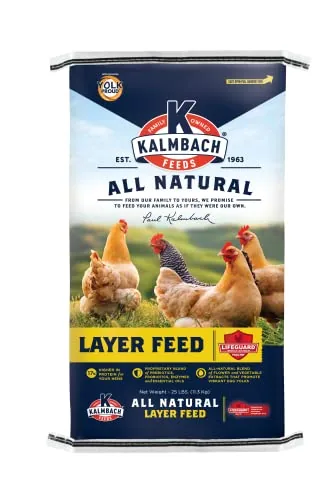
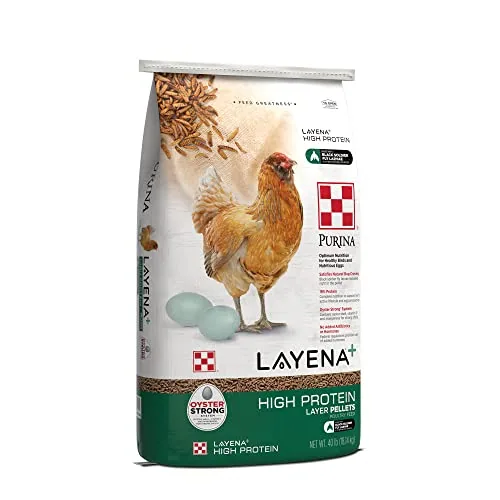
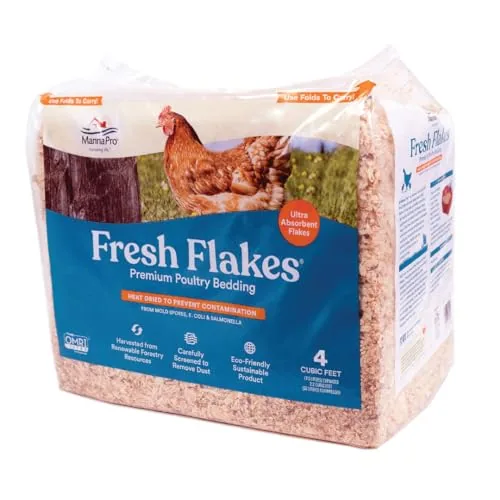
Shopping by category is easier from the hubs: coops, feeders and waterers and the first flock collection. For side-by-side picks, see the best chicken coops and best chicken feeders.
How much space do backyard chickens need?
Space advice varies a lot, from 1.5 to 10 sq ft per bird, because people mean different things by "enough". The table below shows the three numbers you will meet most often, side by side, with their sources. Penn State's figure is a floor for confined birds, UMN's 3–5 sq ft is a comfortable indoor target, and the 4 + 10 rule is a popular hobby guideline.
Space per bird, square feet: inside the coop / in the run
| Birds | Penn State | UMN | 4 + 10 rule |
|---|---|---|---|
| Standard laying hens | 1.5 / 8 | 3–5 / — | 4 / 10 |
| Large breeds | 2 / 10 | 3–5 / — | 4 / 10 |
| Bantams | 1 / 4 | 3–5 / — | — |
| Ducks | 3 / 15 | — | — |
| Geese | 6 / 18 | — | — |
| Quail | 1 / 4 | — | — |
Sources: Penn State Extension, Small-Scale Poultry Housing, Table 1 (Minimum Space Requirements for Poultry); University of Minnesota Extension, Raising chickens for eggs (“a minimum of 3 to 5 square feet of indoor space per bird”); Widely repeated hobby guideline (4 sq ft inside, 10 sq ft in the run per standard chicken), e.g. GRIT, Chicken Coop Space Requirements. — = not given by that source.
For a first flock of four standard hens, that works out to at least 6 sq ft inside by Penn State, 12–20 sq ft by UMN, or 16 sq ft by the 4 + 10 rule, plus a run. When in doubt, buy the next size up: crowded hens peck each other, foul their bedding faster and lay less. The coop size guide recounts real listings against these norms.
Coop size calculatorEnter your birds and the coop's inside floor to see each norm side by side.What do chickens eat, and how much?
A complete layer feed is the whole diet for a laying hen. Treats and kitchen scraps should stay small so they do not dilute the protein and calcium in the feed. Penn State's small-flock guide says layer feed should contain at least 16% crude protein and 3.5% calcium.
Chicks eat chick starter (18–20% protein, per Penn State) for the first 6–8 weeks, then grower, then layer feed around 20 weeks or at the first egg. Do not feed layer feed to young chicks: the extra calcium is meant for hens that are laying. To see what a dozen eggs costs you in feed, use the feed and egg cost calculator with your local bag price.
How do you keep your family and flock healthy?
Healthy-looking birds can still carry germs. Two public-health rules apply to every backyard flock, and both are simple habits.

For any bird that looks ill (lethargic, fluffed up, not eating, unusual droppings), separate it and contact a veterinarian or your state poultry lab. Avoid treating with medicines you have on hand: few drugs are approved for laying hens, and the label's egg-withdrawal time matters.
What does a chicken-keeping routine look like?
Chicken keeping is a little every day and a bigger job a few times a year. UMN lists the daily core: feed, fresh water, open the coop in the morning and close it at dusk, and collect eggs, ideally twice a day.
A simple care routine
| How often | Jobs |
|---|---|
| Daily | Check feed and water; let birds out and lock them in at dusk; collect eggs; quick look at every bird |
| Weekly | Clean waterers; top up or change bedding; check latches, wire and the run cover |
| Monthly | Look for mites and lice at night; check roosts and nest boxes; restock grit and oyster shell |
| Seasonally | Deep-clean the coop in spring and fall (UMN); prep heated water before freezes; shade and airflow before summer |
Source: University of Minnesota Extension, Raising chickens for eggs
The printable flock care checklist keeps track of these jobs, and the seasonal calendar tells you what matters this month. An automatic coop door can handle the dusk lock-up on late evenings; compare options in best automatic chicken coop doors.
Beginner mistakes to avoid
- Buying chicks before the coop is ready. Brooded chicks need a finished, predator-resistant coop at about 6–8 weeks.
- Trusting a listing's hen count. Check the inside floor against Penn State or UMN figures instead.
- Chicken wire as predator protection. It keeps chickens in, not raccoons out. Use hardware cloth on openings and the lower run walls.
- Skipping the local-rules check. Rehoming birds after a complaint is hard on everyone.
- Too many treats. Scraps dilute a balanced layer feed; keep them small.
- Closing every vent in winter. Damp air, not cold, drives frostbite (UMN). Keep high vents open.
- Unsecured heat lamps. Fire marshals link heat lamps to coop fires. Use a heat plate, or a lamp secured with a chain at least 20 in from bedding (Penn State).
Start small, start legal and start with the coop. Three to six hens in a properly sized, predator-resistant coop with a good feeder and waterer is a manageable first setup. Add birds later, once you know how much space and time you really have.
Questions
How do I start raising chickens as a complete beginner?
Do I need a rooster for my hens to lay eggs?
How long until backyard chickens start laying?
How much space do 4 chickens need?
Are backyard chickens a lot of work?
Can backyard chickens make my family sick?
Sources
- University of Minnesota Extension, Raising chickens for eggs
- University of Minnesota Extension, Raising layer chicks and pullets
- Penn State Extension, Small-Scale Poultry Housing
- Penn State Extension, Small-scale egg production (organic and conventional)
- Alabama Cooperative Extension, Nutrition for backyard chicken flocks (ANR-1317)
- CDC Healthy Pets, Backyard Poultry
- USDA APHIS, Defend the Flock
- USDA APHIS, Confirmed HPAI detections in commercial and backyard flocks
- University of Minnesota Extension, Caring for chickens in cold weather