- Pine shavings vs hemp vs sand: Penn State Extension says pine shavings provide the best litter, but any absorbent, low-dust material will do; keep it 3–4 inches deep and remove wet litter.
- Hemp is sold as low dust and more absorbent: Eaton Pet & Pasture lists about 2× the absorbency of pine shavings (a maker claim).
- Sand does not absorb; it drains. A University of Georgia broiler study found sand comparable to pine shavings in field trials but harder to keep warm for cold-weather brooding.
- The deep litter method needs a carbon bedding such as shavings or hemp, not sand. UMN describes starting with about 4 inches and building up to 12–15 inches.
- Wash hands after handling bedding: poultry droppings can carry Salmonella (CDC).
Pine shavings vs hemp vs sand is a debate in every chicken keeping forum, and each camp has a point. Shavings are cheap, easy to find and compost well. Hemp is the newer option, sold as softer, lower in dust and more absorbent. Sand is a different idea altogether: instead of soaking up moisture, it lets it drain while you sift out droppings.
This comparison uses what each bedding listing states (material, bag size and the maker’s absorbency claims) and what extension sources say about litter. We did not bed a coop with these products. Absorbency figures below are the makers’ own and are labeled as claims.
Pine and wood shavings
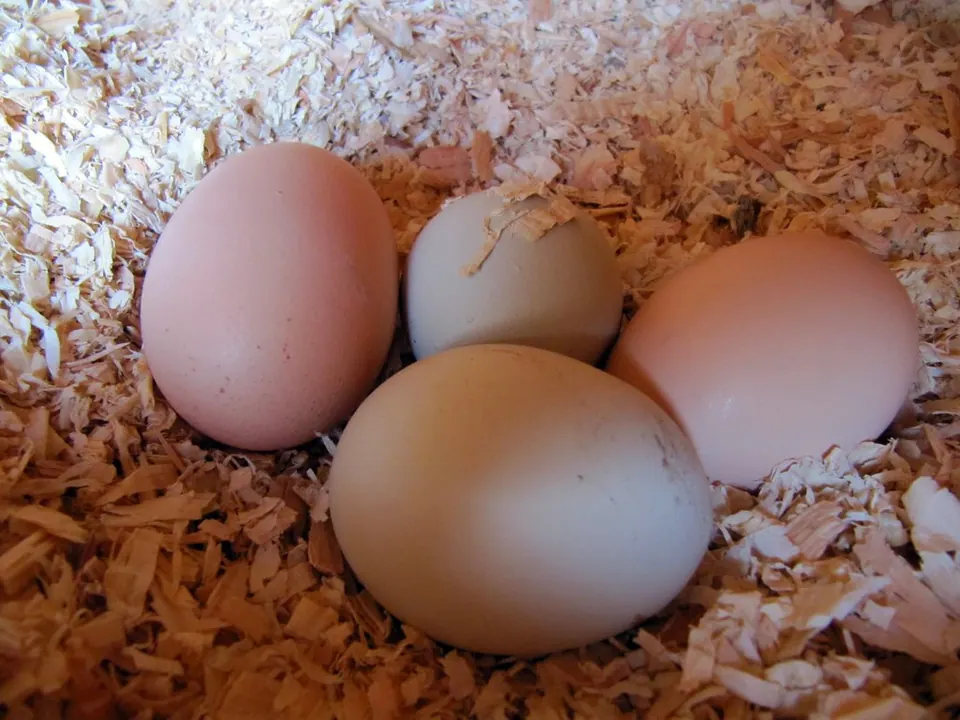
The extension standard: absorbent, low dust, compostable and the classic base for deep litter
BrowsePicks from each side
Pine and wood shavings
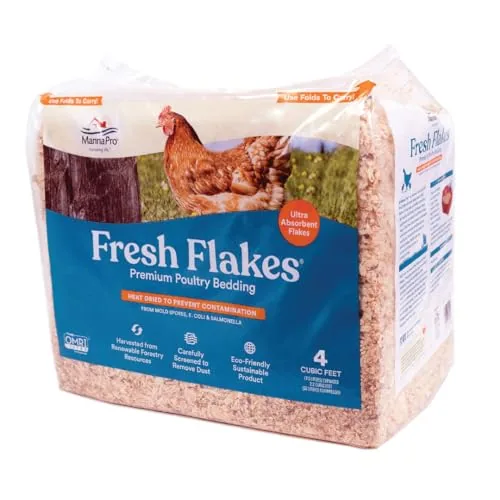
Manna Pro Fresh Flakes Pine Shavings, 4 cu ft
- Size
- 4 cu ft
- Material
- Pine shavings
Best for Everyday coop bedding
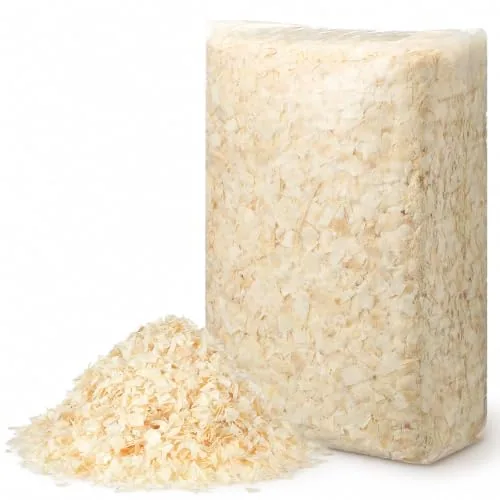
Woanger Poplar Wood Flake Coop Bedding, 10 lb
- Size
- 10 lb compressed
- Material
- Poplar wood shavings
Best for Small coops
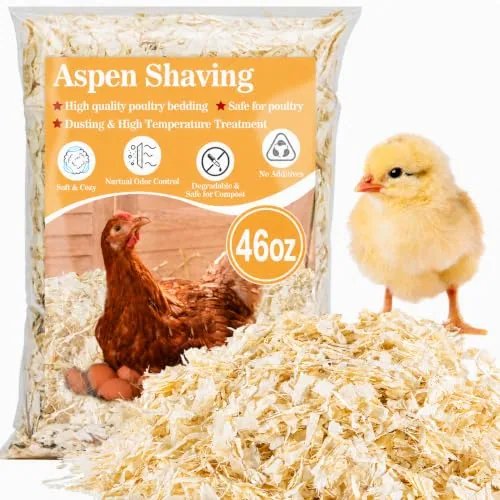
Sukh Aspen Shavings Coop Bedding, 48 oz
- Size
- 48 oz (title); 31 oz (size field)
- Material
- Aspen shavings
Best for Nest boxes and brooders
Hemp bedding
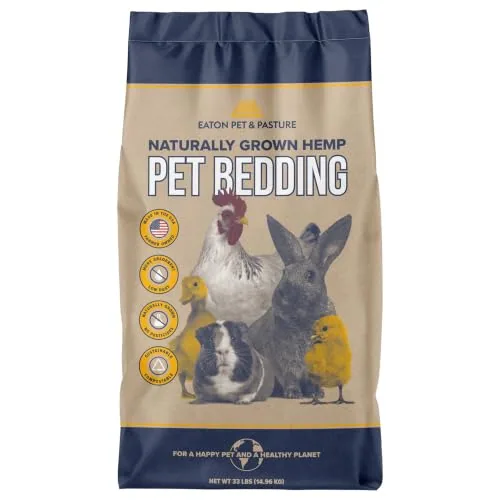
Eaton Pet & Pasture Hemp Bedding, 33 lb
- Size
- 33 lb
- Material
- Hemp
Best for Coop floors and nest boxes
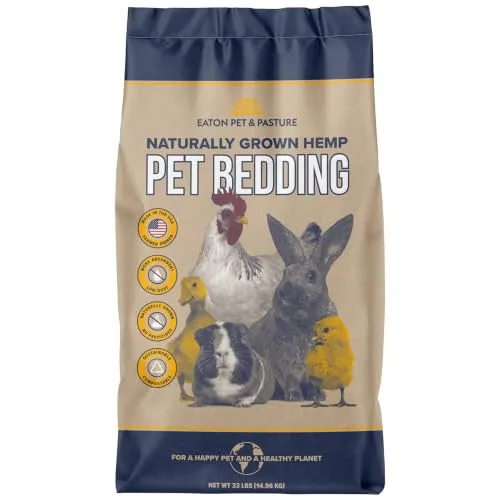
Eaton Pet & Pasture Hemp Bedding, 8 lb
- Size
- 8 lb
- Material
- Hemp hurd
Best for Brooders and small coops
Pine shavings vs hemp vs sand: side by side
Bedding materials compared
| Pine shavings | Hemp | Sand | |
|---|---|---|---|
| How it handles moisture | Absorbs | Absorbs (maker: about 2× pine) | Drains; does not absorb |
| Extension view | ✓ “Best litter” (Penn State) | ~ Fits Penn State’s “absorbent, minimal dust” test | ~ Comparable to pine in a UGA broiler study |
| Dust | ~ Low-dust versions sold | ✓ Sold as low dust | ~ Washed, screened sand is sold |
| Deep litter method | ✓ Classic base | ✓ Works as a carbon bedding | ✗ No composting |
| Cleaning style | Spot-clean wet areas, top up | Spot-clean, top up | Sift droppings with a scoop |
| Cold-weather brooding | ✓ Insulates | ✓ Insulates | ✗ Harder to keep floors warm (UGA) |
| Weight to haul | ✓ Light | ✓ Light | ✗ Heavy (200 lb in four 50 lb bags) |
| Compostable | ✓ | ✓ | ✗ Sand does not break down |
Source: Penn State Extension; University of Georgia, Litter Quality and Broiler Performance; product listings
Bedding products, as listed
| Product | Material | Size |
|---|---|---|
| Manna Pro Fresh Flakes Pine Shavings, 4 cu ft | Pine shavings | 4 cu ft |
| Woanger Poplar Wood Flake Coop Bedding, 10 lb | Poplar wood shavings | 10 lb compressed |
| Sukh Aspen Shavings Coop Bedding, 48 oz | Aspen shavings | 48 oz (title); 31 oz (size field) |
| Eaton Pet & Pasture Hemp Bedding, 33 lb | Hemp | 33 lb |
| Eaton Pet & Pasture Hemp Bedding, 8 lb | Hemp hurd | 8 lb |
| Sun Joe Coarse Chicken Coop Sand, 50 lb x4 | Washed, screened coarse sand | 4 x 50 lb |
| Sunstead SunBed Sunflower Hull Coop Bedding, 22 lb | Sunflower hulls | 22 lb, 2 cu ft |
Specs as listed by the maker or seller; check the listing before you buy.
What do extension sources recommend?
Penn State Extension’s guidance for laying flocks is short and clear: “Pine shavings provide the best litter, but any absorbent material with minimal dust will do.” It adds to keep litter 3–4 inches deep and remove wet litter as needed. That rule is the fairest way to judge hemp too: if it stays dry and dusts little, it passes.
On sand, the most detailed extension data comes from the broiler industry. University of Georgia’s litter publication lists sand as showing “comparable performance to pine shavings” in field trials, while noting it is “more difficult to maintain suitable floor temperatures during cold weather brooding” and needs time and ventilation to be dry. It calls pine shavings the “preferred litter material”. Broiler houses are not backyard coops, but the trade-offs carry over.
Bedding depth guidance
Inches; upper end of each published figure
Is hemp bedding better than pine shavings?
Hemp makers sell on absorbency and dust. Eaton Pet & Pasture lists its 8 lb hemp hurd bedding at up to 2× the absorbency of pine shavings and calls it low dust; the 33 lb bale listing says twice the absorption of traditional bedding. Those are maker claims, not independent tests, but they fit Penn State’s test of “absorbent with minimal dust”.
Pine’s advantage is that it is everywhere and well understood. Manna Pro lists Fresh Flakes as low dust and low moisture in a 4 cu ft bag. Other wood options include poplar flakes (Woanger, listed as free of added scents) and aspen (Sukh, listed as dust-reduced). If hemp is hard to find locally, a low-dust pine or aspen shaving does the same job.
Sunflower hulls are another alternative: Sunstead lists its SunBed as absorbing up to 436% of its dry weight in independent testing and covering about 20 sq ft at 1 inch deep per 22 lb bag.
Sand in the coop: pros and cons
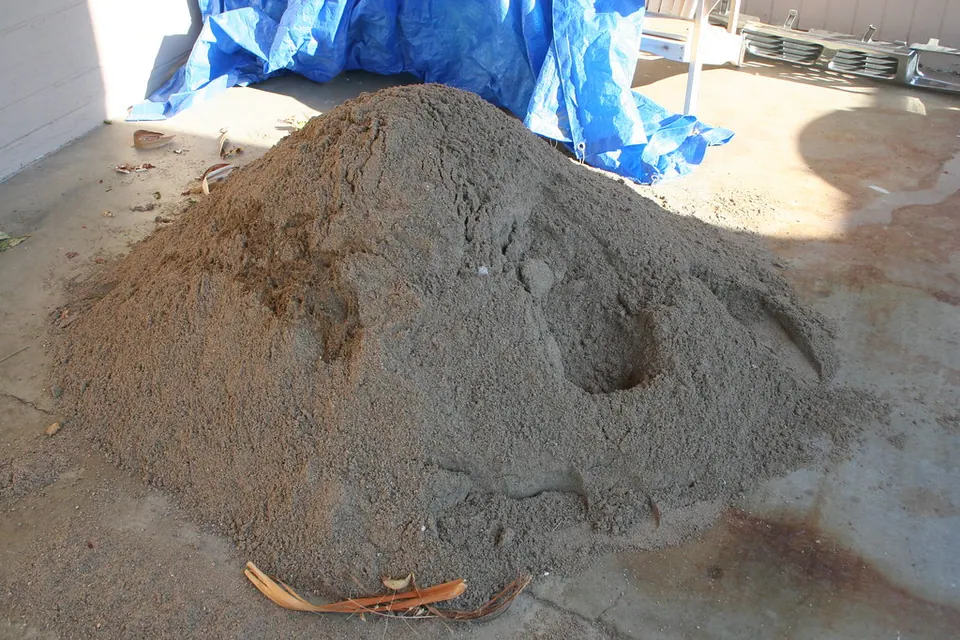
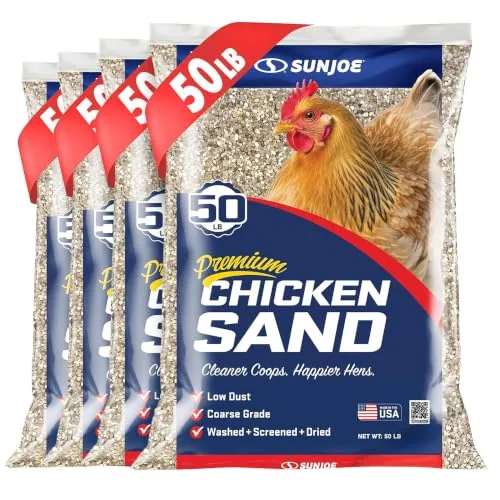
Sand works differently. Coarse, washed sand lets moisture pass through and evaporate, and droppings sit on top where a scoop can sift them out. Sun Joe lists its coop sand as washed, screened, dried and non-clumping, in four 50 lb bags. Hens also use it for dust bathing.
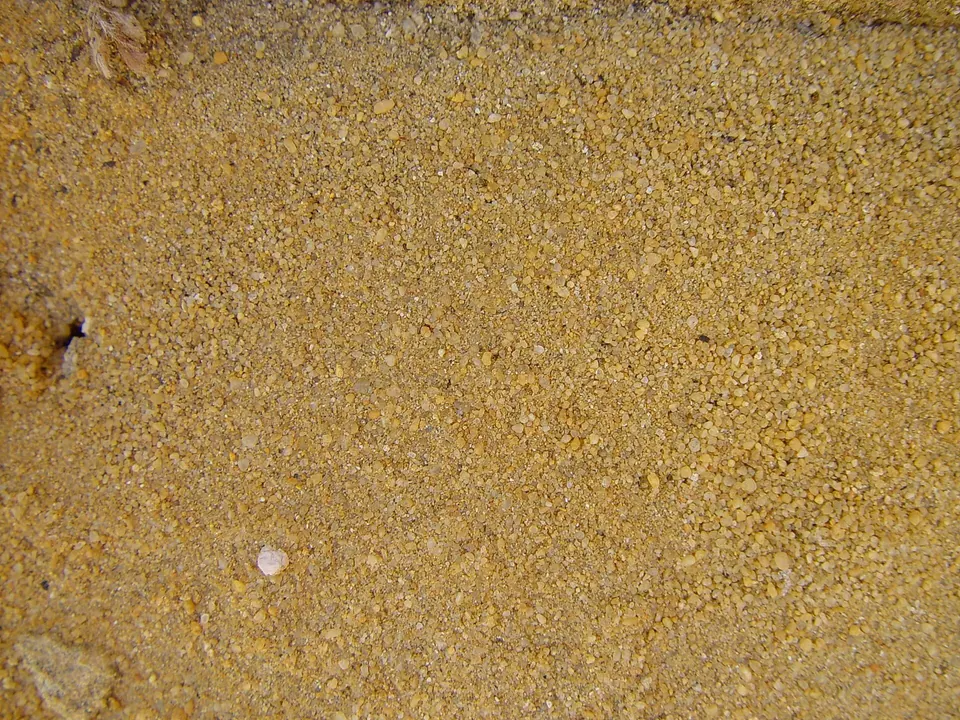
The downsides are weight, cold and composting. Sand is heavy to haul and spread, it can feel cold underfoot in winter (UGA notes it is harder to keep floors warm for brooding), and it does not compost, so it can’t be used for the deep litter method. Sand also needs daily or near-daily sifting to stay clean; left alone, droppings build up in it.
Sun Joe Coarse Chicken Coop Sand, 50 lb x4
- Size
- 4 x 50 lb
- Material
- Washed, screened coarse sand
Best for Sand-floor coops and runs
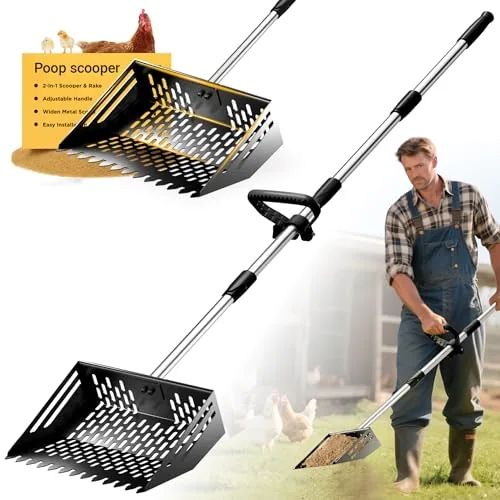
Pugala 5-in-1 Coop Poop Scooper & Rake
- Size
- 10 in head, 24-68 in handle
- Material
- Stainless steel handle, metal head
Best for Cleaning sand or litter floors
Pine, hemp and the deep litter method
The deep litter method lets carbon-rich bedding and droppings compost slowly on the coop floor. University of Minnesota Extension describes starting with about 4 inches of bedding and building it up to 12–15 inches deep over time. Shavings and hemp both work, because they supply carbon; sand does not.
- Start with about 4 inches of dry shavings or hemp on a clean floor.
- Stir or let the hens scratch it in; add fresh bedding on top as it packs down.
- Remove wet patches under waterers right away (Penn State: remove wet litter as needed).
- Watch for ammonia smell: it means the litter is too wet or ventilation is too low.
- Clean out fully when the litter is spent, and compost it before using it on the garden.
More detail is in our deep litter guide. Good airflow is part of the method: read coop ventilation. If you use a zeolite coop refresher such as Sweet PDZ for ammonia, use it per the product label.
Which bedding for chicks?
For the first days in a brooder, a textured liner gives chicks firm footing. Cackle Hatchery lists its aspen excelsior pads as giving better footing and less dust than shavings, with single pads replaced as they get soiled. After that, low-dust pine or hemp works well. Keep bedding dry around the waterer, and see our brooder setup guide.
Who should choose which bedding?
- Pine or other wood shavings: most first flocks, deep litter keepers, cold climates and anyone who wants the extension-standard choice.
- Hemp: keepers who want lower dust and higher absorbency (per the maker) and don’t mind seeking it out; good for deep litter too.
- Sand: warm, dry climates, covered runs, and keepers willing to sift often; not for deep litter or cold-weather brooding.
Mistakes to avoid
- Buying dusty or scented bedding. Penn State’s test is absorbent with minimal dust; choose unscented bedding sold for poultry.
- Leaving wet litter. Penn State says to remove wet litter as needed; wet patches lead to smell and ammonia.
- Trying deep litter on sand. Sand does not compost.
- Using fine play sand. Coop sand is sold coarse and washed so it drains and doesn’t cake.
- Sealing the coop to stop drafts. Moisture needs to escape; keep vents open above the roosts.
See the full bedding list in best chicken coop bedding, the health and cleaning category, and the flock checklist for weekly litter jobs.
Pine shavings remain the safe default: Penn State calls them the best litter, they compost and they underpin the deep litter method. Hemp is a strong upgrade if you want lower dust and the maker-claimed higher absorbency. Sand suits dry climates and keepers who sift often, but it is heavy, cold for brooding and cannot be composted.