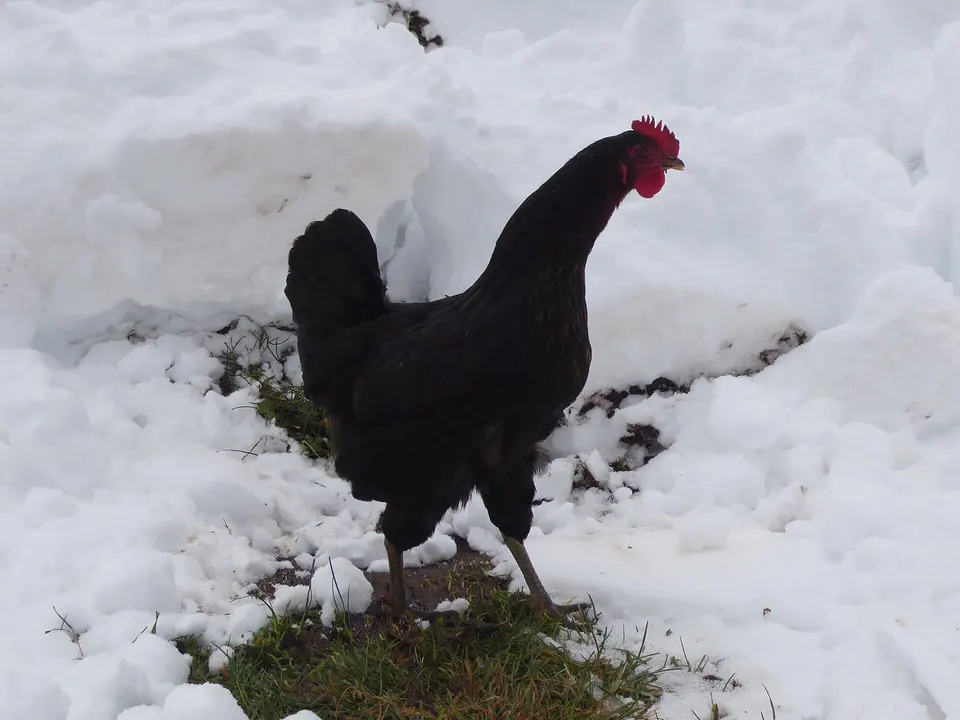
- Keep the coop dry and ventilated: UMN ties frostbite mainly to moisture combined with cold.
- UMN and the University of Arkansas suggest supplemental heat when the coop drops below 35°F, placed at nest-box height or the lowest roost.
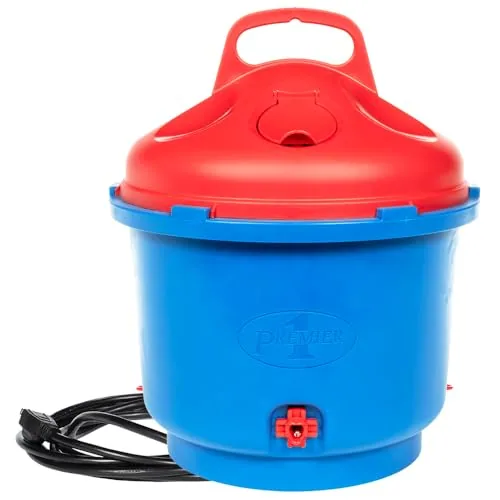
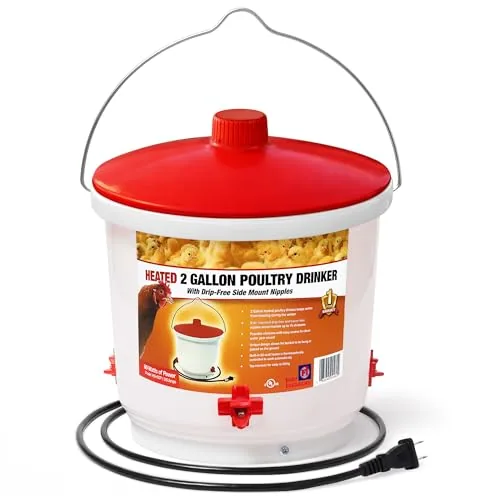
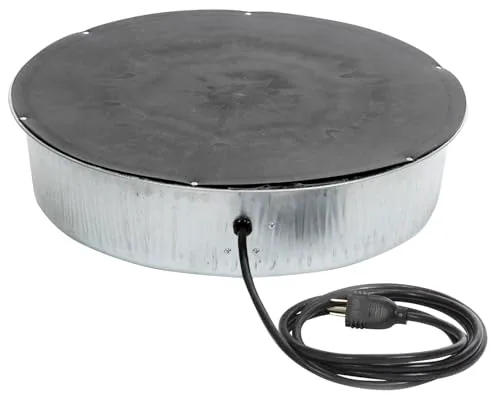
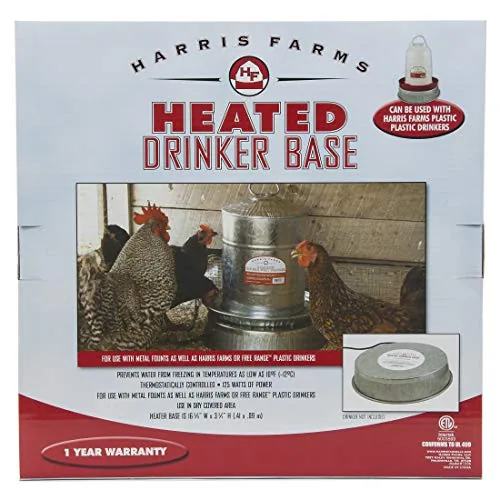
- Water must stay liquid: use a heated waterer or heated base and keep a spare (UMN).
- Expect birds to eat up to 25% more feed in cold weather and give free-access grit (UMN).
- Heat lamps are a leading cause of coop fires: use radiant panels or secured, guarded fixtures, never hung by the cord.
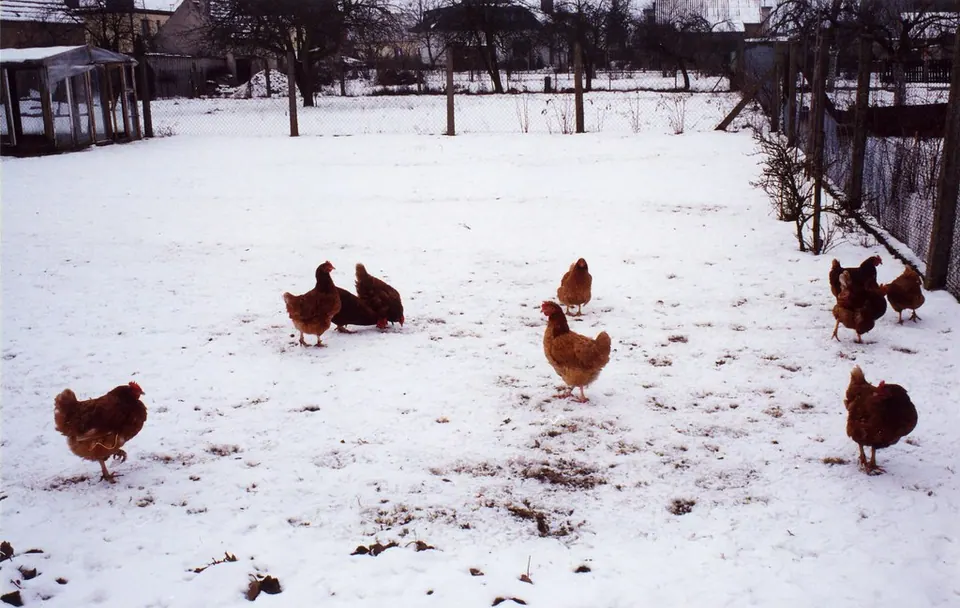
Learning how to keep chickens warm in winter mostly means keeping them dry. A healthy, fully feathered hen fluffs her feathers into a down jacket and tucks her feet under her on the roost. What hurts chickens in winter is damp air, frozen water, drafts at roost level and, too often, an unsafe heat lamp.
This guide lists the winter jobs in order of impact, using the University of Minnesota Extension's cold-weather guide, the University of Arkansas and fire-marshal advice on heat. Whether to add heat is a real question: UMN and Arkansas both suggest supplemental heat below 35°F in the coop, and if you do, it has to be the safer kind, set up to fire-marshal rules.
How cold is too cold for chickens?
UMN notes that most poultry are comfortable between 60°F and 75°F and that a chicken's normal body temperature is about 106°F. Feathers trap that heat well, which is why adult birds handle freezing nights if they are dry and out of the wind. UMN and the University of Arkansas both set a line for adding heat: when coop temperatures drop below 35°F.
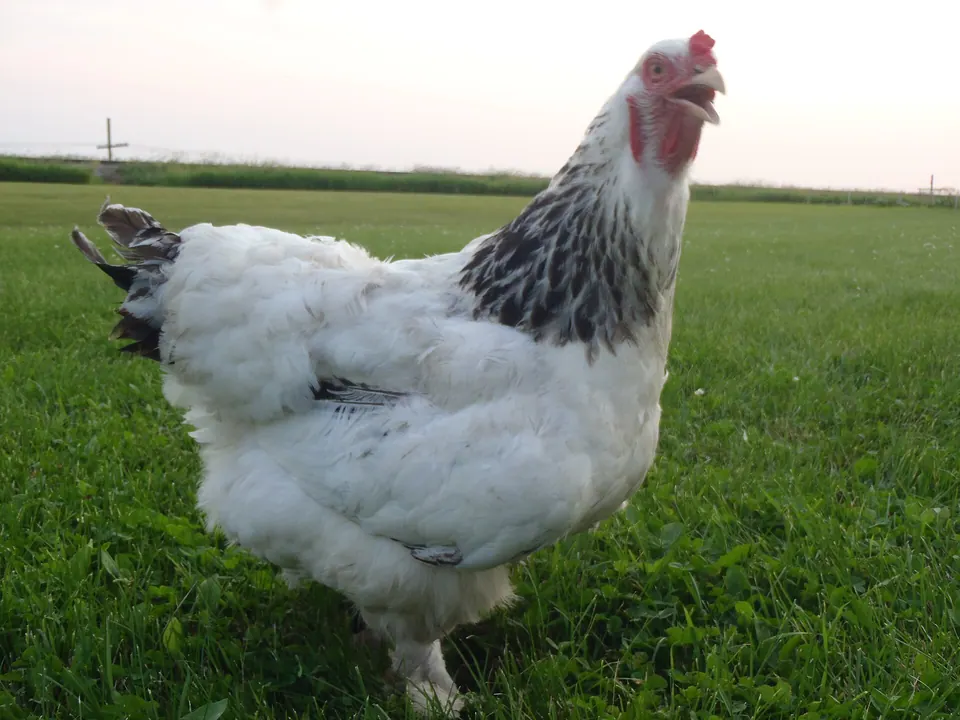
Watch the birds as well as the thermometer. Arkansas lists fluffed feathers and huddling as signs of cold stress. Young birds that are not fully feathered, sick birds and birds in the middle of a molt are much more vulnerable.
How to keep chickens warm in winter, step by step
- 1. Keep the air dry with ventilation
Do not seal the coop. UMN suggests roof vents, a partly open south-facing window and burlap over windows, and says to add airflow if you smell ammonia or see moisture. Close low drafts at roost height. Full detail: chicken coop ventilation.
- 2. Deepen the bedding
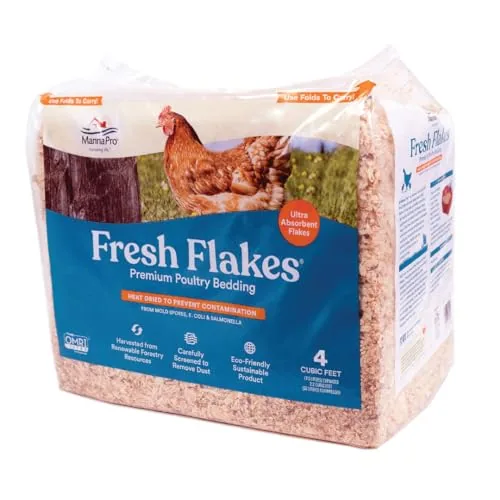
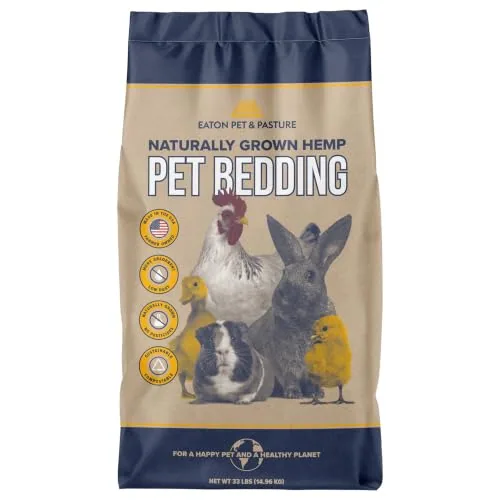
UMN: 4–6 in of straw or shavings, with a 6–8 in kickboard at the door; Arkansas: 4–8 in of shavings adds insulation. Remove wet spots and put droppings trays under the roosts.
- 3. Use wide wooden roosts
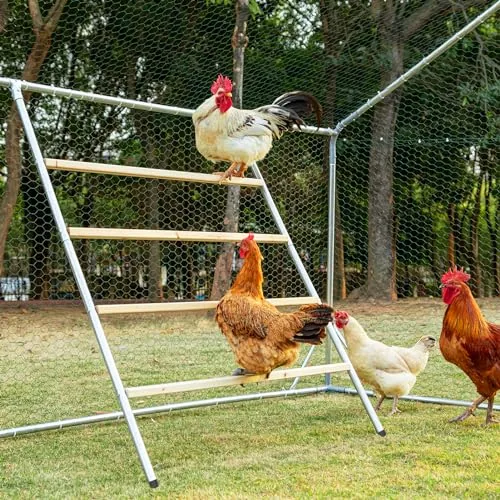
UMN: roosts at least 12 in off the floor, 9 in per bird, made of 2 × 4 or 2 × 2 wood. Metal and plastic hold cold (UMN, Arkansas). A flat 2 × 4 lets hens cover their toes with their feathers.
- 4. Keep water from freezing
UMN: constant access to fresh, unfrozen water, using heated founts, heated bases or partly covered heated dishes, plus a spare waterer.
- 5. Feed a little more
Intake can rise up to 25% in cold weather (UMN). Keep feeders full and give free-access grit all winter. A handful of scratch in the late afternoon is a common habit; keep it small so it does not replace balanced feed.
- 6. Shelter the run
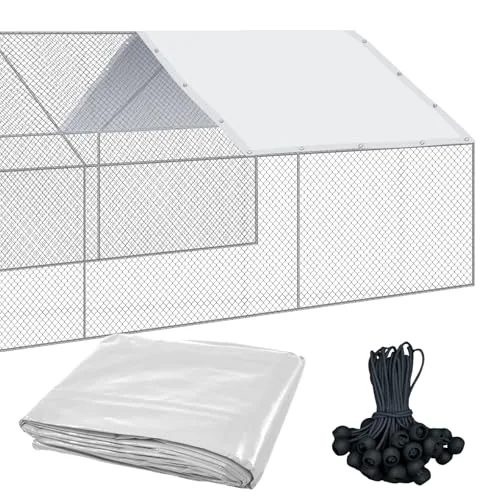
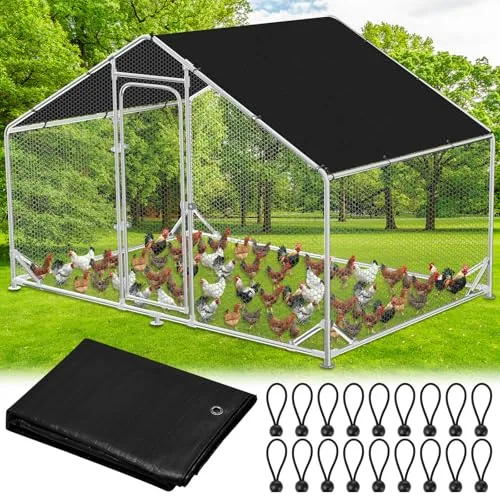
A cover or windbreak on the run keeps snow off and gives birds a dry place to scratch on calm days.
- 7. Collect eggs often
Eggs freeze and crack in a cold nest. Arkansas and UMN both say to collect regularly and discard cracked or frozen eggs.
Do chickens need a heater in winter?
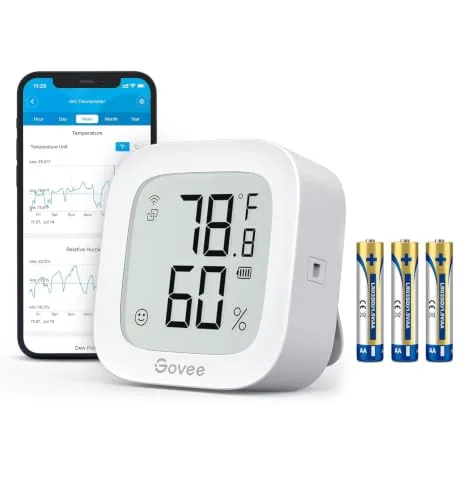
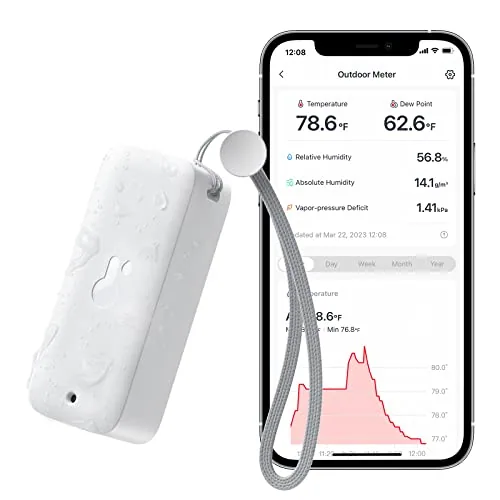
Many healthy, acclimated flocks in mild winters do fine without heat. In colder regions, UMN and Arkansas suggest supplemental heat once the coop falls below 35°F, placed at nest-box height or the lowest roost rung, with a thermometer at each height so you can see what the birds actually feel. Arkansas lists radiant options such as brooder plates or hanging heaters, or an approved heat lamp with a heat bulb, and says to follow all fire-risk warnings and use a thermostat.
The goal is to take the edge off, not to make the coop warm. Big swings between a heated coop and a frigid run can be hard on birds, and a power cut is a bigger shock to birds used to heat. Radiant panels use a fraction of a lamp's wattage and have no exposed hot bulb.
| Product | Wattage | Temperature | Thermostat | Mounting | Safety |
|---|---|---|---|---|---|
| Farm Innovators 2-in-1 Radiant Coop/Brooder Heater | 200 W coop mode; 50 W brooder mode | — | — | Freestanding, wall, hanging or horizontal | ETL listed, thermal protector, zero clearance (as listed) |
| ZEMIRO CHARGE 180W Radiant Coop Heater, 2 Plates | 180 W | 86–167°F, button or remote | — | — | — |
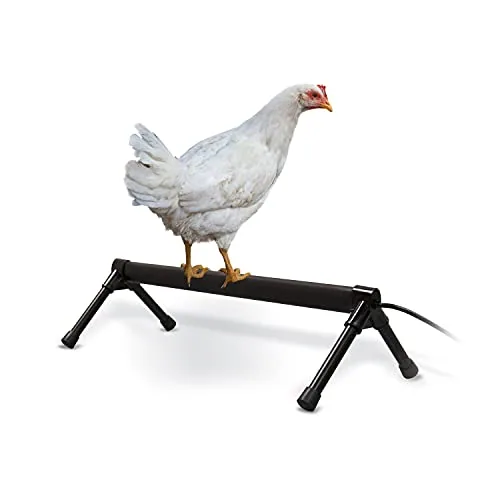
| K&H Thermo-Chicken Heated Perch, 26", 40W | 40 W | — | Dual internal | — | — |
Specs as listed by the maker or seller; check the listing before you buy.
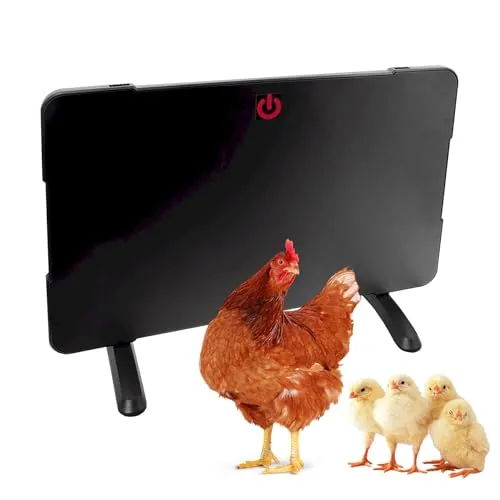
Farm Innovators 2-in-1 Radiant Coop/Brooder Heater
- Wattage
- 200 W coop mode; 50 W brooder mode
- Height adjustment
- 3.5, 5 or 6 in (brooder mode)
- Mounting
- Freestanding, wall, hanging or horizontal
Best for Brooding, then winter coop backup heat
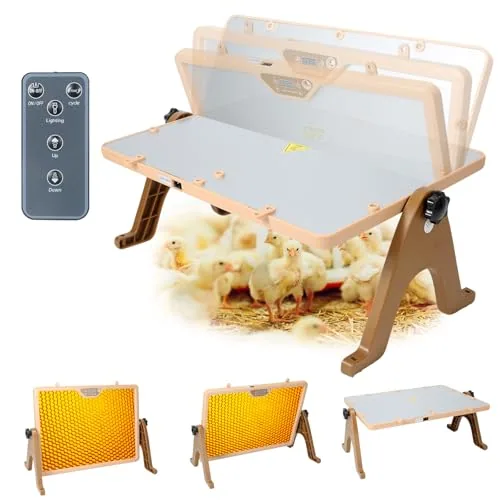
ZEMIRO CHARGE 180W Radiant Coop Heater, 2 Plates
- Wattage
- 180 W
- Temperature
- 86–167°F, button or remote
- Timer
- 6, 8, 10 or 12 h
Best for Spot heat in a small coop
K&H Thermo-Chicken Heated Perch, 26", 40W
- Length
- 26 in
- Wattage
- 40 W
- Thermostat
- Dual internal
Best for Cold-climate coops
Is a heat lamp safe in a chicken coop?
Heat lamps are a well-known cause of coop and barn fires: hot bulbs, dusty coops, dry bedding and birds that knock fixtures loose. State and county fire marshals regularly warn about them each winter.
Heated waterer bases are electrical too. Follow each maker's instructions on placement, keep cords protected from pecking and use a properly rated outdoor outlet.
How do you prevent and spot frostbite?
Frostbite hits the comb, wattles, toes and feet. Arkansas describes affected tissue as blackened or gray and brittle. UMN says it is caused mainly by high moisture combined with cold, so ventilation and dry bedding are the real prevention. Large single-combed breeds such as Leghorns are most exposed; see cold-hardy breeds.
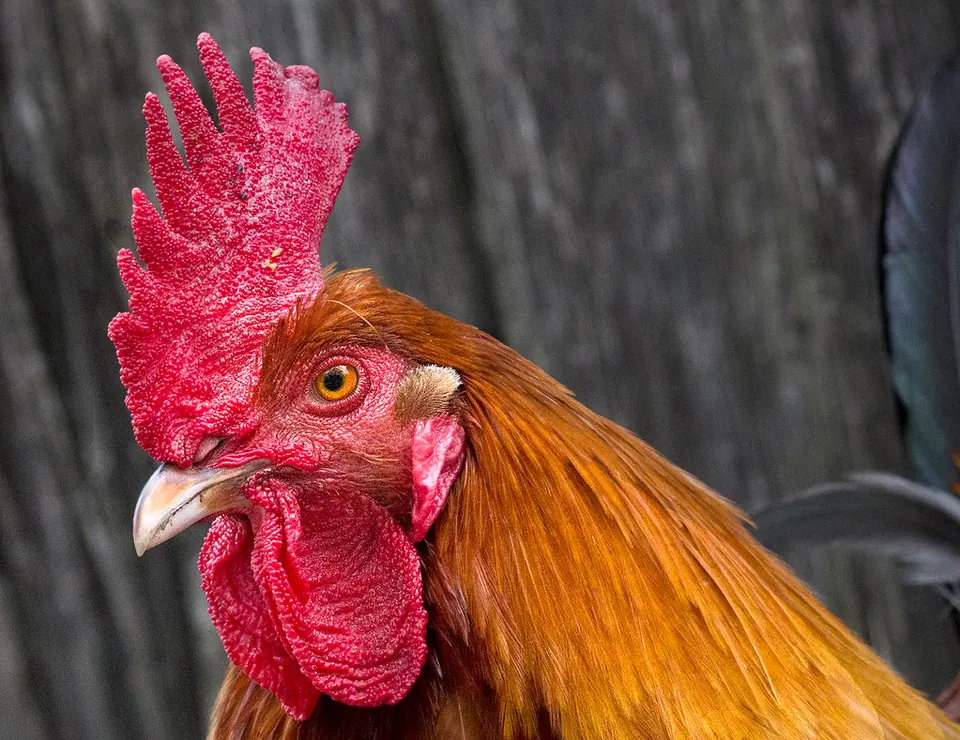
UMN notes that petroleum jelly on combs and wattles can help prevent frostbite but does not treat it. If you see frostbite or signs of infection, contact a veterinarian; do not rub or cut affected tissue.
Winter problems and what to do
| Sign | Likely cause | What to do |
|---|---|---|
| Frost or condensation on walls | Too little ventilation, too many birds | Open high vents, remove wet bedding, check stocking density |
| Ammonia smell | Wet litter, poor airflow | Add ventilation, refresh bedding, droppings trays |
| Dark or gray tips on combs | Frostbite (cold + moisture) | Improve airflow; contact a veterinarian |
| Frozen waterer | No heat source | Heated waterer or base; keep a spare (UMN) |
| Fluffed, huddled birds | Cold stress (Arkansas) | Check drafts, bedding and feed; consider safer heat below 35°F |
| Fewer eggs | Short days, molt | Normal; optional light to about 14 h (UMN) |
Source: UMN Extension; University of Arkansas Cooperative Extension
Should you add light in winter for eggs?
Egg laying slows as days shorten. UMN suggests about 14 hours of light a day if you want winter eggs, adding light before sunrise, not after sunset, so birds can find the roost at dusk, and adjusting timers after December 20 as days lengthen. Lighting is optional: the Merck Veterinary Manual notes that winter light raises winter egg numbers but not the total a hen lays in her life. A low-wattage LED on a timer is enough for a small coop.
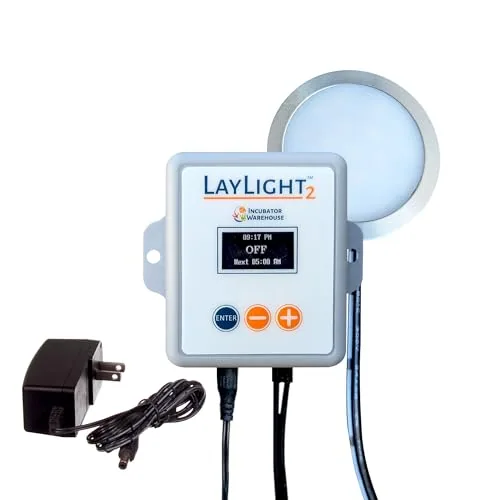
AutoCoop LayLight2 LED Coop Light with Smart Timer
- Power
- Plug-in (mains)
- Trigger
- Programmable timer
- Coverage
- Up to 50 sq ft
Best for Adding winter light to a small coop
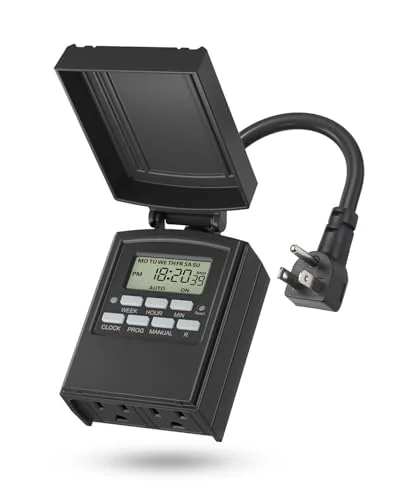
BN-LINK Outdoor 7-Day Programmable Timer, 2 Outlets
- Power
- Mains, 15A/1875W
- Trigger
- 7-day timer, 8 programs
- Outlets
- 2 grounded
Best for Scheduling a plug-in coop light
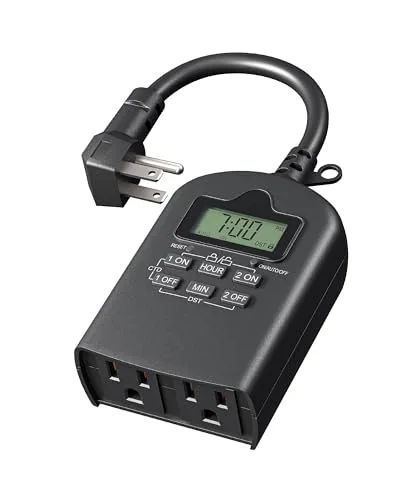
DEWENWILS Outdoor Digital Programmable Light Timer
- Power
- Mains, 15A
- Trigger
- Programmable timer
- Modes
- On/Off/Timer, random
Best for Scheduling plug-in coop lighting
If your hens stopped laying in fall, they may simply be molting; see why are my chickens not laying?
Winter mistakes to avoid
- Sealing every vent. Moisture, not cold, drives frostbite (UMN).
- An unsecured heat lamp hung by its cord or a clamp.
- Metal or plastic roosts. They hold cold (UMN, Arkansas).
- Only one waterer. If it fails on a frozen morning, birds go without; keep a spare.
- Long-term extension cords to the coop (UMN).
- Adding light after sunset. Birds get caught off the roost when it switches off.
- Forgetting the extra feed. Plan for up to 25% more (UMN); see what that costs in the feed and egg cost calculator.
- Wild birds at the feeder. Winter brings migrating waterfowl; USDA APHIS asks keepers to keep wild birds away from feed and water and to report sick birds or unusual deaths to the state veterinarian or 1-866-536-7593.
Winter gear is collected in the winter care hub and feeders and waterers; compare best heated chicken waterers. The seasonal calendar lists this month's jobs.
Keep the coop dry and ventilated, bedding deep, roosts wooden and wide, and water liquid with a heated waterer or base. Add heat only when the coop falls below about 35°F, and then use a radiant panel or a fully secured, guarded fixture, never a lamp hanging by its cord.
Questions
How do I keep my chickens warm in winter without electricity?
At what temperature do chickens need heat?
Is a heat lamp safe for chickens in winter?
How do I keep chicken water from freezing?
How do I prevent frostbite on chicken combs?
Do chickens need light in winter to lay?
Should I close the coop vents in winter?
Sources
- University of Minnesota Extension, Caring for chickens in cold weather
- University of Arkansas Cooperative Extension, Cold weather and backyard poultry (2024)
- Penn State Extension, Brooding of Domestic Fowl (heat source 20 in from flammables)
- Clark County (WA) Fire Marshal, Safety tips to prevent a chicken coop fire
- Merck Veterinary Manual, Laying and reproduction in backyard poultry
- USDA APHIS, Defend the Flock