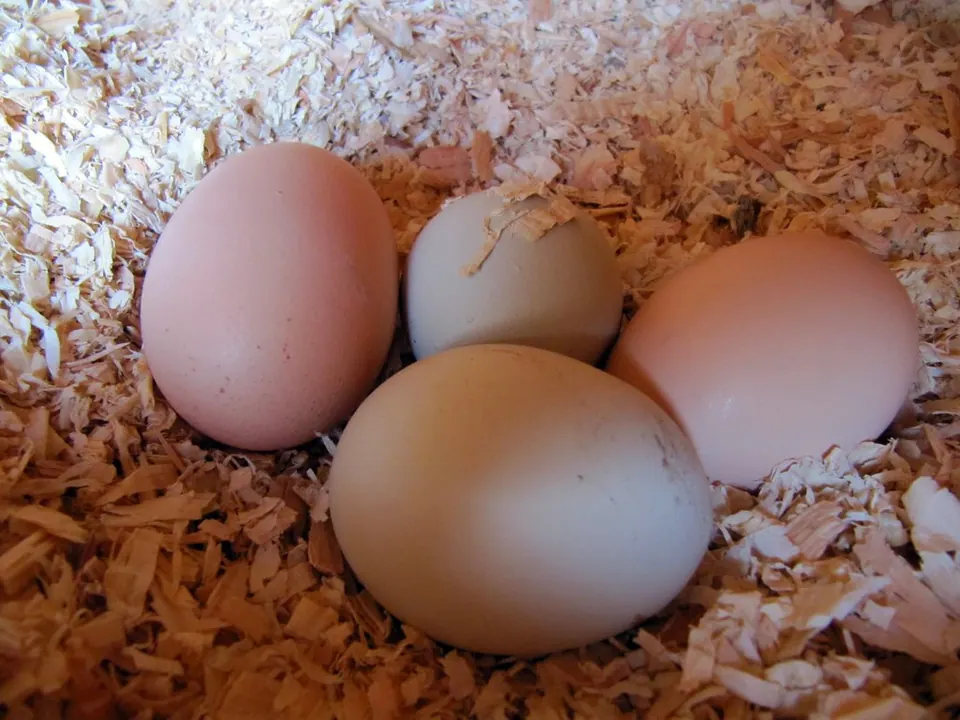
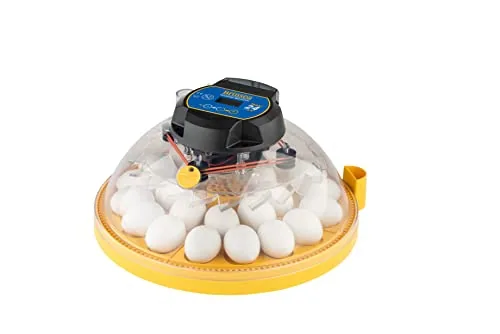
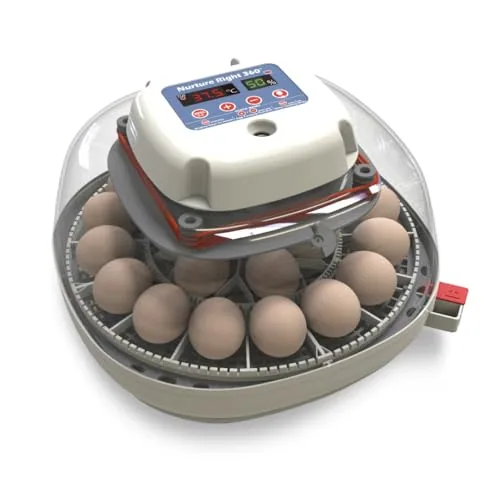
- Brinsea vs Nurture Right is really a range against one model: Brinsea lists incubators from 7 to 56 chicken eggs; Nurture Right sells the 360, listed for 22 chicken eggs.
- All of them are forced-air with automatic turning. The real split is humidity: Brinsea EX models list an automatic humidity pump; the Nurture Right 360 and Brinsea Advance models rely on water you add.
- Brinsea lists room-temperature and high/low alarms on the Mini II Advance and a 3-year warranty; the Nurture Right listing does not state alarms or a warranty term.
- For a 22-egg family hatch, the Nurture Right 360 covers the basics. For small or mixed-species hatches, or hands-off humidity, a Brinsea Mini II EX or Maxi 24 EX fits better.
Brinsea vs Nurture Right is one of the first questions families and classrooms ask when they shop for an egg incubator. Both brands sell forced-air incubators with automatic turners that stop before hatch, and both show the eggs through clear plastic. The difference is in how much of the hatch they automate and how many sizes you can choose from.
This page compares the two brands by the specs on their own listings: egg capacity by egg size, turning, humidity control, display and alarms, and warranty where it is stated. We did not run hatches in these machines. Wherever a figure is missing from a listing we say “not listed” instead of guessing, and we point to the maker’s manual as the final word on settings.
Brinsea
A ladder of clear-dome and cabinet incubators from 7 to 56 eggs, with Advance (manual humidity) and EX (automatic humidity) versions
BrowseNurture Right
One 22-egg model with a 360° view, induced airflow and an auto-stop turner, sold alone or as a kit
BrowsePicks from each side
Brinsea
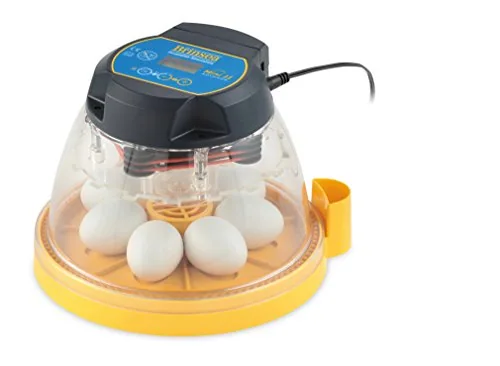
Brinsea Mini II Advance 7-Egg Incubator
- Egg capacity
- 7 chicken eggs; 12 small eggs with optional insert
- Turning
- Automatic with auto-stop
- Humidity
- Manual, external water top-up
Best for Small first hatches at home
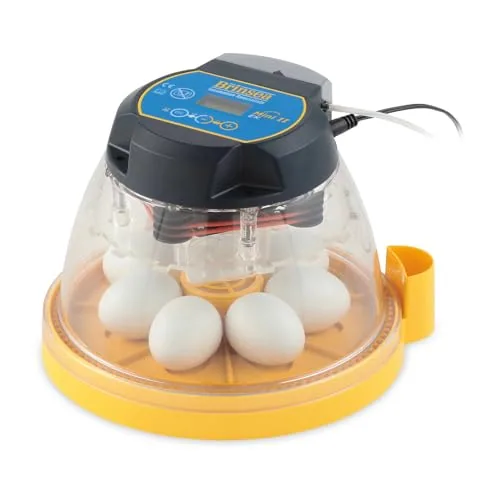
Brinsea Mini II EX 7-Egg Incubator, Auto Humidity
- Egg capacity
- 7 chicken eggs or 12 small eggs (inserts included)
- Turning
- Automatic, programmable intervals
- Humidity
- Automatic, integrated humidity pump
Best for Small hatches with hands-off humidity
Brinsea Maxi 24 Advance Incubator, Auto Turner
- Egg capacity
- 24 chicken eggs or 12 large eggs
- Turning
- Automatic with auto-stop
- Humidity
- Manual, external water top-up
Best for Mid-size hatches of mixed egg sizes
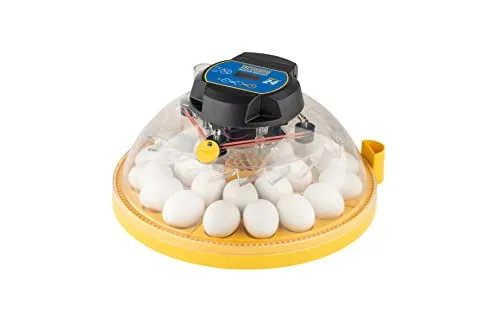
Brinsea Maxi 24 EX Incubator, Auto Humidity
- Egg capacity
- 24 chicken, 12 large, 8 jumbo or 40 small eggs
- Turning
- Automatic
- Humidity
- Automatic
Best for Keepers hatching several species
Nurture Right
Nurture Right 360 Incubator, 22 Eggs, Auto Turner
- Egg capacity
- 22 chicken, 12–18 duck or 22–24 pheasant eggs
- Turning
- Automatic with auto-stop
- Humidity
- Display and control knob
Best for Family first hatches
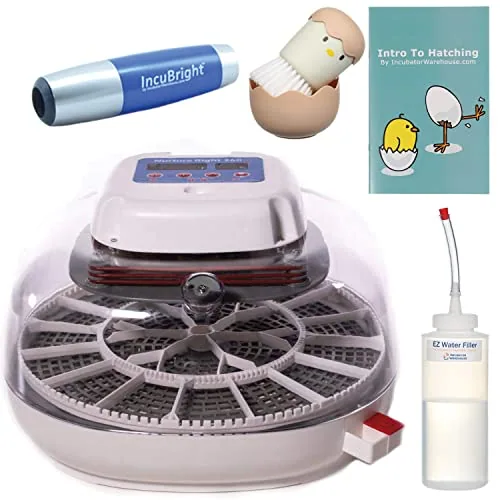
Nurture Right 360 Deluxe Incubator Combo Kit
- Egg capacity
- 22 chicken eggs (Nurture Right 360)
- Turning
- Automatic (Nurture Right 360)
Best for Beginners wanting a full kit
Brinsea vs Nurture Right: the spec table
The table below pulls the five key specs straight from each product’s listing. Read “Humidity control” closely: it is the line that separates set-and-forget machines from ones where you top up water by hand.
Listed specs, Brinsea and Nurture Right incubators
| Product | Egg capacity | Turning | Humidity | Fan | Display |
|---|---|---|---|---|---|
| Brinsea Mini II Advance 7-Egg Incubator | 7 chicken eggs; 12 small eggs with optional insert | Automatic with auto-stop | Manual, external water top-up | Forced-air (fan-assisted) | Digital countdown; room-temp and high/low temp alarms |
| Brinsea Mini II EX 7-Egg Incubator, Auto Humidity | 7 chicken eggs or 12 small eggs (inserts included) | Automatic, programmable intervals | Automatic, integrated humidity pump | Forced-air (fan-assisted) | Temp °F/°C, %RH, turning status; alarms |
| Brinsea Maxi 24 Advance Incubator, Auto Turner | 24 chicken eggs or 12 large eggs | Automatic with auto-stop | Manual, external water top-up | Forced-air (fan-assisted) | Digital temp °F/°C, countdown, temp alarms |
| Brinsea Maxi 24 EX Incubator, Auto Humidity | 24 chicken, 12 large, 8 jumbo or 40 small eggs | Automatic | Automatic | Forced-air (fan-assisted) | Temp °F/°C, %RH, turning status; high/low alarms |
| Brinsea Maxi 48 EX Incubator, Auto Humidity | 48 chicken, 24 large, 16 jumbo or 68 small eggs | Automatic | Automatic | Forced-air (fan-assisted) | Temp °F/°C, %RH, turning status; high/low alarms |
| Brinsea Ovation 28 EX Incubator, Auto Humidity | 28 eggs | Automatic, programmable intervals | Automatic, integrated pump | Forced-air (Induced Dual Airflow) | Temp °F/°C, %RH; high/low temp alarms |
| Nurture Right 360 Incubator, 22 Eggs, Auto Turner | 22 chicken, 12–18 duck or 22–24 pheasant eggs | Automatic with auto-stop | Display and control knob | Forced-air (360° induced airflow) | Digital temperature and humidity |
Specs as listed by the maker or seller; check the listing before you buy.
Feature check, as stated on the listings
| Feature | Brinsea Mini II Advance | Brinsea Maxi 24 EX | Nurture Right 360 |
|---|---|---|---|
| Forced air (fan) | ✓ Fan-assisted | ✓ Fan-assisted | ✓ 360° induced airflow |
| Automatic turning | ✓ With auto-stop | ✓ Automatic | ✓ With auto-stop |
| Automatic humidity | ✗ External water top-up | ✓ Automatic | ✗ Display and control knob |
| Humidity readout | ✗ Not listed | ✓ %RH display | ✓ Humidity display |
| Alarms | ✓ Room-temp and high/low | ✓ High/low | ~ Not listed |
| Mixed egg sizes | ~ Optional small-egg insert | ✓ Four quadrant inserts | ~ Chicken, duck, pheasant counts listed |
| Warranty on listing | ✓ 3 years | ✓ 4 years with registration | ~ Not listed |
Source: Maker listings; Brinsea Mini II Advance listing (model USAB16C), Nurture Right 360 listing (model 1030999)
How many eggs does each incubator hold?
Capacity is where the two brands differ most. Nurture Right makes one size, while Brinsea’s range climbs from a 7-egg dome to a 56-egg cabinet. The chart uses each listing’s chicken-egg figure; small eggs such as quail fit in larger numbers, duck and goose eggs in smaller ones.
Listed capacity in standard chicken eggs
From each product listing
The Nurture Right 360 lists 22 chicken eggs, 12–18 duck eggs or 22–24 pheasant eggs. Brinsea’s Maxi 24 EX lists 24 chicken, 12 large, 8 jumbo or 40 small eggs using its four quadrant inserts, which lets you set chicken and quail eggs in the same machine. The Mini II models hold 7 chicken eggs, or 12 small eggs with the insert.
Bigger is not automatically better. A 7-egg Mini suits a first classroom hatch or a few precious eggs from your own hens. If you plan to hatch a full dozen or more each spring, the Nurture Right 360 or a Maxi 24 gives you room without the footprint of a cabinet.
Humidity: manual top-up or automatic pump?
Humidity is the setting first-time hatchers struggle with most. Brinsea’s own humidity guide gives 45–50% relative humidity for chicken eggs during incubation and 65% or more at hatch, with different targets for ducks and quail. Our species table below shows those targets next to MSU Extension’s temperatures and lockdown days.
Incubation by species: forced-air settings, with the still-air offset
| Species | Days to hatch | Forced-air temp | Still-air temp | Wet-bulb, days 1 to lockdown → last 3 days | Relative humidity | Stop turning (day) |
|---|---|---|---|---|---|---|
| Chicken | 21 | 100°F (37.8°C) | 102–103°F | 85–87°F → 90°F | 45–50% → 65% or more | 18 |
| Duck (most breeds) | 28 | 100°F (37.8°C) | 102–103°F | 85–86°F → 90°F | 55–60% → 70% or more | 25 |
| Muscovy duck | 35–37 | 100°F (37.8°C) | 102–103°F | 85–86°F → 90°F | 58–60% → 65% or more | 31 |
| Coturnix quail | 17 | 100°F (37.8°C) | 102–103°F | 85–86°F → 90°F | 40–50% → 65% or more | 15 |
| Bobwhite quail | 23–24 | 100°F (37.8°C) | 102–103°F | 84–87°F → 90°F | 40–50% → 65% or more | 20 |
| Turkey | 28 | 99°F (37.2°C) | 101–102°F | 84–86°F → 90°F | 58–60% → 65% or more | 25 |
| Goose | 28–34 | 99°F (37.2°C) | 101–102°F | 86–88°F → 90°F | 58–60% → 65% or more | 25 |
| Guinea fowl | 28 | 100°F (37.8°C) | 102–103°F | 85–87°F → 90°F | 58–60% → 65% or more | 25 |
| Pheasant | 23–28 | 100°F (37.8°C) | 102–103°F | 86–88°F → 92°F | 58–60% → 65% or more | 21 |
| Peafowl | 28–30 | 99°F (37.2°C) | 101–102°F | 84–86°F → 90°F | 58–60% → 65% or more | 25 |
| Chukar partridge | 23–24 | 100°F (37.8°C) | 102–103°F | 81–83°F → 90°F | 58–60% → 65% or more | 20 |
Days, temperatures, wet-bulb and stop-turning days: Mississippi State University Extension, Important Incubation Factors. Still-air: add 2–3°F, measured at the top of the eggs (MSU). Relative humidity: Brinsea, Humidity during incubation for chickens, ducks and quail; other species show MSU's general 58–60%. Follow your incubator's manual first.
Brinsea’s EX models (Mini II EX, Maxi 24 EX, Maxi 48 EX, Ovation 28 EX) list automatic humidity control and a %RH display, so the lid stays shut while the machine adds water. The Advance models and the Nurture Right 360 do not pump water: you fill channels or top up from outside. The Nurture Right listing describes a humidity display and knob, and the Brinsea Advance listings describe an external water top-up so you do not lift the dome.
Turning, alarms and lockdown
Every incubator in this comparison turns eggs for you, which removes the most tiring daily job. MSU Extension says to turn eggs at least 4–6 times a day and stop for the last 3 days, which is day 18 for chicken eggs. Both brands build that stop into the turner: the Nurture Right 360 and the Brinsea Advance models list auto-stop, while the EX models list programmable or automatic turning.
Alarms are where Brinsea’s listings say more. The Mini II Advance lists a room-temperature alarm plus high and low temperature alarms; the EX models list high/low alarms; the Ovation 56 EX Connect sends alarm notifications to a phone app. The Nurture Right 360 listing describes a digital temperature and humidity display but does not list alarms, so check the manual if alerts matter to you.
Incubation calculator by speciesEnter your set date and species to get candling days, the stop-turning day and the expected hatch day, with a calendar file.Which brand fits which hatch?
Choose Nurture Right if you…
- want one 22-egg machine for a family or first-flock hatch of chicken eggs;
- like seeing eggs from every side: the listing’s 360° view is its signature feature;
- are happy to manage humidity by watching the display and adding water;
- want a ready kit: the Deluxe Combo Kit bundles the 360 with a water trough filler, an LED candler, a cleaning brush and a hatching guide, per its listing.
Choose Brinsea if you…
- need a small size (7 eggs) for a classroom or a few eggs, or a large one (48–56 eggs);
- hatch quail, ducks and chickens and want quadrant inserts for mixed egg sizes;
- want automatic humidity (EX models) so the lid stays closed;
- value listed alarms and a stated warranty term (3 years on the Mini II Advance; 4 years with registration on the Maxi 24 EX).
For a classroom, the size and the plan for the chicks matter more than the brand. Read our school hatching guide before you set eggs, and line up a home for the chicks first.
Common mistakes when choosing an incubator
- Buying for the egg count on the box. Capacity changes with egg size. A 22-egg rating is for chicken eggs; duck eggs fit 12–18 in the Nurture Right 360, per its listing.
- Assuming “humidity control” means automatic. On the Nurture Right 360 and Brinsea Advance models you still add water. Only the EX models list a pump.
- Ignoring the room. Incubators work best in a room with a steady temperature, away from sun and drafts. Brinsea builds a room-temperature alarm into the Mini II Advance for that reason.
- Skipping the second thermometer. Verify temperature at egg height with a separate instrument for the first day or two.
- No brooder ready on day 21. Chicks need a heat source and a brooder as soon as they are dry. Plan the brooder setup before lockdown.
- Forgetting hygiene with kids. Hatching is a family favorite, and chicks can carry Salmonella even when they look clean.
After you choose: record the hatch
Whichever brand you pick, keep a simple log of temperature, humidity, candling results and the number of chicks hatched. Comparing hatches over a season tells you more about your setup than any spec sheet. Our printable hatch log saves several hatches in your browser, and the candling guide explains what to look for on days 7 and 14. For more machines from other brands, see the best egg incubators and the incubation category.
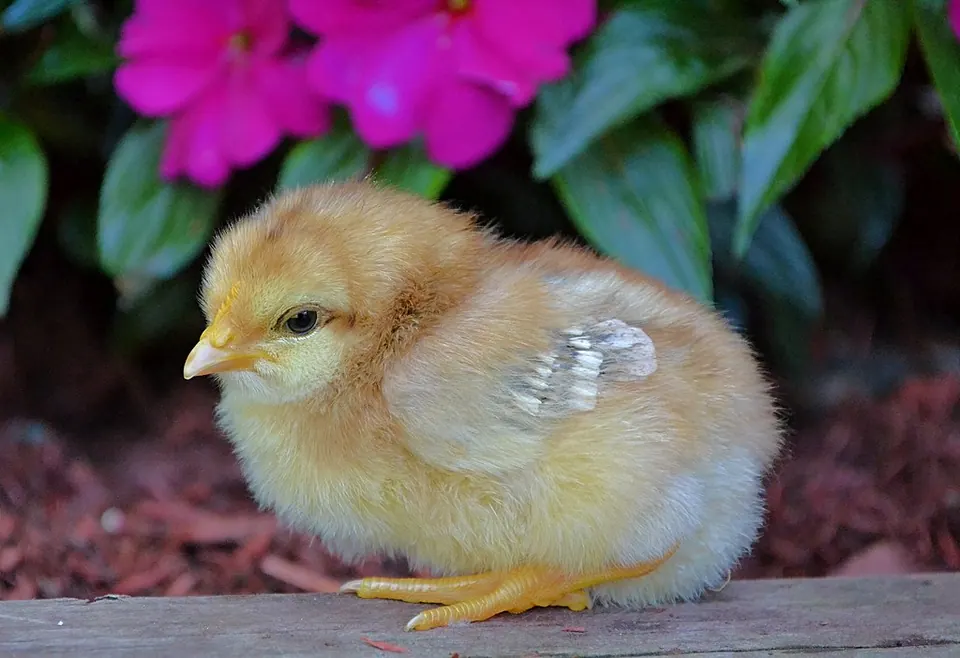
For a single family hatch of up to 22 chicken eggs, the Nurture Right 360 covers what most beginners need: forced air, an auto-stop turner, a humidity display and an all-round view. Brinsea wins when you need a different size, mixed species or automatic humidity: the Mini II EX for small hands-off hatches, the Maxi 24 EX for mixed egg sizes, and the Advance models when you are comfortable topping up water yourself.