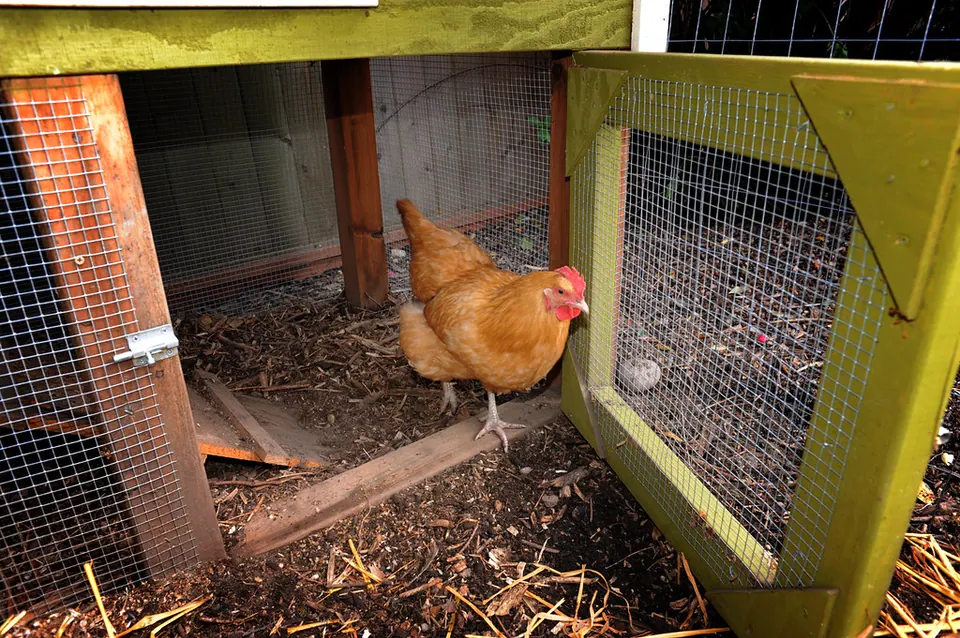
- The deep litter method for chickens means adding fresh bedding on top of old, stirring it and doing a full clean-out only a few times a year (University of Delaware Extension).
- It works on a solid, dry floor in a well-ventilated coop. Ammonia smell at chicken height means it is too wet: stir, add carbon and fix the moisture source.
- Claims that deep litter builds disease immunity are not well proven. After any disease problem, do a complete clean-out (Extension poultry specialist, Ask Extension).
- Start with a dry, absorbent carbon bedding such as pine shavings, hemp or chopped straw. Depth figures you see online (often 4–6 in to start) are hobby practice, not an extension standard.
- Compost the spent litter to at least 131°F for three days in a contained pile before using it on food crops (UF/IFAS).
The deep litter method for chickens is a bedding system, not a product: instead of shoveling out soiled bedding every week, you add fresh material on top, keep it turned and let the layer break down slowly in place. Done well, it saves time and bedding and leaves you with a pile of garden compost. Done badly, it becomes a wet, ammonia-heavy mat that is worse than any weekly routine.
This guide explains how deep litter works, how to start and manage it step by step, the warning signs that it is failing, when to clean it out and who should not use it. Where extension sources give a figure, we cite it; where only hobby practice exists (as with starting depth), we say so.
What is the deep litter method?
University of Delaware Extension describes it simply: adding fresh bedding on top of old can work if managed well, needs cleaning out only a few times per year, and should be stirred regularly with fresh bedding added to control odor. The chickens help by scratching, which mixes droppings into the carbon-rich bedding.
The idea is borrowed from larger poultry houses. In a 2017 answer on Ask Extension, an Extension poultry specialist explained that deep litter is common in the broiler industry, where growers remove most litter after each flock and add fresh bedding, about five to six times a year. The same answer says deep litter offers some immunity against common, low-mortality organisms, but that if a disease problem occurs a complete clean-out is best, and that commercial producers rarely use lime because it has little benefit.
University of Minnesota Extension lists deep litter, together with cleaning housing between flocks, among the management steps for roundworm problems in small flocks. That is a useful hint about the real point of the method: a dry, well-turned litter, not a magic microbial shield.
Deep litter vs weekly clean-out vs sand
| Deep litter | Weekly clean-out | Sand (sifted) | |
|---|---|---|---|
| Labor | ~ Short weekly stir and top-up; big clean-out a few times a year | ✗ Weekly shoveling and re-bedding | ~ Frequent sifting, rare replacement |
| Bedding use | ✓ Lower: you add, not replace | ✗ Highest | ✓ Low once installed |
| Floor needed | ✓ Solid, dry floor (wood or concrete) | ✓ Any | ~ Floor must carry the weight |
| Moisture tolerance | ✗ Fails fast if wet | ~ Wet spots removed weekly | ~ Drains, but wet sand smells and freezes |
| Winter | ✓ Thick dry layer insulates the floor | ~ Thin bedding | ✗ Can freeze solid |
| Compost value | ✓ Partly broken down already | ✓ Fresh material to compost | ✗ Little |
| After disease | Full clean-out | Full clean-out | Replace or deep-clean |
Source: University of Delaware Extension; Ask Extension expert answer; UMN Extension
How to start deep litter, step by step
Autumn is the usual starting point in colder areas, because the thick layer helps insulate the floor through winter and you clean out in spring. Start in a coop that has just been fully cleaned and dried (see how to clean a chicken coop).
- Check the floor and ventilation
Deep litter needs a dry, solid floor and air moving above the birds. Fix roof leaks, gaps where rain blows in and leaky waterers first. Review coop ventilation before you add a single bag.
- Lay a base of dry carbon bedding
Pine shavings, hemp, chopped straw or sunflower hulls all work. Many hobby guides start with roughly 4–6 inches; this is common practice rather than a published extension figure, so treat it as a starting point and watch the litter.
- Let the birds scratch
Scatter a little scratch grain on the litter so hens turn it for you. Scratch is a treat, not a feed, so keep it to a small handful.
- Stir weekly, more if needed
Turn the litter with a fork or rake, breaking up caked droppings under the roosts. Wet or crusty patches mean the layer needs help.
- Top up with fresh bedding
When droppings show on the surface or you catch a whiff of ammonia, stir and add a fresh layer. University of Delaware Extension names stirring and adding fresh bedding as the way to control odor.
- Remove wet patches at once
Spilled water under the drinker is the most common failure point. Dig it out and replace it with dry bedding; do not just bury it.
- Plan the clean-out
Clean out completely a few times a year (University of Delaware), and always after a disease problem. Compost the old litter before it goes on food crops.

Which bedding works best for deep litter?
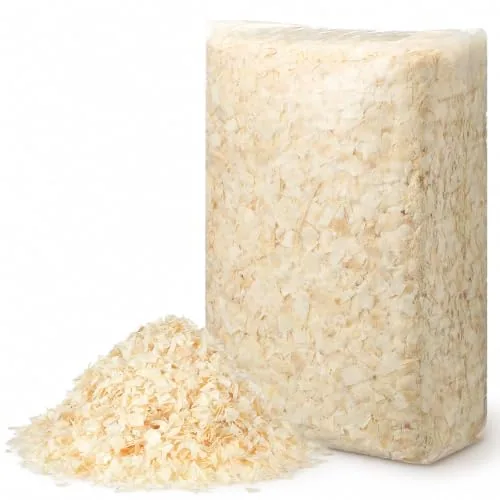
You want something absorbent, low-dust and slow to mat. Pine shavings are the default because they are easy to find and stir. Hemp is very absorbent per the makers and turns easily. Sunflower hulls are coarse and free-flowing. Long straw tends to mat when wet, so chop it if you use it. Sand is a different system and does not compost, so it is not used for deep litter; see the pine vs hemp vs sand comparison.
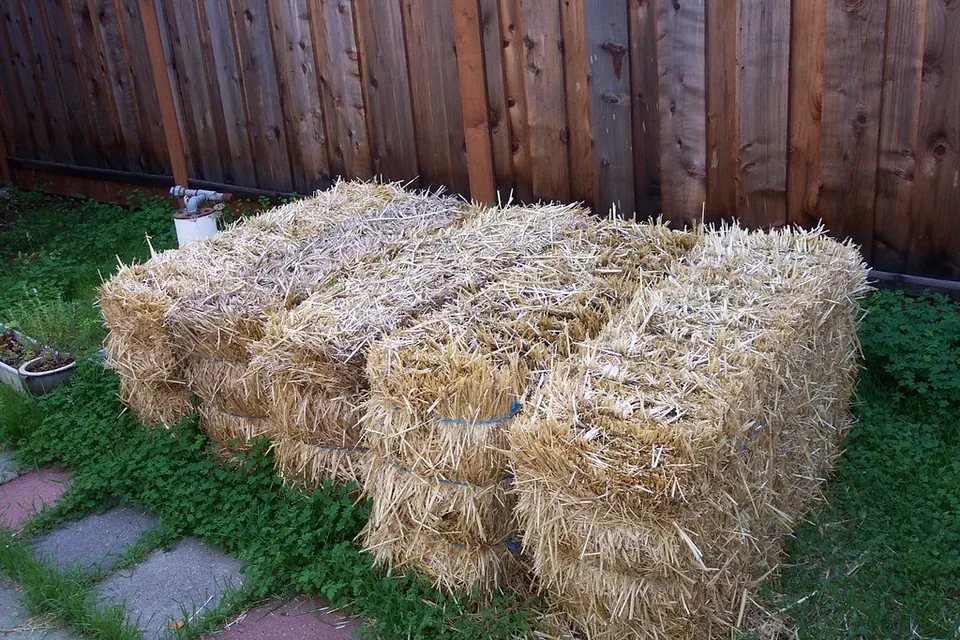
| Product | Material | Size |
|---|---|---|
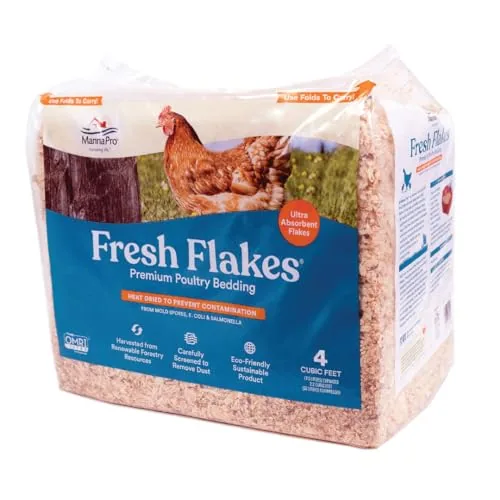
| Manna Pro Fresh Flakes Pine Shavings, 4 cu ft | Pine shavings | 4 cu ft |
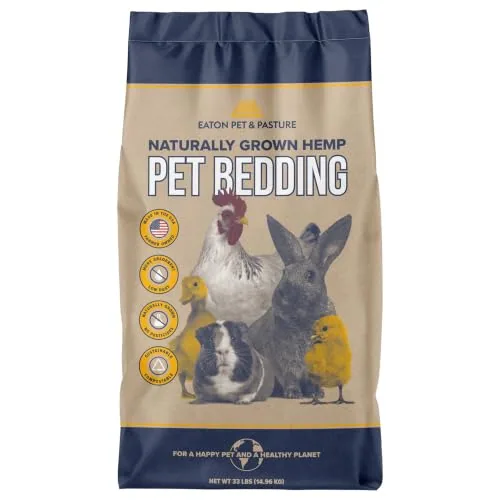
| Eaton Pet & Pasture Hemp Bedding, 33 lb | Hemp | 33 lb |
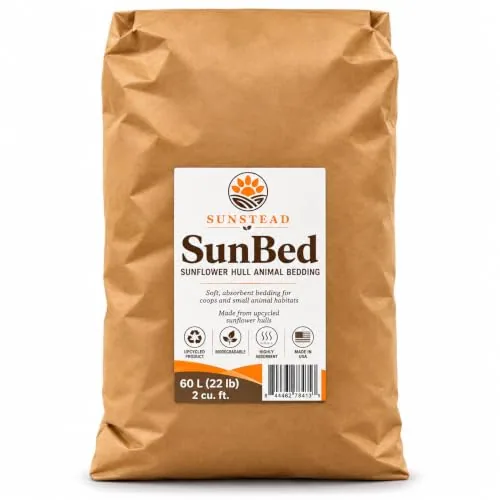
| Sunstead SunBed Sunflower Hull Coop Bedding, 22 lb | Sunflower hulls | 22 lb, 2 cu ft |
| Woanger Poplar Wood Flake Coop Bedding, 10 lb | Poplar wood shavings | 10 lb compressed |
| Sukh Aspen Shavings Coop Bedding, 48 oz | Aspen shavings | 48 oz (title); 31 oz (size field) |
Specs as listed by the maker or seller; check the listing before you buy.
Absorbency claims on bags are maker figures (for example, Eaton Pet & Pasture says its hemp absorbs about twice as much as traditional bedding, and Sunstead cites testing of up to 436% of dry weight for its hulls). Use them to compare, not as a promise of how long your litter will last. The full shortlist is in best chicken coop bedding.
Manna Pro Fresh Flakes Pine Shavings, 4 cu ft
- Size
- 4 cu ft
- Material
- Pine shavings
Best for Everyday coop bedding
Eaton Pet & Pasture Hemp Bedding, 33 lb
- Size
- 33 lb
- Material
- Hemp
Best for Coop floors and nest boxes
Sunstead SunBed Sunflower Hull Coop Bedding, 22 lb
- Size
- 22 lb, 2 cu ft
- Material
- Sunflower hulls
Best for Trying an alternative to shavings
Woanger Poplar Wood Flake Coop Bedding, 10 lb
- Size
- 10 lb compressed
- Material
- Poplar wood shavings
Best for Small coops
Keeping deep litter dry: water, feed and air
Most deep litter problems start at the drinker. Open founts get kicked, tipped and dripped into the bedding. Raising the waterer to back height, setting it on a tray, or switching to a closed nipple or cup system keeps the layer dry. Spilled feed is the second problem: it attracts rodents and molds when wet, so a port or treadle feeder helps.
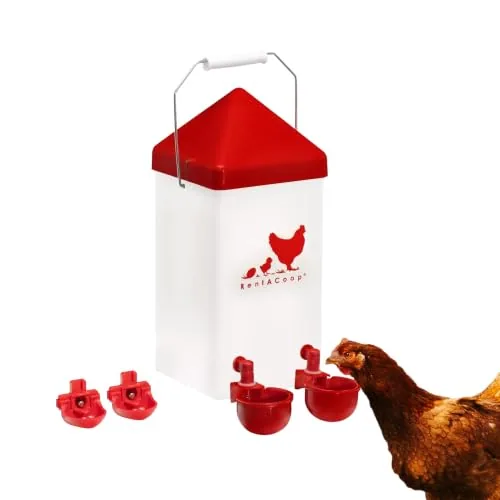
RentACoop 1-Gal Waterer, Cups & Nipples
- Type
- Cup and nipple (2 each)
- Capacity
- 1 gal
- Material
- Plastic
Best for Brooders and tiny flocks
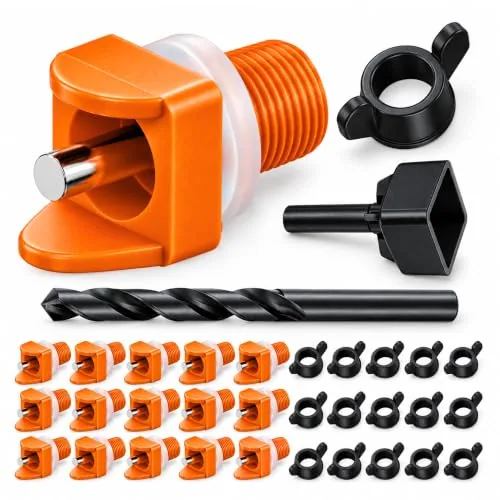
Lil'Clucker Horizontal Water Nipples, 15-Pack
- Type
- Horizontal nipple
- Count
- 15
- Includes
- Drill bits and install tool
Best for DIY container waterers
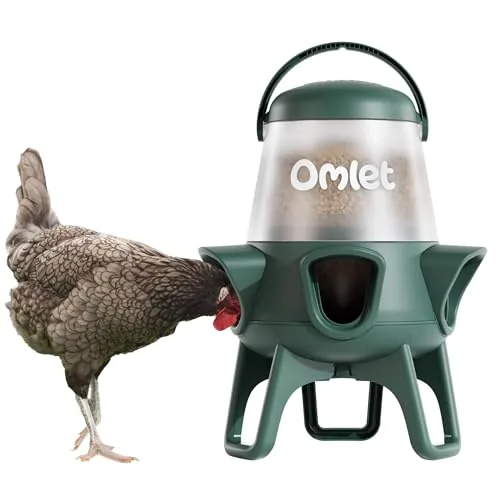
Omlet No-Waste Chicken Feeder, 12 lb
- Type
- Port feeder, 5 ports
- Capacity
- 12 lb
- Mount
- Hanging or free-standing
Best for Small backyard flocks
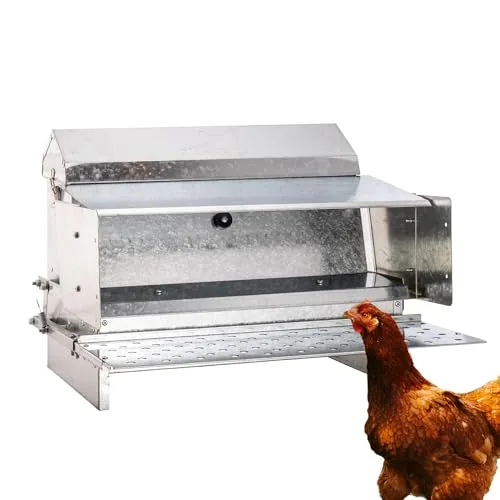
RentACoop Metal Treadle Feeder, 25 lb
- Type
- Treadle
- Capacity
- 25 lb
- Material
- Galvanized steel
Best for Small flocks with rodent pressure
Zeolite or calcite fresheners can take the edge off odor between top-ups. Use them per the label; they do not replace stirring and dry carbon.
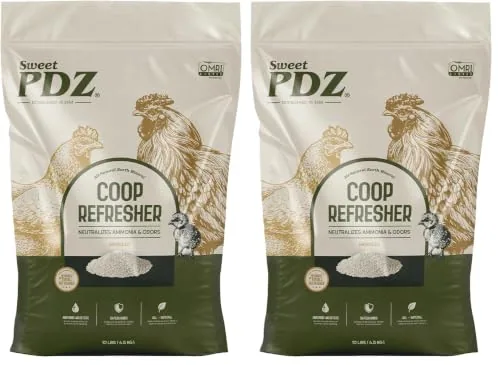
Sweet PDZ Coop Refresher Zeolite, 10 lb x2
- Use
- Coop odor and ammonia control
- Active ingredient
- Zeolite mineral
- Size
- 10 lb, pack of 2
Best for Ammonia control in coops
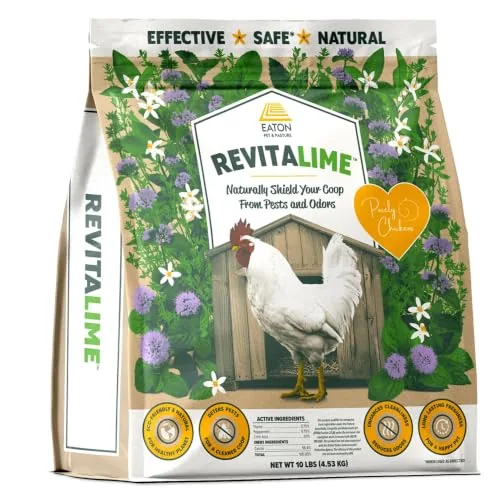
Eaton Pet & Pasture Revitalime Coop Freshener, 10 lb
- Use
- Coop and bedding freshener
- Active ingredient
- Calcite, citric acid, thyme, peppermint
- Size
- 10 lb
Best for Freshening coops between clean-outs
When to clean out deep litter
Plan full clean-outs rather than letting the layer grow forever. University of Delaware Extension says a well-managed system needs cleaning out a few times per year; many keepers do it in spring and again in late summer or fall. Clean out sooner if any of these happen:
- Ammonia smell that stirring and fresh bedding do not fix within a day or two.
- Litter that is wet, slick or caked through, not just on top.
- Signs of mites, heavy fly breeding or rodents nesting in the layer.
- Any disease problem in the flock. The Ask Extension specialist recommends a complete clean-out after a disease problem and leaving the house empty for about a month so organisms can die off where that is possible. Contact a veterinarian or your state poultry lab about sick birds; see common chicken illnesses.
- Before new birds move in, as part of biosecurity.
Composting spent deep litter
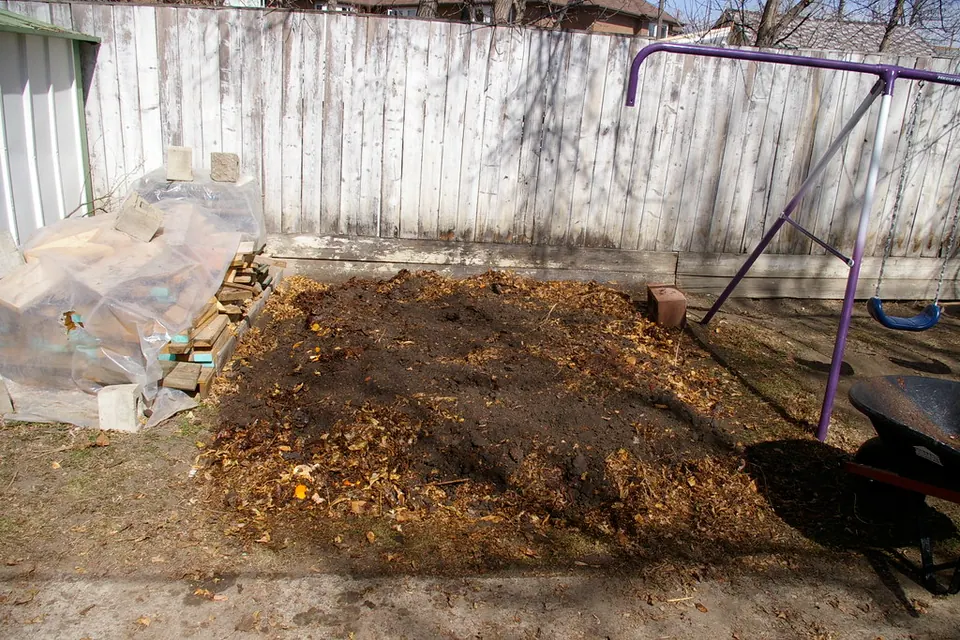
Spent deep litter is partly broken down already, which makes it a good compost feedstock. It still needs proper composting before it touches food crops. UF/IFAS cites National Organic Program standards: aerated or contained piles must hold at least 131°F for three days, and windrows 131–170°F for 15 days with at least five turns. If you never confirmed those temperatures, treat the compost as possibly carrying pathogens. Wash your hands after handling litter and compost, and keep children under 5 away from it (CDC).
Deep litter mistakes to avoid
- Starting on a damp dirt floor with no drainage. The layer wicks water and never dries.
- Ignoring the waterer. One leaking fount can ruin the whole bed.
- Burying wet spots under fresh bedding instead of removing them.
- Closing vents in winter to keep warmth in. You trap moisture and ammonia; UMN links that to frostbite.
- Treating it as a disease shield. Evidence for immunity benefits is limited; clean out completely after illness.
- Adding lime as a fix. The Ask Extension specialist notes commercial producers rarely use it because it has little benefit.
- Using it in a tiny, crowded coop. Too many birds per square foot overload the litter; check your floor with the coop size calculator.
Who should use deep litter, and who should not
Deep litter suits walk-in coops and sheds with solid floors, good high ventilation, a sensible number of birds and a keeper who will stir weekly. It is especially handy in cold climates, where a dry, thick layer helps insulate the floor and spares you hauling bedding through snow.
Skip it, or stick to a weekly clean-out, if your coop is a small prefab box with a slide-out tray, if the floor is mesh or damp ground, if you keep ducks indoors (they splash), or if your flock has had recent disease problems. Small coops are usually easier to keep clean by changing the tray and bedding weekly. Browse bedding, rakes and fresheners in Health, safety & cleaning, and winter set-ups in Winter care.
Flock care checklistAdd a weekly stir-and-top-up reminder to your flock checklist. Coop size calculatorEnter your hens, bantams, ducks or quail: see coop floor, run area, roost length and nest boxes under three…Flock care checklistDaily, weekly, monthly and seasonal backyard chicken chores in one printable checklist. Ticks reset each…Questions
How does the deep litter method for chickens work?
How deep should deep litter be?
Does deep litter prevent disease?
Can you use deep litter in a small coop?
Can you use sand for the deep litter method?
Why does my deep litter smell like ammonia?
Sources
- University of Delaware Cooperative Extension, Chicken housing and coop maintenance (deep litter method)
- Ask Extension, Deep litter in chicken coops (Extension poultry specialist answer, 2017)
- University of Minnesota Extension, Diseases of small poultry flocks (roundworms: deep litter, cleaning between flocks)
- University of Minnesota Extension, Caring for chickens in cold weather (ventilation, moisture, ammonia)
- UF/IFAS Extension, AN239 Raising Backyard Chickens for Eggs (composting manure)
- CDC, Backyard Poultry (Healthy Pets, Healthy People)