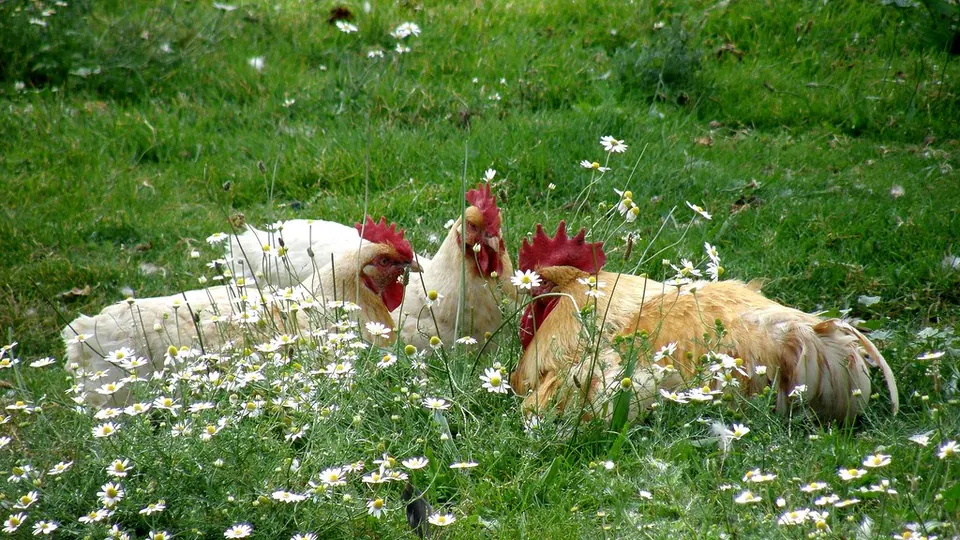
- Most poultry are comfortable at 60–75°F; panting and lower feed intake start as temperatures approach 85°F (UMN).
- Near 100°F, body temperature can reach lethal levels without relief, and high humidity makes any temperature worse (UMN).
- Ventilation is the top priority, then shade and plenty of cool water: birds may drink 2–4 times their normal amount (UMN).
- Electrolytes in water can help during heat waves; use them per the product label.
- Avoid handling or moving birds in the heat of the day, and contact a veterinarian about any bird that collapses or cannot stand.
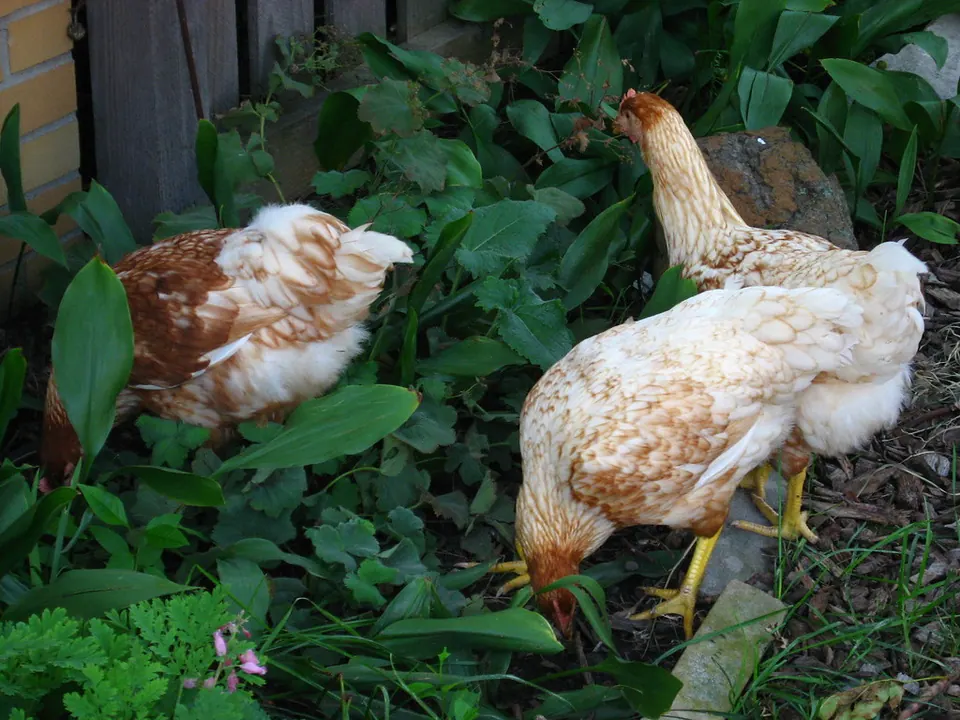
Keeping chickens cool in summer heat matters more than most new keepers expect. A chicken wears a down coat all year and cannot sweat; it cools itself by panting and holding its wings away from its body. Once the air is as hot as the bird, those tricks stop working, and a long, humid heat wave can kill healthy hens.
This guide sets out the temperatures that matter, the signs of heat stress, and the fixes in order of impact: airflow, shade, water and timing. It draws on the University of Minnesota Extension's heat-stress guidance and other extension sources.
How hot is too hot for chickens?
UMN gives a clear set of thresholds. Birds are most comfortable, producing the least body heat, at about 60–75°F. As temperatures approach 85°F they start panting, eat less and lay less. Near 100°F, core body temperature can reach lethal levels unless they get relief. Humidity shifts all of these: UMN notes that thresholds move with humidity, and its examples put older turkeys in the danger zone at 85°F once humidity tops 50%, with extreme risk at 90°F and 50%. Hens are not turkeys, but the lesson carries over: a humid 88°F afternoon can be harder on birds than a dry 95°F one.
Heat thresholds for poultry
Air temperature, °F (UMN Extension)
Heavy, dense-feathered breeds and older or overweight hens struggle first; lighter breeds with big combs cope a little better. See chicken breeds for beginners if you are choosing birds for a hot climate.
What are the signs of heat stress in chickens?
Reading heat stress
| What you see | What it means | What to do |
|---|---|---|
| Panting, beak open | Birds are working to cool off (starts near 85°F, UMN) | Check shade, airflow and water now |
| Wings held away from the body | Shedding heat through less-feathered skin | Move air; add shade |
| Drinking much more, eating less | Normal heat response; UMN says intake can rise 2–4× | Add waterers; keep water cool |
| Fewer or thinner-shelled eggs | Lower feed intake in heat (UMN) | Keep oyster shell available |
| Lethargy, pale comb, lying down | Serious heat stress | Cool, shaded, airy spot; cool water; call a veterinarian |
| Collapse, unable to stand | Emergency | Contact a veterinarian right away |
Source: University of Minnesota Extension, Preventing heat stress in poultry
How do you keep chickens cool in summer heat?
- 1. Move air through the coop
UMN calls ventilation the top priority, and warns that naturally ventilated buildings are at risk in calm air without fans. Open every secured window and vent, and add a fan high on the wall to pull hot air out. See chicken coop ventilation.
- 2. Shade the run
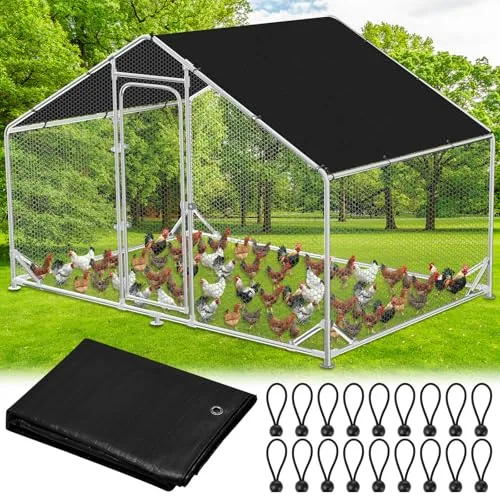
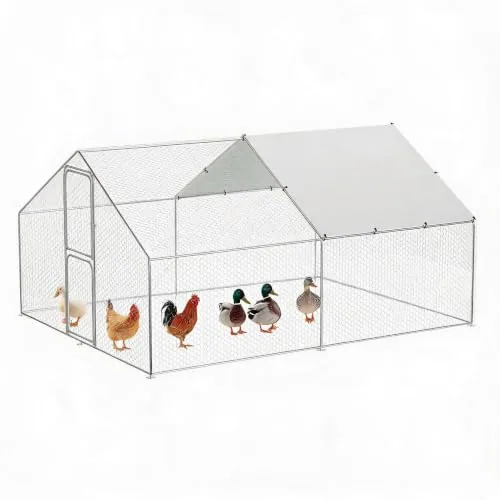
UMN recommends shade for birds outdoors. A dark shade cover or a run with a UV-resistant roof over the sunny side, plus shrubs or a lean-to, keeps the ground and the birds cooler. Leave the sides open for air.
- 3. Add water capacity
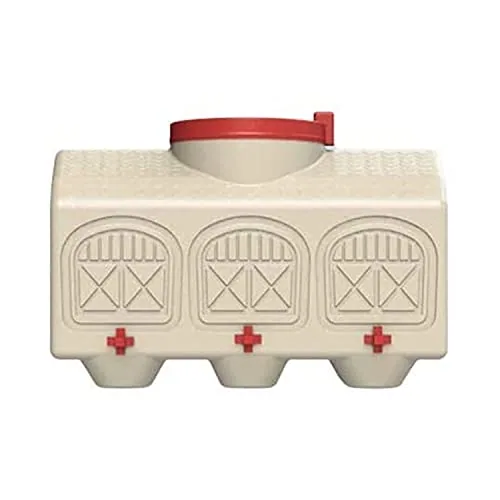
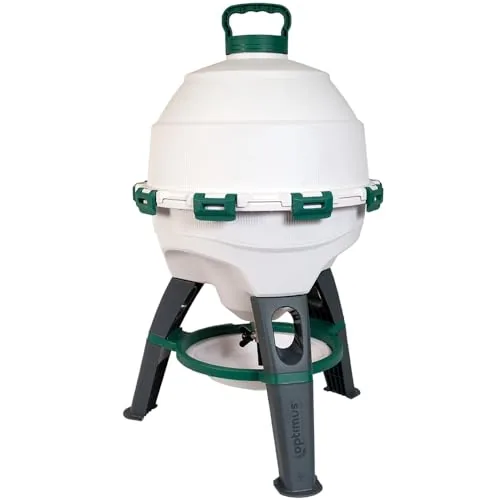
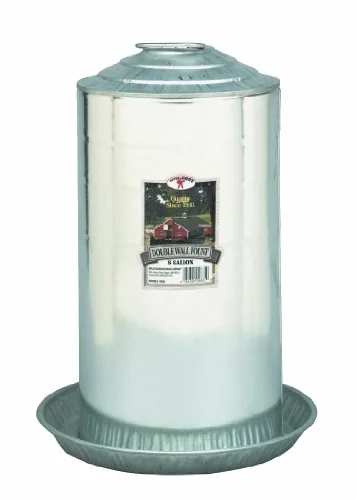
Birds may drink 2–4 times their normal amount (UMN). Add a second waterer in the shade, keep water cool and clean, and refill before it runs low. Larger drinkers mean fewer refills on hot afternoons.
- 4. Use electrolytes per the label
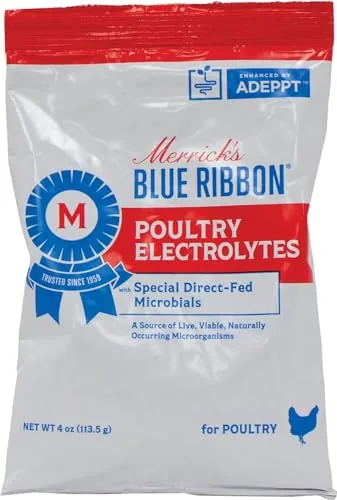
UMN notes that electrolytes in drinking water, started before a heat period and used for a few days, can help birds drink more. Use any product strictly per its label, and make plain water available too if the label says so.
- 5. Time chores and treats
UMN suggests delaying activities such as moving birds during heat. Do cleaning and handling early in the morning. Skip heavy grain treats like scratch on hot afternoons; offer feed in the cooler hours.
- 6. Check on birds in the afternoon
The hottest part of the afternoon is when birds go downhill, and heat builds over several days in a long heat wave. Look for lethargic birds and move them to shade and airflow.
What should chickens eat in hot weather?
Keep feeding a complete layer feed. UMN notes that hens eat less in summer heat, so the feed they do eat has to carry their protein and calcium. Penn State suggests that free-choice calcium (such as oyster shell) can be offered to older hens, especially in hot weather, which helps shell quality when feed intake drops.
Watery treats such as chilled watermelon or cucumber are popular hot-day snacks. Keep portions small so they do not crowd out balanced feed, and remove leftovers before they spoil or draw flies.
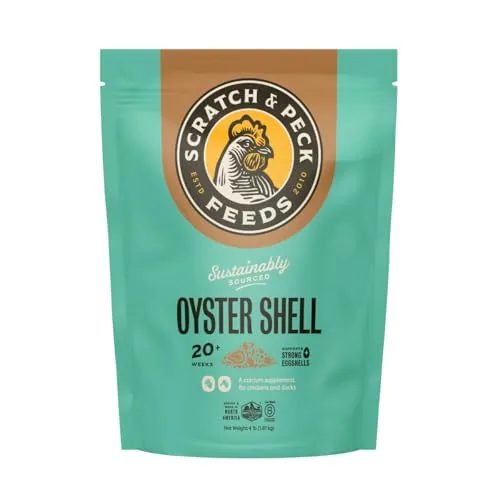
Scratch and Peck Oyster Shell, 4 lb
- Type
- Oyster shell calcium supplement
- Size
- 4 lb
Best for Free-choice calcium for layers
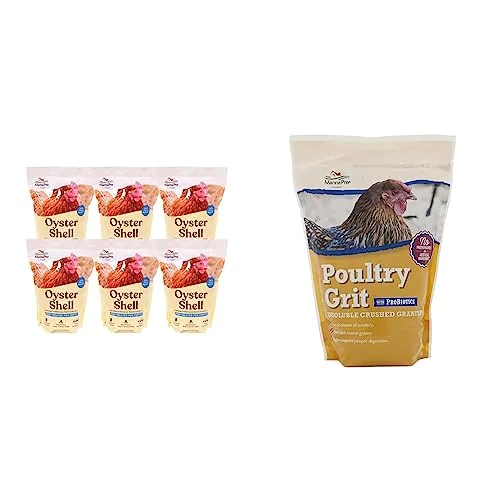
Manna Pro Oyster Shell & Poultry Grit Bundle
- Type
- Pullet-size oyster shell plus granite grit
- Size
- 5 lb packs (6-pack bundle)
- Calcium %
- Not listed
Best for Stocking up on layer supplements
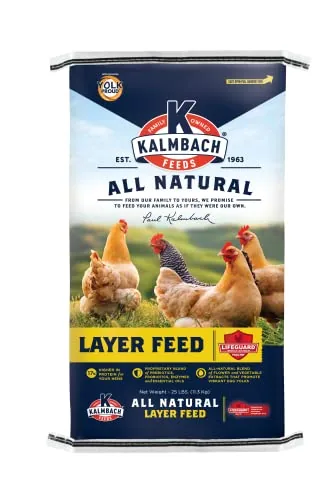
Kalmbach Feeds Layer Pellets, 25 lb
- Type
- Layer pellets
- Bag size
- 25 lb
- Medicated?
- Antibiotic free
Best for Everyday laying-hen feed
Do misters, fans and frozen water bottles help?
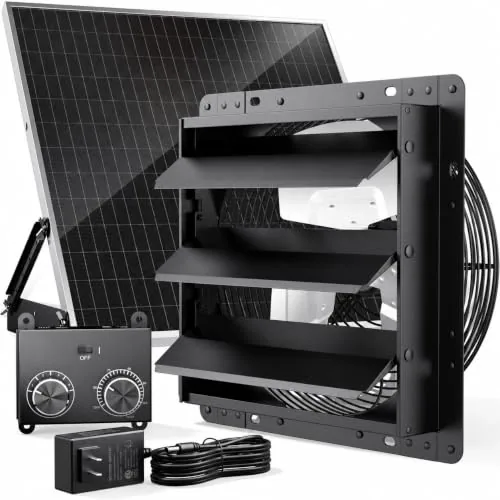
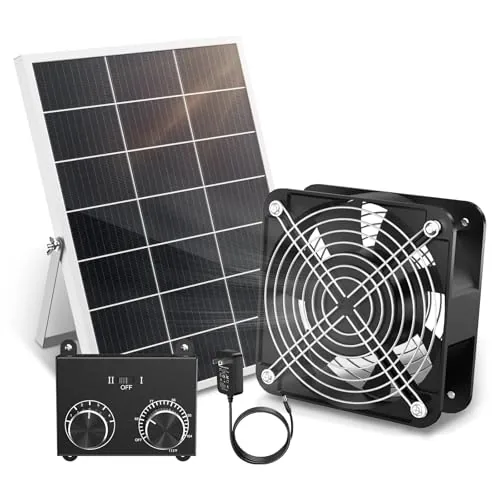
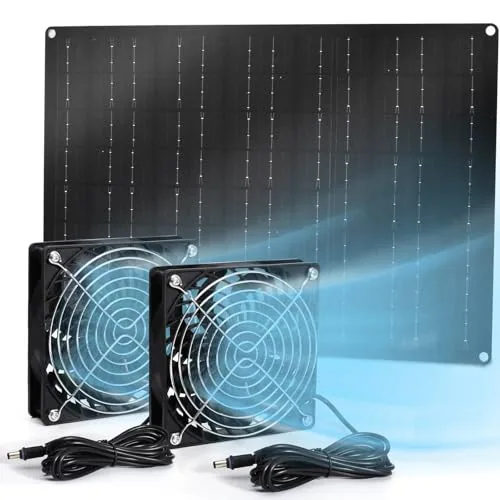
Fans: yes, they are the single biggest help in still weather. Keep cords out of reach and away from water and litter, and clean dust off motors.
Misters: they can cool the air in dry climates, but UMN warns to monitor relative humidity when misting or fogging; in humid areas, adding moisture can make heat stress worse. Keep bedding dry.
Frozen water bottles or ice in the waterer: commonly used to keep water cooler for a few hours. They are fine as a supplement, not a substitute for shade and airflow.
Wading pans for chickens: a shallow pan of cool water in the shade lets birds stand and cool their feet. Change it daily so it does not become a mosquito or germ source, and keep wild birds away from it; USDA APHIS asks keepers to keep wild birds away from flock water and to report sick birds or unusual deaths to the state veterinarian or 1-866-536-7593.
How do you set up a coop for hot climates?
If you live in the South or Southwest, plan for heat from the start:
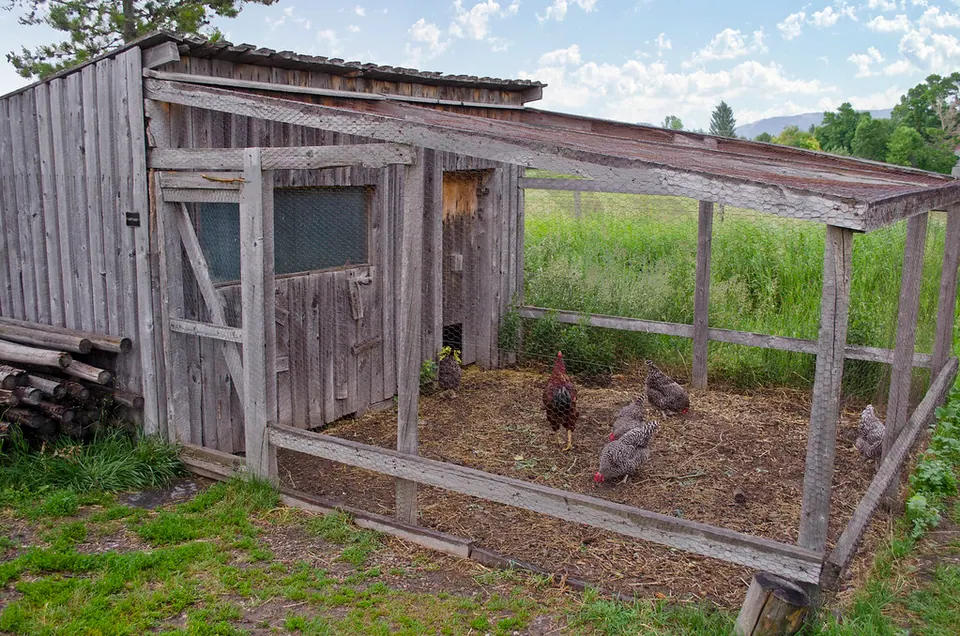
- Site the coop and run in afternoon shade, or on the east side of a building or tree line.
- Choose a coop with large, securable windows on more than one side and a light-colored or reflective roof.
- Give more space than the minimum: crowded birds share body heat. Use UMN's 3–5 sq ft inside per bird; see the coop size guide.
- Cover every opening with hardware cloth so you can leave it open at night without inviting raccoons.
- Run power or a solar fan to the coop before summer.
Browse fans and timers in the coop automation hub and large drinkers in feeders and waterers; compare waterers in best chicken waterers.
Summer heat mistakes to avoid
- Closing the coop up tight at night in a heat wave. Open secured vents and windows.
- One small waterer in the sun. Add capacity and put it in the shade.
- Misting in high humidity. It can make things worse (UMN).
- Handling or moving birds at midday (UMN).
- Big grain treats in the afternoon. Digestion adds body heat.
- Electrolytes without reading the label, or as a substitute for water.
- Treating a collapsed bird yourself only. Cool it gently and contact a veterinarian or your state poultry lab.
The flock care checklist has summer water and shade checks, and the seasonal calendar flags heat-season jobs for your region.
Treat ventilation as job one, then shade and extra cool water. Watch for panting and held-out wings from about 85°F, keep layer feed and oyster shell available, use electrolytes only per the label, and get veterinary help for any bird that collapses.