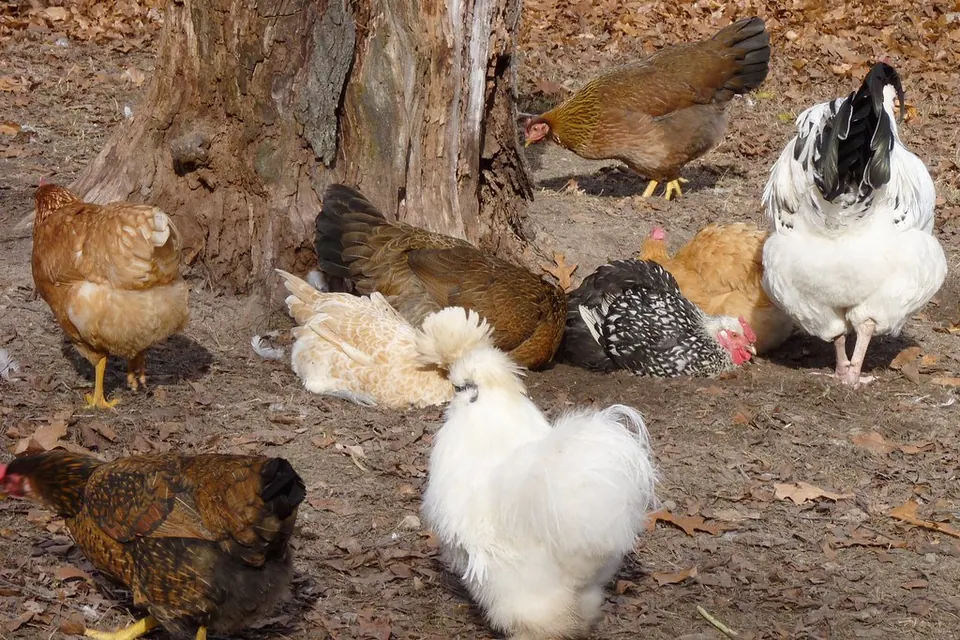
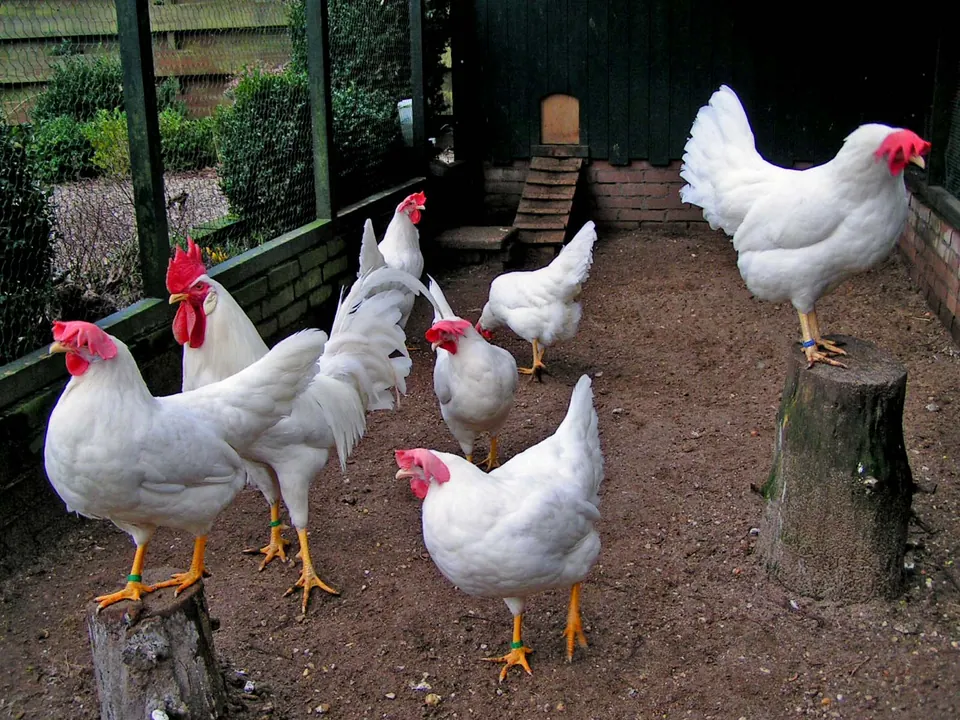
- For the most eggs, extension sources point to Leghorns and commercial sex-link crosses; White Leghorns can lay 260+ eggs in 12 months.
- For a calmer, all-round backyard hen, look at dual-purpose breeds: Plymouth Rock, Rhode Island Red, Wyandotte, Australorp, Orpington.
- Cold climates favor heavier birds with small combs (less comb to freeze); hot climates favor lighter birds plus shade and airflow.
- Egg color is genetic: white earlobes usually mean white eggs, red earlobes brown, with Araucana and Ameraucana as the blue-egg exceptions.
- Large breeds need more room: Penn State lists 2 sq ft inside and 10 sq ft of run per large chicken.
The best chicken breeds for beginners are hardy, calm and steady layers that forgive a few first-year mistakes. There is no single winner, because "best" depends on what you want: the most eggs, a hen your kids can sit next to, a bird that shrugs off a Minnesota winter, or a basket of blue and chocolate eggs.
This guide groups common breeds by job, using the University of Kentucky's breed overview on the national Small and Backyard Poultry extension site, University of Minnesota figures and Penn State space norms. Live chicks come from hatcheries and local feed stores; this page only links to books and gear.
What are the best chicken breeds for beginners?
Most first flocks do best with dual-purpose breeds: birds bred for both eggs and meat, which tend to be sturdier and calmer than lean commercial layers. The University of Kentucky's overview lists Plymouth Rock, Rhode Island Red, New Hampshire and Wyandotte among the American dual-purpose breeds, and Brahma, Cochin and Langshan among the large Asiatic breeds. It also warns that commercial egg-laying strains "tend to be flighty and high strung" and are not recommended for backyard flocks.
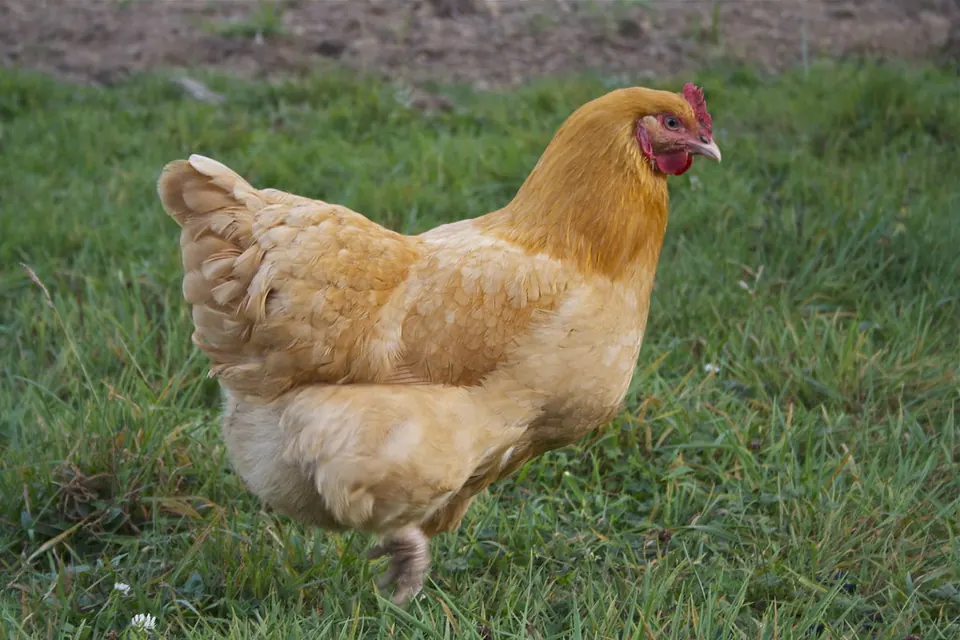
Breed guides commonly describe Plymouth Rocks (including Barred Rocks), Australorps, Orpingtons and Wyandottes as easy-going and good layers of brown eggs, which is why they appear on so many beginner lists. Individual birds vary, and how you raise and handle chicks matters as much as breed.
Common backyard breeds at a glance
| Breed | Type | Egg color | Size | Good for |
|---|---|---|---|---|
| White Leghorn | Mediterranean layer | White | Light | Most eggs per feed; active, flighty |
| Red or black sex-link (Golden Comet, Cinnamon Queen, Rock Red) | Commercial cross | Brown | Medium | High production; hens and roosters sexed by color at hatch |
| Plymouth Rock (Barred Rock) | American dual-purpose | Brown | Large | All-round family flock |
| Rhode Island Red | American dual-purpose | Brown | Large (about 6.5 lb, UMN) | Hardy, steady layer |
| Wyandotte | American dual-purpose | Brown | Large (about 6.5 lb, UMN) | Cold climates (rose comb) |
| Australorp | Egg breed, dual-purpose use | Brown | Large | Steady layer, calm |
| Orpington | English dual-purpose | Brown | Large (about 8 lb, UMN) | Calm family hen; often broody |
| Brahma, Cochin | Asiatic, large | Brown | Very large, feathered feet | Cold climates; need more space |
| Araucana | South American | Blue | Medium | Blue eggs (dominant blue-egg gene) |
| Ameraucana, Easter Egger | Araucana crosses | Pink to green | Medium | Colorful egg basket |
| Bantams (many breeds) | Miniature | Varies, small eggs | About ¼ smaller (UK) | Small yards, kids, less feed |
Which chicken breeds lay the most eggs?
If eggs per bag of feed is your goal, the extension answer is clear: the White Leghorn is the principal white-egg layer, and UMN says small-bodied commercial White Leghorns are the best layers for low-cost egg production. Some commercial brown-egg layers, including red and black sex-links, come close.
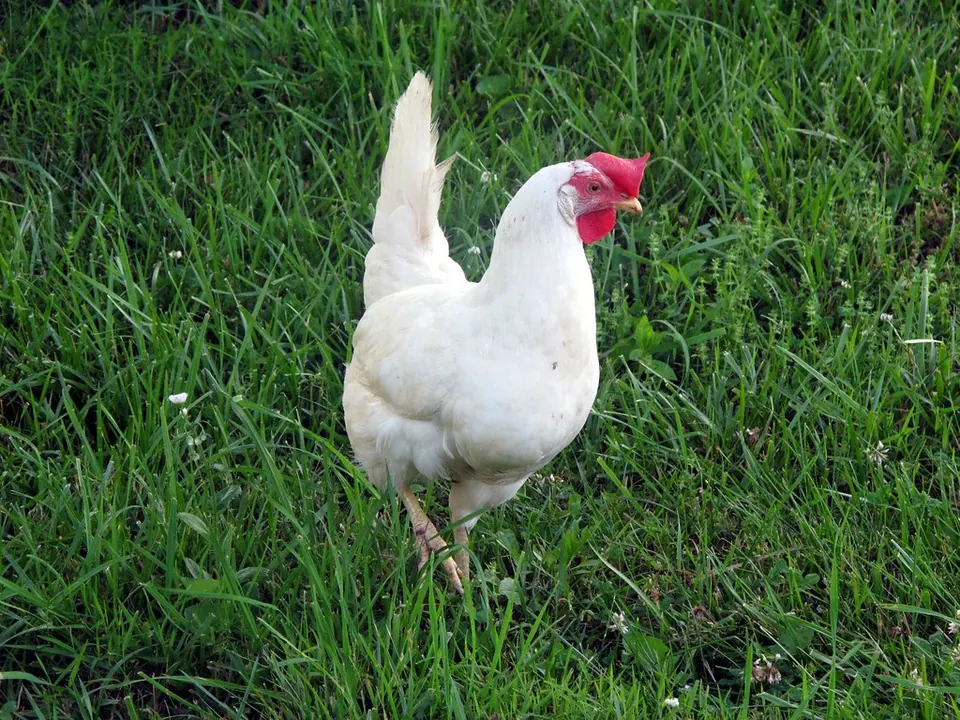
The trade-off: high-output layers are lighter, more active and, per the Kentucky overview, often flighty. They may not be the hens your kids can pick up. Heavier dual-purpose breeds eat more feed per egg (Kentucky notes higher feed costs than White Leghorns) but tend to be calmer. Many families mix the two: a couple of sex-links for eggs, a couple of Orpingtons or Rocks for temperament. If eggs drop later, our not-laying troubleshooter goes through the usual causes.
What are the best cold-hardy chicken breeds?
Chickens handle cold better than damp. What freezes first is the comb and wattles: UMN and the University of Arkansas both name the comb, wattles and toes as frostbite sites, and UMN says high moisture combined with cold is the main cause. It follows that breeds with small, close combs (rose or pea combs, as on Wyandottes, Brahmas and Ameraucanas) have less to lose, and heavier, well-feathered bodies hold heat better.
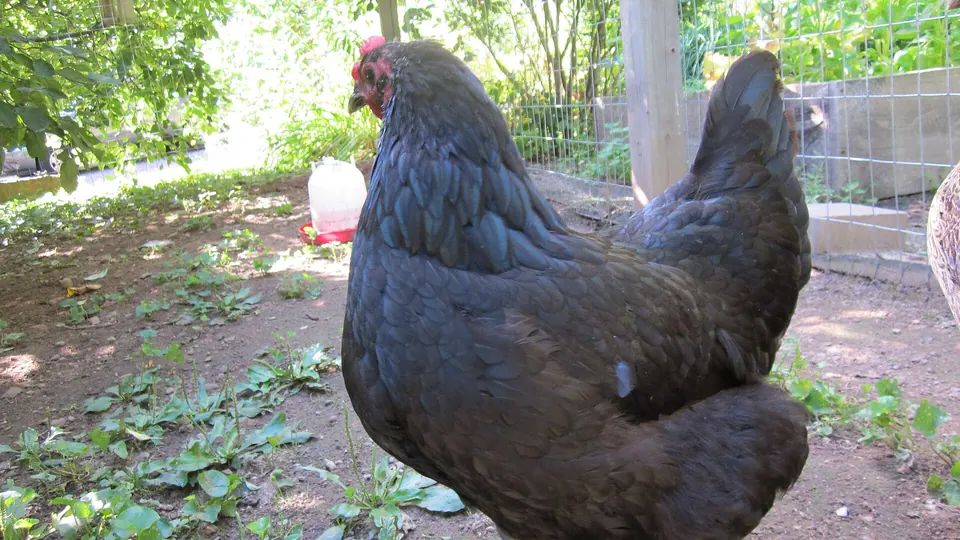
Breeds often recommended for cold winters include Wyandotte, Brahma, Plymouth Rock, Rhode Island Red, Australorp, Orpington and Cochin. The Kentucky overview also notes the California White, a Leghorn cross bred for small flocks including colder areas.
Breed is only half the story. A dry, ventilated coop, wooden roosts and liquid water matter more; see how to keep chickens warm in winter.
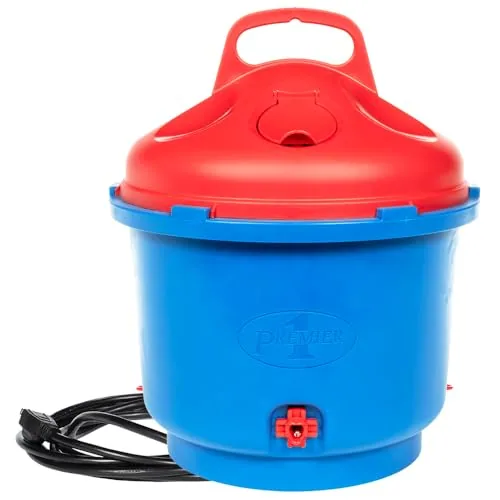
Premier 1 All-Season Heated Waterer, 3 Gal
- Type
- Nipple (3 recessed)
- Capacity
- 3 gal
- Heated
- 100 W
Best for Cold-winter flocks
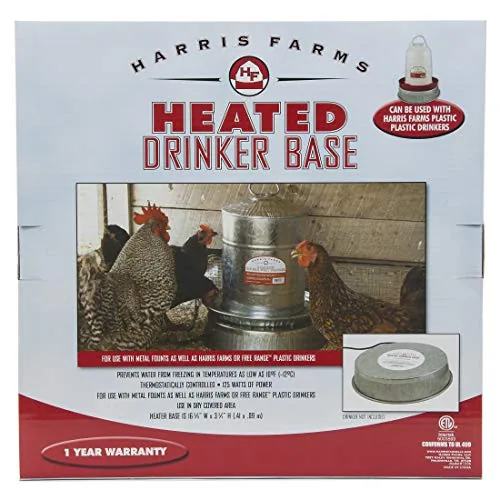
Harris Farms Heated Poultry Drinker Base, 125 W
- Heated
- 125 W
- Fits
- Metal and plastic drinkers
- Thermostat
- Automatic
Best for Keeping one drinker ice-free
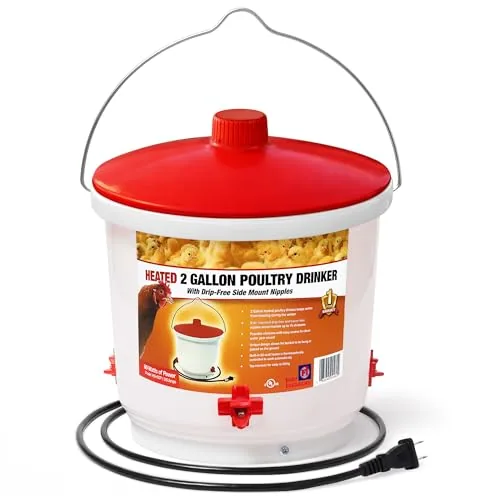
Farm Innovators HB-60P Heated 2-Gal Nipple Drinker
- Type
- Nipple (3 side-mount)
- Capacity
- 2 gal
- Heated
- 60 W
Best for Small flocks in freezing weather
Which breeds handle summer heat?
UMN says birds start panting as temperatures approach 85°F and that heat near 100°F becomes dangerous without relief. Lighter-bodied breeds with large single combs, like Leghorns and other Mediterranean types, are the classic hobby choice for hot regions, since a big comb and less body mass shed heat more easily. Very heavy, fluffy, feather-footed breeds such as Cochins and Brahmas tend to struggle more in long humid summers.
Whatever you keep, shade, airflow and plenty of cool water do most of the work. The full plan is in keeping chickens cool in summer heat.

HG Power 25W Solar Coop Fan with Thermostat
- Power
- Solar 25 W panel plus AC adapter
- Size
- 6 in metal fan
- Speeds
- 4
Best for Summer coop ventilation
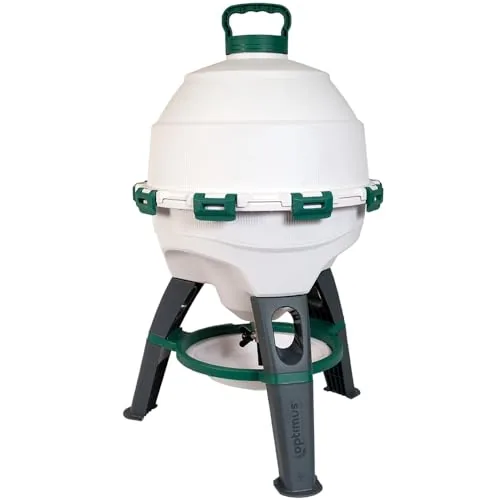
Premier 1 Optimus Poultry Waterer, 6 Gal
- Type
- Free-standing gravity
- Capacity
- 6 gal
- Material
- UV-resistant plastic, brass valve
Best for Mixed flocks with waterfowl
Which breeds lay colored eggs?
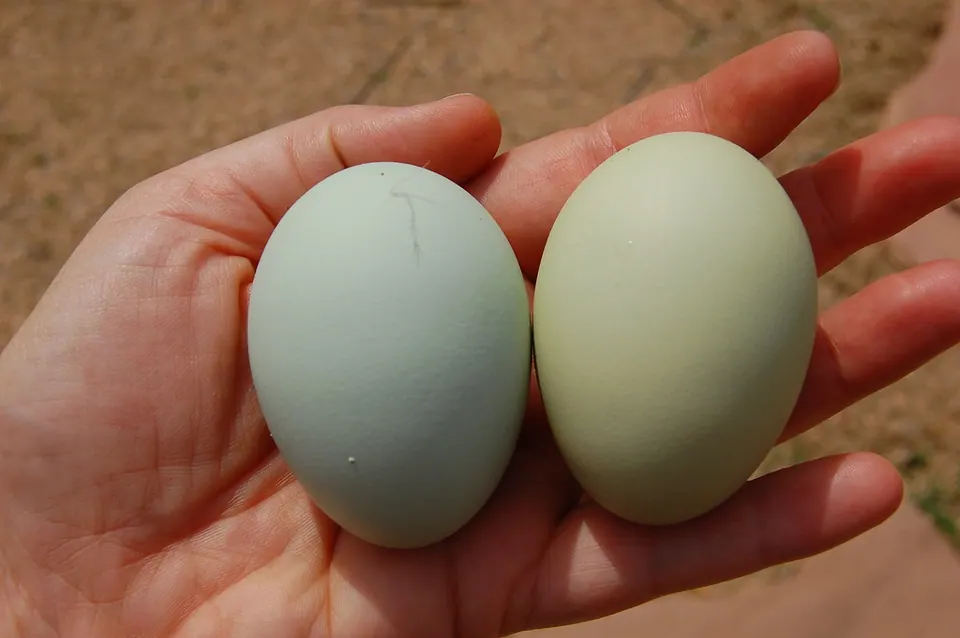
Egg color comes from genetics, not feed. The Kentucky overview gives a handy rule: hens with white earlobes usually lay white eggs and hens with red earlobes usually lay brown eggs. The exceptions are the Araucana, which carries a dominant blue-egg gene, and its crosses, the Ameraucana and Easter Egger, which lay eggs from pink to green.
- White: Leghorn, Minorca, Ancona, California White.
- Brown: Rhode Island Red, New Hampshire, Plymouth Rock, Australorp, Orpington, sex-links.
- Blue: Araucana, many Ameraucanas.
- Green, olive, pink: Easter Eggers and other blue-egg crosses.
- Dark chocolate brown: Marans are known for very dark shells; these are hard to candle, so see how to candle eggs if you hatch them.
What are the best chicken breeds for kids and small yards?
Calm, mid-sized or small birds are easiest for families. Bantams are, per the Kentucky overview, about one-quarter smaller than standard breeds, easier to handle, eat less and need less space, though they lay smaller eggs. Penn State's space table gives bantams 1 sq ft inside and 4 sq ft in the run each, against 1.5 and 8 for standard layers and 2 and 10 for large breeds.
Check local rules too: some towns limit hen numbers or ban roosters, which matters if you buy straight-run (unsexed) chicks. See backyard chicken laws and the small backyard hub for compact setups.
How to choose your breed mix in five steps
- Write down your goal. Eggs per week, temperament, egg color, winter toughness or heat tolerance. Pick one top priority.
- Check your climate. Long freezing winters: small-combed, heavier breeds. Long hot summers: lighter breeds, and plan shade first.
- Check your coop floor. Large breeds need 2 sq ft inside each by Penn State, more by UMN's 3–5 sq ft. Use the coop size calculator.
- Order sexed pullets from a hatchery or buy at a local feed store if roosters are banned. Sex-link crosses are sexed by color at hatch.
- Mix for resilience. Two or three breeds spread out egg colors and personalities, and make birds easy to tell apart.
A good breed reference helps with the long list of rare and heritage birds. These books are listed in the eggs, books and gifts hub:
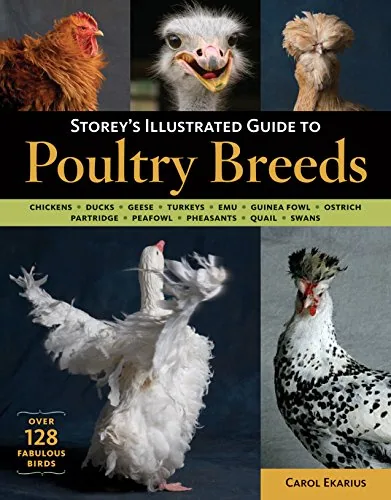
Storey's Illustrated Guide to Poultry Breeds
- Format
- Paperback
- Published
- 2007
Best for Choosing breeds

Chickenology: The Ultimate Encyclopedia
- Format
- Hardcover
- Published
- 2021
- Series
- The Farm Animal Series
Best for Breed lovers and gift giving
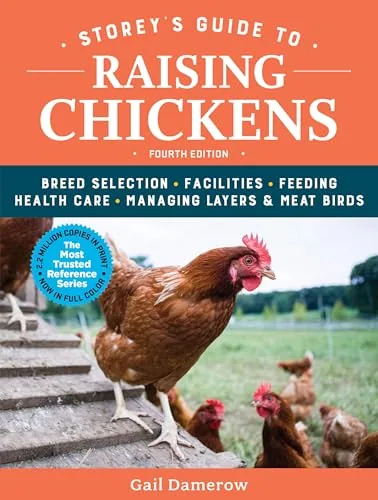
Storey's Guide to Raising Chickens, 4th Edition
- Format
- Paperback
- Published
- 2017
- Edition
- 4th edition
Best for Keepers wanting a thorough reference

A Kid's Guide to Keeping Chickens
- Format
- Paperback
- Published
- 2015
Best for Families starting a flock
Breed-picking mistakes to avoid
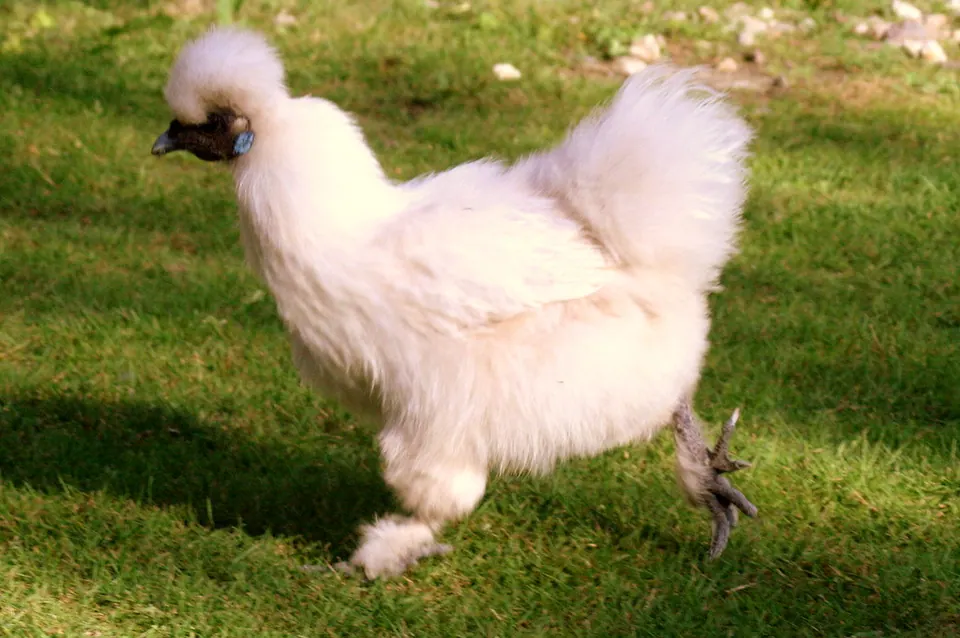
- Choosing on looks alone. Silkies and Polish are charming but not top layers, and crested birds can struggle in wet weather.
- Buying commercial layers for small children. High-strung birds are harder to handle.
- Forgetting broodiness. Breeds such as Orpingtons are often broody, which pauses laying for weeks. See molting and broody hens.
- Ignoring space for big breeds. Brahmas and Jersey Giants in a coop sized for bantams will fight and foul the bedding.
- Straight-run chicks in a no-rooster town. Expect about half to be cockerels.
For a first flock, start with two or three dual-purpose breeds such as Plymouth Rock, Rhode Island Red, Wyandotte, Australorp or Orpington, and add a sex-link if you want more eggs. Match the mix to your climate and your coop floor, and buy sexed pullets if roosters are off the table.
Questions
What is the best chicken breed for beginners?
What chicken lays the most eggs?
What chickens are best for cold weather?
What is the friendliest chicken breed for kids?
What breed lays blue eggs?
Can different chicken breeds live together?
Sources
- University of Kentucky (J. Jacob), Selecting a chicken breed for small or backyard poultry flocks, Small and Backyard Poultry extension
- University of Minnesota Extension, Raising chickens for eggs
- University of Minnesota Extension, Raising layer chicks and pullets
- University of Minnesota Extension, Caring for chickens in cold weather
- University of Minnesota Extension, Preventing heat stress in poultry
- University of Arkansas Cooperative Extension, Cold weather and backyard poultry (2024)
- Penn State Extension, Small-Scale Poultry Housing
- CDC Healthy Pets, Backyard Poultry