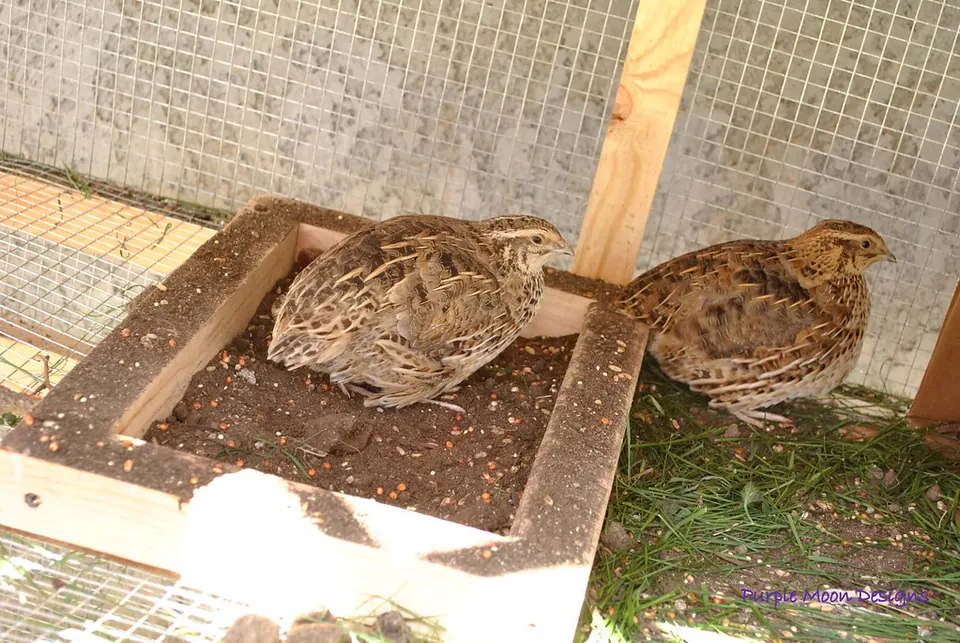
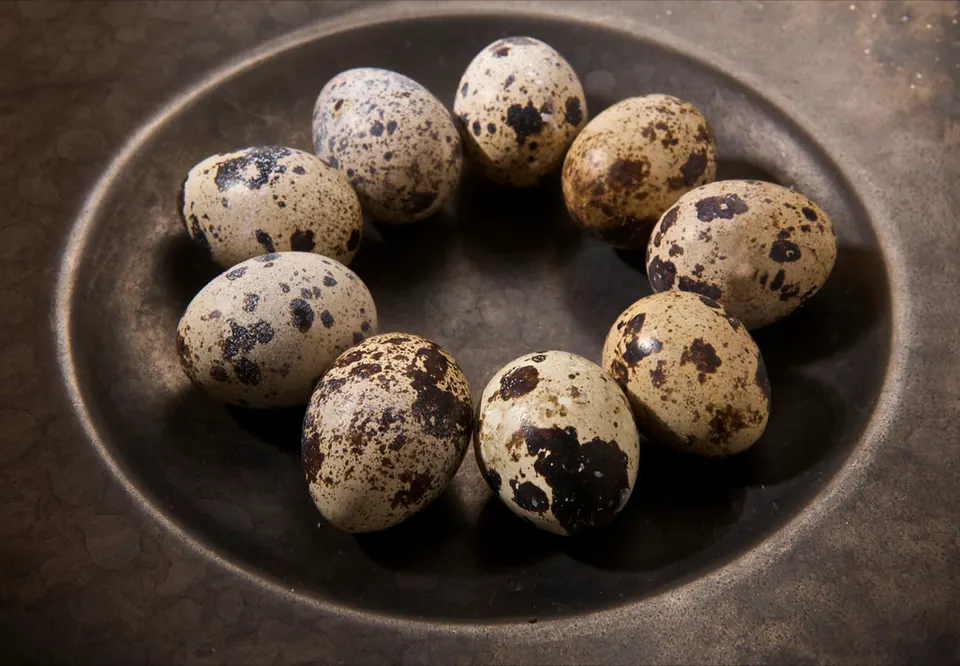
- Raising quail needs less room than chickens: Penn State's minimum for quail is 1 sq ft inside and 4 sq ft in an outdoor run per bird.
- Coturnix quail hatch in about 17 days with turning stopped on day 15; bobwhites take 23–24 days with turning stopped on day 20 (Mississippi State Extension).
- Brinsea suggests 40–50% relative humidity for quail eggs, rising to 65% or more at hatch.
- Quail chicks are tiny: use no-drown waterer bases, avoid wire floors that trap hocks (Penn State), and start the brooder at 90–95°F, lowering about 5°F a week (Mississippi State).
- Check local rules first. Some towns treat quail as poultry or livestock, and UF/IFAS notes other birds may be restricted even where chickens are allowed.
Raising quail is a popular way to produce eggs, or birds for the table, in a small yard or even a garage. Coturnix (Japanese) quail grow and mature quickly, hatch in just over two weeks and lay small speckled eggs; bobwhites are native American game birds, kept for hunting-dog training, release programs where permitted, and their eggs. Both are quiet compared with chickens, but both are fragile as chicks and have their own housing and hatching needs.
This guide covers local rules, space, housing, feed and water, incubating quail eggs, brooding quail chicks, health and safety. Numbers come from Penn State and Mississippi State University Extension, Brinsea and CDC. Live quail and hatching eggs come from hatcheries and breeders, never through our product links.
Coturnix or bobwhite: which quail should you raise?
Coturnix vs bobwhite at a glance
| Coturnix (Japanese) quail | Bobwhite quail | |
|---|---|---|
| Incubation (MSU) | 17 days | 23–24 days |
| Stop turning (MSU) | Day 15 | Day 20 |
| Forced-air temperature (MSU) | 100°F | 100°F |
| Humidity (Brinsea, quail in general) | 40–50% → 65%+ at hatch | 40–50% → 65%+ at hatch |
| Temperament | ~ Calm, kept in hutches and pens | ~ Flightier; needs taller, covered pens |
| Common purpose | Eggs and meat in small spaces | Game-bird projects, dog training, eggs |
| Rules | Check city and state rules | Check state wildlife rules too, especially for any release |
Source: Mississippi State University Extension; Brinsea
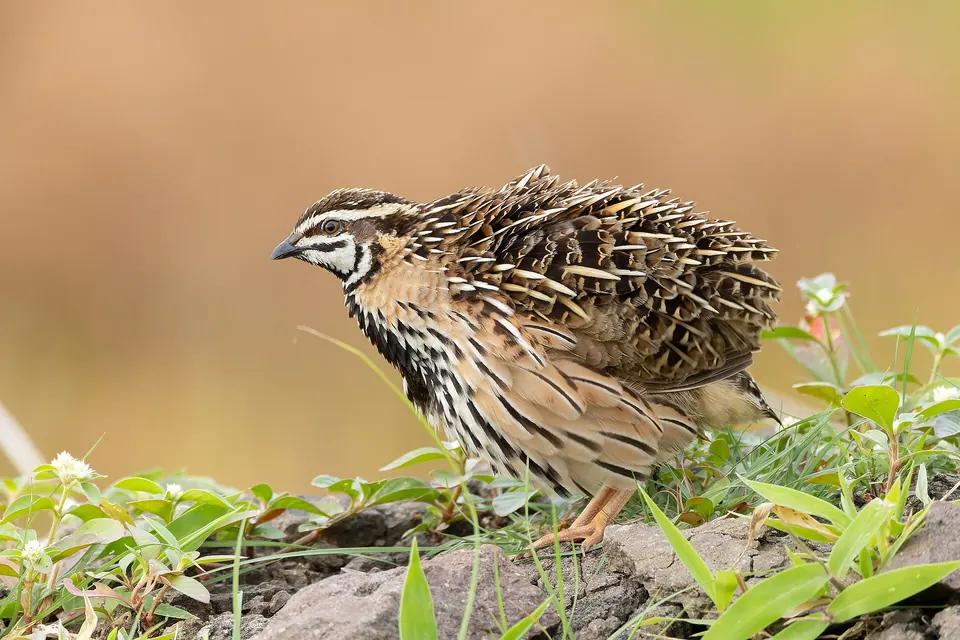
Most backyard keepers start with coturnix because they are easier to house and hatch fast. Bobwhites are native wildlife species, and some states regulate keeping or releasing them, so check with your state wildlife agency before buying.
How much space do quail need?
Penn State Extension's minimum space table lists quail at 1 square foot per bird inside housing and 4 square feet per bird in an outdoor run. These are minimums for healthy birds; more room cuts pecking and stress.
Space per bird, square feet: inside the coop / in the run
| Birds | Penn State | UMN | 4 + 10 rule |
|---|---|---|---|
| Standard laying hens | 1.5 / 8 | 3–5 / — | 4 / 10 |
| Large breeds | 2 / 10 | 3–5 / — | 4 / 10 |
| Bantams | 1 / 4 | 3–5 / — | — |
| Ducks | 3 / 15 | — | — |
| Geese | 6 / 18 | — | — |
| Quail | 1 / 4 | — | — |
Sources: Penn State Extension, Small-Scale Poultry Housing, Table 1 (Minimum Space Requirements for Poultry); University of Minnesota Extension, Raising chickens for eggs (“a minimum of 3 to 5 square feet of indoor space per bird”); Widely repeated hobby guideline (4 sq ft inside, 10 sq ft in the run per standard chicken), e.g. GRIT, Chicken Coop Space Requirements. — = not given by that source.
Quail housing: hutches, pens and floors
Quail can be kept in hutches, aviary-style pens or converted rabbit hutches. What matters:
- Predator-resistant mesh. Rats, cats, raccoons and snakes all take quail. Use 1/4 in or 1/2 in hardware cloth, not chicken wire, on all sides and the roof.
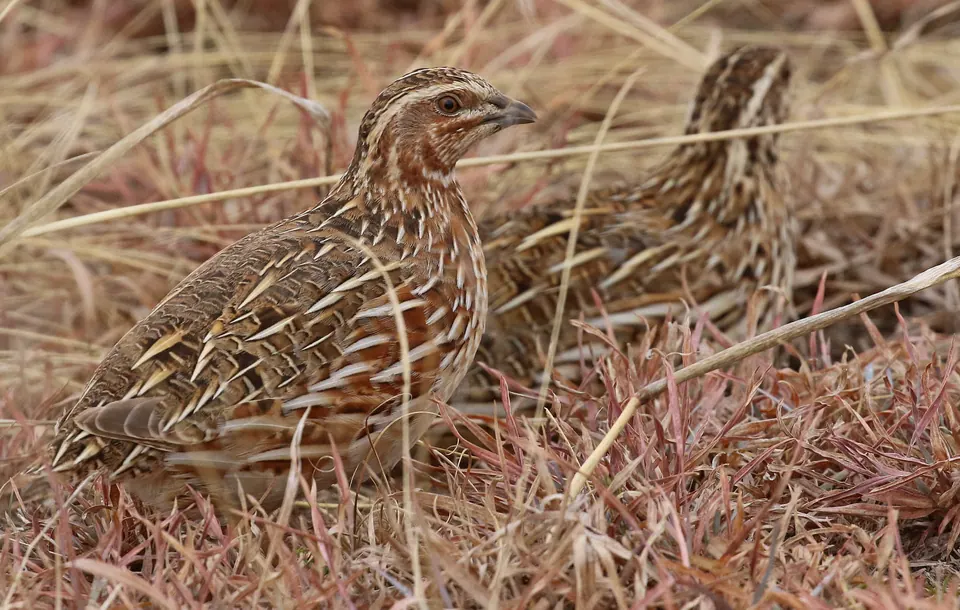
- A low or soft roof for coturnix. Startled coturnix flush straight up and can injure their heads on a hard, high ceiling; many keepers use a low roof or soft netting.
- Solid or fine floors. Penn State advises against raising game birds on wire floors where their hocks can be trapped. A solid floor with bedding, or a very fine mesh designed for small birds, is safer.
- Shelter and shade. A covered corner keeps rain and sun off and gives birds somewhere to hide.
- Dust bathing. Quail dust-bathe like chickens; a tray of sand or dry soil keeps them busy.
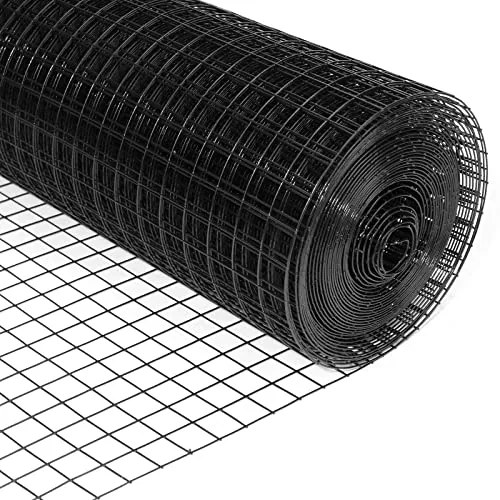
FORIMO 1/4" Hardware Cloth 24" x 50', 19 Gauge
- Size
- 24 in x 50 ft
- Electric
- No
- Mesh
- 1/4 in, 19 gauge, galvanized with black vinyl coating
Best for Predator-proofing coop openings
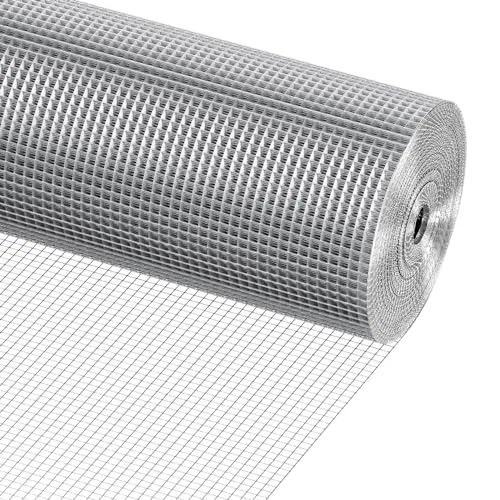
VEVOR 1/4" Hardware Cloth 36" x 50', 23 Gauge
- Size
- 36 in x 50 ft
- Electric
- No
- Mesh
- 1/4 in, 23 gauge, hot-dipped galvanized
Best for Vents, windows and small openings
Keep quail away from wild birds' feed and water as part of bird flu biosecurity.
Feed and water for quail
Quail are commonly fed a high-protein game-bird or multi-flock ration rather than standard layer feed. Use a feed whose label covers quail or game birds and follow the age directions; the Kent multi-flock pellet in the catalogue is listed at 22% protein, and Purina's Flock Raiser crumble lists chickens, ducks, turkeys and geese, so read labels before choosing. Chicks need a fine starter crumble and chick-size grit if they get anything besides complete feed.
| Product | Type | Protein % | Bag size | Size |
|---|---|---|---|---|
| Kent Home Fresh Multi Flock Pellet, 22% | Multi-flock pellets | 22% | 50 lb | — |
| Purina Flock Raiser Crumbles, 5 lb x2 | Starter/grower crumbles (all-flock) | — | 5 lb, pack of 2 | — |
| Small Pet Select Chick Grit, 10 lb | Insoluble grit (chick size) | — | — | 10 lb |
Specs as listed by the maker or seller; check the listing before you buy.
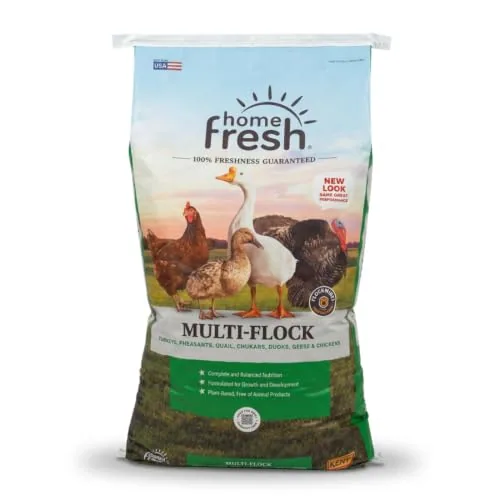
Kent Home Fresh Multi Flock Pellet, 22%
- Type
- Multi-flock pellets
- Bag size
- 50 lb
- Protein %
- 22%
Best for Mixed poultry flocks
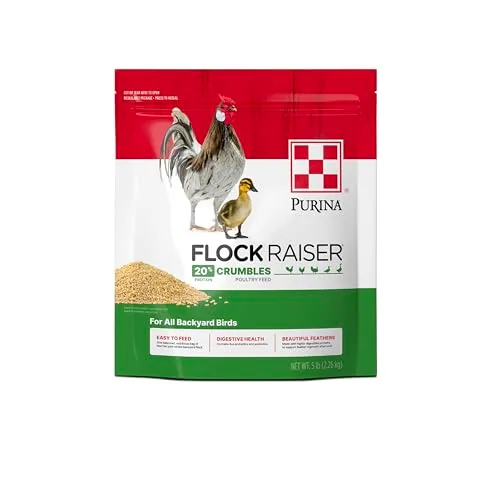
Purina Flock Raiser Crumbles, 5 lb x2
- Type
- Starter/grower crumbles (all-flock)
- Bag size
- 5 lb, pack of 2
Best for Mixed hatches of chicks and ducklings
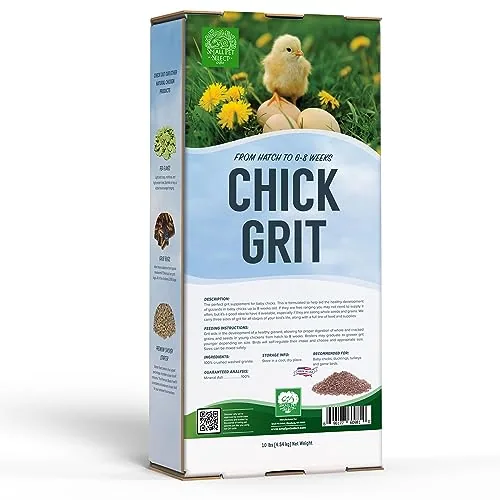
Small Pet Select Chick Grit, 10 lb
- Type
- Insoluble grit (chick size)
- Size
- 10 lb
Best for Chicks and ducklings
Water is where quail chicks get into trouble: they are small enough to drown in a standard chick waterer channel. Use narrow-channel or no-drown bases, or fill the channel with clean marbles or pebbles for the first week. Small port feeders keep feed clean.
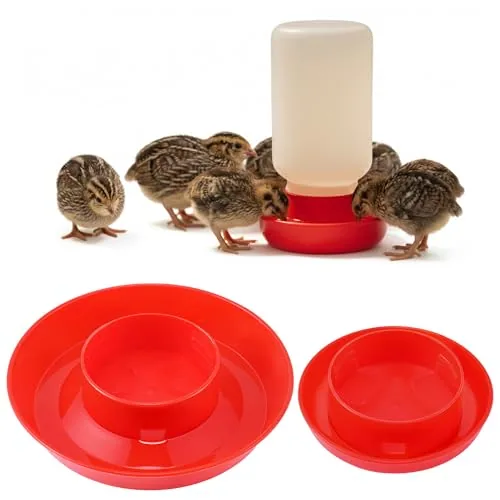
Enhon Quail & Chick No-Drown Waterer Bases, 2-Pack
- Fits
- 2.5 in threaded-neck bottles (bottle not included)
- Bases
- Drinking 4.3 in; feeding 6 in
- Design
- No-drown
Best for DIY quail and chick waterers
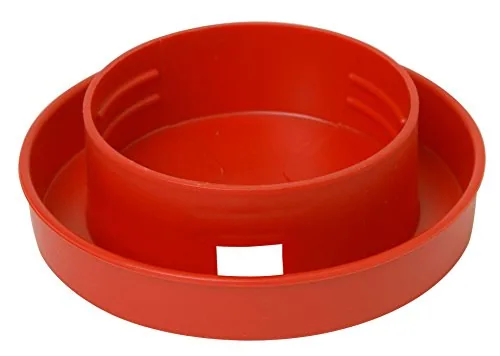
Little Giant Quail Waterer Base, 1 Qt, Narrow Channel
- Capacity
- 1 quart jar (sold separately)
- Material
- Polystyrene
- Design
- Narrow channel for quail and chicks
Best for Quail and tiny chicks
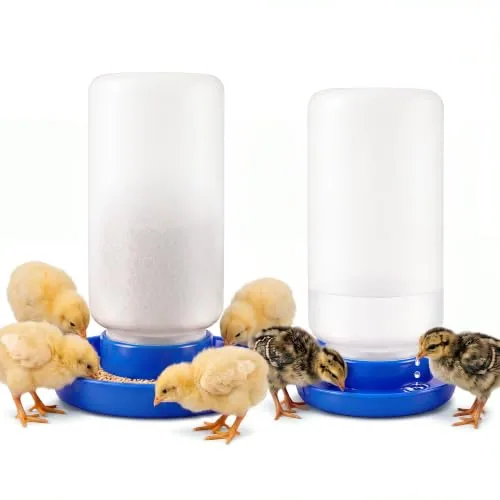
Enhon 1L Chick & Quail Feeder Waterer Set, 2-Pack
- Capacity
- Two 1 L containers
- Bases
- Drinking base 4.3 in; feeding base 6 in
- Design
- Anti-drown drinking base
Best for Quail and chick brooders
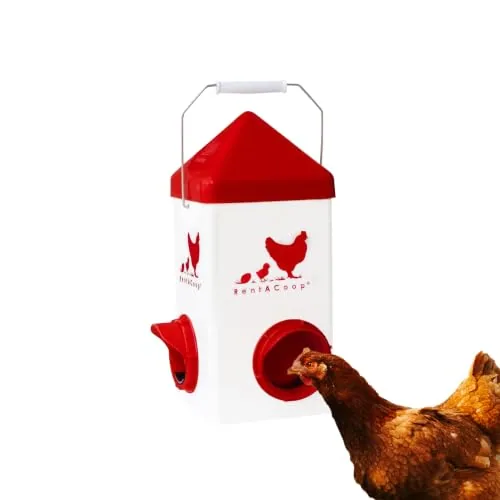
RentACoop Chick2Chicken 2-Port Feeder, 5 lb
- Type
- Port feeder, 2 medium ports
- Capacity
- 5 lb
- Material
- Plastic
Best for Chicks, quail and bantams
How to incubate quail eggs
Quail eggs follow the same principles as chicken eggs, scaled down. Mississippi State Extension's species table gives 100°F in a forced-air incubator for both coturnix and bobwhite, with turning stopped on day 15 and day 20 respectively. Still-air incubators run 2–3°F higher at the top of the eggs. Brinsea suggests 40–50% relative humidity during incubation, then 65% or more for hatch. Always follow your incubator's manual first.
Incubation by species: forced-air settings, with the still-air offset
| Species | Days to hatch | Forced-air temp | Still-air temp | Wet-bulb, days 1 to lockdown → last 3 days | Relative humidity | Stop turning (day) |
|---|---|---|---|---|---|---|
| Chicken | 21 | 100°F (37.8°C) | 102–103°F | 85–87°F → 90°F | 45–50% → 65% or more | 18 |
| Duck (most breeds) | 28 | 100°F (37.8°C) | 102–103°F | 85–86°F → 90°F | 55–60% → 70% or more | 25 |
| Muscovy duck | 35–37 | 100°F (37.8°C) | 102–103°F | 85–86°F → 90°F | 58–60% → 65% or more | 31 |
| Coturnix quail | 17 | 100°F (37.8°C) | 102–103°F | 85–86°F → 90°F | 40–50% → 65% or more | 15 |
| Bobwhite quail | 23–24 | 100°F (37.8°C) | 102–103°F | 84–87°F → 90°F | 40–50% → 65% or more | 20 |
| Turkey | 28 | 99°F (37.2°C) | 101–102°F | 84–86°F → 90°F | 58–60% → 65% or more | 25 |
| Goose | 28–34 | 99°F (37.2°C) | 101–102°F | 86–88°F → 90°F | 58–60% → 65% or more | 25 |
| Guinea fowl | 28 | 100°F (37.8°C) | 102–103°F | 85–87°F → 90°F | 58–60% → 65% or more | 25 |
| Pheasant | 23–28 | 100°F (37.8°C) | 102–103°F | 86–88°F → 92°F | 58–60% → 65% or more | 21 |
| Peafowl | 28–30 | 99°F (37.2°C) | 101–102°F | 84–86°F → 90°F | 58–60% → 65% or more | 25 |
| Chukar partridge | 23–24 | 100°F (37.8°C) | 102–103°F | 81–83°F → 90°F | 58–60% → 65% or more | 20 |
Days, temperatures, wet-bulb and stop-turning days: Mississippi State University Extension, Important Incubation Factors. Still-air: add 2–3°F, measured at the top of the eggs (MSU). Relative humidity: Brinsea, Humidity during incubation for chickens, ducks and quail; other species show MSU's general 58–60%. Follow your incubator's manual first.
- Fit the right trays
Standard chicken rails are too wide for quail eggs. Use quail rails or a quail tray made for your incubator or turner.
- Set eggs and record the date
Use the incubation calculator for candling, lockdown and hatch dates, and log readings in the hatch log.
- Candle with a bright light
Quail shells are dark and speckled, so a high-intensity candler helps. Brinsea lists its OvaView High Intensity model for dark or mottled shells including quail.
- Stop turning and raise humidity
Day 15 for coturnix, day 20 for bobwhite (MSU). Remove eggs from rails or switch off the turner, and keep the lid closed.
- Protect hatchlings from water
Newly hatched quail are tiny; cover or reduce open water channels in the incubator during hatch and move dry chicks to the brooder promptly.
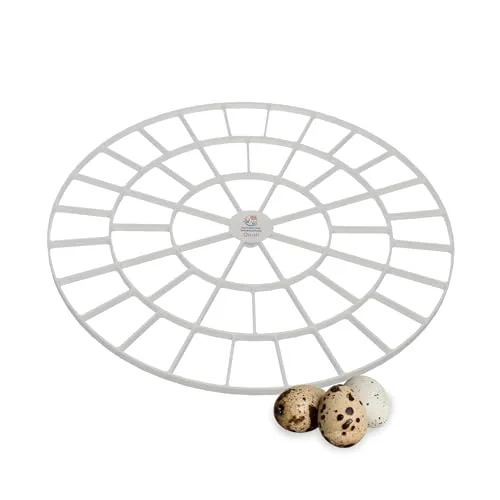
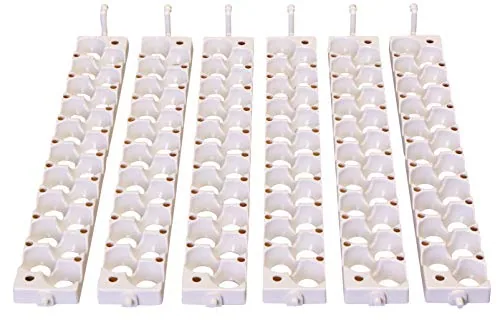
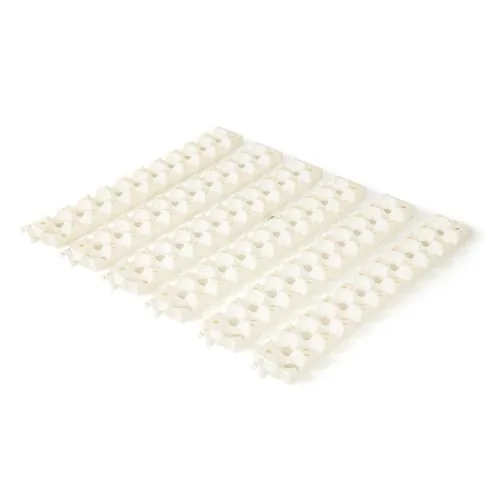
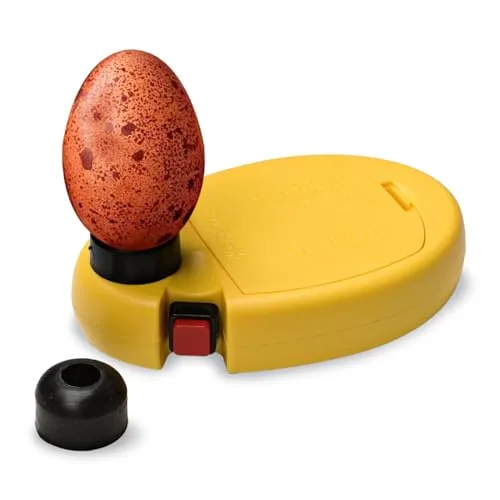
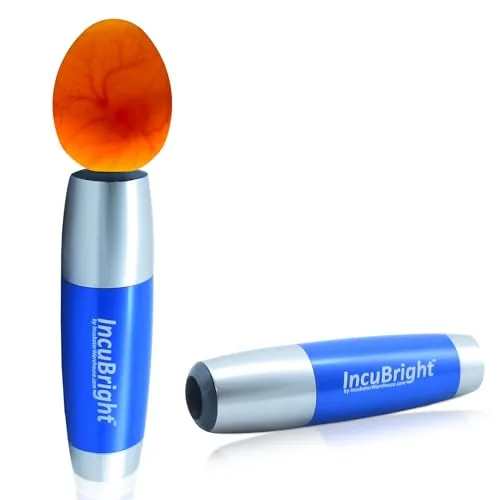
Incubators with large small-egg capacities suit quail; capacities are maker figures, so check the egg size used.
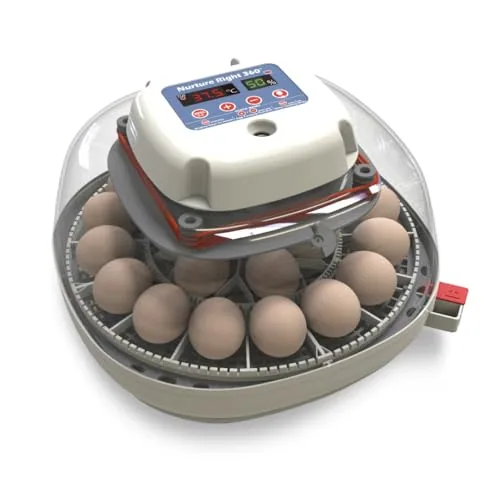
Nurture Right 360 Incubator, 22 Eggs, Auto Turner
- Egg capacity
- 22 chicken, 12–18 duck or 22–24 pheasant eggs
- Turning
- Automatic with auto-stop
- Humidity
- Display and control knob
Best for Family first hatches
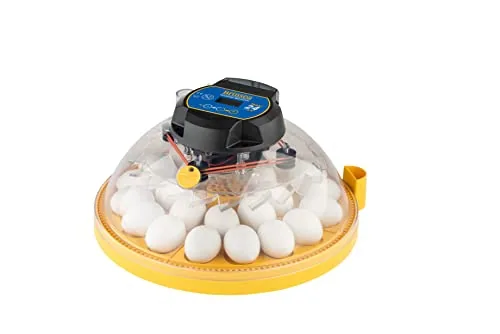
Brinsea Maxi 24 EX Incubator, Auto Humidity
- Egg capacity
- 24 chicken, 12 large, 8 jumbo or 40 small eggs
- Turning
- Automatic
- Humidity
- Automatic
Best for Keepers hatching several species
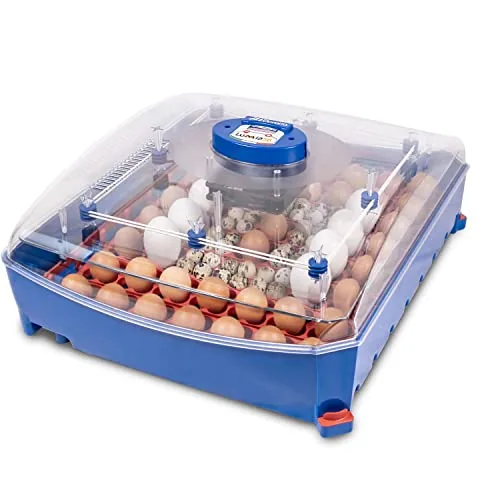
Borotto Lumia 56 Egg Incubator (Incubator Only)
- Egg capacity
- 56 large eggs or 224 small (quail, partridge)
- Turning
- Automatic, left-right, hourly cycle
- Humidity
- Manual water trays; optional humidity pump sold separately
Best for Mixed-species hatches of medium size
Compare options in best quail incubators and read the species chart in incubation chart by species.
Incubation calculator by speciesPick coturnix or bobwhite quail for day-by-day dates.Brooding quail chicks
Mississippi State Extension's sheet on brooding chickens and quail recommends starting the brooder 24 hours before chicks arrive, at 90–95°F at the edge of the heat source about an inch above the litter, then lowering it about 5°F each week until birds are about five weeks old. It also notes that overheating is a frequent brooding error, so give chicks room to move away from the heat. Watch behavior: chicks huddled under the heat are cold; chicks spread away from it, panting and drowsy, are too hot.
- Use a solid floor with paper towels for the first days, then fine bedding.
- A circular corral or a brooder with no corners stops piling.
- Use narrow no-drown waterers and shallow feed trays.
- Cover the top: quail chicks can jump and flutter surprisingly early.
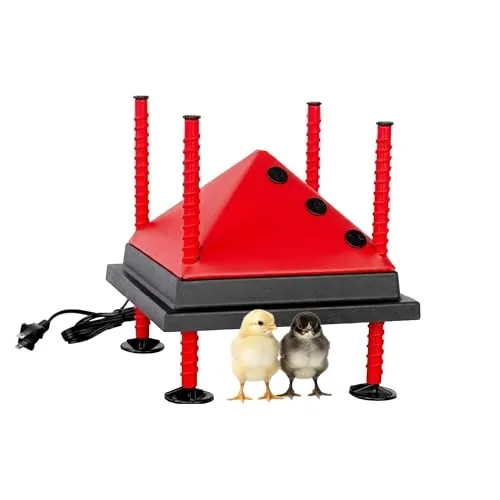
RentACoop 10x10 Heating Plate, Anti-Roost Cone
- Chicks
- Up to 15 chicks
- Heated area
- 10 x 10 in
- Wattage
- 15 W
Best for Small batches of up to 15
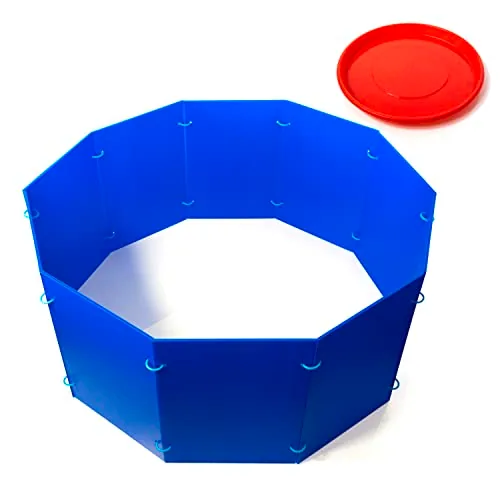
YAKCAM Circular Chick Brooder Corral, Up to 15
- Chicks
- Up to 15 chicks or ducklings
- Size
- 39 in diameter, 17 in tall
- Material
- Reusable corrugated panels
Best for Simple first brooders
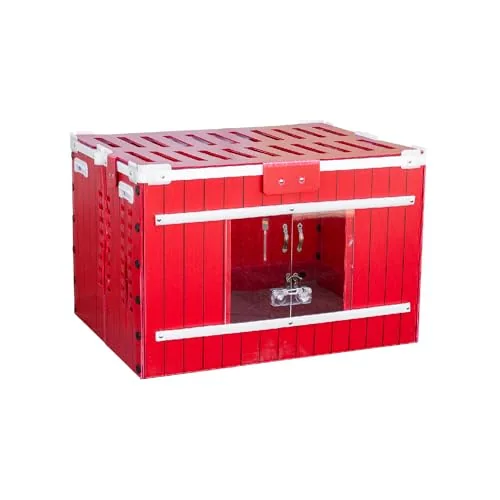
RentACoop Little Red Barn Chick Brooder
- Chicks
- 10+ chicks for first 6 weeks (as listed)
- Size
- 32 x 17 x 20 in
- Material
- Plastic, folds flat
Best for Indoor brooding of a small batch
For general brooder setup see how to set up a brooder, and if you use any lamp, read heat lamp fire safety.
Brooder temperature chart by weekThe brooder chart gives Penn State's week-by-week chick schedule; follow your hatchery's quail guidance alongside it.Health and safety with quail
Quail can carry Salmonella like other poultry. CDC's rules apply: wash hands after handling birds, eggs or equipment, no kissing or snuggling, keep birds out of the kitchen and keep children under 5 from handling them (see Salmonella and backyard chickens). For sick birds, contact a veterinarian or your state poultry lab; report sudden deaths to your state veterinarian or USDA at 1-866-536-7593. Use any medication or pest product only per the product label, and check that the label covers quail or game birds.
Quail mistakes to avoid
- Standard chick waterers for day-old quail: drowning risk.
- Chicken egg rails in the incubator: quail eggs fall through or roll.
- Wire floors that trap small feet and hocks (Penn State).
- Overheating the brooder, a common error per Mississippi State.
- High, hard roofs for flighty coturnix.
- Ignoring wildlife rules for bobwhites, especially release.
- Feeding standard layer feed to young birds; check the label for species and age.
Shop quail-ready trays, waterers and incubators in Ducks, quail & turkeys and Incubation & hatching.
Incubation calculator by speciesPick a species and the day you set the eggs: get candling days, the stop-turning (lockdown) day and the…Brooder temperature chart by weekBrooder temperature for chicks week by week, in °F or °C, with floor space per chick, a heat-plate capacity…Printable hatch logKeep a hatch log in your browser: set date, species, eggs set, daily temperature, humidity, turning and…Questions
Is raising quail easier than chickens?
How long do quail eggs take to hatch?
What humidity do quail eggs need?
What temperature do quail chicks need?
Do quail need a coop like chickens?
Can I keep quail in the city?
Sources
- Mississippi State University Extension, Important Incubation Factors (coturnix and bobwhite)
- Mississippi State University Extension, Brooding chickens and quail (Information Sheet 1338)
- Penn State Extension, Small-Scale Poultry Housing (space per quail)
- Penn State Extension, Brooding of Domestic Fowl (game birds on wire floors)
- Brinsea, Humidity during incubation
- UF/IFAS Extension, AN239 Raising Backyard Chickens for Eggs (local ordinances)
- CDC, Backyard Poultry (Healthy Pets, Healthy People)