Billy Buckskin
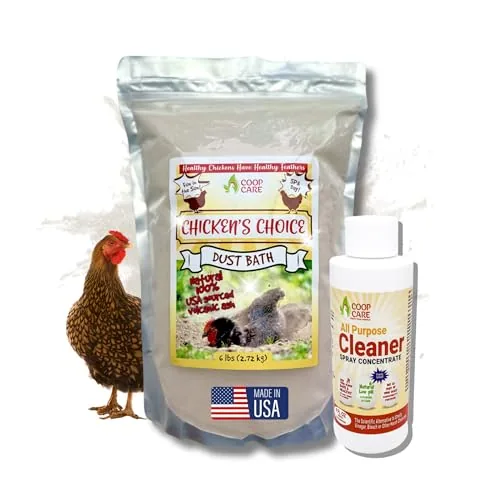
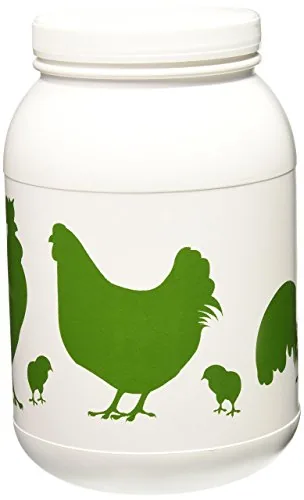
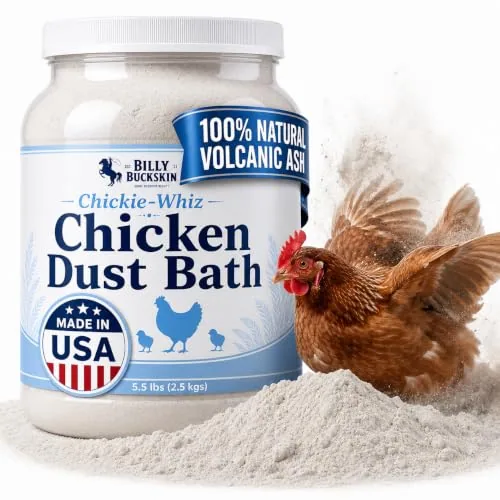
Billy Buckskin Volcanic Ash Chicken Dust Bath, 5.5 lb
- Size
- 5.5 lb
- Material
- Volcanic ash
- Origin
- Made in USA
Best for Runs without dry soil
Best for Runs without dry soil
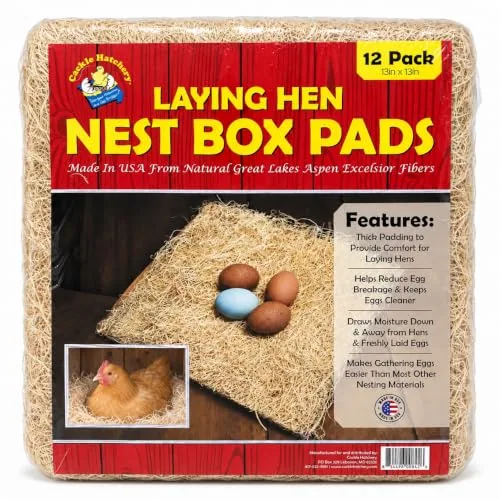
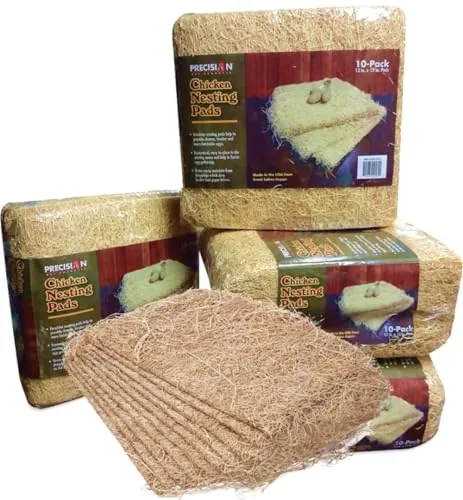
Best for Cleaner eggs from the nest box
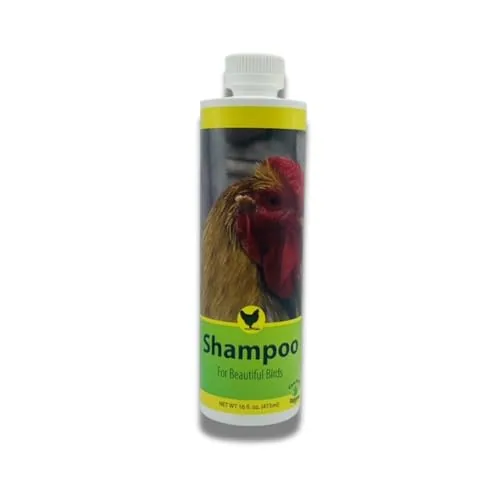
Best for Bathing birds before a show
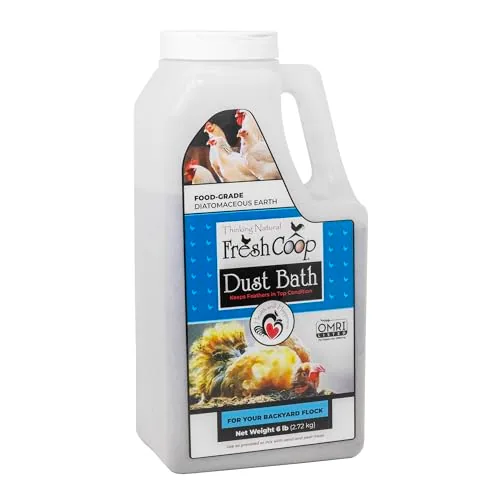
Best for Setting up a dust bath
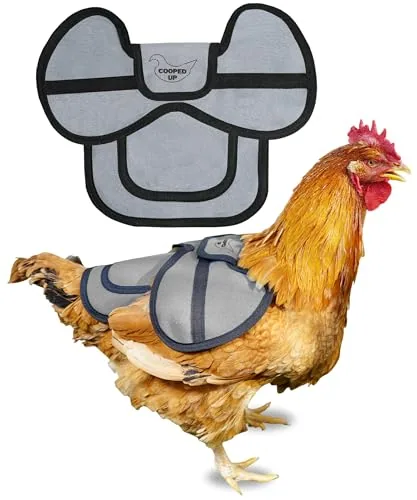
Best for Hens with worn back feathers
Best for Routine coop cleaning
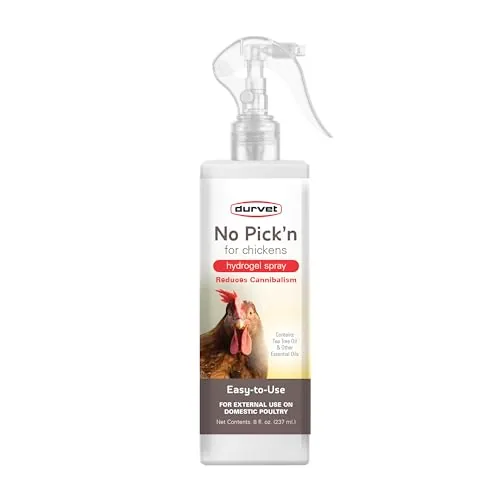
Best for Flocks with feather-picking problems
Best for Coop floors and nest boxes
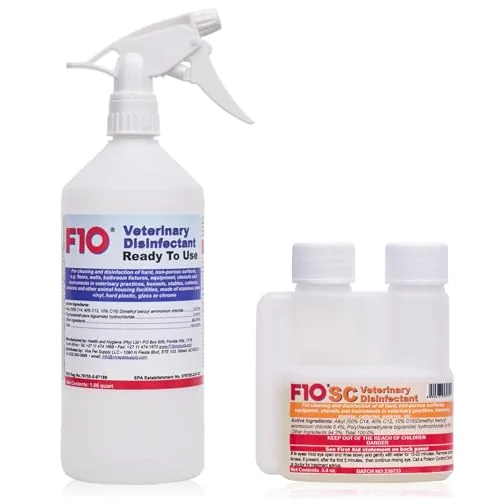
Best for Disinfecting feeders, waterers and coop surfaces
Best for Cleaning perches and roost bars
Best for Identifying hens by batch
Best for Premise pest control per label
Best for Small enclosed coops
Best for Clean, intact nest box eggs
Best for Keepers who already use DE
Best for Sand-floored coops and runs
Best for Coops without dry soil
Best for Flocks with a rooster
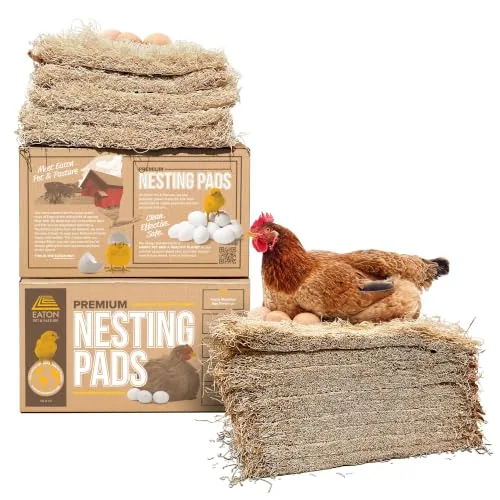
Best for Easy nest box clean-outs
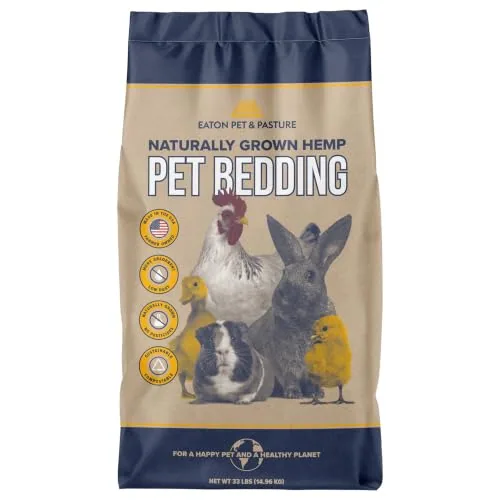
Best for Everyday coop bedding
Best for Adding a night-time deterrent around the coop
Best for Handling birds for checks
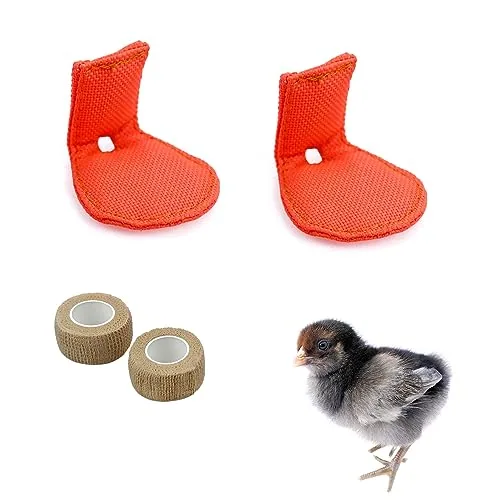
Best for Hatchers with a splay-legged chick
Best for Keeping eggs clean in the nest
Best for Runs without natural dust spots
Best for Mite and lice control per label
Best for Cleaning sand or litter floors
Best for Disinfecting feeders and equipment
Best for Poultry first aid kit
Best for Telling look-alike hens apart
Best for Nest boxes and brooders
Best for Sand-floor coops and runs
Best for Trying an alternative to shavings
Best for Ammonia control in coops
Best for Keepers stocking a first aid kit
Best for Sand-floored coops
Best for Flock first aid kit
Best for Small coops
Best for Litter and roost treatment per label
Best for Brooders and small coops
Best for Nest box liners
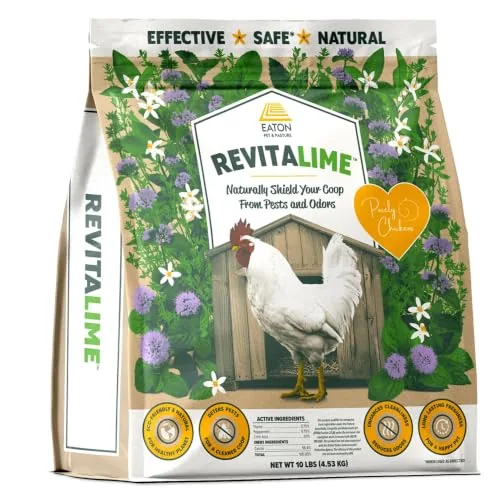
Best for Freshening coops between clean-outs
No product matches every filter. Clear one to see more.
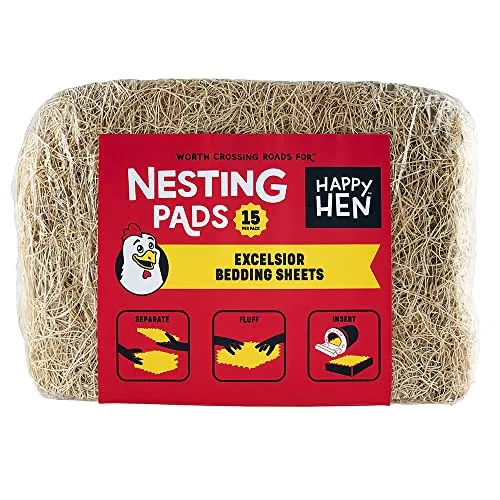
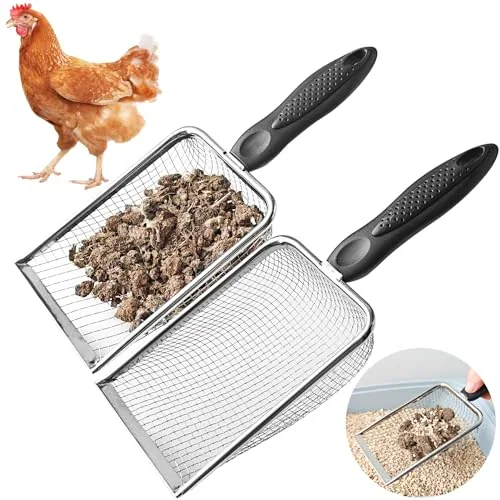
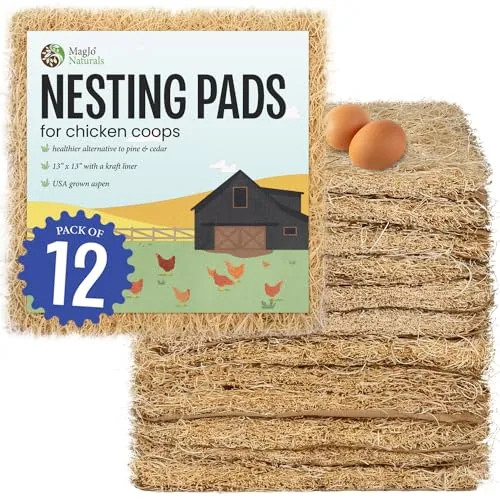
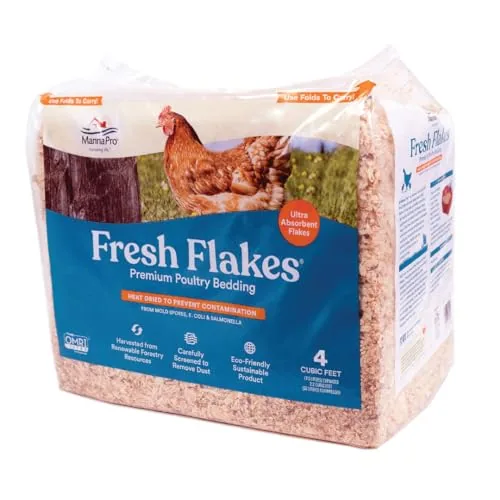
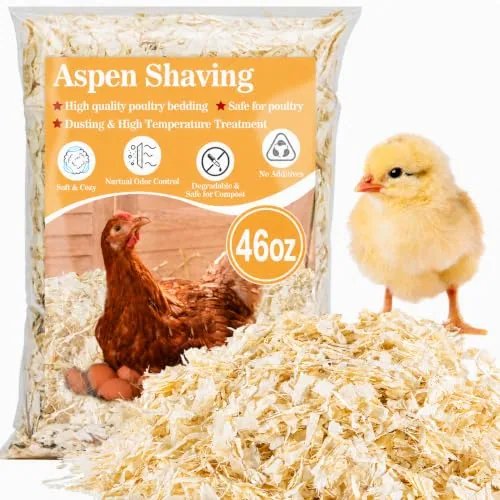
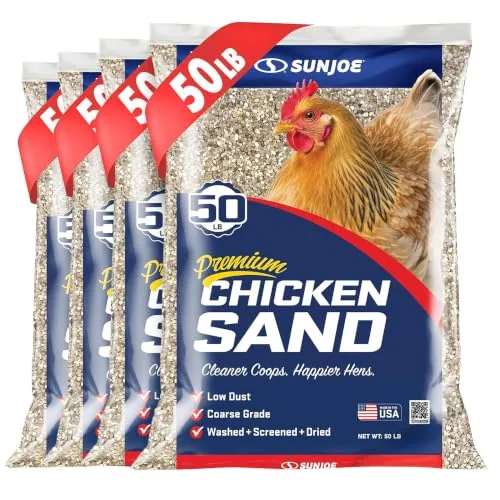
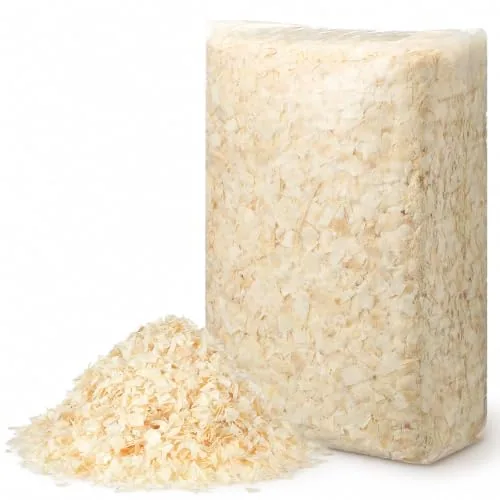
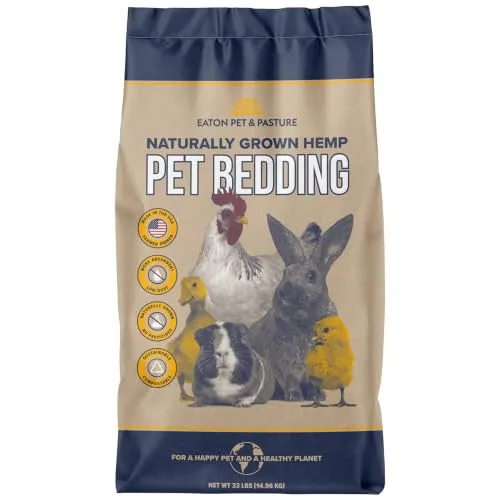
Most chicken health starts with a dry coop: fresh bedding, good ventilation high under the roof, clean water and space. Choose a bedding that absorbs moisture and is easy to scoop. Pine shavings are the classic choice; hemp is very absorbent and low in dust; coarse sand drains well and scrapes clean but needs a dry coop. Compare them in pine shavings vs hemp vs sand or try the deep litter method.
Best for Everyday coop bedding
Best for Coop floors and nest boxes
Best for Sand-floor coops and runs
Best for Small coops
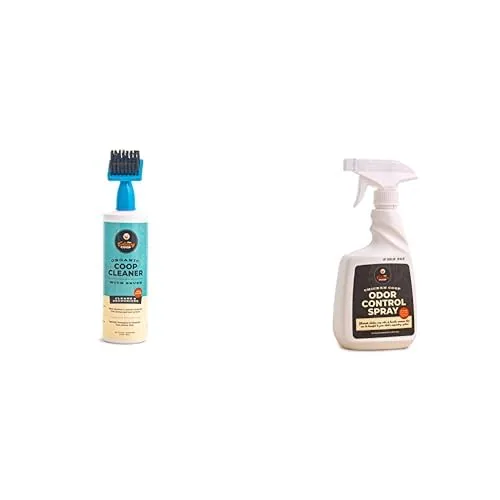
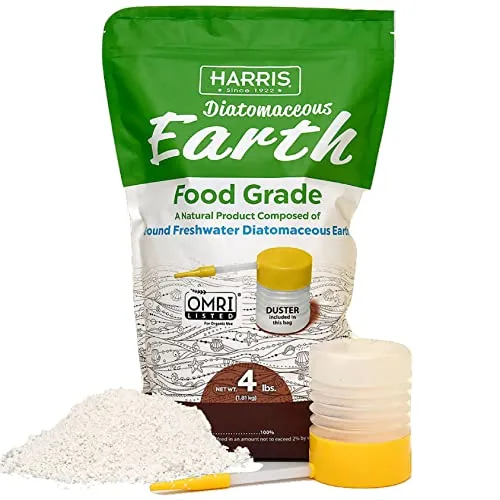
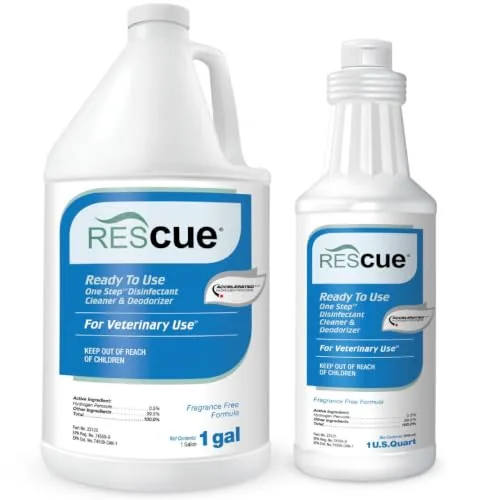
Hens also clean themselves by dust bathing. A box of loose soil, sand or a dust-bath mix gives them a spot when the run is muddy. Disinfect feeders, waterers and nest boxes between flocks with a product labeled for animal housing.
Best for Runs without dry soil
Best for Disinfecting feeders, waterers and coop surfaces
Best for Disinfecting feeders and equipment
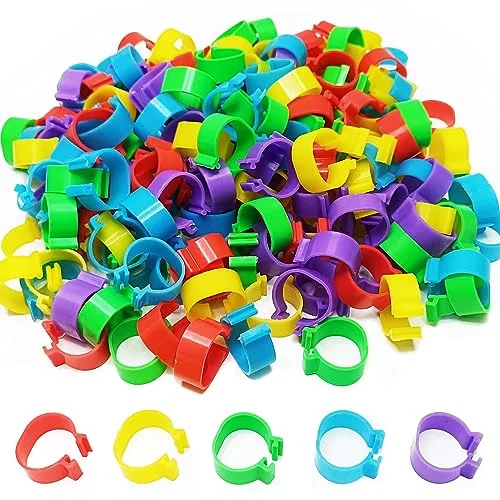
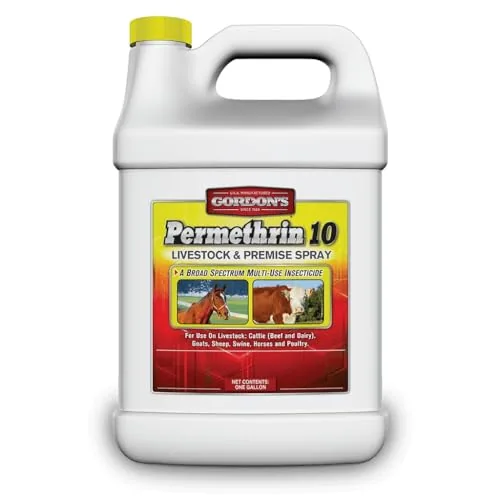
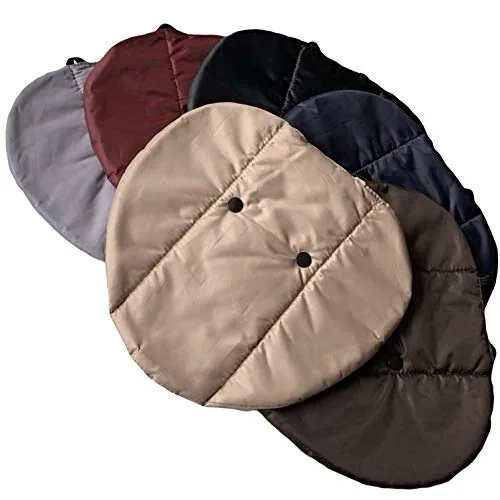
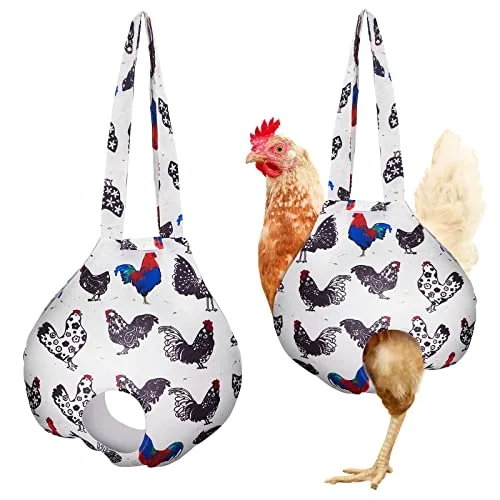
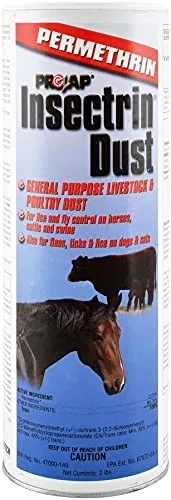
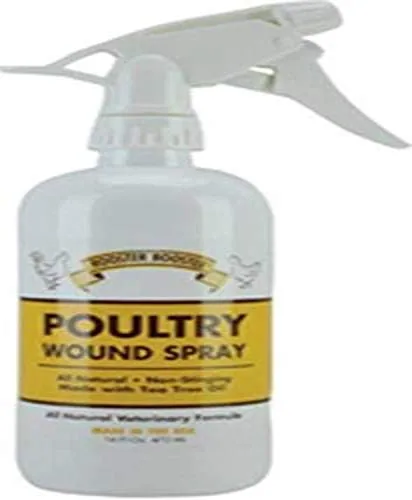
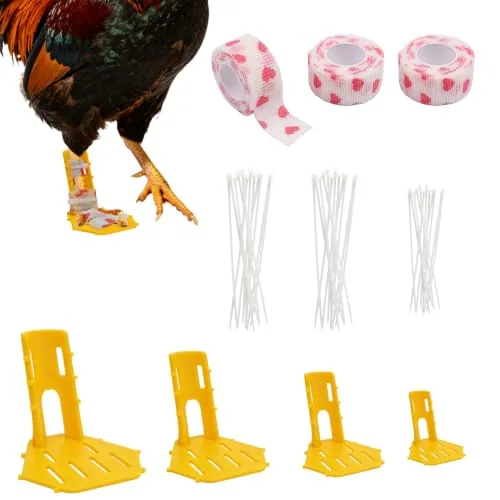
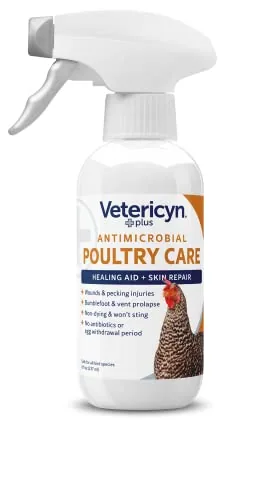
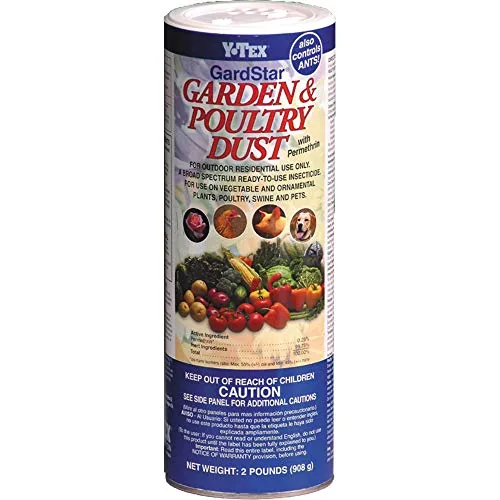
A small first aid box lets you clean a peck wound, separate an injured bird and call for help. Topical sprays such as Vetericyn Plus Poultry Care and Rooster Booster wound spray, a leg splint set and a hen saddle are labeled for specific uses; mite and lice dusts and sprays such as Prozap Insectrin carry an egg-withdrawal statement on the label.
Best for Flock first aid kit
Best for Poultry first aid kit
Best for Keepers stocking a first aid kit
Best for Mite and lice control per label
Signs to watch and when to call for help are in common chicken illnesses and first aid.
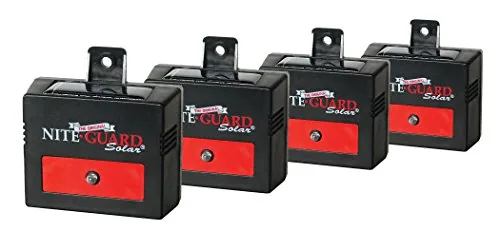
Predator lights such as Nite Guard are a deterrent, not a barrier; pair them with hardware cloth, secure latches and a door that shuts at dusk. Wash hands after cleaning the coop, as CDC advises for any contact with poultry, eggs or bedding. See runs and fencing.
Best for Adding a night-time deterrent around the coop
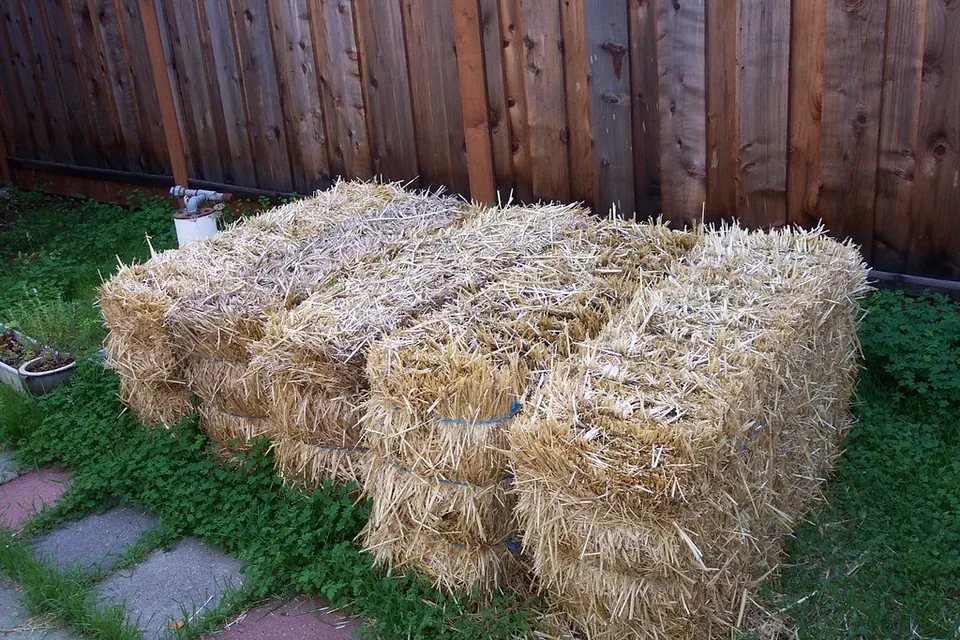 Best of
Best chicken coop bedding compared by listed material and bag size: pine shavings, hemp, sand, sunflower hulls, poplar…
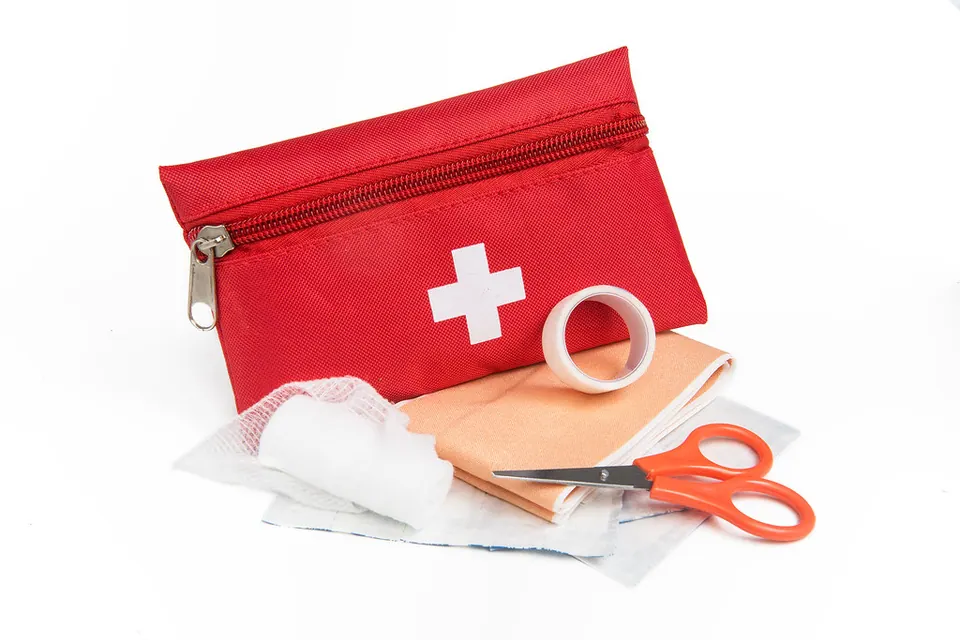 Best of
Best poultry first aid supplies for a backyard kit: wound sprays, electrolytes, leg braces, hen saddles and a sling,…
 Best of
Best predator protection for chickens compared by specs: hardware cloth, locking auto doors, run netting, electric…
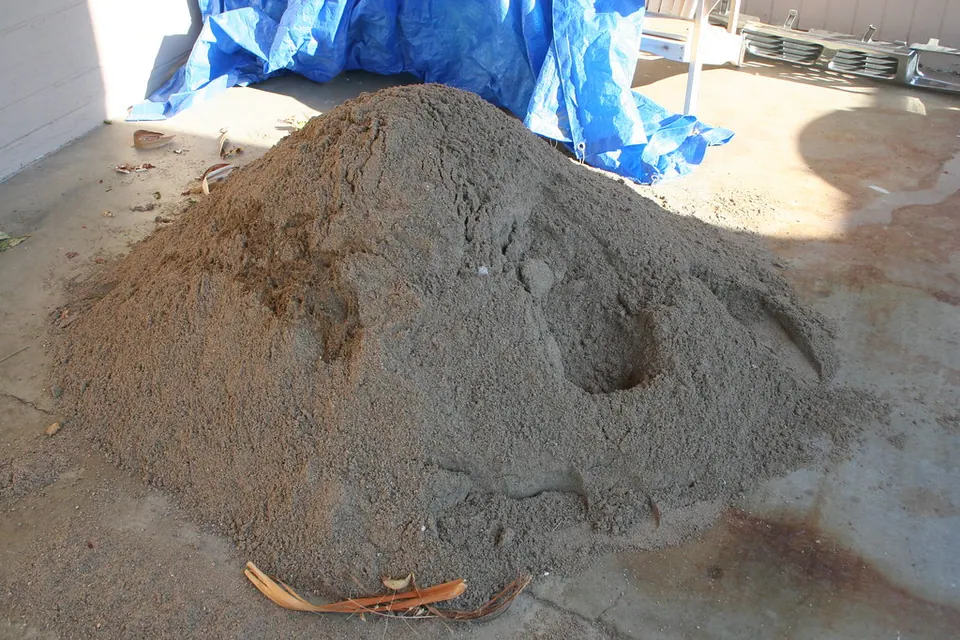 Versus
Pine shavings vs hemp vs sand for chicken coop bedding: absorbency claims, dust, deep litter, cleaning, cold weather…
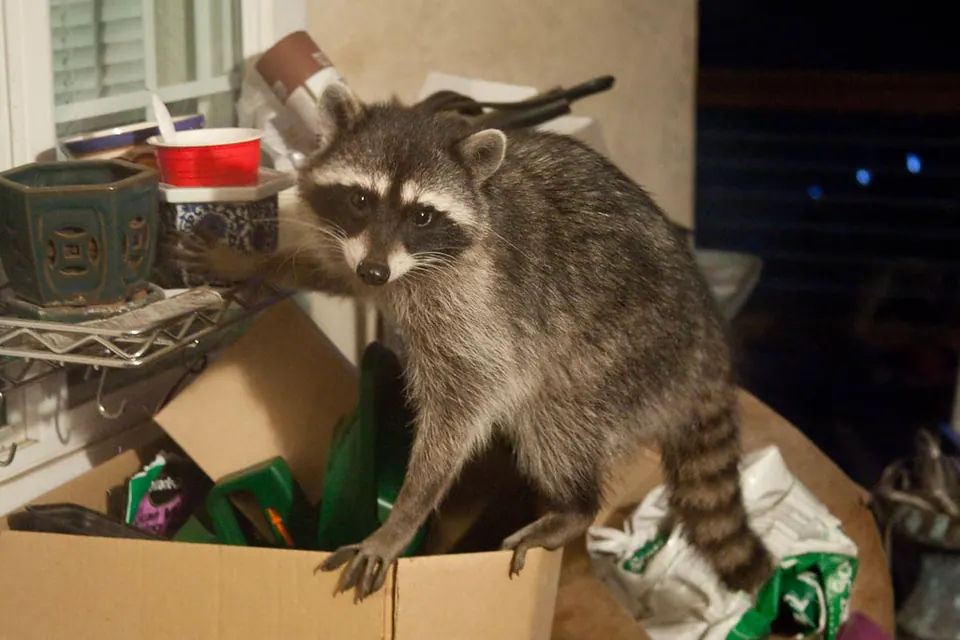 Guide
How to protect chickens from predators: read attack signs, lock the coop at night, use hardware cloth, bury an apron,…
 Guide
Why are my chickens not laying? Check age, daylight, molt, broodiness, feed, heat, stress, hidden nests, egg eaters…