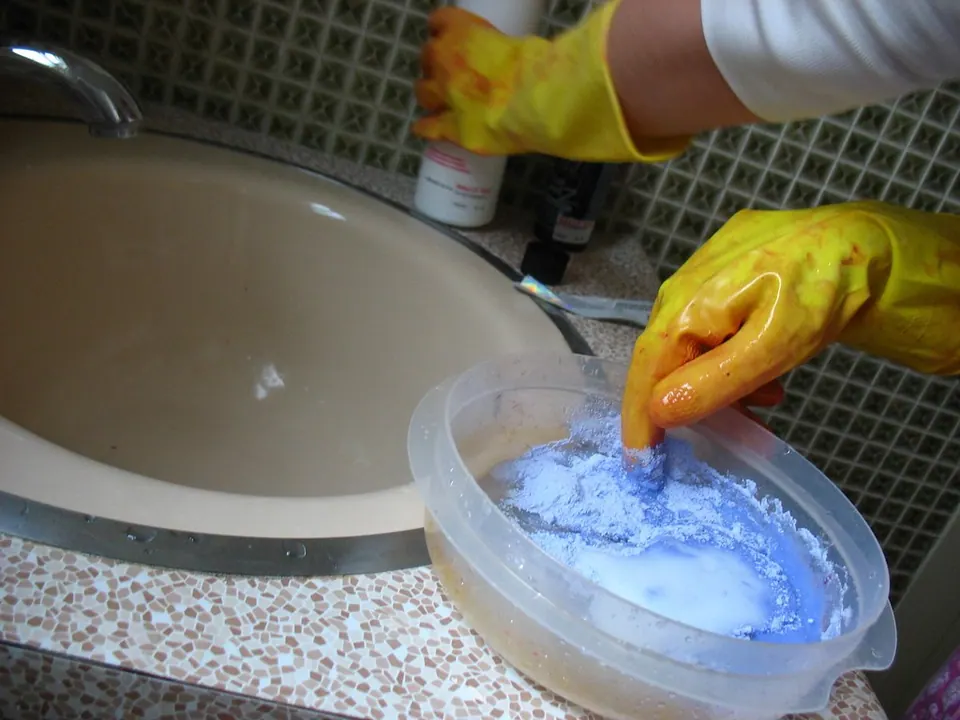
- Learning how to clean a chicken coop is mostly about rhythm: quick daily checks, weekly nest and bedding work, and a full clean-out and disinfection at least once a year (UF/IFAS).
- Dry-clean first, from the top down, then wash. Disinfectants only work on surfaces that are already clean (University of Minnesota Extension).
- Use a product labeled for the surface and follow the label for dilution and contact time. Never mix bleach with ammonia-based or acidic cleaners.
- Clean feeders, waterers and tools outdoors, wear coop-only shoes and wash your hands afterward (CDC).
- Compost old bedding properly before it goes near vegetables: UF/IFAS cites 131°F for at least three days in a contained pile.
If you want to know how to clean a chicken coop without spending every Saturday in it, the trick is splitting the work into small, regular jobs and one proper deep clean. A dry, clean coop means less ammonia, cleaner eggs, fewer mites and fewer flies, and it lowers the amount of Salmonella and other germs your family is exposed to.
This guide gives you a routine (daily, weekly, monthly, yearly), a step-by-step deep clean, the tools that make it faster and the mistakes that undo your work. The schedule and safety points come from University of Florida IFAS, University of Minnesota and University of Delaware Extension, CDC and USDA APHIS, so you can check each one at the source.
How often should you clean a chicken coop?
There is no single magic number, because it depends on flock size, coop size, bedding and climate. Extension guidance does give clear anchors, though. UF/IFAS recommends cleaning nest boxes once a week, replacing soiled litter with clean material, and thoroughly cleaning and disinfecting the entire coop at least once a year. University of Delaware Extension advises clearing out soiled bedding weekly to prevent ammonia buildup, unless you run a managed deep litter system, which only needs a full clean-out a few times a year.
A practical coop-cleaning schedule
| How often | Job | Why | Basis |
|---|---|---|---|
| Daily | Collect eggs, top up clean water, remove wet or caked spots under the waterer and roosts | Wet litter breeds ammonia and germs; dirty nests mean dirty eggs | UF/IFAS (check nests at least daily); CDC (collect eggs often) |
| Weekly | Refresh nest material; remove soiled bedding (routine method) or stir and top up (deep litter) | Keeps eggs clean and ammonia down | UF/IFAS; University of Delaware Extension |
| Weekly | Scrub waterers and feeders outdoors | Biofilm and droppings collect in founts and trays | CDC (clean equipment outside the house) |
| Monthly | Scrape roost bars and droppings boards; check birds and crevices for mites at night | Mites hide in cracks by day | UMN Extension (check birds at night) |
| Yearly (at least) | Full clean-out, wash, disinfect per label, dry, fresh bedding | Breaks the buildup of disease agents | UF/IFAS; UMN Extension |
| After illness or new birds | Full clean-out and disinfection before birds return or join | Limits carryover of disease | UMN Extension; USDA APHIS Defend the Flock |
Source: UF/IFAS AN239; University of Delaware Extension; University of Minnesota Extension; CDC
Your nose is a good early warning. If you smell ammonia at chicken height when you open the door, the bedding is too wet or the coop is under-ventilated. University of Minnesota Extension points out that air exchange is key to preventing moisture and ammonia buildup, and that damp air in cold weather leads to condensation and frostbite. Cleaning fixes the litter; ventilation fixes the cause.
What you need before you start
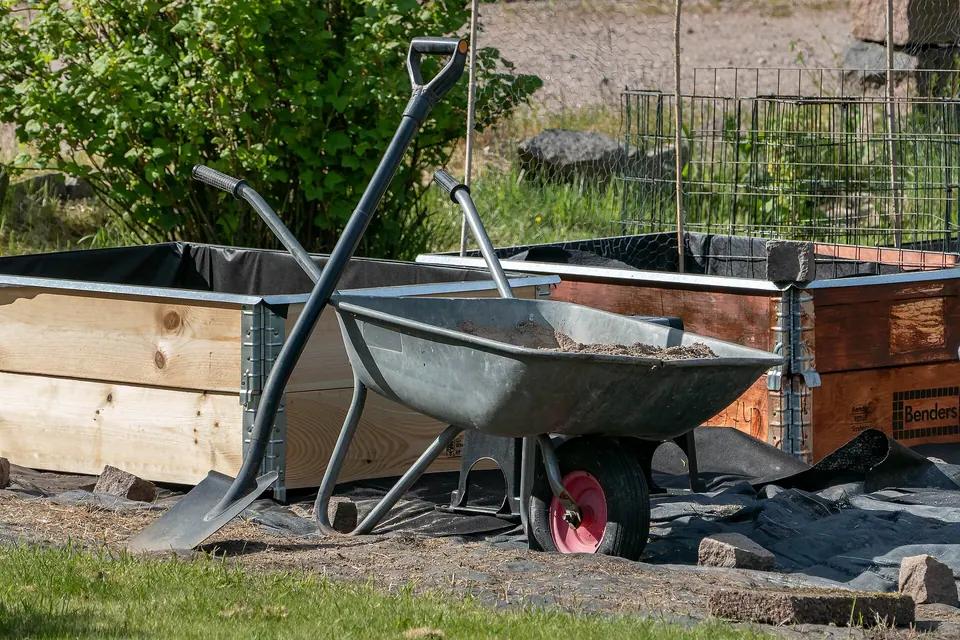
A deep clean goes faster when everything is in one bucket before the birds are moved. You need a scraper for roost bars and droppings boards, a rake or sifting scoop, a stiff brush, a hose or buckets, a mild detergent, a disinfectant whose label covers the surfaces you are treating, gloves, eye protection and a dust mask for dusty bedding. Old clothes and coop-only boots finish the kit.
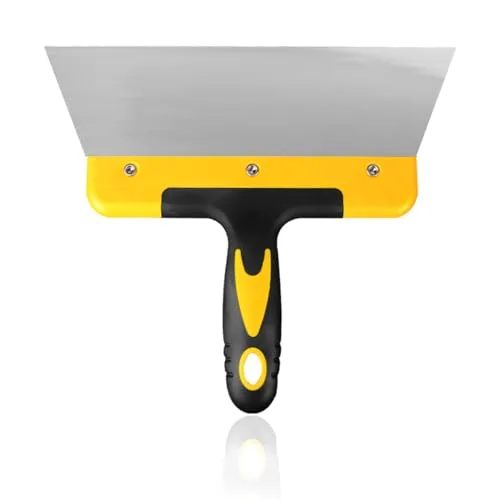
Cunguv Stainless Droppings Scraper for Coops
- Size
- 11.6 in
- Material
- High-carbon steel
Best for Routine coop cleaning
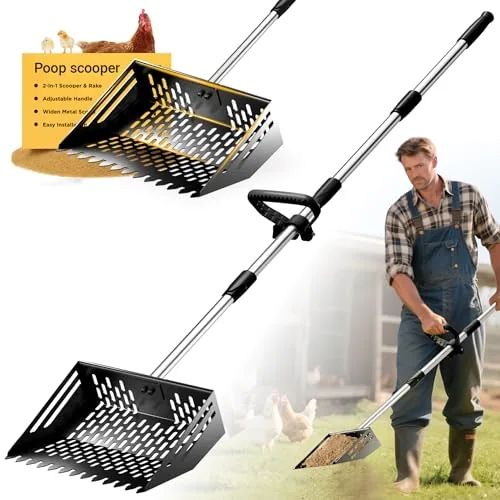
Pugala 5-in-1 Coop Poop Scooper & Rake
- Size
- 10 in head, 24-68 in handle
- Material
- Stainless steel handle, metal head
Best for Cleaning sand or litter floors

VEEMI 2-in-1 Coop Poop Scooper Rake
- Size
- 10 in head, 35-65 in handle
- Material
- 304 stainless steel head
Best for Sand-floored coops
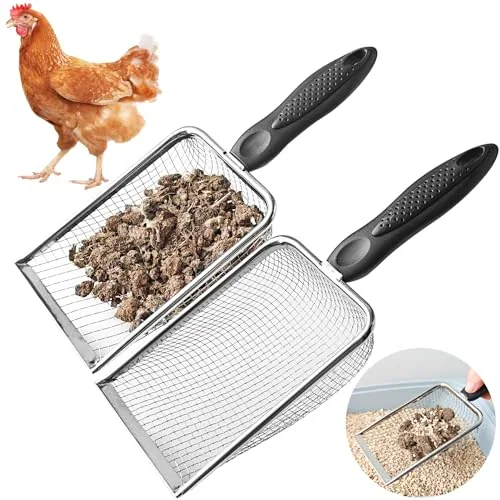
KOROI Chicken Coop Poop Scoop, 2-Pack
- Size
- 3.8 mm and 5 mm mesh
- Material
- Stainless steel mesh
Best for Sand-floored coops and runs
Sifting scoops such as the KOROI pair (3.8 mm and 5 mm stainless mesh, as listed) are made for sand and fine litter; long-handled scooper-rakes like the Pugala (24–68 in handle) or VEEMI (35–65 in handle) save your back on a walk-in coop floor. For disinfecting, pick a product whose label names the surfaces and organisms you care about and follow it exactly.
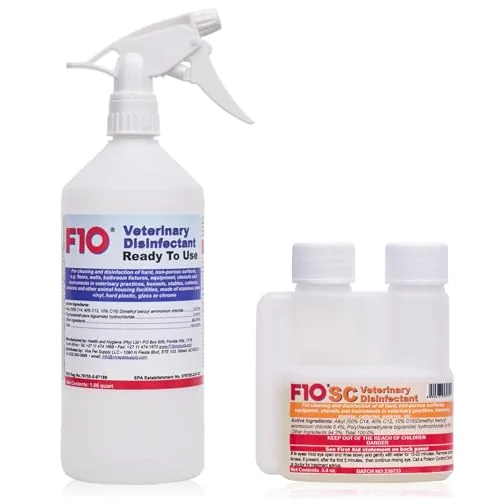
F10 Veterinary Disinfectant RTU 1 L + SC Concentrate
- Use
- Disinfecting hard, non-porous surfaces
- Active ingredient
- Not listed
- Size
- 1 L ready-to-use + 100 ml concentrate
Best for Disinfecting feeders, waterers and coop surfaces
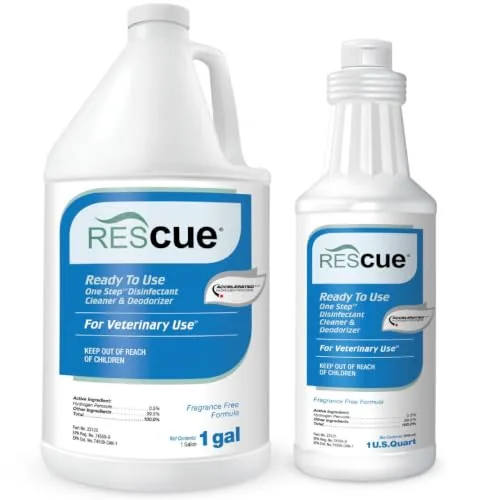
REScue Disinfectant Gallon Concentrate + 32 oz RTU
- Use
- Hard non-porous surfaces, cages and equipment
- Active ingredient
- Not listed
- Size
- 1 gal concentrate + 32 oz RTU
Best for Disinfecting feeders and equipment
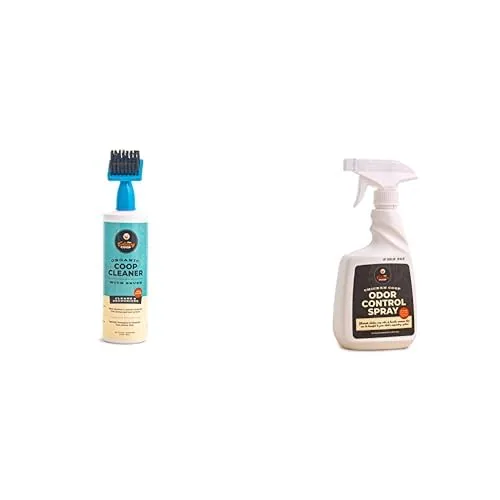
Fluker's Culinary Coop Enzyme Cleaner with Brush
- Use
- Removing droppings and odor from coop surfaces
- Active ingredient
- Natural enzymes
- Size
- Spray set with brush
Best for Cleaning perches and roost bars
How to deep clean a chicken coop in 9 steps
Pick a dry, breezy day so the coop can dry before night. Plan on a few hours for a small backyard coop, longer for a walk-in.
- Move the birds and gear out
Shut the hens in the run or a secure pen with food, water and shade. Take out feeders, waterers, nest pads, removable roosts and droppings trays.
- Dry-clean from the top down
Brush cobwebs and dust off the ceiling, light fixtures and vents first, then walls, then the floor. University of Minnesota Extension recommends removing dust, feed, manure and egg debris from the top of the building down before any wet cleaning. Clark County Fire Marshal tips also call for brushing cobwebs and dust from fixtures and outlets regularly.
- Remove all bedding
Shovel or rake out every bit of litter and nest material. Scrape droppings boards and roost bars down to bare wood or plastic.
- Wash with detergent and water
Scrub every surface with warm water and a mild detergent or an enzyme cleaner. Pay attention to roost ends, nest corners and the joints where mites hide. Rinse well.
- Disinfect per the label
Apply a disinfectant labeled for the surface, at the label dilution, and leave it wet for the label contact time. UMN advises starting within 24 hours of rinsing, since disinfectants work only on clean surfaces.
- Clean equipment outdoors
Scrub feeders, founts and nest trays outside, never in the kitchen sink. CDC asks keepers to clean poultry equipment outdoors and keep it out of the house.
- Let everything dry completely
Open doors and vents. Wet wood under fresh bedding turns into the same damp, smelly mess within days.
- Check for pests while it is empty
Look in cracks, under roost brackets and around nest boxes for mites and their gray-red specks. If you find them, read the label of any poultry insecticide before use, including any restriction on eggs, or call your veterinarian. See common chicken illnesses for what mites look like.
- Re-bed and put the coop back together
Spread fresh, dry bedding, add new nest pads, refit roosts and trays and refill feed and water. Then let the birds back in.
Choosing bedding that makes cleaning easier
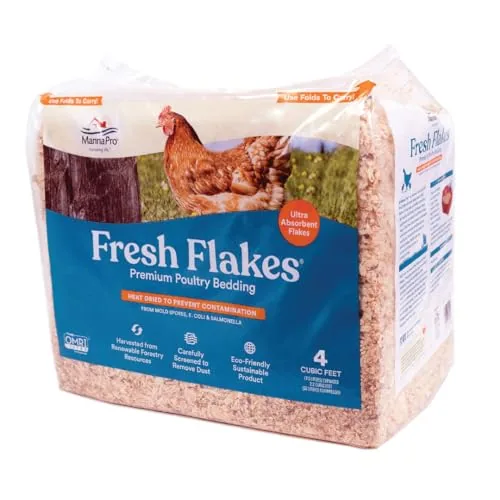
Bedding is half of coop hygiene. Absorbent, low-dust material keeps droppings drier and smells down, and it is easier to rake. Pine shavings are the classic choice; hemp, sunflower hulls and poplar flakes are alternatives with their own maker claims. Eaton Pet & Pasture says its hemp absorbs about twice as much as traditional bedding, and Sunstead cites independent testing of up to 436% of dry weight for its sunflower hulls; those are maker figures, not ours. Sand is a different system altogether: you sift it rather than replace it. Our pine vs hemp vs sand comparison and best coop bedding list go deeper.
| Product | Material | Size |
|---|---|---|
| Manna Pro Fresh Flakes Pine Shavings, 4 cu ft | Pine shavings | 4 cu ft |
| Eaton Pet & Pasture Hemp Bedding, 33 lb | Hemp | 33 lb |
| Sunstead SunBed Sunflower Hull Coop Bedding, 22 lb | Sunflower hulls | 22 lb, 2 cu ft |
| Woanger Poplar Wood Flake Coop Bedding, 10 lb | Poplar wood shavings | 10 lb compressed |
Specs as listed by the maker or seller; check the listing before you buy.
Manna Pro Fresh Flakes Pine Shavings, 4 cu ft
- Size
- 4 cu ft
- Material
- Pine shavings
Best for Everyday coop bedding
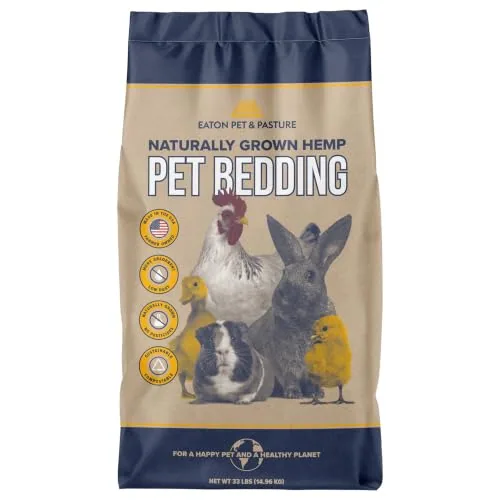
Eaton Pet & Pasture Hemp Bedding, 33 lb
- Size
- 33 lb
- Material
- Hemp
Best for Coop floors and nest boxes
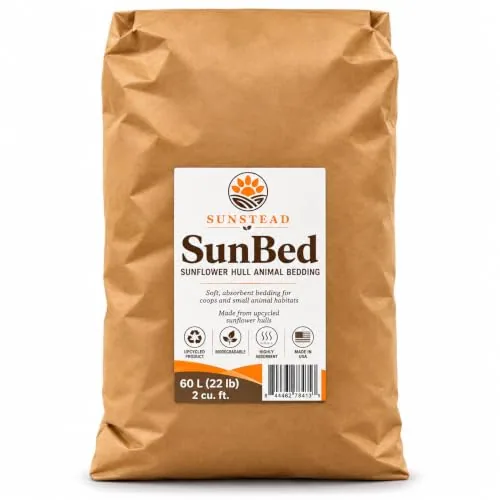
Sunstead SunBed Sunflower Hull Coop Bedding, 22 lb
- Size
- 22 lb, 2 cu ft
- Material
- Sunflower hulls
Best for Trying an alternative to shavings
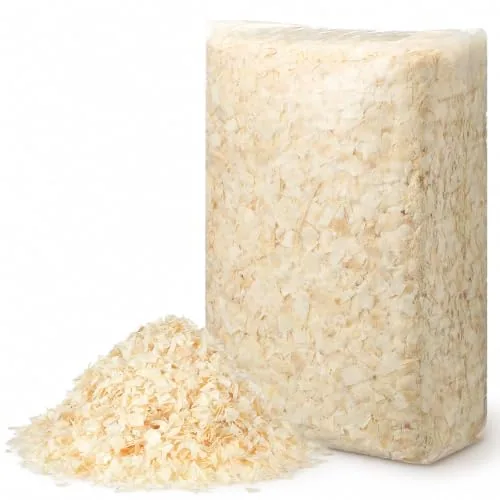
Woanger Poplar Wood Flake Coop Bedding, 10 lb
- Size
- 10 lb compressed
- Material
- Poplar wood shavings
Best for Small coops
Odor products help between cleanings but do not replace them. A zeolite or calcite freshener sprinkled under fresh bedding can take the edge off ammonia; use it per its label and keep fixing the moisture source.
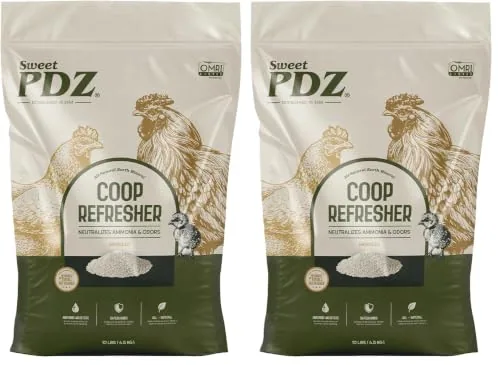
Sweet PDZ Coop Refresher Zeolite, 10 lb x2
- Use
- Coop odor and ammonia control
- Active ingredient
- Zeolite mineral
- Size
- 10 lb, pack of 2
Best for Ammonia control in coops
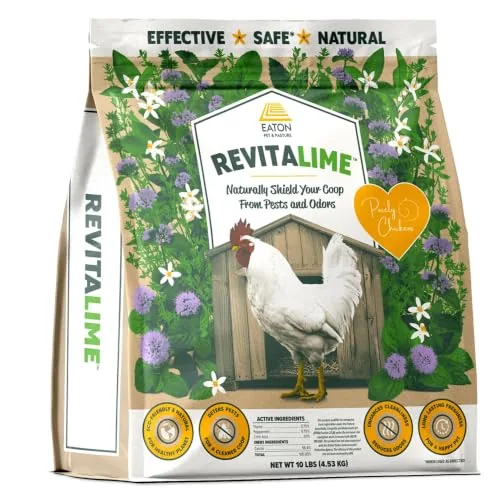
Eaton Pet & Pasture Revitalime Coop Freshener, 10 lb
- Use
- Coop and bedding freshener
- Active ingredient
- Calcite, citric acid, thyme, peppermint
- Size
- 10 lb
Best for Freshening coops between clean-outs
Cleaning nest boxes for cleaner eggs
Clean nests are the cheapest egg-safety tool you have. CDC notes that cleaning the coop, floor, nests and perches regularly helps keep eggs clean, and UF/IFAS asks you to keep nest boxes tidy and check them at least once a day. Swap soiled pads or shavings as soon as you see droppings or a broken egg, and give each nest a full scrub during the weekly round.
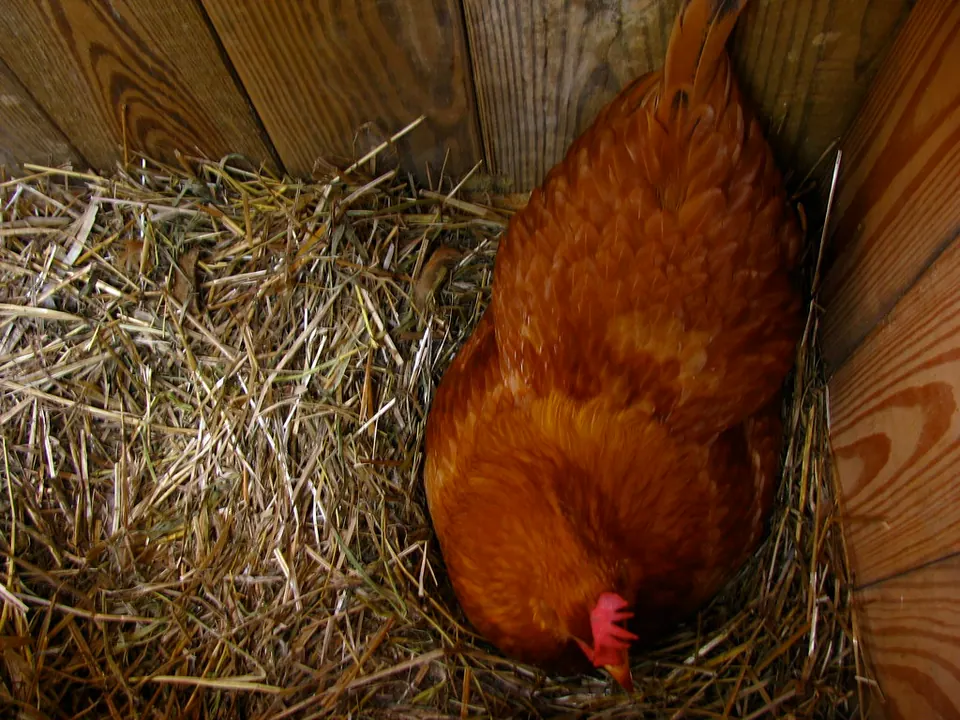
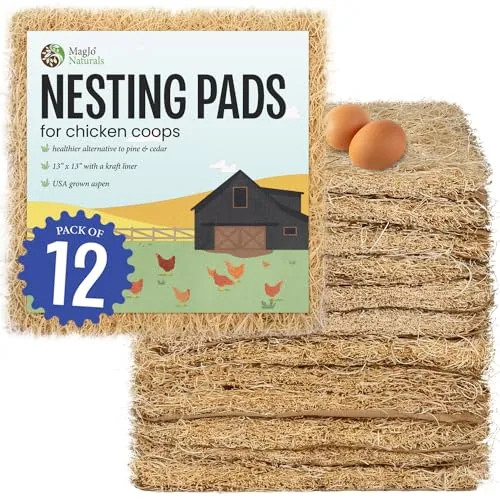
Pre-formed aspen pads are quick to lift out and compost. They come in different sizes, so measure the nest floor first.
MagJo USA Aspen Nesting Pads, 13x13, 12-Pack
- Size
- 13 x 13 in, 12 pads
- Material
- USA-grown aspen excelsior, kraft paper backing
Best for Easy nest box clean-outs
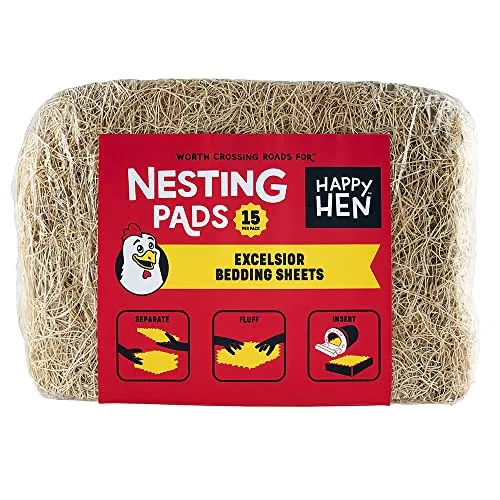
Happy Hen Excelsior Nesting Pads, 15-Pack
- Size
- 12 x 9.5 in, 15 pads
- Material
- Aspen excelsior
- Origin
- Made in USA
Best for Clean, intact nest box eggs
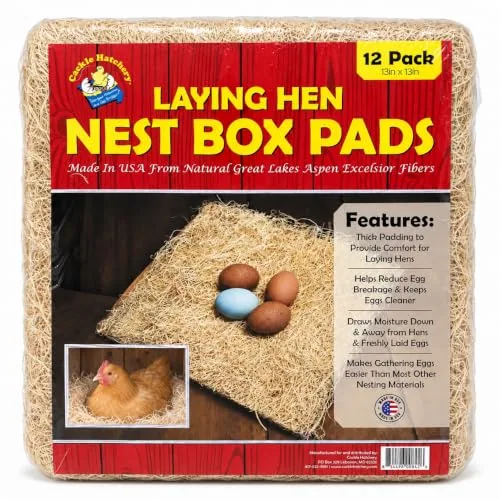
Cackle Hatchery Aspen Excelsior Nest Pads, 12-Pack
- Size
- 13 x 13 in, 12 pads
- Material
- Aspen excelsior
- Origin
- Made in USA
Best for Cleaner eggs from the nest box
If eggs keep coming out dirty, check for hens sleeping in the nests (block nests at night or move roosts higher than the nests), overcrowding and wet feet from a muddy run. For washing and storage rules see egg freshness, cleaning and storage.
What to do with old bedding and manure
Used bedding with manure is a useful garden input, but not raw. UF/IFAS explains that composted chicken manure is an excellent fertilizer, provided it is composted to temperatures that kill harmful bacteria before it is used on fruits, vegetables and ornamentals. Citing National Organic Program standards, UF/IFAS says aerated or contained piles must hold at least 131°F for three days; windrows need 131–170°F for 15 days with at least five turns.
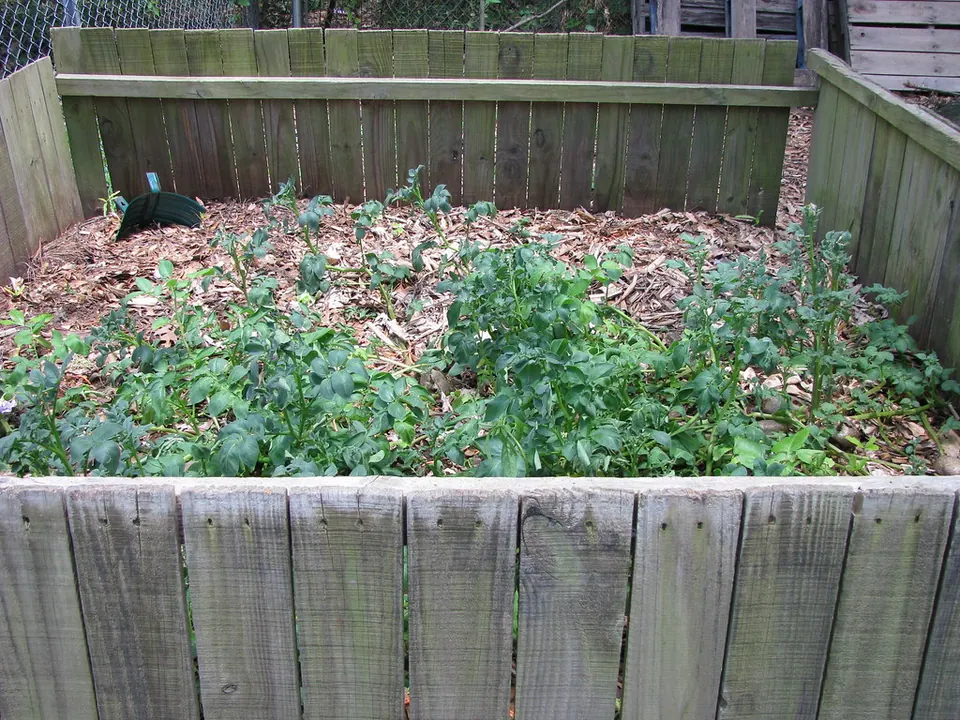
- Use a compost thermometer. If you never confirmed the pile reached 131°F, treat the compost as possibly carrying pathogens and keep it away from crops eaten raw.
- Keep the pile away from wells, ditches and your neighbor's fence, and check local rules on manure storage.
- Wash hands after handling compost and keep young children away from fresh manure.
Cleaning mistakes to avoid
- Disinfecting a dirty coop. Organic matter shields germs; dry-clean and wash first (UMN).
- Mixing chemicals or guessing dilutions. One product, label dilution, label contact time.
- Putting birds back on wet surfaces. Damp wood and bedding bring back ammonia and mold fast.
- Fogging or spraying insecticides on birds, feed or nests without reading the label. Labels set where a product may go and any egg-related restrictions.
- Washing feeders in the kitchen. CDC asks you to clean equipment outdoors and keep it out of the house.
- Ignoring the cause. If one corner is always wet, fix the leak, the waterer or the ventilation instead of cleaning harder. A closed nipple or cup waterer often cuts spills.
- Skipping the post-illness clean. After a disease problem, an Extension poultry specialist on Ask Extension recommends a complete clean-out rather than topping up old litter.
Who should choose which routine
If you keep a few hens in a small prefab coop with a droppings tray, a weekly tray-and-bedding change is usually simplest. If you have a walk-in coop with a solid floor and good airflow, the deep litter method can cut the hauling to a few clean-outs a year, as long as you stir it and keep it dry. Sand suits hot, dry climates and keepers who will sift often. Whatever you choose, keep the yearly deep clean and the clean-out after any illness. Browse cleaning tools, bedding and disinfectants in Health, safety & cleaning, and if you are still choosing a coop, the coops category notes which models have pull-out trays.
Coop size calculatorEnter your hens, bantams, ducks or quail: see coop floor, run area, roost length and nest boxes under three…Flock care checklistDaily, weekly, monthly and seasonal backyard chicken chores in one printable checklist. Ticks reset each…Questions
How often should you clean a chicken coop?
What is the best disinfectant for a chicken coop?
Can I use bleach to clean a chicken coop?
Is vinegar enough to clean a coop?
Should I clean the coop in winter?
How do I clean a chicken coop with mites?
Sources
- UF/IFAS Extension, AN239 Raising Backyard Chickens for Eggs (cleaning, disinfection, composting)
- University of Minnesota Extension, Reducing Salmonella risk in table egg production (dry clean top-down, disinfect within 24 h)
- University of Delaware Cooperative Extension, Chicken housing and coop maintenance
- University of Minnesota Extension, Caring for chickens in cold weather (ventilation, ammonia, moisture)
- University of Minnesota Extension, Diseases of small poultry flocks (mites: check birds at night)
- CDC, Backyard Poultry (Healthy Pets, Healthy People)
- Clark County (WA) Fire Marshal, Safety tips to prevent a chicken coop fire
- Ask Extension, Deep litter in chicken coops (expert answer on clean-outs after disease)