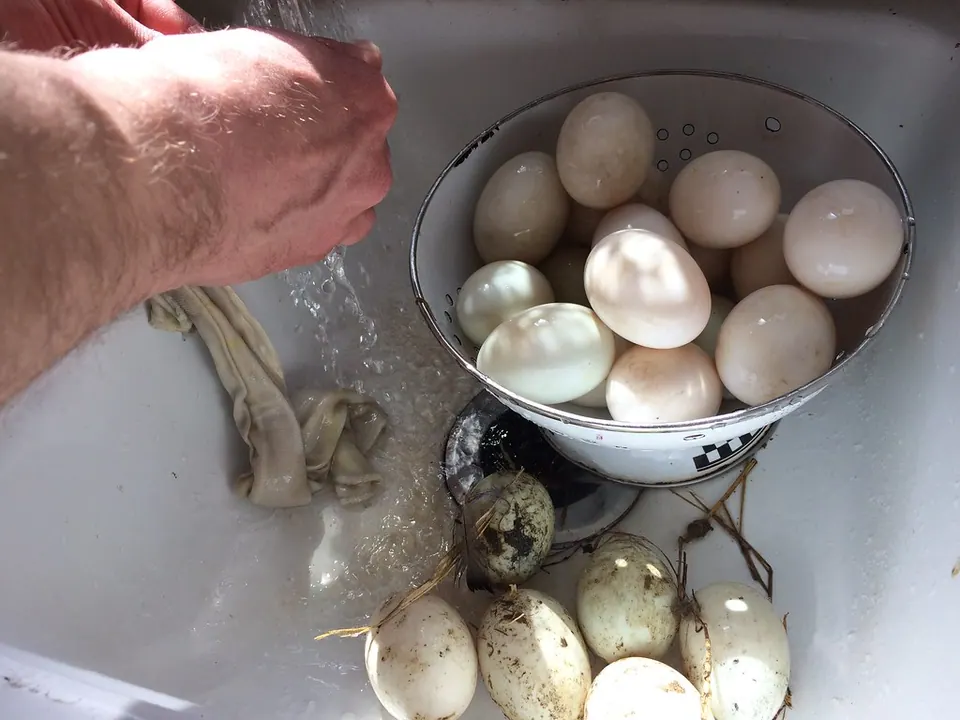
- Egg freshness and safety start in the nest: collect at least once a day, keep nests clean and throw away cracked eggs (CDC, UF/IFAS).
- Should you wash fresh eggs? Lightly soiled eggs can be dry-cleaned with fine sandpaper, a brush or a cloth. Never wash eggs in water colder than the egg (CDC); UF/IFAS gives at least 90°F and at least 20°F warmer than the eggs, without soaking.
- Refrigerate eggs after collection: FDA advises 40°F or below, in the carton, on a shelf rather than the door (UMN).
- For best quality FDA suggests using eggs within 3 weeks; UF/IFAS says properly washed and refrigerated eggs have a shelf life of 6 to 8 weeks. Date your cartons.
- Cook eggs until yolks and whites are firm, with egg dishes to 160°F (CDC). If you sell eggs, your state's washing, refrigeration and labeling rules apply; check your state department of agriculture.
Egg freshness, cleaning and storage are where backyard keepers get the most contradictory advice. Some say never wash an egg and leave them on the counter; others wash every egg in bleach. The confusion has a reason: rules differ between countries, and UF/IFAS notes that requirements for safe egg handling are inconsistent across states and countries, especially for small numbers of eggs.
This guide sticks to US guidance. It explains the bloom, when and how to clean eggs, how to refrigerate and store them, how to judge freshness, and what changes if you sell eggs. Sources are CDC, FDA, USDA, UF/IFAS, University of Minnesota and Penn State Extension, with state examples where rules differ.
Why egg handling matters: the shell and the bloom
An eggshell has thousands of pores. Hens coat each egg with a thin protective layer as it is laid, called the cuticle or bloom, which helps keep germs out. Eggs can still pick up Salmonella from droppings and dirty nests, and germs can be pulled through the pores if a warm egg meets colder water. UF/IFAS explains that cooler wash water can create a vacuum that draws water and any microbes it carries through the shell.
That is why US guidance focuses on keeping eggs clean in the first place, cleaning gently when needed, and chilling them. Washing removes the bloom, so once an egg is washed, refrigeration becomes essential.
Collecting eggs: the first step to clean eggs
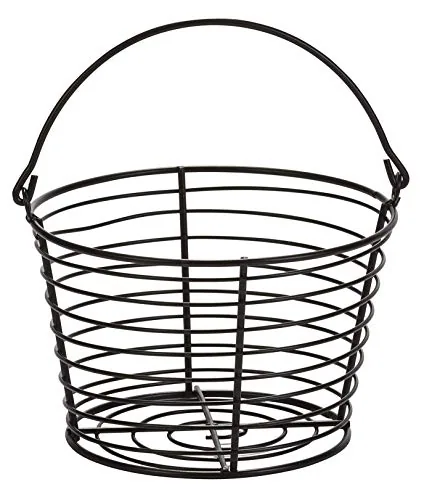
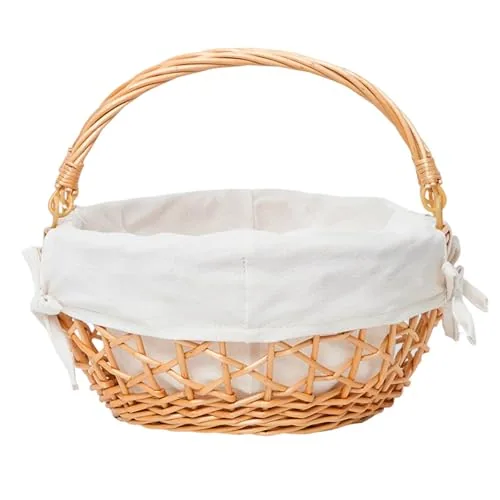
- Collect at least once a day
UF/IFAS asks you to check nest boxes at least once a day; CDC says to collect eggs often because eggs left in the nest get dirty or break. University of Minnesota Extension notes that eggs held at 80–90°F promote bacterial growth, so collect twice a day in hot weather.
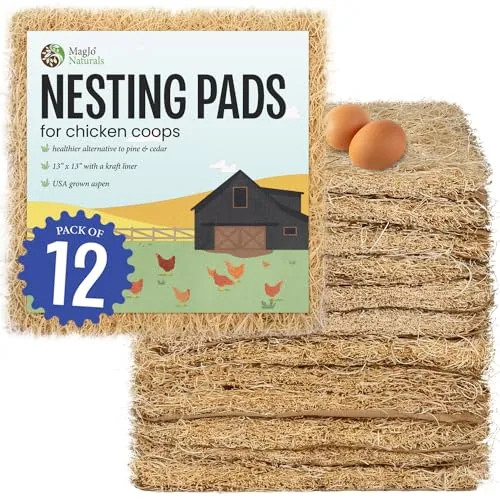
- Keep nests clean and soft
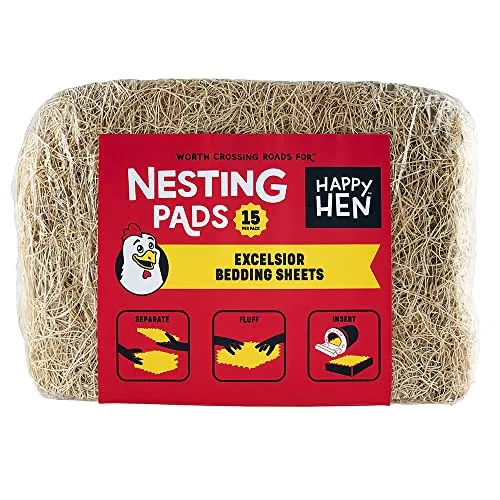
Change soiled nest pads at once and add fresh material weekly. Block nests at night if hens sleep in them.
- Discard cracked eggs
CDC: throw away cracked eggs, because bacteria can enter through the crack.
- Sort as you collect
Clean eggs go straight to the fridge. Lightly soiled eggs get dry-cleaned. Heavily soiled eggs are best discarded or used for your own cooking only after careful cleaning, never sold.
- Wash your hands
After collecting and after cleaning eggs, wash with soap and running water (CDC).
Should you wash fresh eggs?
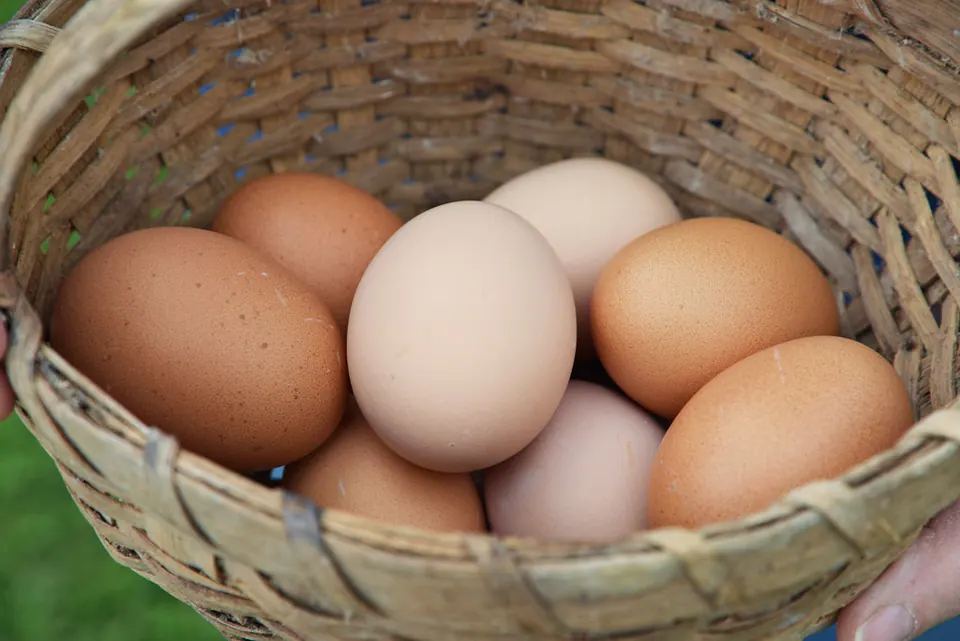
If an egg is clean, there is no need to wash it; refrigerate it. If it has a speck of dirt, dry-clean it. Wash only eggs that dry cleaning cannot fix, and do it the safe way.
Dry cleaning vs washing
| Dry cleaning | Washing | |
|---|---|---|
| When | ✓ Light soiling, specks of dirt | ~ Eggs dry cleaning cannot fix |
| How | Fine sandpaper, a brush or a cloth (CDC); brush or light sanding (UF/IFAS) | Running or sprayed water at least 90°F and at least 20°F warmer than the eggs; no soaking; paper towel per egg (UF/IFAS) |
| Bloom | ✓ Mostly kept | ✗ Removed |
| Then | Refrigerate | Dry, then refrigerate at or below 45°F (UF/IFAS); FDA's home target is 40°F or below |
| Risks | ~ Doesn't remove heavy soiling | ✗ Cold water can pull germs inside; soaking spreads them |
| For sellers | Some states recommend dry cleaning (Minnesota) | Some states or permits require washing and sanitizing (Florida's Limited Poultry Permit, per UF/IFAS) |
Source: CDC; UF/IFAS AN239; Minnesota Department of Agriculture
Egg-cleaning brushes and enzyme egg washes are sold for this job; use any wash product per its label and follow your state's rules if you sell.
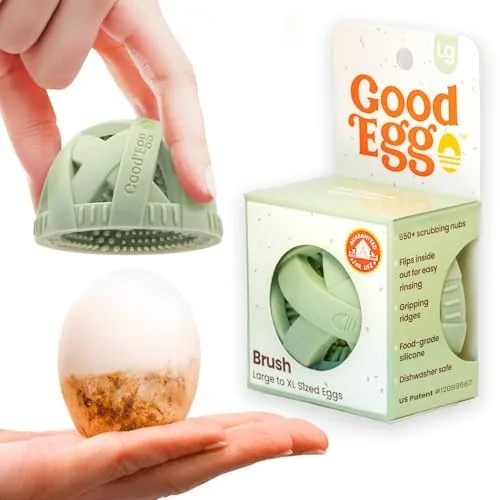
GoodEgg Original Silicone Egg Brush, Large/XL
- Capacity
- Fits large to XL eggs
- Material
- Food-grade silicone
Best for Cleaning dirty eggs
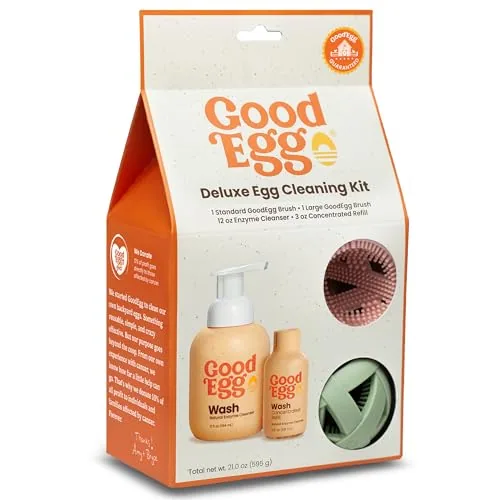
GoodEgg Deluxe Egg Cleaning Kit
- Count
- 2 brushes + wash + refill
- Material
- Food-grade silicone
Best for Gift for egg-selling keepers
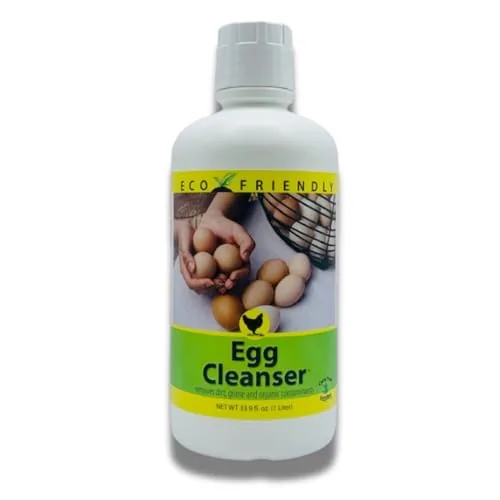
CareFree Enzymes Egg Wash, 33.9 oz
- Capacity
- 33.9 fl oz
- Type
- Enzyme egg cleaner
Best for Cleaning soiled eggs
How to store fresh eggs
US guidance is consistent on one point: chill eggs. CDC says to refrigerate eggs after collection. FDA advises storing eggs promptly in a clean refrigerator at 40°F or below, in their original carton, and using a refrigerator thermometer. University of Minnesota Extension adds that the fridge door can reach 60°F, so keep eggs on a main shelf. UF/IFAS recommends storing eggs large end up and dating the carton so you use older eggs first.
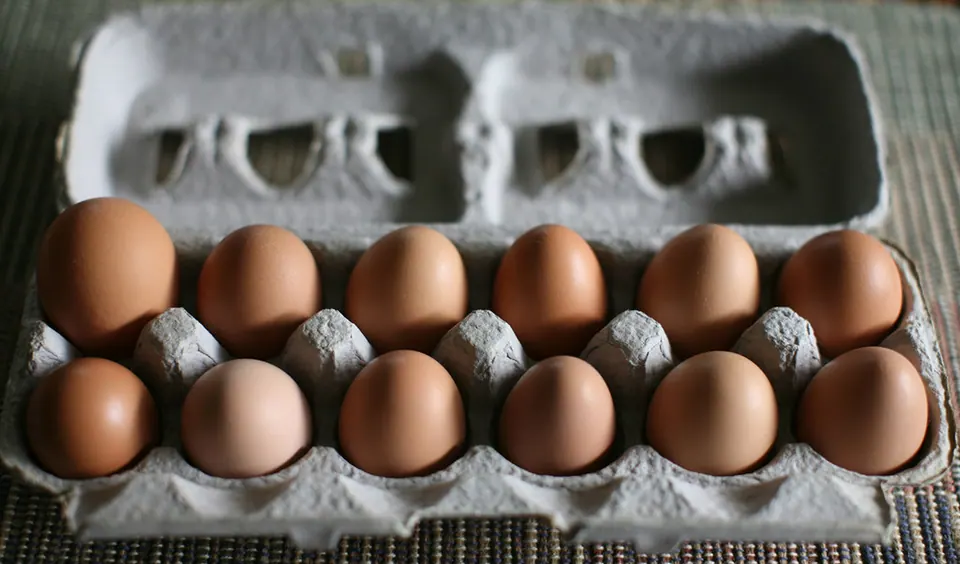
Egg temperatures that matter
°F, from CDC, UF/IFAS, UMN Extension and FDA
- Store eggs in a carton, not loose in a bowl: cartons slow moisture loss and odor pickup.
- Don't wash eggs right before storing unless you dry them fully.
- Once refrigerated, keep eggs cold. A cold egg left out at room temperature can sweat, and USDA FSIS notes that moisture can help bacteria move into the egg.
- Countertop egg skelters are best used for eggs you will eat within the day, or inside the fridge.
A simple digital thermometer helps you check that your fridge really holds 40°F or below.
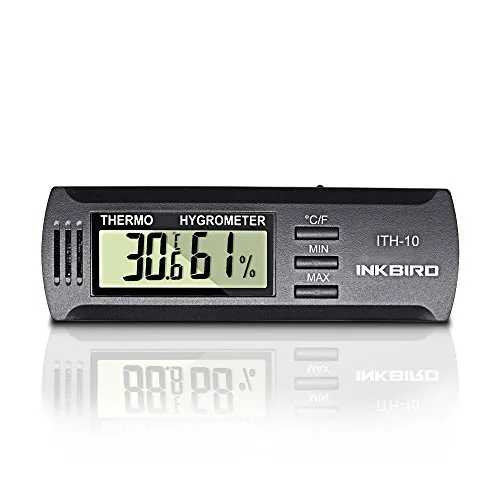
Inkbird ITH-10 Thermometer Hygrometer
- Accuracy
- ±3% RH, ±1.8°F
- Memory
- Min/max
Best for General humidity checks
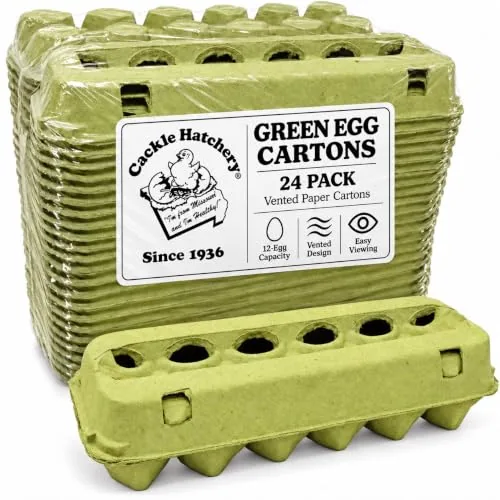
Cackle Hatchery Vented Pulp Egg Cartons, Green, 24-Pack
- Capacity
- 1 dozen, small to XL
- Count
- 24
- Material
- 100% reclaimed paper pulp
Best for Selling or gifting eggs
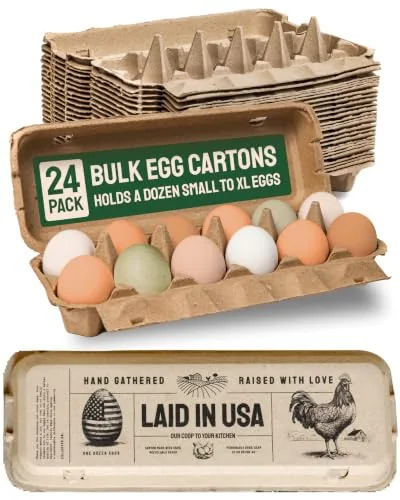
Hatortempt Pulp Egg Cartons, 12-Count, 24-Pack
- Capacity
- 1 dozen, small to jumbo
- Count
- 24
- Material
- Paper pulp
Best for Packing eggs to give or sell
How long do fresh eggs last?
Sources frame this as quality, not a hard safety date. FDA advises using eggs within 3 weeks for best quality. UF/IFAS says that, if stored properly, refrigerated eggs should have a shelf life of 6 to 8 weeks. As an egg ages, it loses moisture through the shell, the air cell grows, and the white thins, which is why very fresh eggs are harder to peel when boiled.
The float test: what it shows and what it doesn't
Because the air cell grows with age, an older egg sits up or floats in a bowl of water while a fresh one lies flat on the bottom. That makes the float test a rough age check. It is not a safety test: a fresh egg can still carry Salmonella, and wetting eggs you plan to store removes the bloom and adds moisture. If you float-test, do it right before cooking and use cool tap water only for eggs you will use straight away. Candling, which egg graders use, shows the air cell without water; see how to candle eggs.
Do backyard eggs need to be refrigerated?
In the US, the guidance is yes. CDC tells backyard keepers to refrigerate eggs after collection, and FDA's consumer advice is 40°F or below. UF/IFAS explains why some countries don't refrigerate: farmers there may be required to vaccinate hens against Salmonella and to not use dirty eggs, and authorities may consider condensation during refrigeration a bigger risk. Those systems don't apply to a US backyard flock, so follow US guidance.

If you sell eggs, refrigeration is usually a legal requirement too. Several states set 45°F or colder; Pennsylvania's small flock guidance, for example, requires eggs to be held at 45°F or below from within 24 hours of lay until sale. Rules vary by state, so check with your state department of agriculture. More in how to sell eggs locally.
Egg-handling mistakes to avoid
- Washing in cold water or soaking a bowl of eggs.
- Leaving eggs in hot nests all day in summer (UMN: 80–90°F promotes bacterial growth).
- Keeping cracked eggs (CDC: throw them away).
- Storing eggs in the fridge door, which can reach 60°F (UMN).
- Taking refrigerated eggs back out to the counter.
- Using the float test as a safety check.
- Eating runny eggs if someone in the household is very young, older or immunocompromised; cook until firm (CDC).
Track what your eggs cost in feed with the feed and egg cost calculator, and find baskets, cartons and brushes in Eggs, books & gifts. If eggs keep arriving dirty, revisit coop and nest cleaning.
Feed and egg cost calculatorType your bag price and size, flock size and eggs per week: see feed per day, how long a bag lasts, monthly…Flock care checklistDaily, weekly, monthly and seasonal backyard chicken chores in one printable checklist. Ticks reset each…Questions
Should you wash fresh eggs?
Do fresh eggs need to be refrigerated?
How long do fresh eggs last in the fridge?
Does the egg float test tell you if an egg is safe?
Can you leave unwashed eggs on the counter?
What should I do with cracked or dirty eggs?
Sources
- CDC, Backyard Poultry (collecting, cleaning and refrigerating eggs)
- FDA, What you need to know about egg safety
- USDA FSIS, Shell eggs from farm to table
- UF/IFAS Extension, AN239 Raising Backyard Chickens for Eggs (collecting and cleaning eggs)
- University of Minnesota Extension, Reducing Salmonella risk in table egg production
- Penn State Extension, Small-scale egg production (45°F from within 24 hours of lay)
- Minnesota Department of Agriculture, Sale of eggs in Minnesota