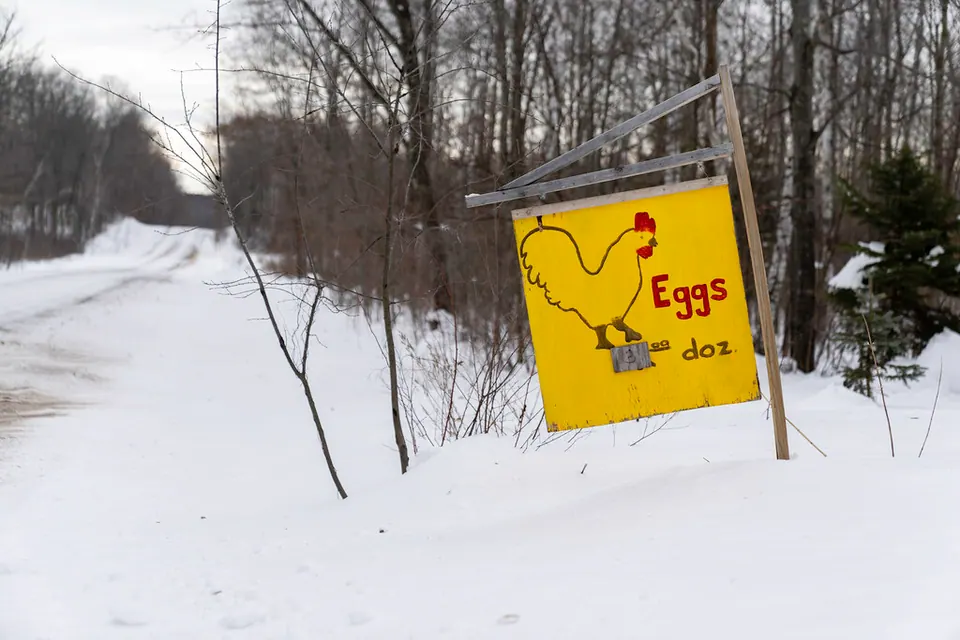
- How to sell eggs starts with one call or web search: your state department of agriculture. Egg-selling rules vary a lot from state to state, and so do the exemptions for small flocks.
- FDA's Egg Safety Rule applies to farms with 3,000 or more laying hens that don't sell all their eggs directly to consumers; small flocks are exempt from it, but not from state rules.
- Common state requirements: clean eggs, no cracks, refrigeration at 45°F or below, candling and grading in some states, and a labeled carton with your name and address.
- Federal rules require a safe handling statement on egg cartons; check how your state applies it to farm-direct sales.
- Many states allow reused cartons if they are clean and other brands' claims are crossed out. Check local zoning for selling from home.
If your hens lay more than your family eats, learning how to sell eggs locally is a natural next step. A small stand at the end of the driveway, a list of neighbors or a farmers market table can cover a good share of the feed bill. Before you put up a sign, though, you need to know the rules where you live, because egg sales are regulated mainly at the state level and the details differ widely.
This guide covers the federal baseline, examples of how states handle small producers, the handling steps every seller should follow, cartons and labels, pricing your costs, and local zoning. It names state examples only where we could read the state's own guidance; for your state, check with your state department of agriculture.
Can you sell eggs from backyard chickens?
In most places, yes, within limits. The federal FDA Egg Safety Rule (21 CFR 118) applies to shell egg producers with 3,000 or more laying hens at a farm who don't sell all their eggs directly to consumers. FDA's small entity guide lists producers with fewer than 3,000 hens and producers who sell all of their eggs directly to consumers as exempt from that rule. That exemption is federal only: your state can and usually does set its own requirements for registration, handling, refrigeration and labeling.
Egg-selling rules: examples from four states
These examples show how different the rules can be. They summarize each state's published guidance at the time of writing; don't apply them to another state.
How some states treat small egg sellers
| State | Small-seller rule | Handling and labeling | Source |
|---|---|---|---|
| North Carolina | Farmers selling fewer than 30 dozen eggs a week (all markets) don't have to wash and grade; above that, the full Egg Law applies | Exempt sellers label cartons "ungraded eggs" with name and address; refrigerate to 45°F or less after gathering; reused cartons must be clean with wrong information crossed out | NC State Extension, Growing Small Farms |
| Minnesota | Most producers selling their own eggs are generally excluded from food licensing; selling away from the farm or to food facilities brings registration and standards | Eggs clean before sale (dry cleaning recommended; hand-scrubbing with rags or sponges prohibited); candled and graded; 45°F or less; label with grade, size, name and address, "Perishable. Keep Refrigerated.", pack date and safe handling instructions; clean reused cartons allowed | Minnesota Department of Agriculture |
| Pennsylvania | Small flock producers selling eggs follow state retail food guidance | Eggs held at 45°F or below from within 24 hours of lay to sale, with a cooler thermometer; dirty, leaker and loss eggs removed | Penn State Extension |
| Florida | A state Limited Poultry Permit allows limited sales of eggs to individuals, restaurants and institutions, not wholesale | Washing and sanitizing are required under the permit | UF/IFAS AN239 |
Source: NC State Extension; Minnesota Dept. of Agriculture; Penn State Extension; UF/IFAS
How to sell eggs safely: handling step by step
Whatever your state's paperwork, these habits protect your customers and your reputation.
- Keep a healthy, clean flock
Clean nests, dry litter, rodent control and biosecurity all show up in egg quality. Buying stock from NPIP-participating hatcheries is a good start. See how to clean a chicken coop and bird flu biosecurity.
- Collect often and chill fast
Collect at least daily, twice in hot weather, and refrigerate promptly. University of Minnesota Extension notes eggs held at 80–90°F promote bacterial growth, and several states require 45°F or below.
- Remove cracked and dirty eggs
Cracked, leaking and dirty eggs don't go in a sale carton (Penn State; CDC advises discarding cracked eggs).
- Clean the way your state allows
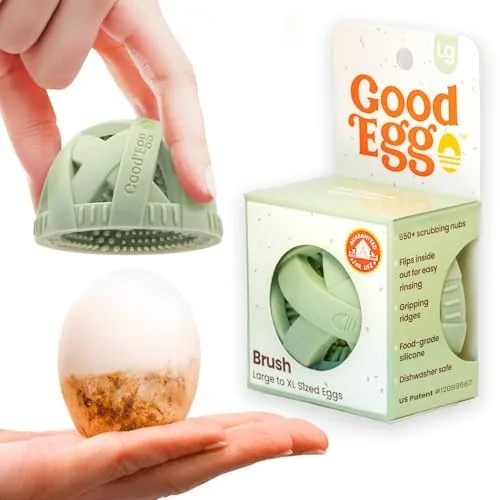
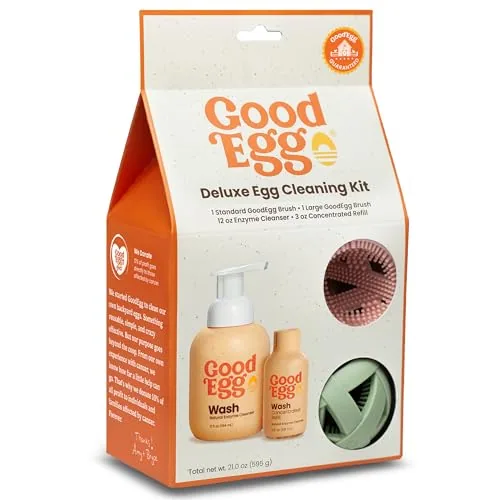
Some states prefer dry cleaning; others or certain permits require washing and sanitizing. If you wash, follow the safe method in egg freshness, cleaning and storage and your state's rules.
- Candle and grade if required
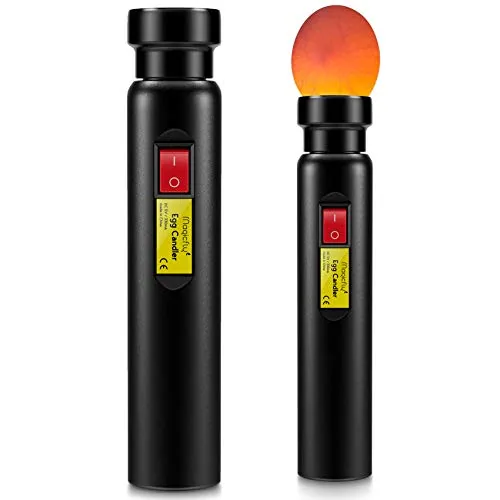
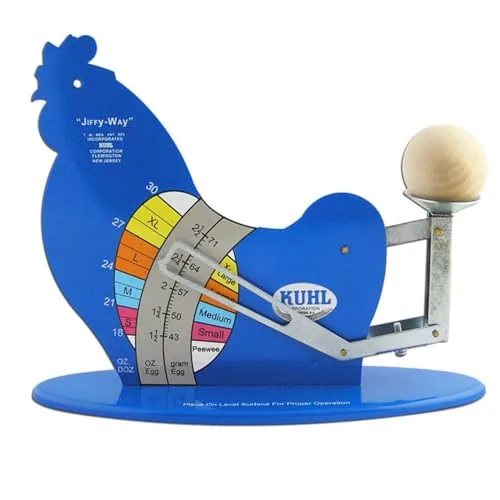
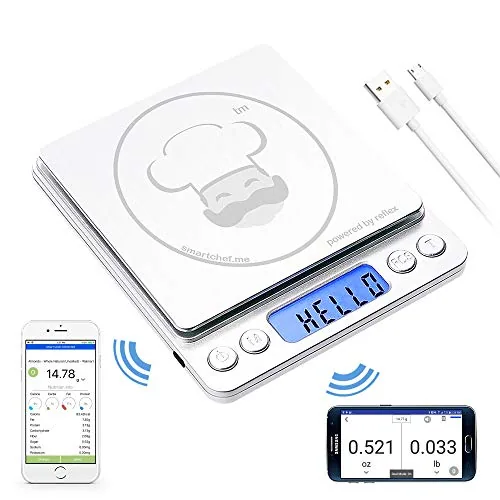
Minnesota, for example, requires all sale eggs to be candled and graded. Candling also catches cracks, blood spots and loss eggs. An egg scale sorts eggs into size classes.
- Pack and label
Use clean cartons, cross out other brands' claims, and add the label items your state requires (name and address, "ungraded" or grade and size, pack date, keep refrigerated, safe handling statement).
- Keep eggs cold at the point of sale
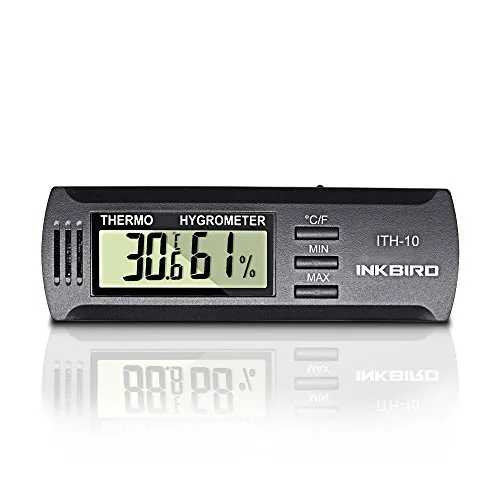
Use a refrigerator or a cooler with ice packs and a thermometer at the stand or market, and keep a simple temperature log.
- Keep records
Note collection dates, pack dates and where each batch went. It helps if a customer ever has a question.
Egg cartons and labels
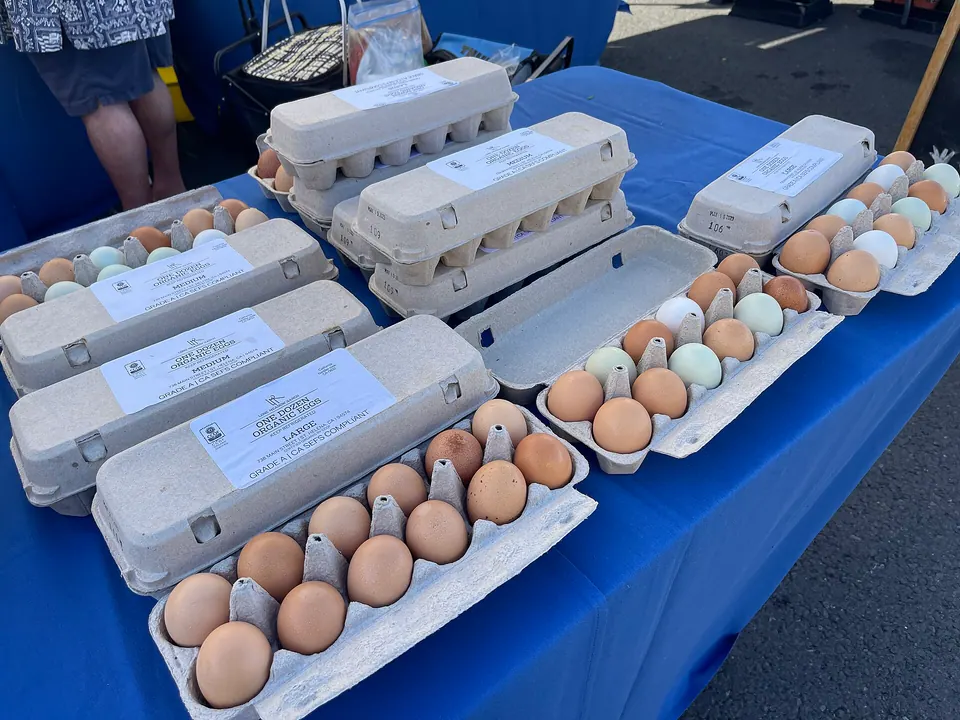
Federal rules (21 CFR 101.17(h)) require shell egg labels to carry this statement, set off in a box: "SAFE HANDLING INSTRUCTIONS: To prevent illness from bacteria: keep eggs refrigerated, cook eggs until yolks are firm, and cook foods containing eggs thoroughly." If it is printed inside the lid, "Keep Refrigerated" must appear on the outside. How your state applies this to small farm-direct sellers varies, so confirm it locally; printed safe-handling stickers and stamps are common solutions.
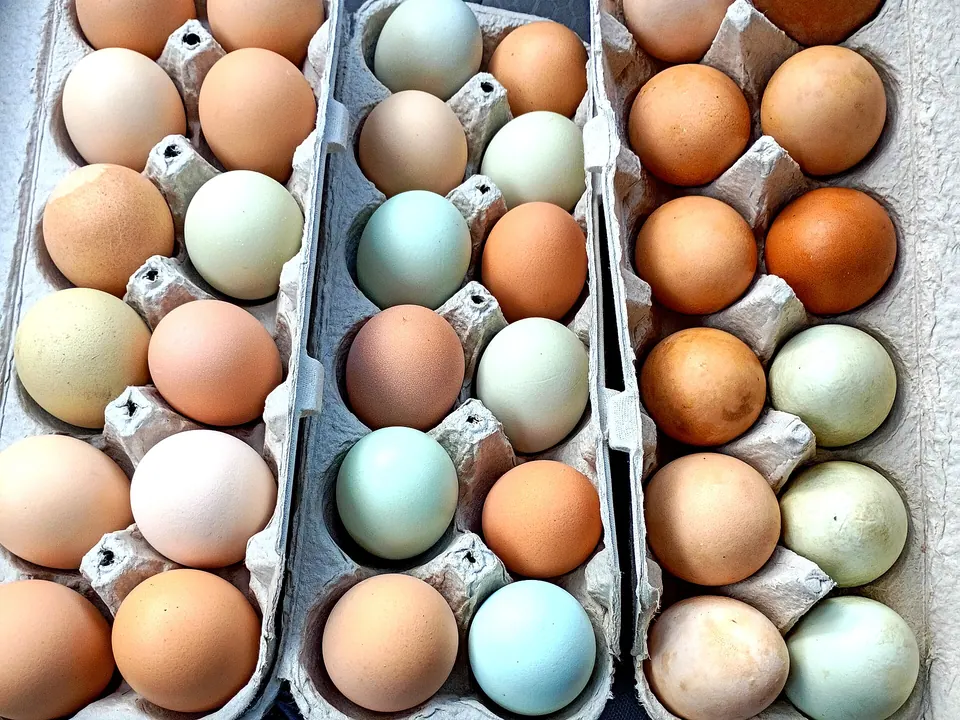
- Reusing cartons: North Carolina and Minnesota allow clean reused cartons if wrong or other brands' information is crossed out or covered.
- "Fresh": North Carolina's guidance limits "fresh" to eggs meeting Grade A or AA.
- Name and address: required by several states on every carton.
- Dates: Minnesota requires a pack date and a freshness date no more than 30 days after packing.
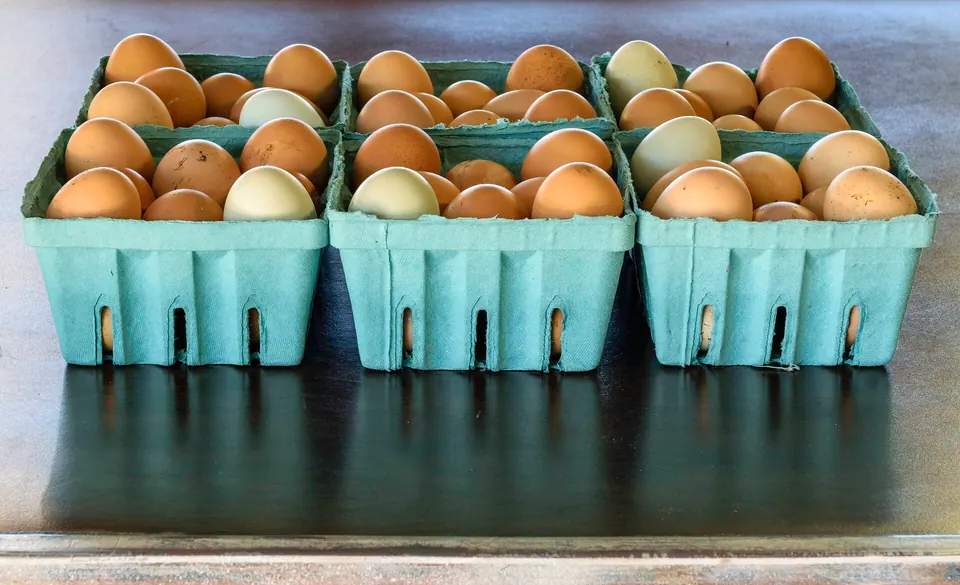
Blank pulp cartons are the easiest to label. Flats work for bakers and bulk buyers.
| Product | Capacity | Count | Material |
|---|---|---|---|
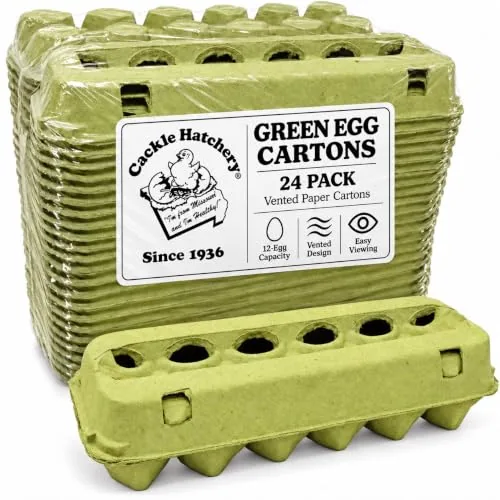
| Cackle Hatchery Vented Pulp Egg Cartons, Green, 24-Pack | 1 dozen, small to XL | 24 | 100% reclaimed paper pulp |
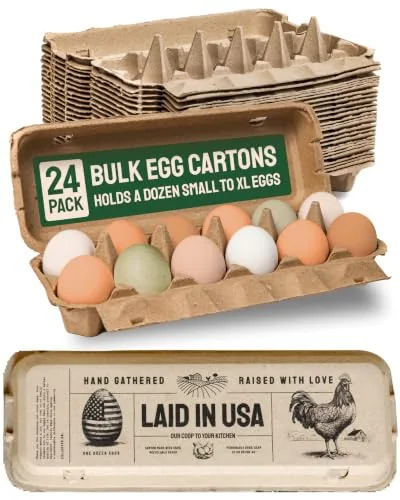
| Hatortempt Pulp Egg Cartons, 12-Count, 24-Pack | 1 dozen, small to jumbo | 24 | Paper pulp |
| Zubebe 3x4 Pulp Egg Cartons, 200-Pack | 1 dozen | 200 | Paper pulp |
| MT Products Blank Pulp Egg Cartons, 15-Pack | 12 eggs | 15 | Natural pulp |
| Estune 30-Cell Pulp Egg Flats, 120-Pack | 30 eggs per flat | 120 | Pulp fiber |
Specs as listed by the maker or seller; check the listing before you buy.
Cackle Hatchery Vented Pulp Egg Cartons, Green, 24-Pack
- Capacity
- 1 dozen, small to XL
- Count
- 24
- Material
- 100% reclaimed paper pulp
Best for Selling or gifting eggs
Hatortempt Pulp Egg Cartons, 12-Count, 24-Pack
- Capacity
- 1 dozen, small to jumbo
- Count
- 24
- Material
- Paper pulp
Best for Packing eggs to give or sell
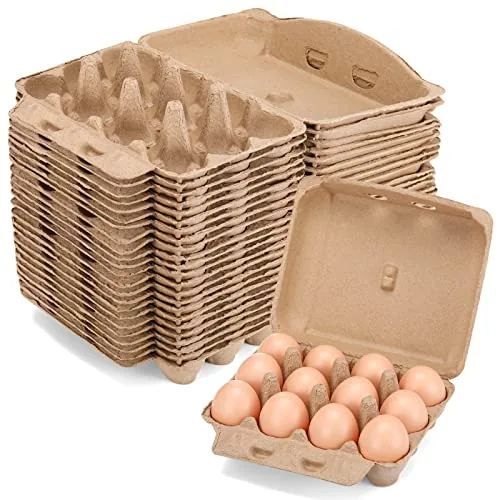
Zubebe 3x4 Pulp Egg Cartons, 200-Pack
- Capacity
- 1 dozen
- Count
- 200
- Material
- Paper pulp
Best for High-volume egg sellers
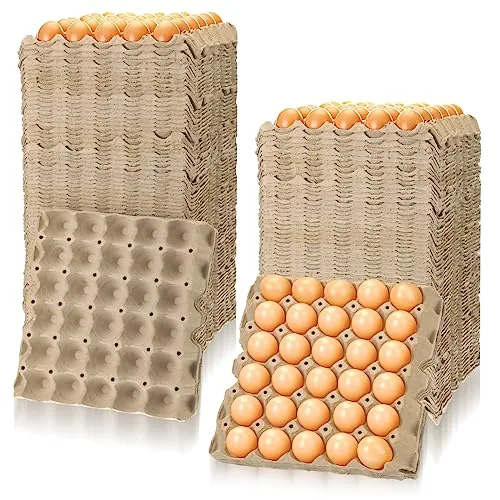
Estune 30-Cell Pulp Egg Flats, 120-Pack
- Capacity
- 30 eggs per flat
- Count
- 120
- Material
- Pulp fiber
Best for Storing large egg volumes
More options in best egg cartons.
Where to sell: farm stand, neighbors, markets
- From home or a driveway stand. Check your city's zoning and home-business rules as well as state egg rules; some towns limit signs or roadside stands. A cooler and a clear sign help.
- Farmers markets. Markets often have their own requirements (state registration, liability insurance, cold-holding). Ask the market manager.
- Stores, restaurants and food facilities. These usually trigger stricter state rules. In Minnesota, selling to food facilities requires registration and compliance with the state's standards; Florida's permit allows sales to restaurants but not wholesale.
- Online and delivery. Keep eggs cold in transit and check whether your state treats delivery differently.
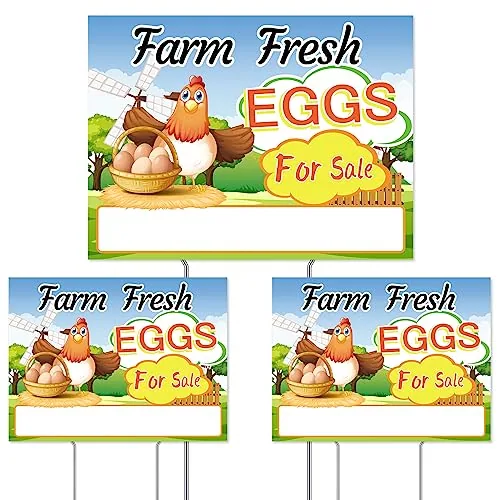
Hicarer Farm Fresh Eggs for Sale Yard Signs, 3-Pack
- Count
- 3 signs + 6 stakes
- Material
- Corrugated plastic
- Size
- 12 x 16 in
Best for Roadside egg stands
For hen limits, roosters and HOA rules that affect a home egg business, see backyard chicken and egg-selling laws.
Pricing: know your cost per dozen
We don't publish egg prices, because they vary by region and season. What you can do is calculate your own cost. Enter your feed bag price and size, flock size and eggs per week in the feed and egg cost calculator to see feed cost per dozen, then add cartons, bedding and your time. Compare with what local stores and other sellers charge, and remember that hens lay less in winter and during molt.
Thinking of adding hens to sell more? Check your coop space first with the coop size calculator, and remember any hen limit in your local code.
Mistakes new egg sellers make
- Assuming small means unregulated. The FDA exemption doesn't exempt you from state rules.
- Selling dirty or cracked eggs.
- Leaving eggs in a warm stand without refrigeration or ice.
- Reusing branded cartons without covering the other brand's claims.
- Calling eggs "organic" or "free-range" without checking what those claims require.
- Washing in cold water before packing.
- Forgetting the label items your state requires.
Seller supplies are collected in Selling eggs and Eggs, books & gifts.
Coop size calculatorEnter your hens, bantams, ducks or quail: see coop floor, run area, roost length and nest boxes under three…Feed and egg cost calculatorType your bag price and size, flock size and eggs per week: see feed per day, how long a bag lasts, monthly…Flock care checklistDaily, weekly, monthly and seasonal backyard chicken chores in one printable checklist. Ticks reset each…Questions
Can I sell eggs from my backyard chickens?
Do I need a license to sell eggs?
Do eggs have to be washed before selling?
Can I reuse egg cartons to sell eggs?
What temperature should eggs be stored at for sale?
What needs to be on an egg carton label?
Sources
- FDA, Small entity compliance guide: Prevention of Salmonella Enteritidis in shell eggs (Egg Safety Rule scope)
- eCFR, 21 CFR 101.17(h) Shell egg safe handling statement
- NC State Extension, Growing Small Farms: meat and eggs
- Minnesota Department of Agriculture, Sale of eggs in Minnesota
- Penn State Extension, Small-scale egg production
- UF/IFAS Extension, AN239 Raising Backyard Chickens for Eggs (Limited Poultry Permit)
- University of Minnesota Extension, Reducing Salmonella risk in table egg production
- CDC, Backyard Poultry (cracked eggs, refrigeration)